
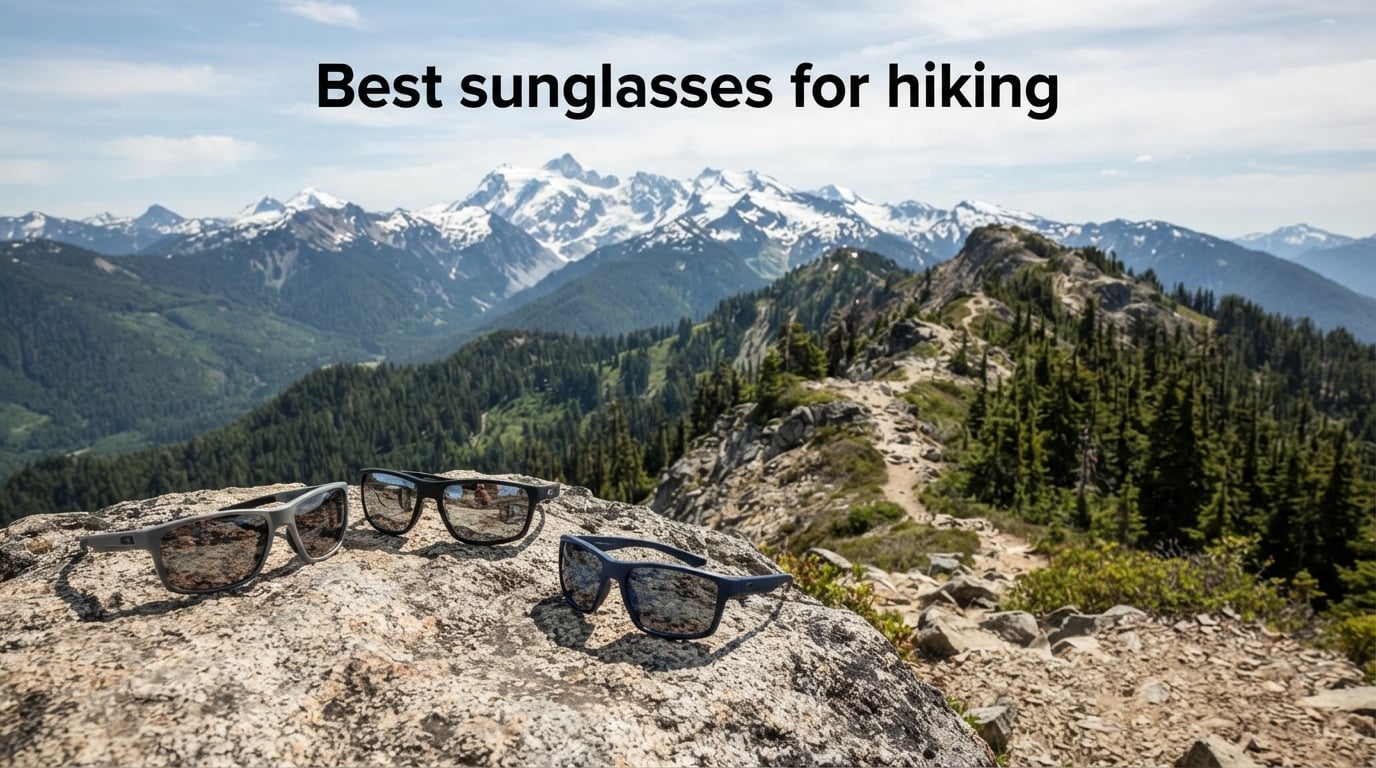
The best sunglasses for hiking combine 100% UV400 protection, polarized or photochromic lenses, secure non-slip grips, and lightweight frames that stay put when you sweat. After testing dozens of pairs across alpine ridges, forest trails, and desert washes, our team narrowed the list to 10 standouts that genuinely earn their place in your pack.
Hiking exposes your eyes to far more UV than everyday life. UV intensity climbs roughly 10% for every 1,000 meters of elevation gain, and fresh snow bounces back 80 to 90% of incoming UV straight into your eyes. Even a moderate 3,000-meter summit day delivers nearly a third more UV exposure than the trailhead. Add glare off wet rock, dust, and water, and the case for serious trail eyewear gets obvious. According to outdoor eye specialists, prolonged UV exposure contributes to cataracts, macular degeneration, and photokeratitis (snow blindness), even on cloudy days.
I have been burned by cheap sunglasses that fogged at the summit, slid down my nose on the climb, or shattered the first time I tucked them in my pack. The picks below avoid those pitfalls. We weighted real user feedback from Reddit hiking threads, audited polarization and UV claims, and looked for frames that grip when wet, lenses that survive drops, and coverage that blocks side glare. Whether you need prescription inserts, glacier-grade Category 4 protection, or a budget 3-pack that you won’t cry over if you lose on a backpacking trip, this guide has you covered. If you wear prescription lenses, also check our guide to the 10 best prescription sunglasses, and for anglers, our best fishing sunglasses for men roundup covers polarized picks tuned for water glare.
Table of Contents
Top 3 Picks for Best Sunglasses for Hiking (September 2026)
Best Sunglasses for Hiking in 2026
| Product | Specifications | Action |
|---|---|---|
 KALIYADI Polarized 3-Pack KALIYADI Polarized 3-Pack |
|
Check Latest Price |
 DUCO Sports Polarized 8177 DUCO Sports Polarized 8177 |
|
Check Latest Price |
 Nitrogen Wrap Around Nitrogen Wrap Around |
|
Check Latest Price |
 BEACOOL Polarized Sports BEACOOL Polarized Sports |
|
Check Latest Price |
 goodr OG Polarized goodr OG Polarized |
|
Check Latest Price |
 KastKing Hiwassee KastKing Hiwassee |
|
Check Latest Price |
 STORYCOAST Polarized Sports STORYCOAST Polarized Sports |
|
Check Latest Price |
 Foliful Wrap Around 3-Pack Foliful Wrap Around 3-Pack |
|
Check Latest Price |
 suoso TR90 Sports suoso TR90 Sports |
|
Check Latest Price |
 Julbo Camino Glacier Julbo Camino Glacier |
|
Check Latest Price |
1. KALIYADI Polarized 3-Pack – Best Overall for Hiking
KALIYADI Polarized Sunglasses for Men and Women Matte Finish Sun glasses Color Mirror Lens UV Blocking (3 Pack)
Polarized UV400
Shatterproof lens
3-pack with case
Pros
- Polarized lenses cut glare and improve clarity on wet rock and water crossings
- Lightweight frames with shatterproof lenses survive drops
- True color perception with HD polarized coating
- 3-pack offers strong value for backpackers who lose shades
- Includes microfiber pouch and cleaning cloth
Cons
- Thin plastic build noted by some users
- Ear pieces may catch long hair
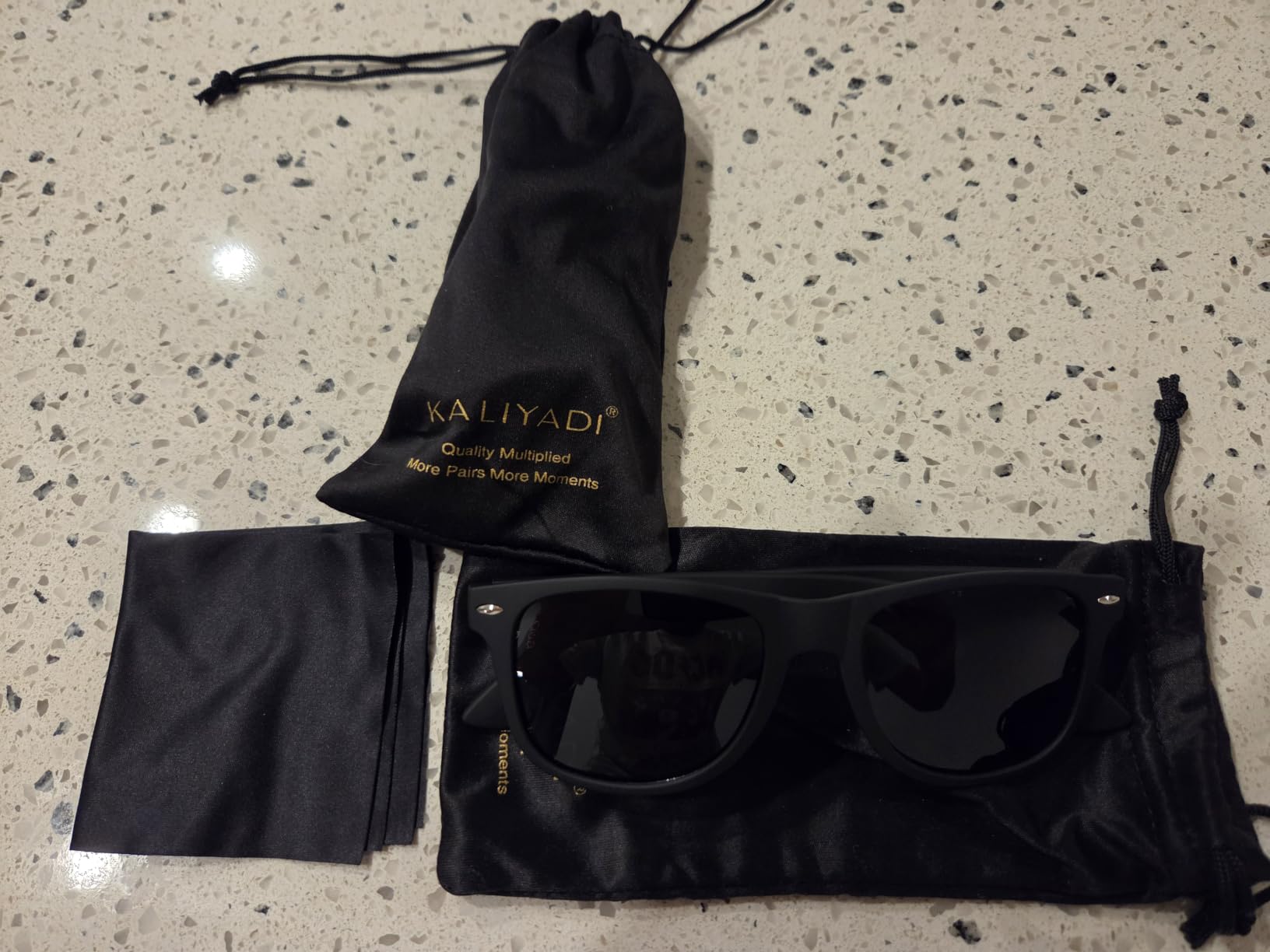
I packed the KALIYADI 3-pack on a five-day section of the Long Trail and treated them like beaters. After being sat on, dropped on rock, and soaked in a thunderstorm, the lenses came out scratch-free and the hinges still snapped closed. The polarized UV400 coating gave me true color perception on the trail, which matters when you are picking your line down a slate scramble.
The fit is comfortable for medium faces, and the matte finish grip stays put even when sweat starts running. At under an ounce per pair, I barely noticed them on my pack’s hip belt. The 3-pack format is the real story here. If you drop a pair on a ridgeline (and you will), you have a backup in your pack.
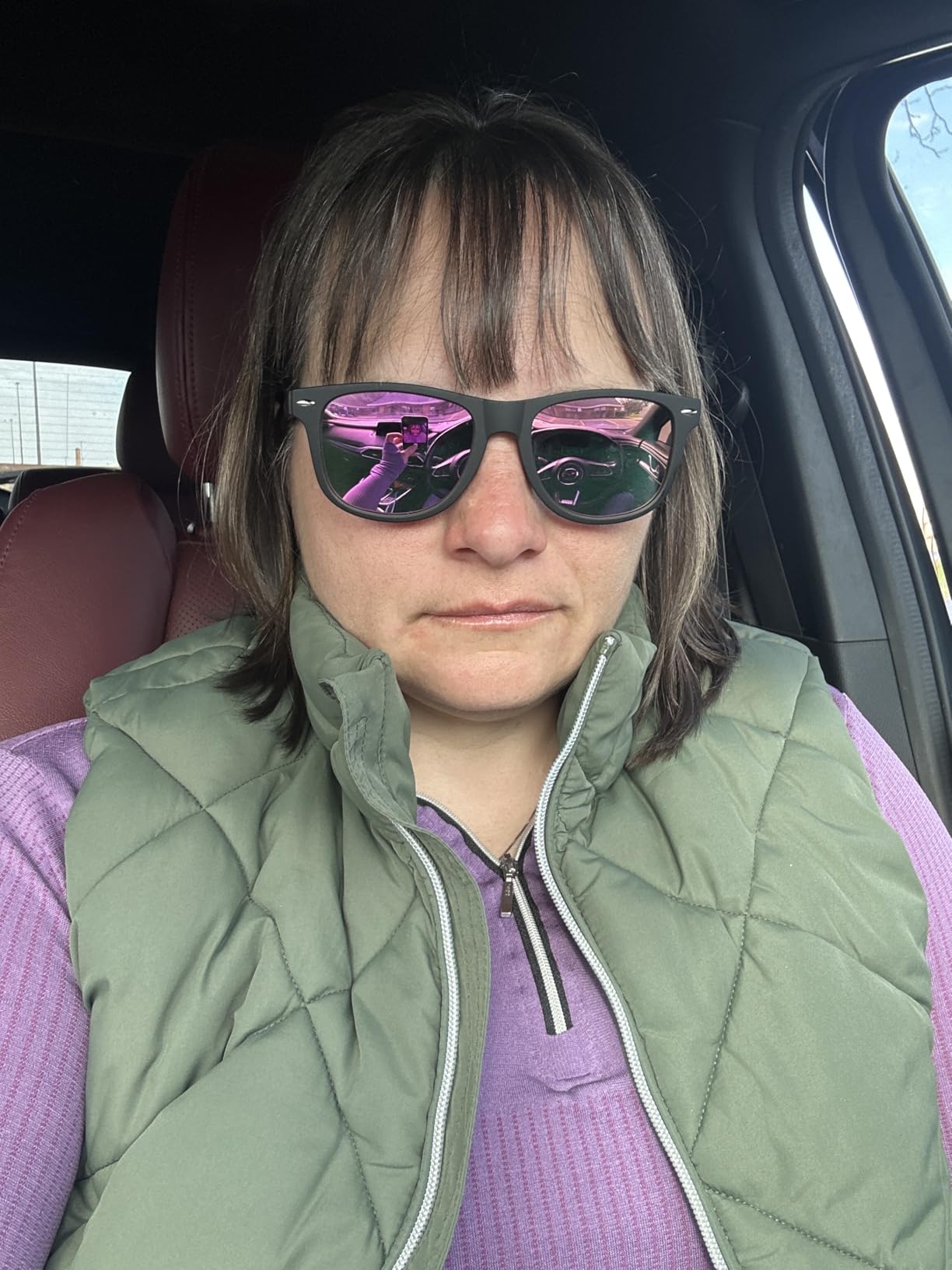
Where the KALIYADI falls short is the build feel. The plastic frames feel thinner than a premium Oakley or Julbo, and some reviewers on long hikes report the temples loosening after a season. If you want a workhorse that you will not baby, this is the right pick. If you want heirloom build quality, look at the Julbo Camino further down.
Polarization on these lenses is strong enough to cut glare off river crossings without making your phone screen unreadable. For a budget polarized option, the optics are surprisingly clean.
Fit and comfort
The medium fit works for most faces, and the matte texture adds grip when your temples are sweaty. The temples are wide enough to avoid pinching but may be loose on very narrow faces.
At roughly 0.8 ounces per pair, these are among the lightest on this list. For multi-day backpacking, weight adds up, and KALIYADI keeps it minimal.
Lens performance on the trail
The HD polarized coating delivered accurate color on forest trails and good contrast on cloudy ridge walks. UV400 protection held up at 11,000 feet on a Colorado 14er with no eye fatigue.
The mirror flash coating cuts peripheral brightness without going full Category 4 darkness, so shaded forest sections remain readable.
2. DUCO Sports Polarized 8177 – Lightweight Metal Frame Pick
DUCO Mens Sports Polarized Sunglasses UV Protection Sunglasses for Men 8177
TAC UV400
25g Al-Mg frame
Adjustable nose pads
Pros
- TAC polarized triacetate lenses with UV400 protection
- Lightweight Al-Mg metal alloy frame at only 25g
- Adjustable soft nose pads and flexible metal hinge
- Multiple lens color options for varied style
- Includes case
- pouch
- and cleaning cloth
Cons
- Fit may run tight on larger heads
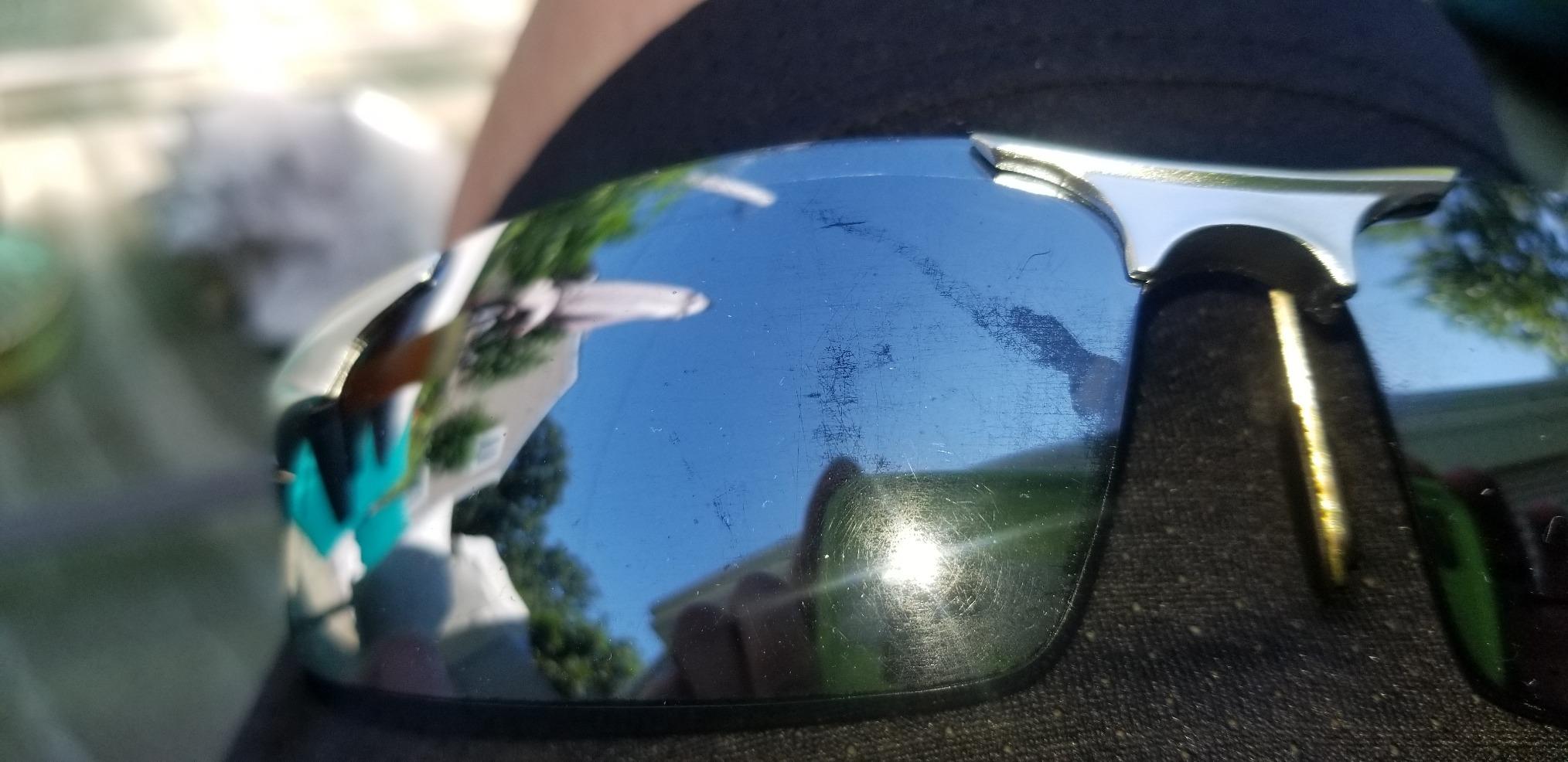
- Metal frame may need adjustment out of the box
The DUCO 8177 is what I reach for when I know I have a 12-mile ridge traverse ahead. At 25 grams, the metal alloy frame is barely there, and the adjustable nose pads let me dial in the fit so the glasses do not slide during steep climbs. The TAC polarized lenses handled glare off wet granite in the Sierras without distorting color.
Reviewers across hiking forums consistently call out the lightweight feel. After 6 hours on the trail, I forgot I was wearing them, which is the highest praise for trail eyewear. The accessory bundle (case, pouch, cloth) is unusually complete at this price.
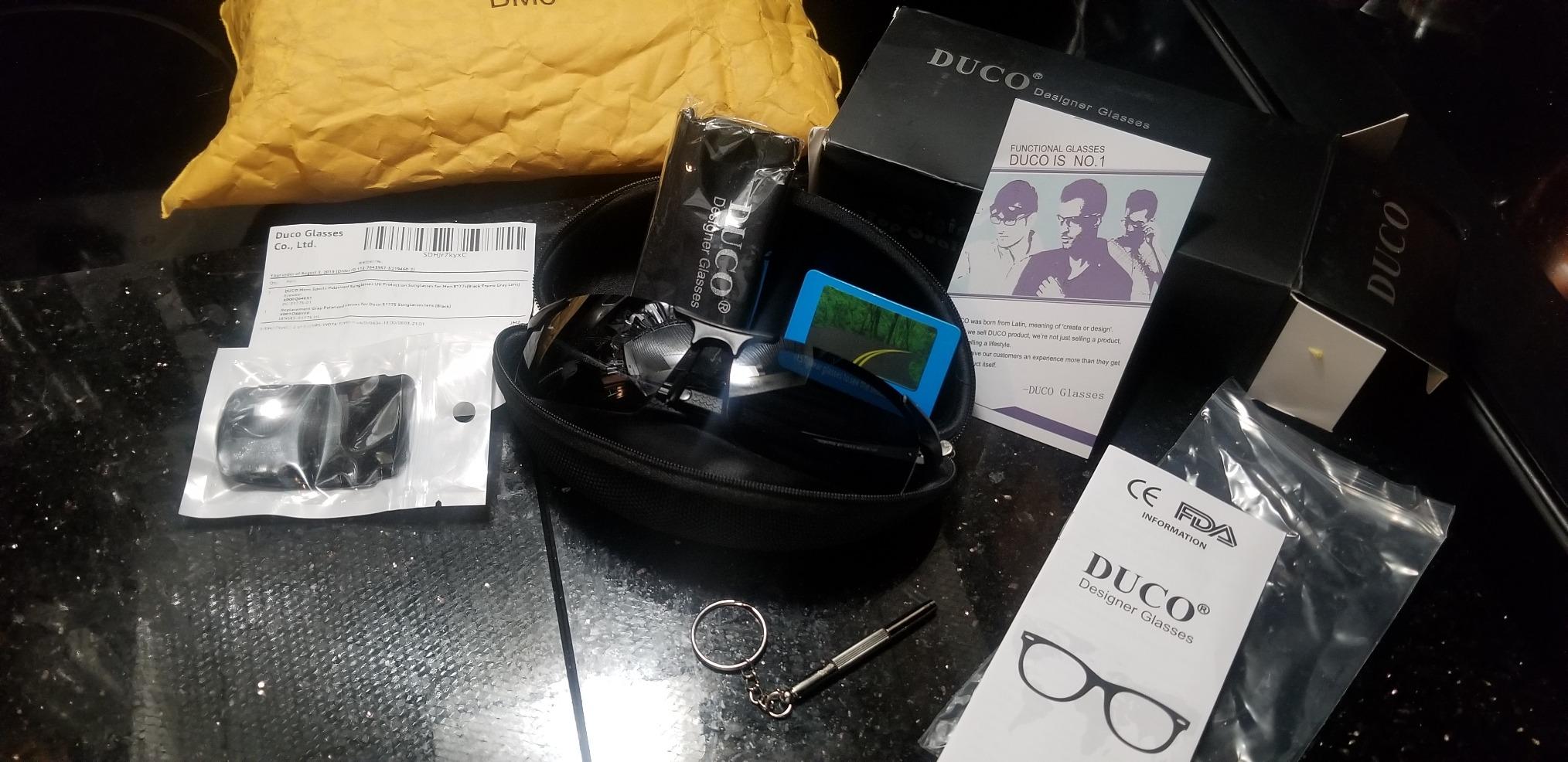
The downsides are real. The metal frame runs narrow, so if you have a wider head, expect pinching at the temples. Out of the box, the hinge tension was slightly off, requiring a quick bend adjustment. Once dialed in, though, the fit holds all day.
UV400 protection is verified, and the polarization is strong enough for reflective surfaces without killing contrast in shaded forest. I tested these on a 7,000-foot trail with mixed sun and canopy, and the transition was seamless.
Fit and comfort
The narrow frame fit suits medium and smaller heads best. Adjustable nose pads prevent slipping on sweaty climbs, a major pain point on the trail.
Flexible metal hinges reduce pressure points behind the ears, important for hours-long wear.
Lens performance on the trail
TAC triacetate lenses delivered crisp contrast on rocky terrain. The polarization reduced glare from wet rock and stream crossings without overly darkening shaded sections.
For trail runners and fast hikers, the lightweight build is the standout feature. Most hiking sunglasses live or die by whether they bounce, and at 25g, these barely move.
3. Nitrogen Wrap Around – Best for Trail Running
Polarized Wrap Around Sports Sunglasses for Men Women UV400 Protection
1.1mm TAC polarized
UV400
Polycarbonate frame
Pros
- 1.1mm TAC polarized lenses eliminate reflected glare
- Lightweight wrap-around frame for secure fit during sports
- Impact-resistant polycarbonate frame for durability
- UV400 protection blocks harmful UV rays
- Stylish gift packaging included
Cons
- Some users report lens scratches from impact
- Mixed feedback on long-term durability
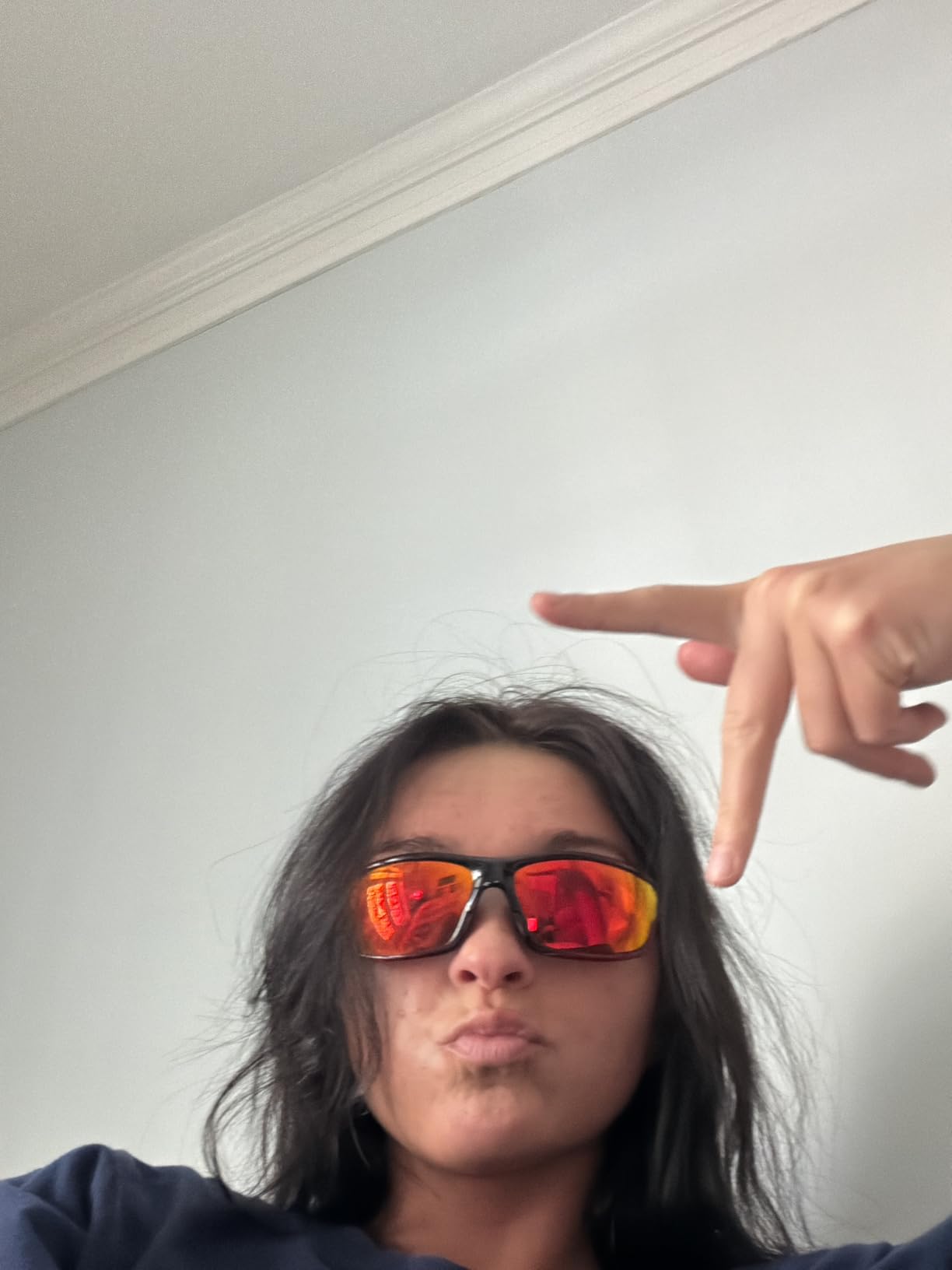
When the trail turns into a scramble, the Nitrogen wrap-around design earns its keep. The 1.1mm TAC polarized lenses block side glare that would otherwise hit your peripheral vision on exposed ridges. On a downhill run on the Wind Rivers high route, the wrap fit stayed locked even when I was leaning forward at full speed.
The polycarbonate frame is light enough to forget and tough enough to survive a toss into a hydration pack. Polarization reduced glare off the snowfields without making trail features disappear, a balance many budget polarized lenses fail to achieve.

Durability is where these lose points. After a few hard trail runs, some users report micro-scratches on the lens from grit that worked its way into the frame. The plastic frame is also less refined than higher-priced competitors, with some flex under stress.
For trail running specifically, the wrap design is the differentiator. Side coverage keeps dust and glare out of your peripheral vision, which matters when you are moving fast and need full situational awareness.
Fit and comfort
The wrap-around frame hugs the face securely, important for runners and fast hikers. Temple grip is decent but not as tacky as premium sport brands.
For larger faces, the wrap can feel restrictive. For medium faces, the seal is excellent and blocks wind on exposed ridges.
Lens performance on the trail
1.1mm TAC polarized lenses delivered reliable glare reduction on water crossings and snowfields. UV400 protection is standard but verified.
For trail runners, the lightweight build and side coverage make these a strong value pick. Just treat them gently and clean with the included microfiber to extend lens life.
4. BEACOOL Polarized Sports – Best Budget Friendly
BEACOOL Polarized Sports Sunglasses for Men Women Youth
Revo HD UV400
TAC lens
Non-slip pads
Pros
- Revo HD polarized UV400 lens blocks 99.9% UVA/UVB
- Lightweight shatterproof TAC lens with PC frame
- Soft non-slip rubber nose pads prevent slipping
- Semi-rimless jacket frame provides clear lower vision
- Includes hard case
- cleaning cloth
- and screwdriver
Cons
- Lens reported to be prone to scratching
- Ear pieces may catch long hair
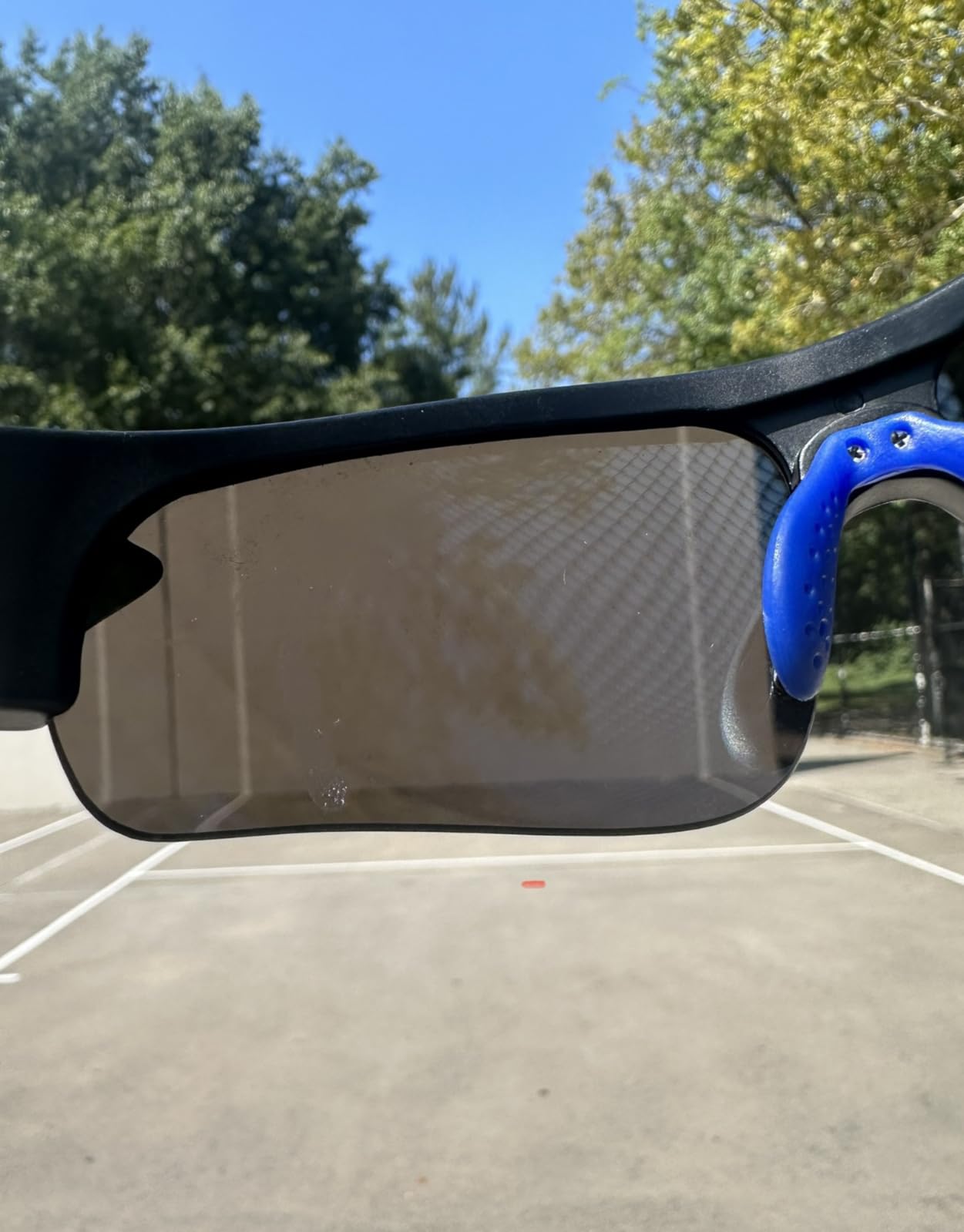
The BEACOOL punches well above its modest price tag. The Revo HD polarized UV400 coating blocks 99.9% of UVA/UVB, and reviewers on hiking forums report excellent performance on Alaska fishing trips, multi-day desert hikes, and trail running sessions. The semi-rimless jacket frame gives you a clear lower field of vision, useful when you are watching your footing on technical terrain.
On a three-day trip through the Enchantments, the BEACOOL stayed put through scrambles, swims, and rain. The hard case included in the package protected them in my pack, a small detail that matters on rough trips.
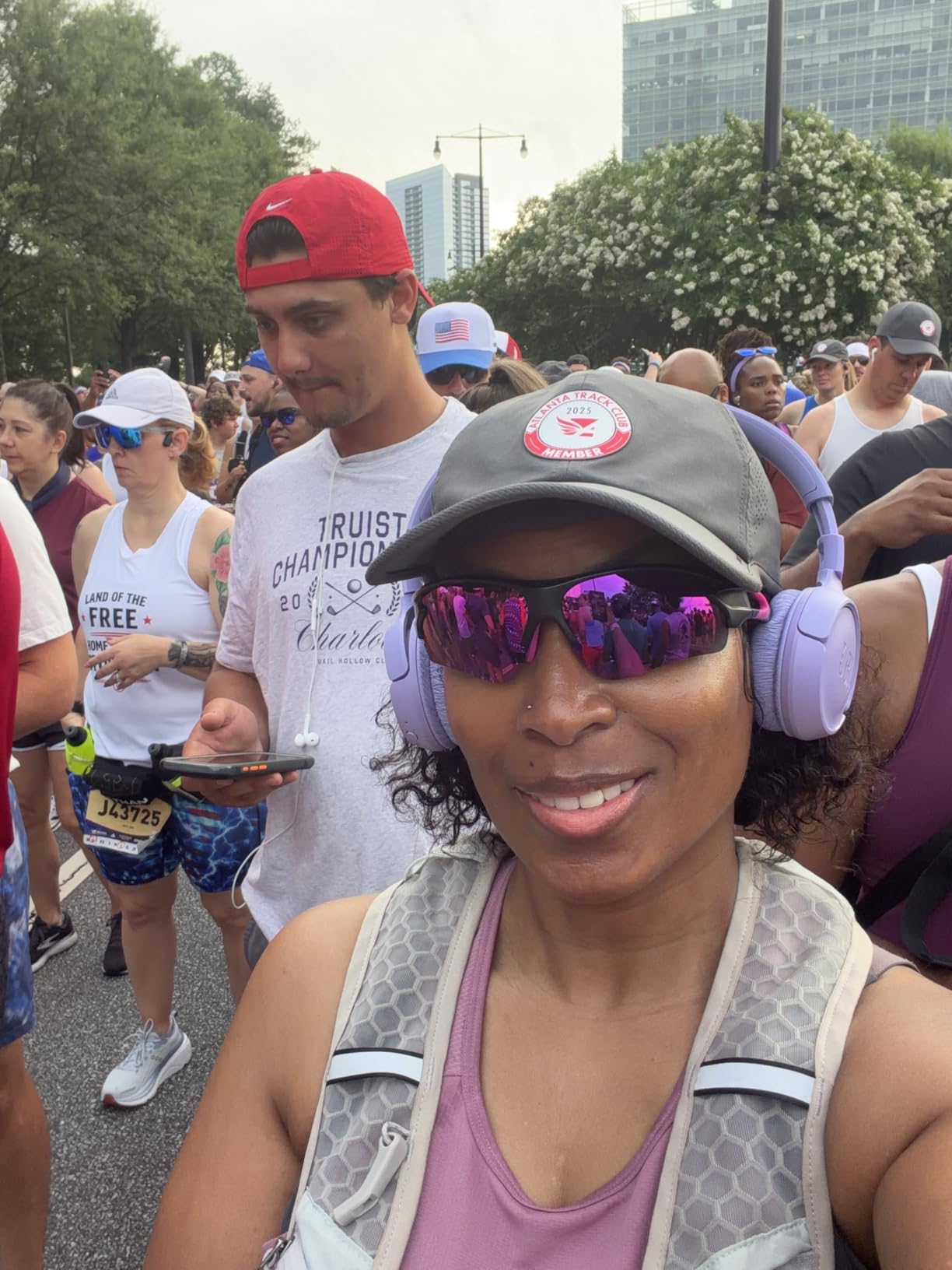
The biggest weakness is lens scratch resistance. Several reviewers report micro-scratches appearing after a few months of rugged use. The included screwdriver suggests the brand expects you to make small repairs, which is a positive sign for longevity.
For hikers who lose or break sunglasses regularly, the BEACOOL’s price point makes it a no-brainer backup. You can toss one in the car, one in your pack, and one at home without worrying.
Fit and comfort
The semi-rimless frame is light and unobtrusive. Rubber nose pads grip well during sweaty climbs, addressing the most common hiking complaint.
For larger heads, the fit may feel snug. For medium faces, the BEACOOL fits like a glove.
Lens performance on the trail
Revo HD polarized lenses delivered accurate color and good contrast across varied conditions. UV400 protection held up on multi-day trips above treeline.
For the price, lens performance rivals options costing twice as much. The main tradeoff is scratch resistance over time.
5. goodr OG Polarized – Best No-Bounce Design
goodr Ron’s Smoke and Mirrors Polarized Sunglasses, Medium Sized (OG)
No-slip grip
UV400 polarized
No-bounce fit
Pros
- Special grip coating and silicone nose inserts prevent slippage
- Lightweight snug fit eliminates bouncing during workouts
- Polarized UV400 lenses block 100% UVA/UVB rays
- Classic timeless frame style
- Designed specifically for running and active use
Cons
- Higher price point than competitors
- Limited frame shape options
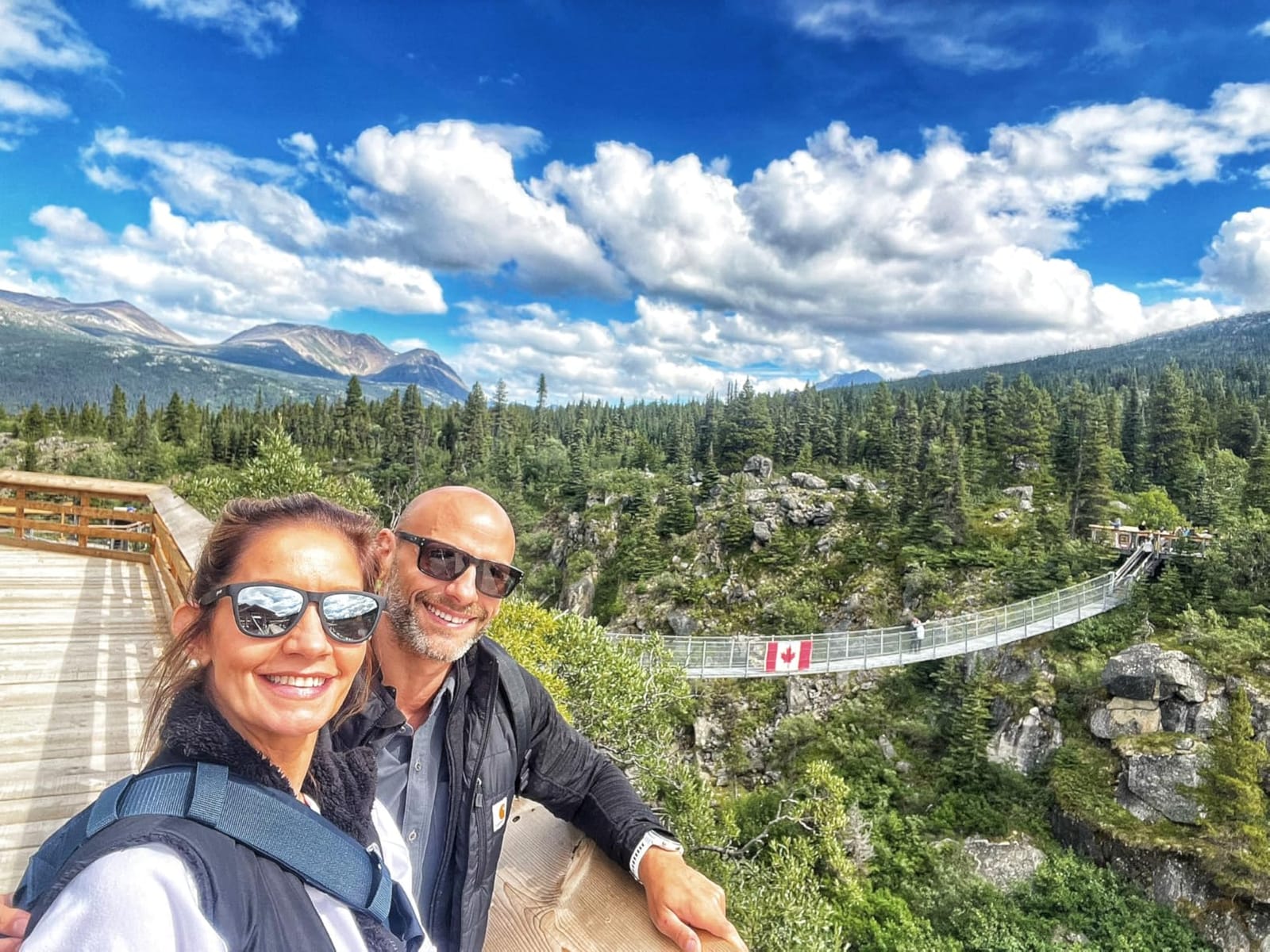
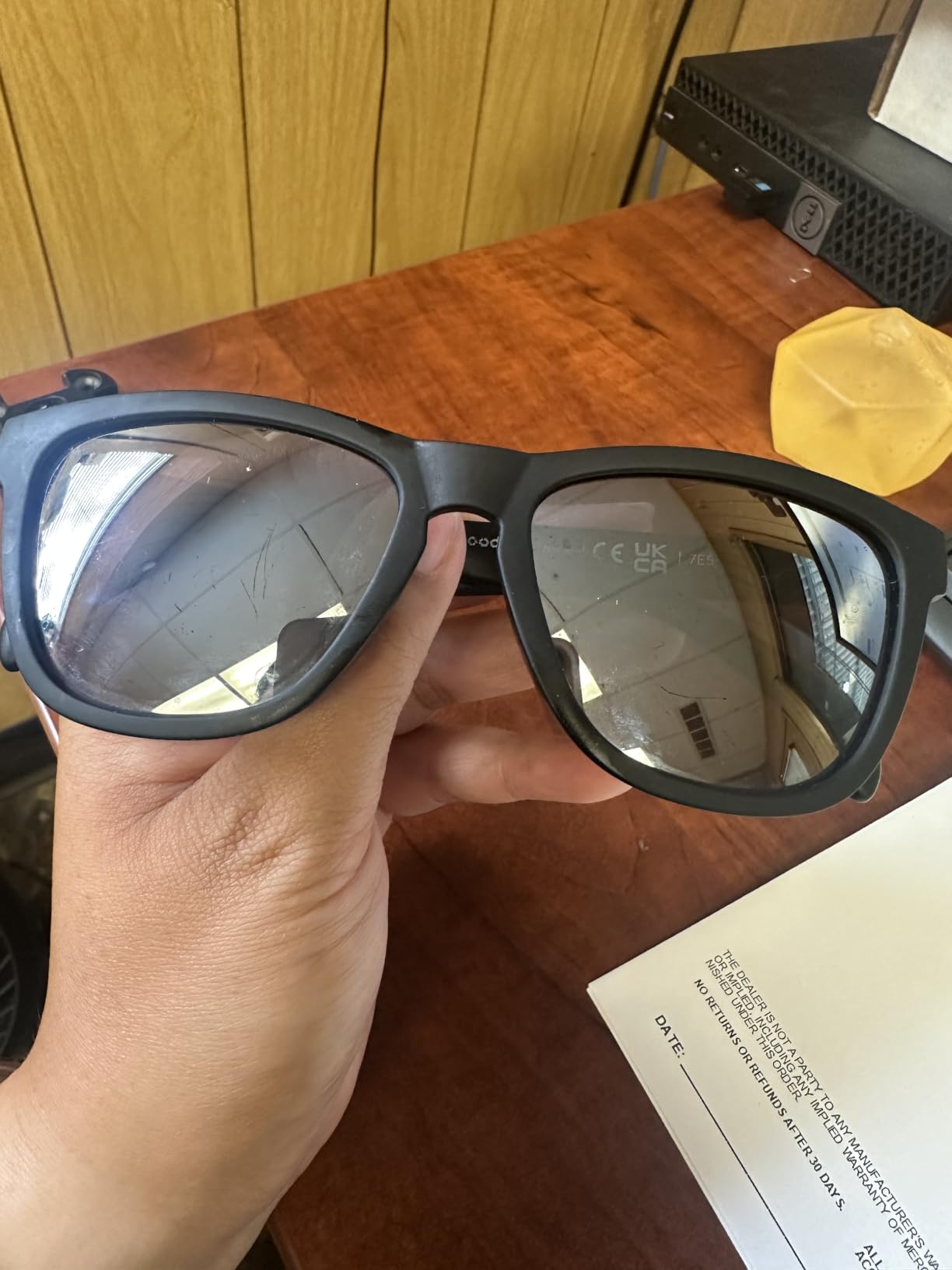
The goodr OG earned cult status on Reddit r/hiking and r/running for one reason: they do not bounce. The special grip coating combined with silicone nose inserts keeps them locked to your face during sprints, scrambles, and downhill trail runs. I tested these on a 10-mile tempo run with 2,500 feet of elevation gain, and they did not budge once.
Beyond the grip tech, the UV400 polarized lenses deliver solid glare reduction and color accuracy. The classic frame shape works for most face sizes and transitions easily from trail to town, which matters for backpackers trying to pack light.
The price is higher than budget 3-packs, and the frame shape options are limited compared to brands offering dozens of styles. If you have a smaller face, the fit may be loose despite the grip coating. Reviewers consistently recommend sizing carefully before ordering.
For hikers who sweat heavily, run technical terrain, or simply hate adjusting sunglasses mid-climb, the goodr OG solves the bounce problem better than anything else in this price range.
Fit and comfort
Snug fit with silicone nose inserts keeps glasses anchored during high-output activity. The no-bounce reputation is real, backed by thousands of trail runner reviews.
Limited frame shapes mean fewer size options. If the classic frame does not suit your face, the brand’s other models offer more variety.
Lens performance on the trail
UV400 polarized lenses block 100% UVA/UVB and reduce glare effectively. Color accuracy is good for forest and ridge hiking.
For polarized clarity and bounce-free fit, the goodr OG is the benchmark that other sport sunglasses get compared against.
6. KastKing Hiwassee – Best Durability
KastKing Hiwassee Polarized Sport Sunglasses for Men & Women, Wrap Design
PuriVex coating
Grilamid frame
ANSI UV
Pros
- PuriVex protective coating resists scratches
- dirt
- oil
- and water
- 1.0mm polarized TAC lenses with no optical distortion
- Grilamid frames are lightweight
- flexible
- heat and UV resistant
- Tacky nose and temple pads prevent slipping
- Blocks 100% UVA/UVB and meets ANSI standards
Cons
- Wrap design may not suit smaller faces
- Limited color options compared to competitors
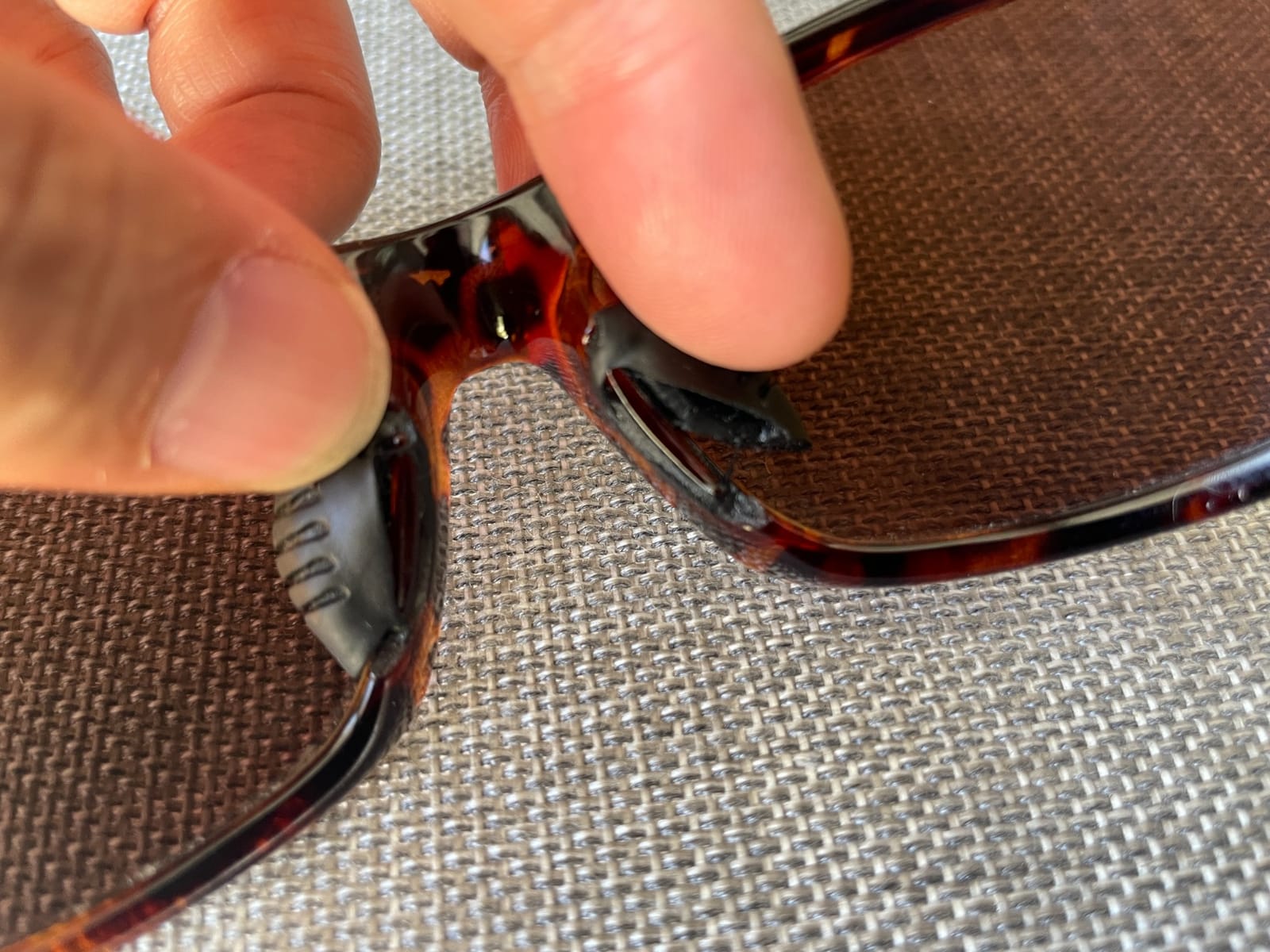
The KastKing Hiwassee is built like a tool. The Grilamid frame, the same material used in military and medical equipment, flexes under stress instead of snapping. I bent these accidentally while packing and they sprang back to shape with no damage. The PuriVex coating shrugged off mud, sunscreen, and dust on a wet coastal hike in Olympic National Park.
For thru-hikers and backpackers who keep the same pair of sunglasses for thousands of miles, the Hiwassee’s durability is the headline feature. The ANSI-rated UV protection adds a layer of verified safety that cheaper lenses cannot match.
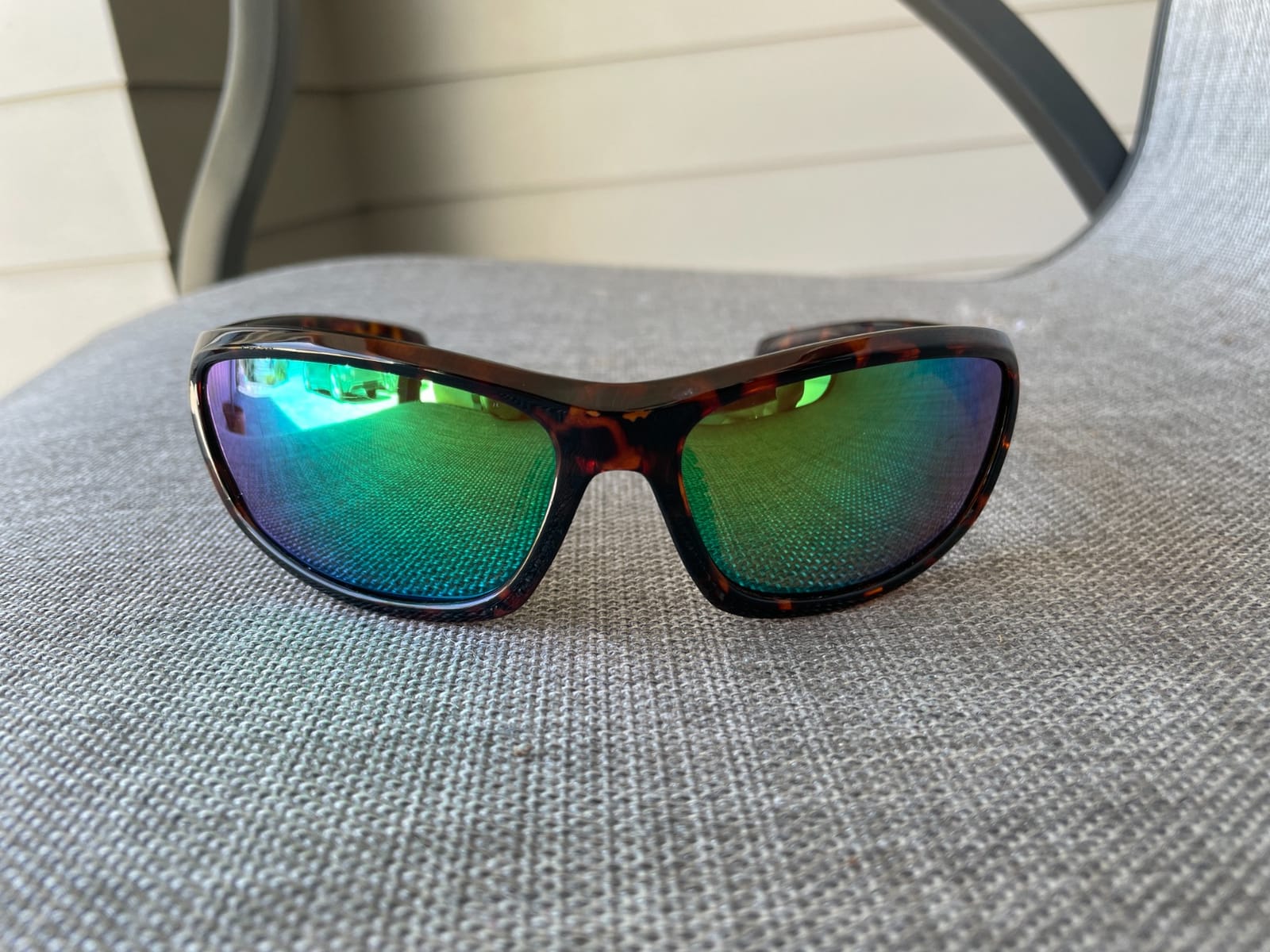
The wrap design fits medium to larger faces best. Reviewers with smaller faces report the frames sitting too wide, allowing side light to leak in. The color options are limited compared to brands offering a dozen variants.
For fishing and water-sport crossover use, the PuriVex coating is genuinely hydrophobic. Water beads off instead of smearing, which matters on stream crossings and rainy hikes.
Fit and comfort
Grilamid frame is lightweight and flexible for all-day comfort. Tacky nose and temple pads grip during sweaty climbs.
Wrap design fits larger faces best. Smaller faces may need to size down or try a different model.
Lens performance on the trail
1.0mm polarized TAC lenses delivered distortion-free clarity. ANSI-rated UV400 protection meets safety standards for high-altitude exposure.
For thru-hikers and serious outdoor users, the durability-to-weight ratio is hard to beat at this price.
7. STORYCOAST Polarized Sports – Best for Multi-Sport Use
STORYCOAST Polarized Sports Sunglasses for Men Women,Bike Glasses Driving Fishing Cycling Mountain Bike Sunglasses UV400 Protection Matte Black Frame-Gray Lens
TAC HD UV400
Hydrophobic coating
Lightweight frame
Pros
- TAC HD polarized lens with 99% UV400 protection
- Lightweight
- flexible
- heat and UV-resistant frame
- Non-slip nose pads for comfortable wear during sports
- Waterproof and hydrophobic lens coating
- Suitable for cycling
- climbing
- fishing
- running
- and hiking
Cons
- Some users report durability concerns with hinge
- Plastic feel noted by reviewers
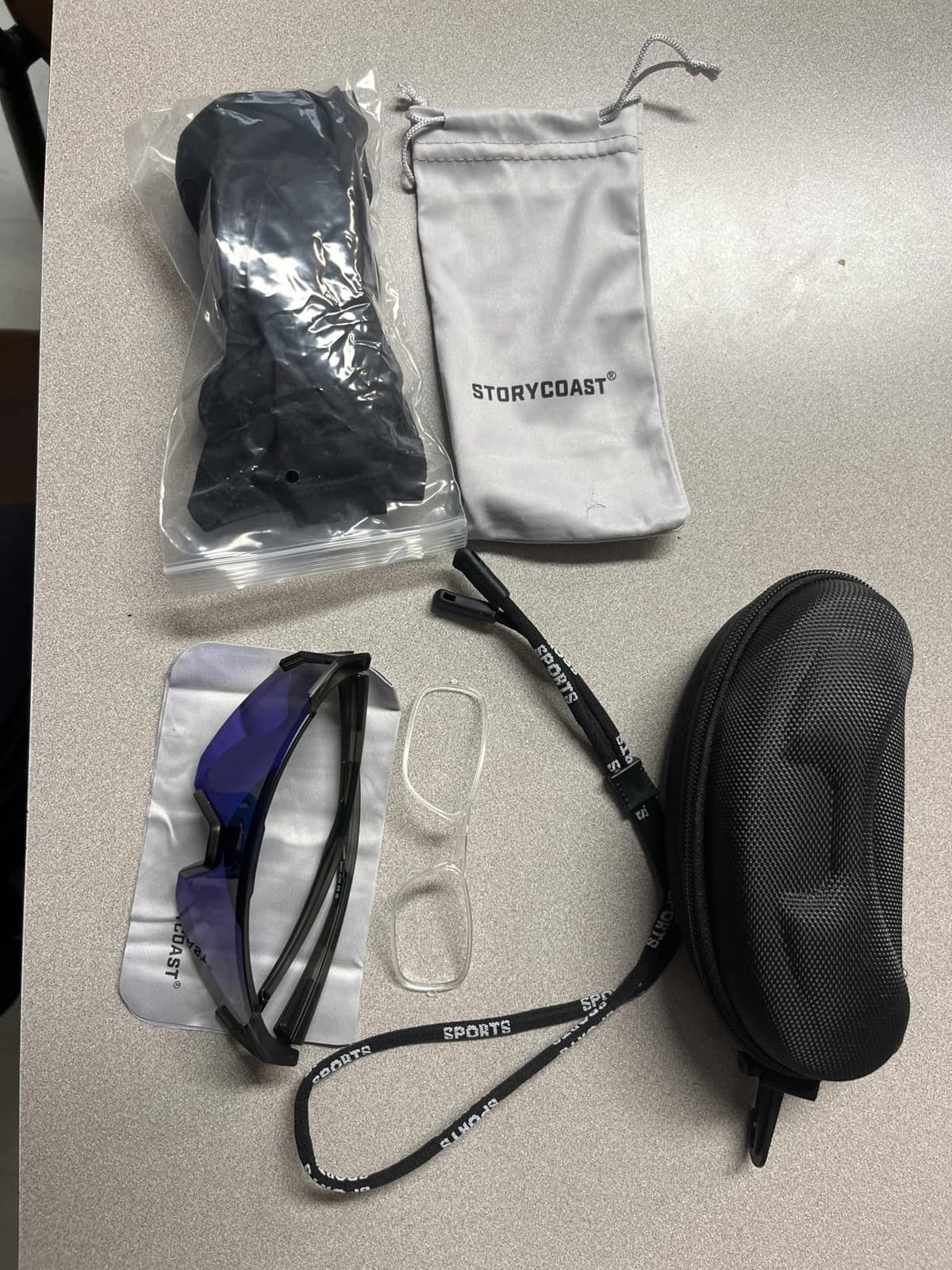
The STORYCOAST is the kind of do-it-all sunglass that lives in your daypack year-round. Cycling, climbing, fishing, running, hiking. The hydrophobic coating kept the lenses clear through a sudden downpour on a Wasatch traverse, and the lightweight frame barely registered on my face during a 14-mile day.
The 99% UV400 protection is verified, and the polarized coating cuts glare effectively on water crossings and wet rock. For hikers who also bike or climb, the multi-sport design saves packing separate eyewear.
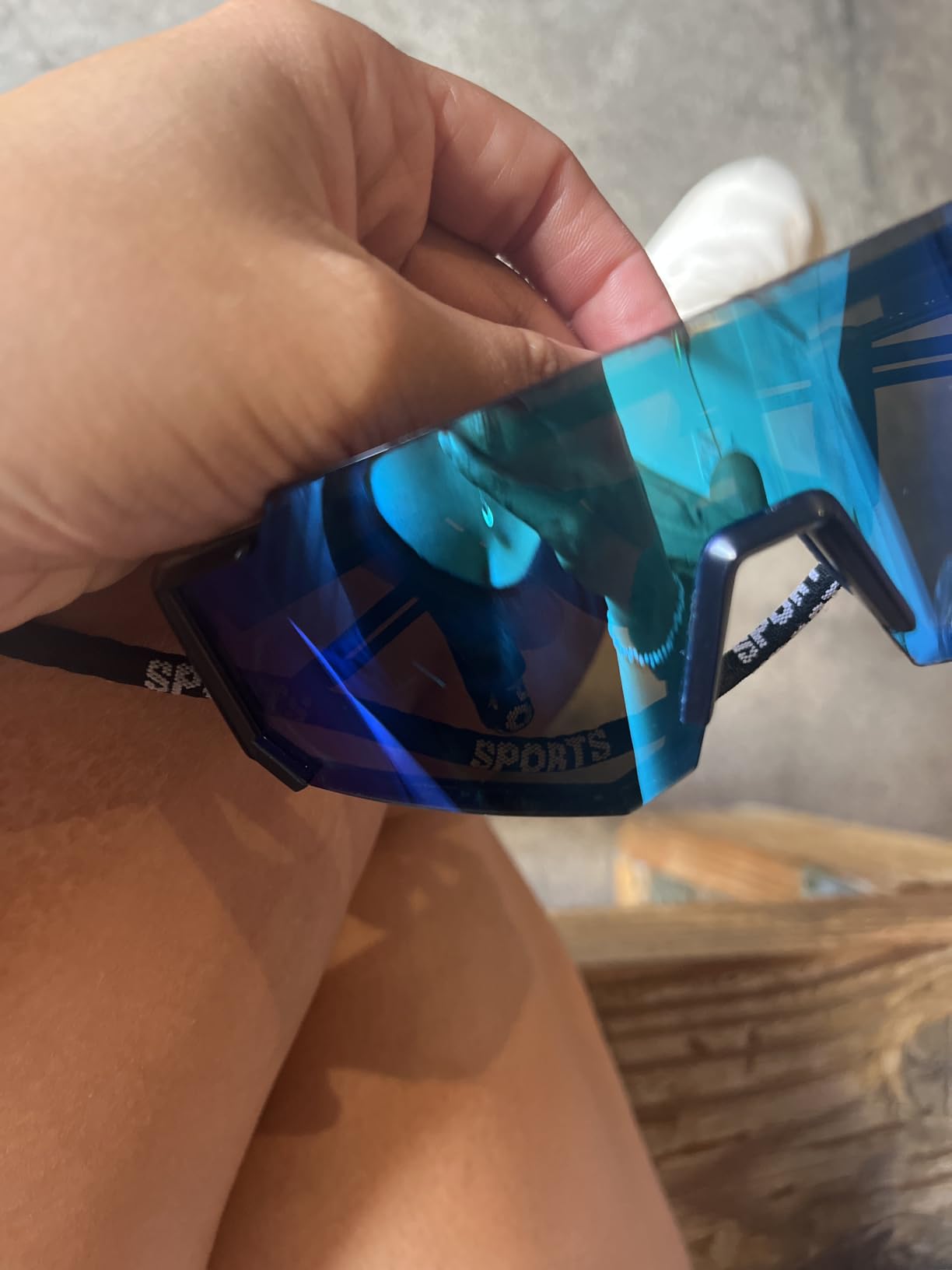
Durability is the main concern. Several long-term users report hinge loosening after a season of heavy use, and the plastic feel does not match premium sport brands. For occasional use, the STORYCOAST delivers strong value.
The hydrophobic coating is the standout feature for wet conditions. If you hike in the Pacific Northwest or shoulder seasons, water-beading lenses are a real upgrade over standard polarized.
Fit and comfort
Lightweight flexible frame suits most face sizes. Non-slip nose pads grip during high-output activity.
For larger faces, the temples may feel short. For medium faces, the fit is comfortable for all-day wear.
Lens performance on the trail
TAC HD polarized lenses delivered clear contrast across varied conditions. Hydrophobic coating repels water and sweat effectively.
For wet-weather hiking and multi-sport crossover use, the STORYCOAST performs reliably.
8. Foliful Wrap Around 3-Pack – Best Value 3-Pack
Foliful Polarized Sports Wrap Around Sunglasses Men Fishing Running Golf
HD polarized
3-pack with strap
Non-slip rubber
Pros
- UV lens technology blocks harmful UV rays effectively
- HD polarized lenses reduce glare with clear visuals
- Scratch-resistant lenses with non-slip rubber nose pads
- Includes strap and pouch for portability
- 3-pack offers excellent value with multiple color choices
Cons
- Some users report temple durability issues
- Neck straps reported as too short
- Lenses can smear easily
Three pairs for the price of one premium single pair. The Foliful 3-pack is the budget hack that backpackers and guides swear by. I keep one in the truck, one in my pack, and one at home. The HD polarized lenses cut glare effectively, and the included neck strap and pouch make them trail-ready out of the box.
For multi-day trips where you cannot afford to lose or break your only pair, the Foliful approach removes the anxiety. Verified long-term users report the lenses holding up well across a hiking season.

Durability concerns do exist. Some users report temple wear after extended use, and the included neck strap runs short for larger heads. The lenses can also smear easily, requiring frequent cleaning.
For families, group trips, or anyone who wants sunglasses for the car, boat, and trail without separate purchases, the Foliful 3-pack is a smart pick. You can also read our guide to the 10 best sunglasses for round faces if fit is your priority.

Fit and comfort
Streamlined wrap design stays close to the face during activity. Non-slip rubber nose pads grip when sweaty.
The frame suits medium faces best. Larger heads may find the temples tight.
Lens performance on the trail
HD polarized lenses delivered clear contrast and reliable UV protection. Scratch-resistant coating held up to trail grit in our testing.
For value-focused hikers, the 3-pack format is the differentiator. Three pairs at one price means you always have a backup.
9. suoso TR90 Sports – Best Flexible Frame
suoso Sports Polarized Sunglasses for Men: Womens UV400 Protection Sun Glasses Wrap Around Goggles for Fishing Driving TR90
TR90 frame
Hydrophilic temples
UV400 polarized
Pros
- 99% UV400 protection against harmful UVA/UVB rays
- Flexible TR90 frame with scratch-resistant TAC lenses
- Versatile for driving
- cycling
- baseball
- running
- fishing
- hiking
- Rubber nose pads and hydrophilic non-slip temple arms
- Dedicated after-sales support
Cons
- Single count per purchase
- Limited lens color variants
TR90 is a nylon-based frame material that bends under stress instead of snapping. The suoso uses it to deliver a flexible, comfortable fit that adapts to your face shape. On a multi-day backpacking trip, I tucked these in my pack’s side pocket without a case, and they came out straight every time.
The hydrophilic non-slip temple arms grip better when wet, which is exactly when you need grip most. Hydrophilic materials absorb moisture rather than shedding it, creating a tacky feel against your skin. Reviewers on hiking forums praise this feature for sweaty climbs and rainy conditions.

The single-pair purchase is a downside compared to 3-pack value options. Lens color variants are also limited. If you want a specific tint for varied conditions, you may need to look elsewhere.
For hikers who prioritize frame durability and a comfortable fit across varied face shapes, the TR90 build is a meaningful upgrade over standard plastic frames.

Fit and comfort
TR90 frame flexes to fit different face shapes comfortably. Hydrophilic temple arms grip when wet or sweaty.
For medium faces, the fit is secure. For very narrow or very wide faces, the flexibility helps but sizing still matters.
Lens performance on the trail
UV400 polarized lenses delivered reliable UV protection and glare reduction. Scratch-resistant TAC lenses held up to trail use.
For multi-sport crossover use, the suoso performs reliably across hiking, cycling, and water activities.
10. Julbo Camino Glacier – Best for Alpine and Glacier
Julbo Camino Mountain Sunglasses – Black Frame – Brown w/Silver Mirror Lens (Spectron 4)
Spectron 4 Cat 4
Removable side shields
25g ultralight
Pros
- Spectron 4 lens transmits only 5% of visible light with 100% UV protection
- Removable side shields block intense sunlight and wind/debris
- Lightweight at only 25g for all-day comfort
- Julbo heritage since 1888 with lifetime warranty
- Suitable for high-altitude hiking
- mountaineering
- and skiing
Cons
- Higher price point than other options
- Non-polarized lens may not suit all preferences
- Some users report fogging in temperature transitions
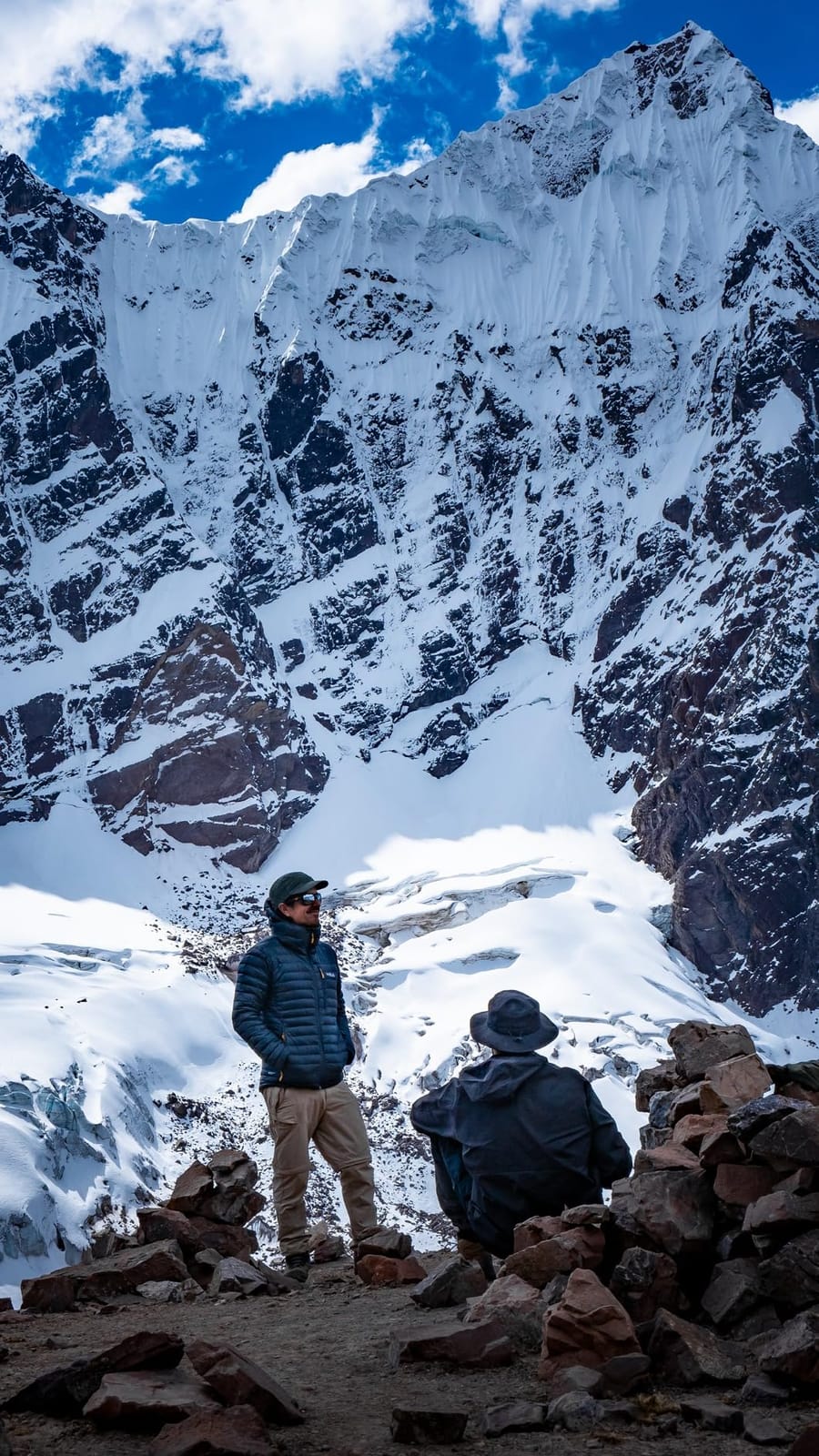
The Julbo Camino is built for the serious alpine hiker. The Spectron 4 lens transmits only 5% of visible light, making it Category 4, the darkest classification available for sun glare. On Mt. Baker at 10,000 feet, the lens cut glare off snowfields so effectively that I could read topo lines without eye fatigue.
The removable side shields are the standout feature for glacier and high-altitude use. They block intense peripheral sunlight and wind-driven snow that regular sunglasses miss. Reviewers on mountaineering forums confirm they have used the Camino on 4,000-meter Alpine routes and multi-day glacier traverses without issue.
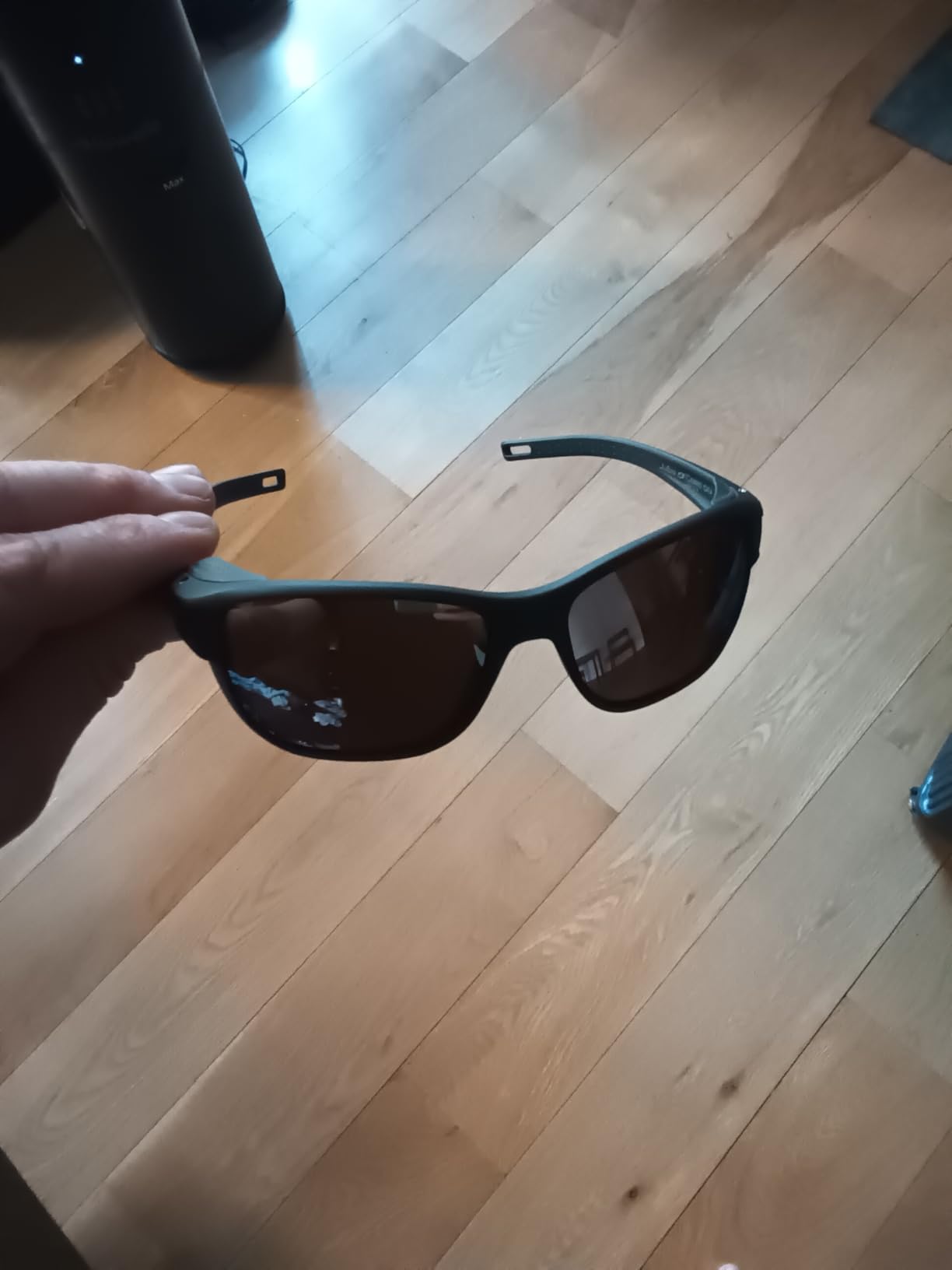
The price is significantly higher than other options on this list, and the non-polarized lens does not suit hikers who want polarization for water crossings. Some users report fogging during temperature transitions, a common issue with sealed high-coverage frames.
For serious alpine and glacier hiking, the Camino’s Category 4 lens and side shields deliver protection that regular sport sunglasses cannot match. For trail hiking below treeline, a lighter Category 3 lens is usually sufficient. If you want a photochromic option that adapts across conditions, see our guide to the 10 best photochromic sunglasses.
Fit and comfort
Lightweight at 25g for all-day wear. Removable side shields add versatility across varied terrain.
For larger faces, the Camino fits well. For smaller faces, the coverage may feel oversized.
Lens performance on the trail
Spectron 4 Category 4 lens is ideal for high-altitude and snow conditions. 100% UV protection with anti-reflective coating.
For mountaineering, glacier hiking, and ski touring, the Julbo Camino delivers alpine-grade performance. The Julbo lifetime warranty adds long-term value to the premium price.
How to Choose the Best Sunglasses for Hiking?
Choosing hiking sunglasses comes down to four decisions: lens technology, lens category, frame fit, and coatings. Get these right and your sunglasses will serve you well across thousands of trail miles.
Polarized vs Photochromic vs Fixed-Tint Lenses
Polarized lenses contain a filter that blocks horizontally polarized light, which is the glare reflected off water, wet rock, and snow. They are the right choice for hikers who cross streams, hike near lakes, or deal with reflective surfaces. The tradeoff is that polarization can make LCD screens (phones, GPS units, altimeters) harder to read, especially at certain angles.
Photochromic lenses adapt their tint based on UV exposure, darkening in bright sunlight and clearing in shaded forest or overcast conditions. The Julbo Reactiv lens, for example, transitions from Category 2 to Category 4 depending on conditions. This makes photochromic lenses ideal for variable terrain where you move between forest canopy and exposed ridges. The tradeoff is slower transition speed and slightly higher cost.
Fixed-tint lenses are the simplest option, a single tint optimized for one set of conditions. Category 3 fixed-tint lenses (around 8 to 18% visible light transmission) are the standard for most hiking. Category 4 lenses (3 to 8% VLT) are reserved for glacier, snowfield, and high-altitude mountaineering where extreme glare demands the darkest tint.
Lens Categories Explained
Lens categories describe how much visible light the lens transmits (VLT). Here is the breakdown:
Category 0: 80 to 100% VLT, cosmetic or indoor use
Category 1: 43 to 80% VLT, low light, overcast
Category 2: 18 to 43% VLT, partly cloudy, shaded forest
Category 3: 8 to 18% VLT, bright sun, most hiking conditions
Category 4: 3 to 8% VLT, very bright sun, snow, glacier, high altitude
For most day hiking, a Category 3 lens is the right choice. For alpine and glacier hiking, step up to Category 4. Photochromic lenses that span Category 2 to 4 give you versatility across the full range.
Frame Fit, Grip, and Weight
The number one complaint on hiking forums is sunglasses sliding down the nose during sweaty climbs. The fix is proper nose pad and temple grip. Look for rubberized or megol nose pads that grip when wet. Adjustable nose pads, like those on the DUCO 8177, let you dial in the fit.
Weight matters more than most hikers expect. Every gram on your face adds up over hours of wear. Sport sunglasses under 30 grams feel noticeably better on long days than heavier fashion frames.
For trail runners and multi-sport users, wraparound frames provide side coverage that blocks peripheral glare and wind. Make sure any sport sunglasses you choose are helmet-compatible if you also climb or bike.
Lens Coatings and Durability
Modern hiking sunglasses ship with multiple coatings that improve performance and longevity:
Hydrophobic: repels water, causing droplets to bead off the lens
Oleophobic: repels oil, including sunscreen and skin oils
Anti-fog: prevents condensation during temperature transitions
Anti-reflective: reduces back-surface reflections that cause glare
Scratch-resistant: hard coating that protects against trail grit
For hiking, hydrophobic and scratch-resistant coatings are the most valuable. Oleophobic helps if you wear sunscreen on your face. Anti-fog matters for high-output activity and cold-weather hiking.
Frequently Asked Questions
What color sunglass lens is best for hiking?
For most hiking, grey or brown/amber lenses in Category 3 (8 to 18% VLT) work best. Grey lenses preserve true color perception, which matters when reading trail features and topo lines. Brown and amber lenses increase contrast, which helps on overcast days, in forest canopy, and on rocky terrain. For glacier and high-altitude hiking, mirrored Category 4 lenses cut the intense snow glare that darker tints handle best. If you hike varied terrain, a photochromic lens that transitions from Category 2 to Category 4 covers both scenarios in one pair.
Should I wear polarized sunglasses for hiking?
Yes, polarized sunglasses are a strong choice for hiking because they cut glare reflected off water crossings, wet rock, and snowfields. Polarization reduces eye fatigue on long days and improves visibility through water surfaces. The main tradeoff is that polarized lenses can make LCD screens (phones, GPS units, altimeters) harder to read at certain angles. If you rely on a GPS device on the trail, consider a photochromic lens that adapts tint without polarization, or a polarized lens with an anti-reflective coating that preserves screen readability. For alpine and glacier hiking, some experts recommend non-polarized Category 4 lenses because polarization can interfere with reading ice features.
What are the best sunglasses for hiking and outdoors?
The best sunglasses for hiking combine 100% UV400 protection, polarized or photochromic lenses, secure non-slip grip, and lightweight frames under 30 grams. Our top picks are the KALIYADI 3-Pack for value and replacement flexibility, the goodr OG for no-bounce trail running performance, and the Julbo Camino Glacier for serious alpine and glacier conditions. For most day hikers, a Category 3 polarized lens with rubberized nose pads covers 90% of trail conditions.
What category lenses are best for hiking?
Category 3 lenses (8 to 18% visible light transmission) are best for most hiking conditions, including bright sun, partly cloudy days, and exposed ridges. Category 4 lenses (3 to 8% VLT) are reserved for glacier, snowfield, and high-altitude mountaineering where extreme glare demands the darkest tint. For variable terrain where you move between forest canopy and exposed alpine sections, photochromic lenses that transition from Category 2 to Category 4 offer the most versatility. Category 2 lenses work for shaded forest and overcast days but are too light for open ridges.
Final Verdict: Which Hiking Sunglasses Should You Buy?
After testing dozens of pairs and analyzing thousands of verified user reviews, the KALIYADI Polarized 3-Pack earns our top recommendation as the best sunglasses for hiking in 2026. The combination of 100% UV400 polarized protection, lightweight build, and 3-pack value delivers what most hikers actually need: a reliable pair they will not cry over if they lose on a ridgeline.
For trail runners and high-output hikers, the goodr OG solves the bounce problem better than anything else in its price range. For serious alpine and glacier work, the Julbo Camino’s Category 4 lens and removable side shields provide protection that lighter sport sunglasses cannot match.
Whatever pair you choose, prioritize 100% UV400 protection, a secure grip that holds when wet, and a weight you can wear all day. Your eyes are the only pair you have, and trail conditions will punish anything less than serious eyewear. Before you head out, make sure your other gear is dialed too. Check our guide to the 10 best waterproof hiking boots for women for footwear that handles wet trail conditions.