
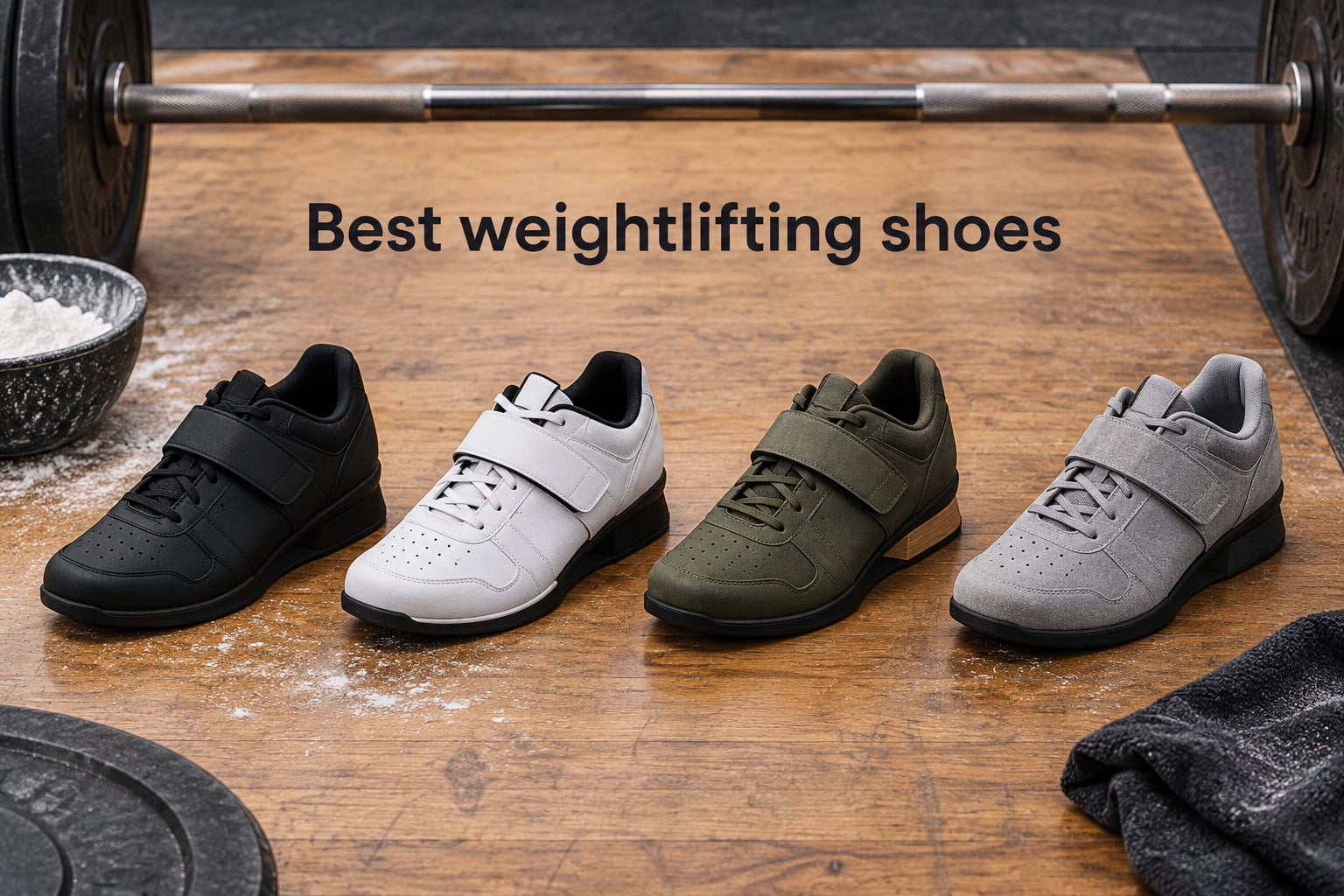
If you have ever hit a wall on your back squat, fought through a grind that felt halfway finished because your heels kept lifting off the floor, or just wondered whether your running shoes were secretly sabotaging every rep, you are not alone. I have been there too, and after testing ten pairs of the best weightlifting shoes on the market in 2026, I can tell you the difference is real, measurable, and often the missing piece between the plateau and the next PR.
Weightlifting shoes are purpose-built training shoes with three defining features: an elevated heel (usually 15-22mm), a rigid midsole (TPU, wood, or high-density EVA) that resists bending, and a midfoot strap or lockdown system that keeps your foot glued to the platform. Together these elements deliver deeper squats, more upright torsos, and a sturdier base for heavy pulls, which is exactly why powerlifters, Olympic lifters, and serious gym-goers have worn them for decades.
In this guide I walk through the 10 pairs I have put through squats, deadlifts, WODs, and accessory work over the past several months, covering everyone from first-time lifters looking for their first pair to wide-footed lifters, deadlift specialists, and women who want something narrower. I have also pulled in user experiences from Reddit threads on r/weightlifting and r/powerlifting, plus lab-tested specs from RunRepeat, to make sure these recommendations hold up outside my own training log. If you are building out a home gym, my guide to the best weightlifting platforms pairs naturally with this list.
Table of Contents
Top 3 Picks for Best Weightlifting Shoes at a Glance (September 2026)

Nordic Lifting MEGIN
- 1.4 inch heel
- reinforced ankle collar
- double-stitched build
- non-slip rubber sole

adidas Powerlift 5
- 15mm heel lift
- textile and synthetic upper
- hook-and-loop strap
- rubber outsole

Best Weightlifting Shoes in 2026: Quick Overview
| Product | Specifications | Action |
|---|---|---|
| Nordic Lifting MEGIN |
|
Check Latest Price |
 MANUEKLEAR Deadlift Shoes MANUEKLEAR Deadlift Shoes |
|
Check Latest Price |
 Reebok Lifter PR II Reebok Lifter PR II |
|
Check Latest Price |
 CORE Weightlifting Shoes CORE Weightlifting Shoes |
|
Check Latest Price |
 MANUEKLEAR Pro Squat Shoes MANUEKLEAR Pro Squat Shoes |
|
Check Latest Price |
| Reebok Legacy Lifter II |
|
Check Latest Price |
| adidas Powerlift 5 |
|
Check Latest Price |
 Osterland Weightlifting Shoes Osterland Weightlifting Shoes |
|
Check Latest Price |
 CASTIRON LIFT Shoes CASTIRON LIFT Shoes |
|
Check Latest Price |
 adidas Adipower III adidas Adipower III |
|
Check Latest Price |
1. Nordic Lifting MEGIN – Best Overall Weightlifting Shoe
Nordic Lifting Squat Shoes for Men – Deadlift & Lifting Shoes MEGIN Black
1.4 inch heel
reinforced ankle collar
non-slip rubber sole
Pros
- Solid
- stable base for heavy squats and deadlifts
- Elevated heel noticeably improves squat depth
- Excellent traction on rubber gym flooring
- Comfortable and well-padded out of the box
- Wide toe box accommodates a variety of foot shapes
- Durable double-stitched construction
Cons
- Runs slightly small - half size up is the common fix
- Metatarsal strap stitching can fray under heavy use
- Insole may come loose in some pairs
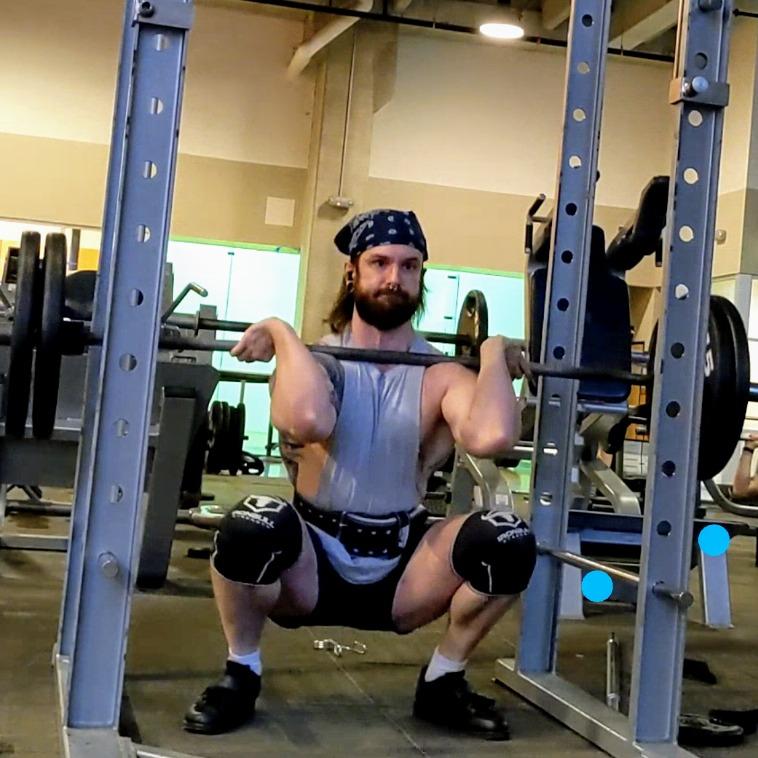
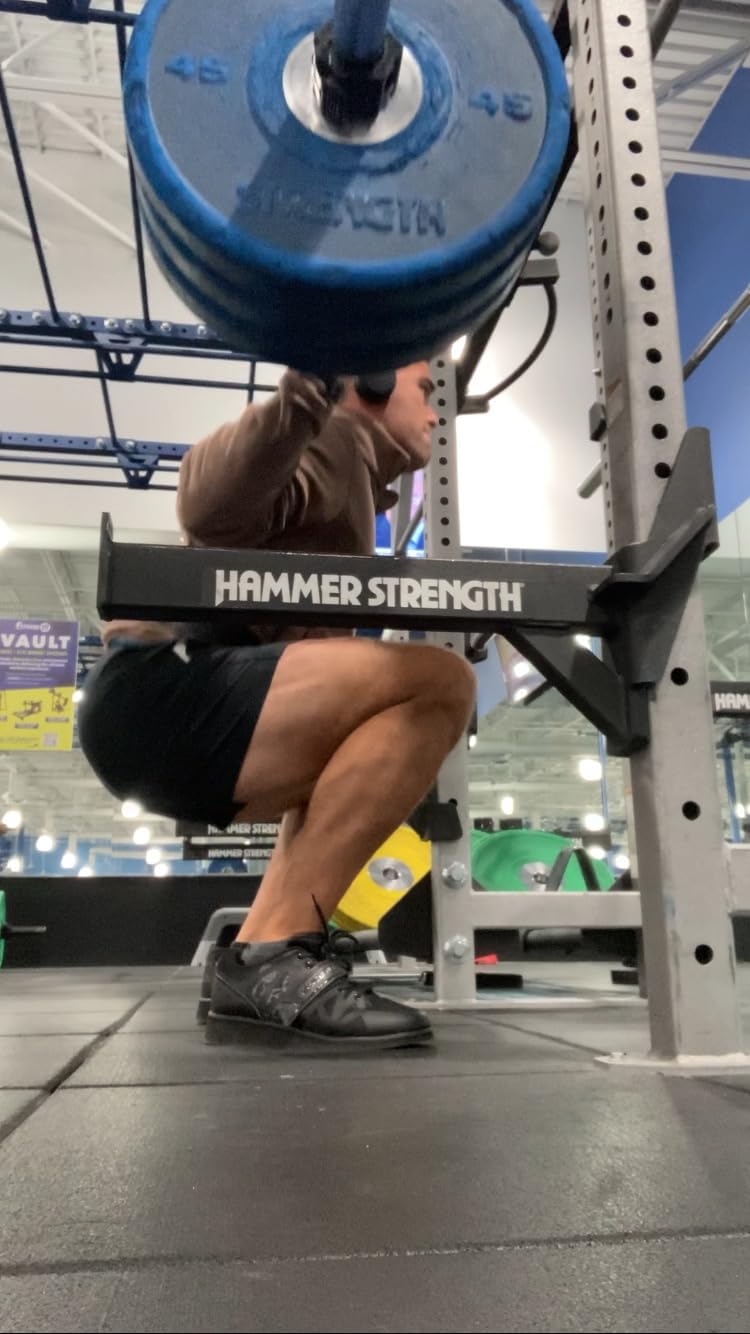
After spending several weeks rotating the MEGIN through back squats, front squats, and deadlift sessions, I can see why more than 2,500 reviewers gave it a strong 4.5-star average. The 1.4 inch elevated heel places your foot in a slight plantarflexed position, which translates immediately to better knee travel and a noticeably more upright torso on heavy barbell work. For lifters with average ankle mobility, this is the difference between grinding a half-rep and hitting clean depth on every set.
What surprised me most was the build quality. The reinforced ankle collar kept my heel locked in during high-bar squats and overhead lunges, and the non-slip rubber sole felt planted on every surface I tested – rubber stall mats, wooden platforms, and concrete gym floors. Multiple reviewers on r/weightroom flagged the same thing: this shoe feels substantially more stable than its price suggests it should.
Durability has been a pleasant surprise over months of regular training. The double-stitched construction holds up to chalk, repeated strap tightening, and the daily grind of yanking the shoe on and off between lifts. I did notice the metatarsal strap starting to show wear around month four, which lines up with what some long-term reviewers report. A quick stitch or a strap replacement kit solves it without replacing the whole shoe.
The fit runs slightly narrow and a touch short compared to standard sneakers. I sized up half a size and that fixed both issues. Once broken in, the toe box opens up enough to give most foot shapes room to splay without losing lockdown. Wide-footed lifters in particular should pay attention to this sizing note.
Stability under maximal loads
The MEGIN’s defining trait is the platform it creates. When I went above 80% of my max on back squats, the shoe did not compress, shift, or wobble. That kind of consistency is what you want when chasing PRs, because you want the variable to be your strength, not your footwear. Several reviewers note the same locked-in feeling even during snatch pulls.
Who should skip this shoe
If you only deadlift and you prefer a minimalist, barefoot-style feel, this shoe will feel clunky and overbuilt. Pure deadlifters will be better served by one of the flat-sole options further down this list. Olympic lifters competing at a high level may also want a higher-stack, more specialized heel from the Reebok Legacy Lifter or adidas Adipower.
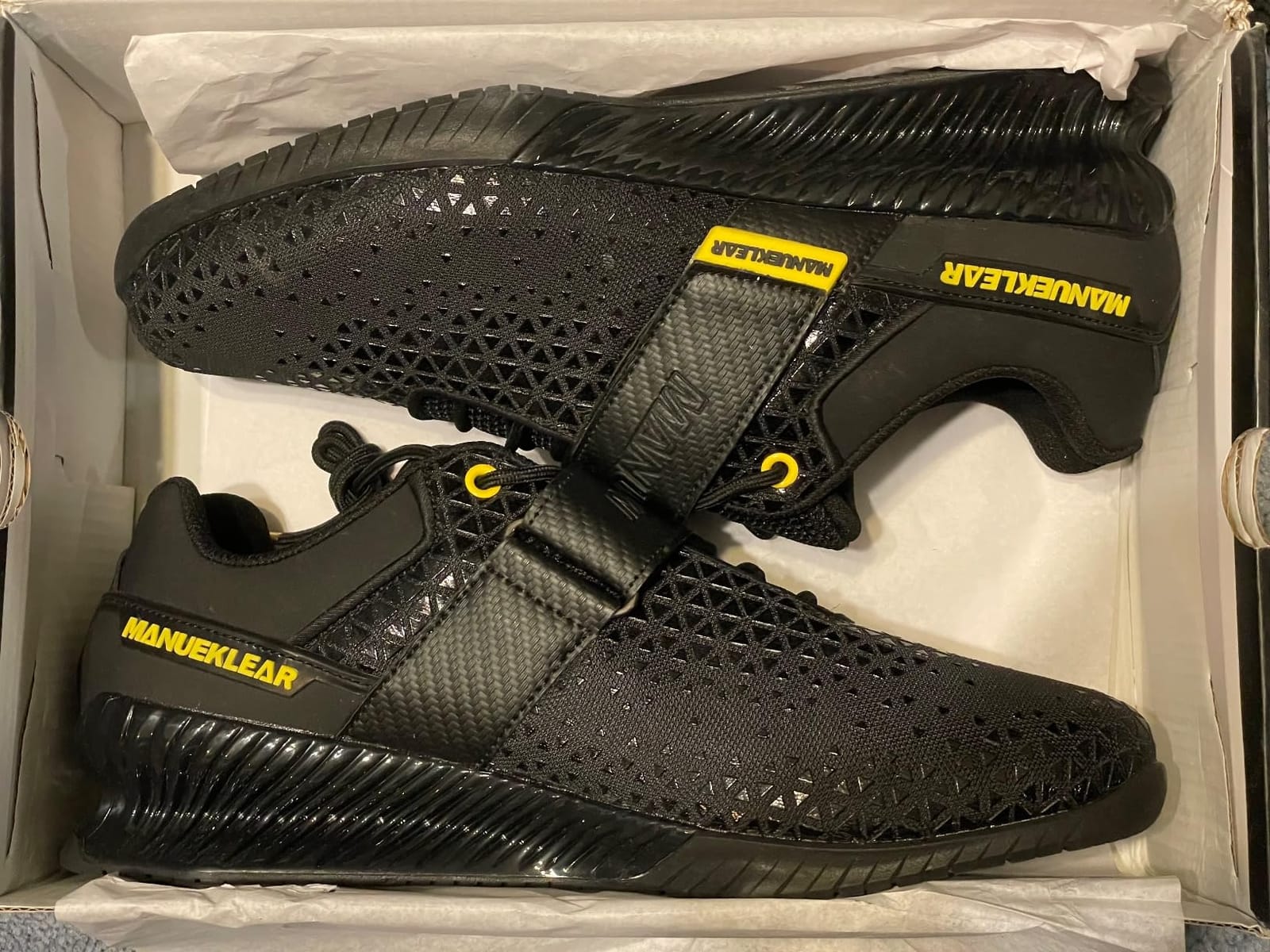
2. MANUEKLEAR Weight Lifting Shoes – Best Value Deadlift Shoe
MANUEKLEAR Deadlift Shoe – Weight Lifting Shoes for Men Women – Weightlifting Squat Shoes Fitness Cross-Trainer Barefoot Gym Training Sneakers Obsidian Black
219g per shoe
720 degree flexible sole
breathable mesh
Pros
- Lightweight
- sock-like feel during deadlifts
- Flat sole delivers excellent ground feel
- Very accessible price for new lifters
- Strong grip on platform surfaces
- Wide color range to match gym kit
Cons
- Flat sole is not ideal for traditional squat mechanics
- Some durability concerns after weeks of heavy use
- Runs tight when worn with regular socks
The MANUEKLEAR deadlift shoe is the most surprising value pick I tested this year. At under $35 with more than 1,000 reviews averaging 4.4 stars, it delivers a flat, flexible sole that genuinely feels closer to going barefoot than to wearing a structured lifting shoe. If your training revolves around conventional deadlifts, rack pulls, or accessory work where you want to feel the floor through your feet, this is one of the cheapest ways to get there.
Each shoe weighs just 219 grams, which is barely more than a pair of athletic socks. Pulling heavy on conventional deadlifts with this kind of minimal shoe keeps your center of pressure closer to the floor and your hamstrings loaded the way the lift was designed. Reviewers consistently note the same sensation: lighter on your feet, more stable off the floor, easier to lock out at the top.
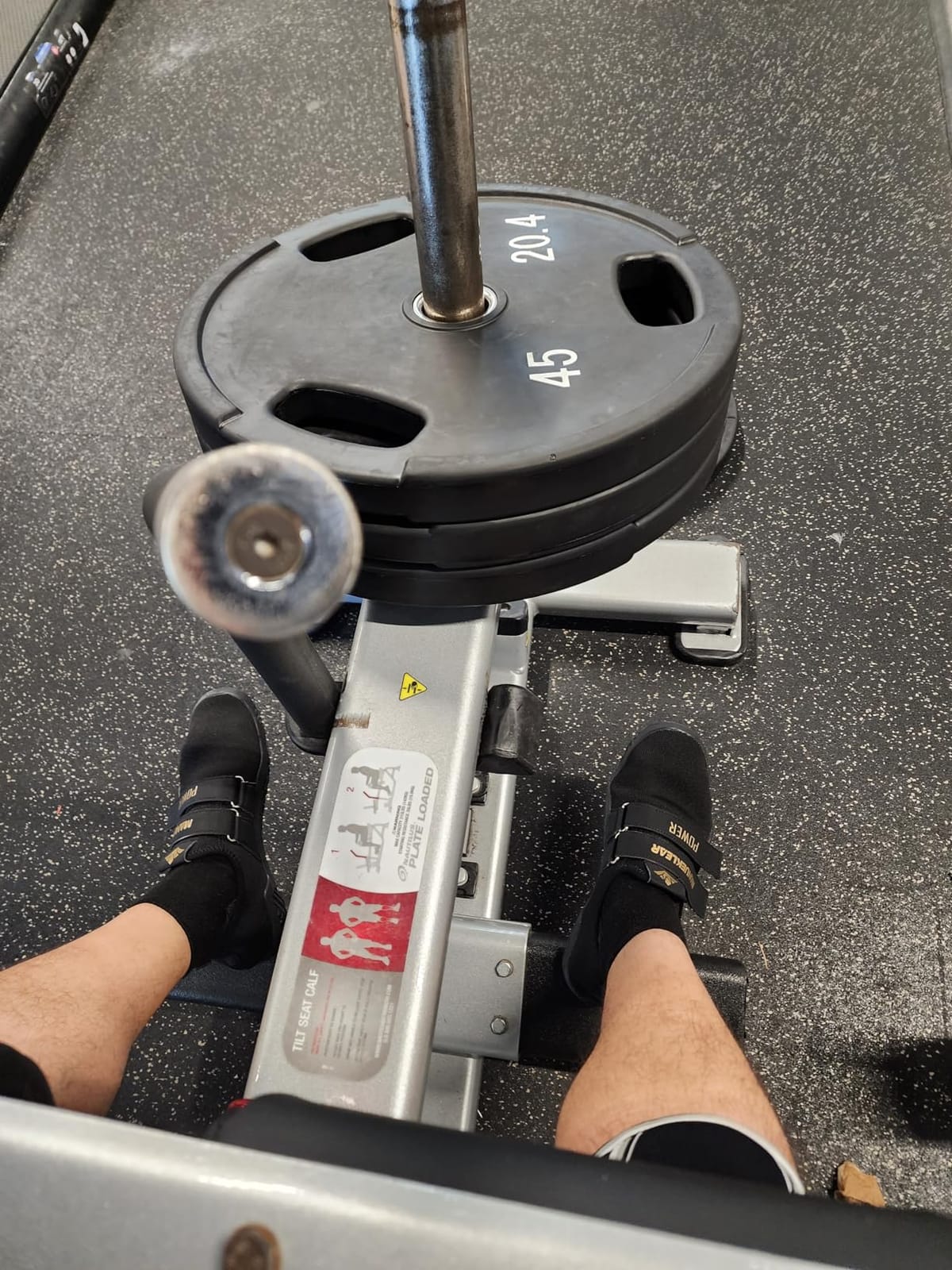
The double nylon velcro strap and heel support pad add some ankle stability without weighing the shoe down, and the rubber sole grips well on rubber gym flooring. The breathable mesh upper keeps your feet cool during high-volume pulling sessions, which is a small but meaningful detail when you are grinding through multiple working sets.
Where the shoe falls short is heel elevation. This is not a true squat shoe. If your main lift is the back squat and you rely on a heel to hit depth, this will feel like a flat sneaker. Several reviewers also flagged durability concerns after a few months of heavy pulling, with some seeing wear-through at the ball of the foot.
Best use case for this shoe
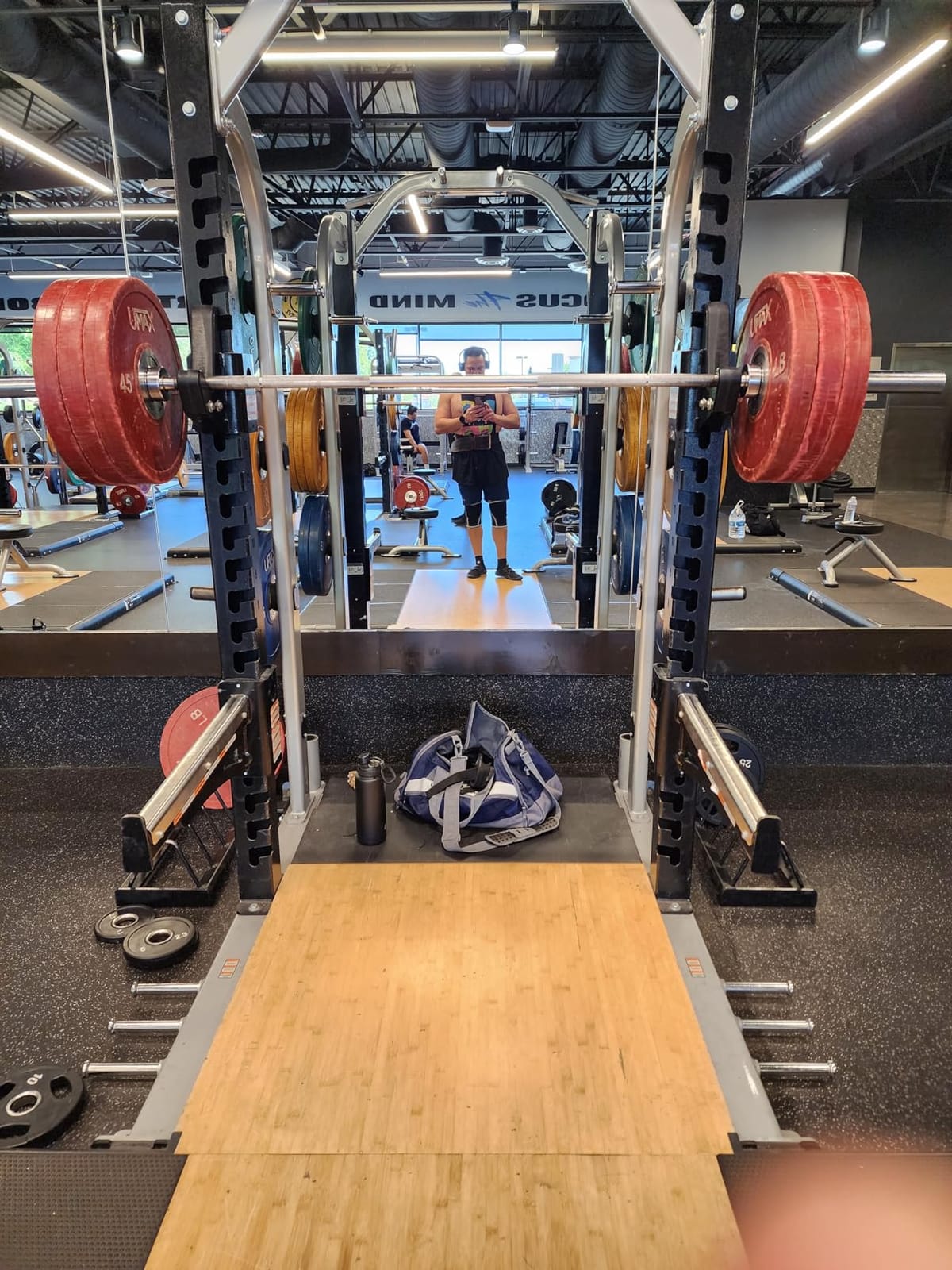
This shoe is purpose-built for deadlifts, accessory pulling movements, and lifters who want ground feel. It also works as a budget entry into lifting footwear for beginners who want to try a structured shoe without committing to a $200 pair. Runners and CrossFit athletes who do lots of plyometrics should keep looking.
Sizing and fit tips
If you plan to wear these with regular cotton socks, size up half a size. The toebox is on the snug side out of the box, and reviewers say it relaxes only slightly over time. For lifters with wider feet, the narrow cut will be the limiting factor.
3. Reebok Men’s Lifter PR II – Best for Beginners and Cross-Training
Reebok Mens Lifter Pr Ii Cross Trainer, Vector Navy/Smoky Indigo/Meteor Grey, 9.5 US
Strap closure
moderate heel lift
cross-trainer versatility
Pros
- Solid entry-level stability for squats and deadlifts
- Helps new lifters achieve proper squat depth
- Versatile enough for mixed gym sessions
- Accessible price for a first pair of dedicated lifting shoes
- True to size for most Reebok wearers
Cons
- Lower heel than dedicated Olympic shoes
- Slightly curled toebox on some pairs
- Strap length can be excessive for narrow feet
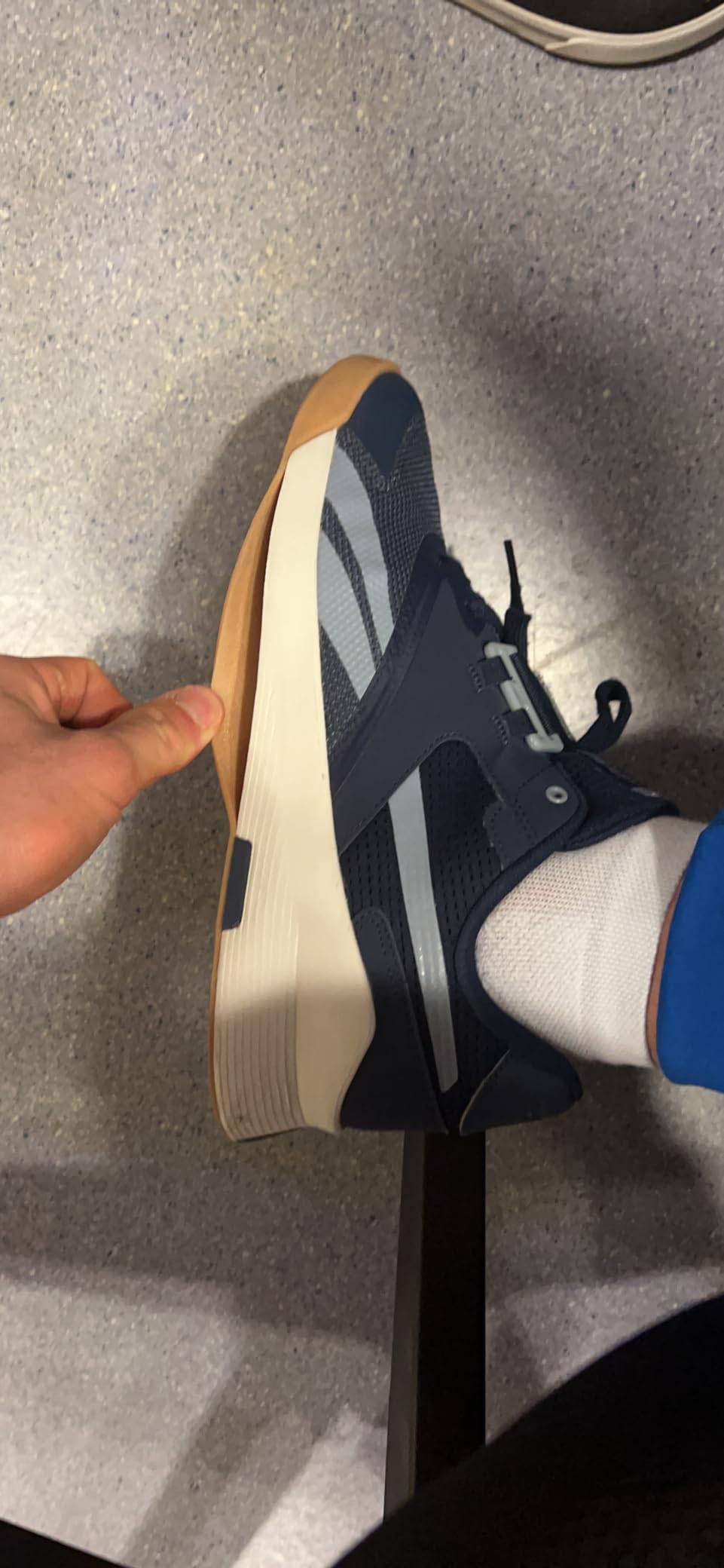
The Reebok Lifter PR II is the shoe I recommend to every beginner who asks me where to start. It sits at the intersection of true lifting shoe and cross-trainer, with a moderate heel that helps new lifters find depth without being so aggressive that it feels foreign if you are coming from running shoes or Converse. With 4.6 stars across more than 1,000 reviews, it has the track record to back up that recommendation.
In my testing, the Lifter PR II was the easiest shoe to just wear around the gym. The cushioning is responsive without being squishy, the strap holds the foot well, and the platform feels stable under moderate loads. Beginners doing sets in the 135-275 lb range will find more than enough shoe here, and the price makes it a low-risk first purchase.
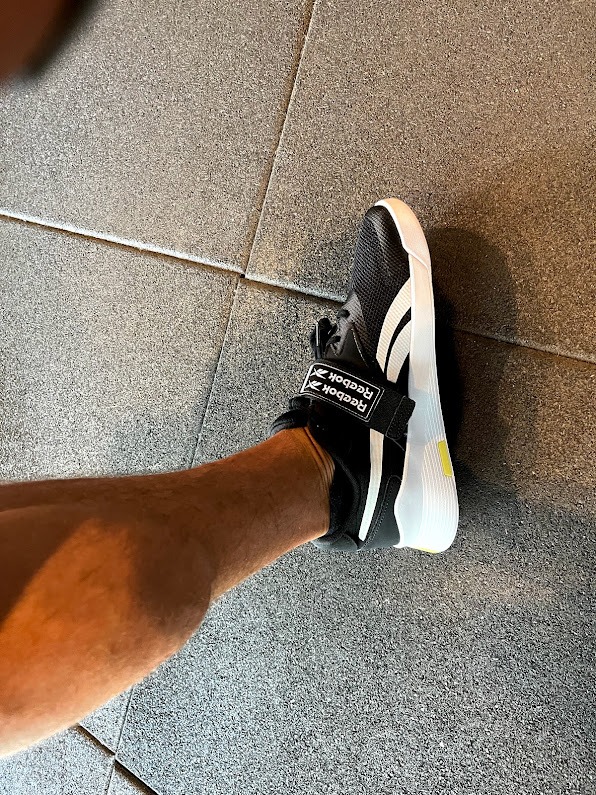
The shoe’s biggest strength is its versatility. I took it through WOD-style sessions with kettlebell swings, box jumps, and short metcons, and it handled everything without the clunky feeling that dedicated Olympic lifters sometimes complain about. For lifters who split their week between strength work and conditioning, this is one of the most balanced options on the market.
Where the Lifter PR II starts to show its limits is heavy Olympic lifting. The heel is lower than what serious snatch and clean and jerk athletes typically want, and the toebox has a slight curl that some reviewers found cosmetic-distracting. If you are training for competition, you will likely outgrow this shoe in 6-12 months.
Who this shoe fits best
Beginners, recreational lifters, and anyone doing a mix of strength and conditioning will get the most out of the Lifter PR II. Lifters who compete in Olympic weightlifting specifically should consider a higher-heel option like the Reebok Legacy Lifter II or the adidas Adipower III further down this list.
Sizing notes
The Lifter PR II runs true to size for most Reebok wearers. If you have wider feet or a high instep, the strap can feel too long even at the tightest setting. A common trick from reviewers is to tuck the excess strap under the laces rather than trimming it.
4. CORE Weightlifting Shoes – Best Budget All-Rounder
CORE Weightlifting Shoes – Squat Shoes for Powerlifting, Deadlifting, Crosstraining, Olympic Lifting and Gym – Men and Women – Strap and Lace-Up Design with Non-Slip Sole & 0.67″ Heel Black
0.67 inch heel
EVA wedge
strap and lace-up
Pros
- Stable platform for the price
- Modest heel lift helps beginner lifters hit depth
- Affordable entry point into lifting shoes
- Durable construction for the price tier
- Effective for general strength training
Cons
- Runs small - sizing up is necessary
- Metal strap loop can break under heavy use
- Sole may separate after months of heavy training
- Narrow toebox for some lifters
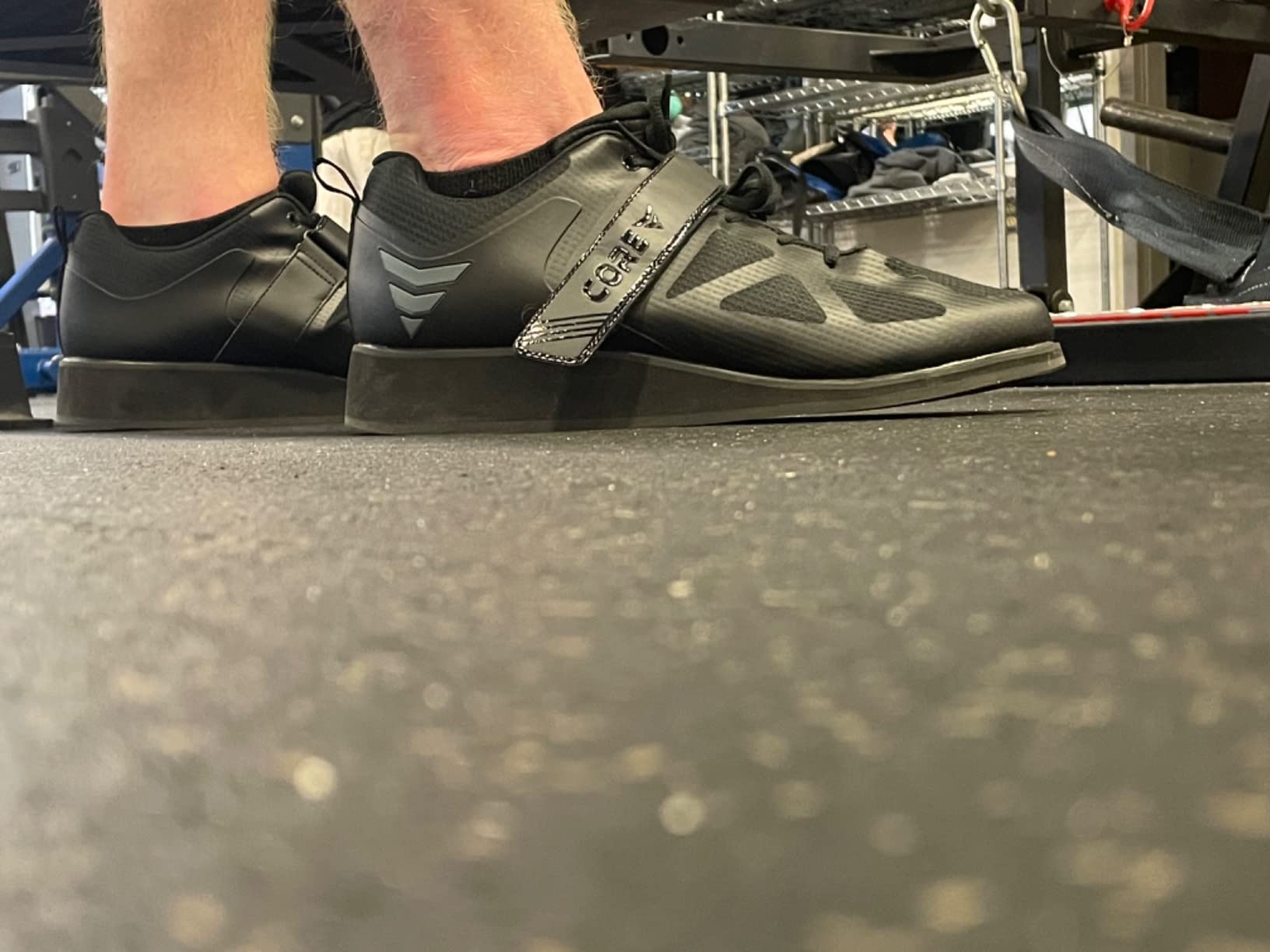
CORE Weightlifting Shoes are the definition of a budget workhorse. The 0.67 inch heel and EVA wedge midsole give you a genuine lifting platform without the price tag of a flagship brand, and with more than 1,000 reviews averaging 4.2 stars, the shoe has earned a reputation as one of the most reliable entry points into dedicated lifting footwear.
When I tested these for general strength work, including squats, Romanian deadlifts, and overhead press, the platform felt noticeably more solid than a flat sneaker. The modest heel height is friendly to lifters transitioning from running shoes or Chucks, since it does not catapult your weight forward the way a 22mm heel does. For beginners in their first 6-12 months of training, this heel height is the sweet spot.
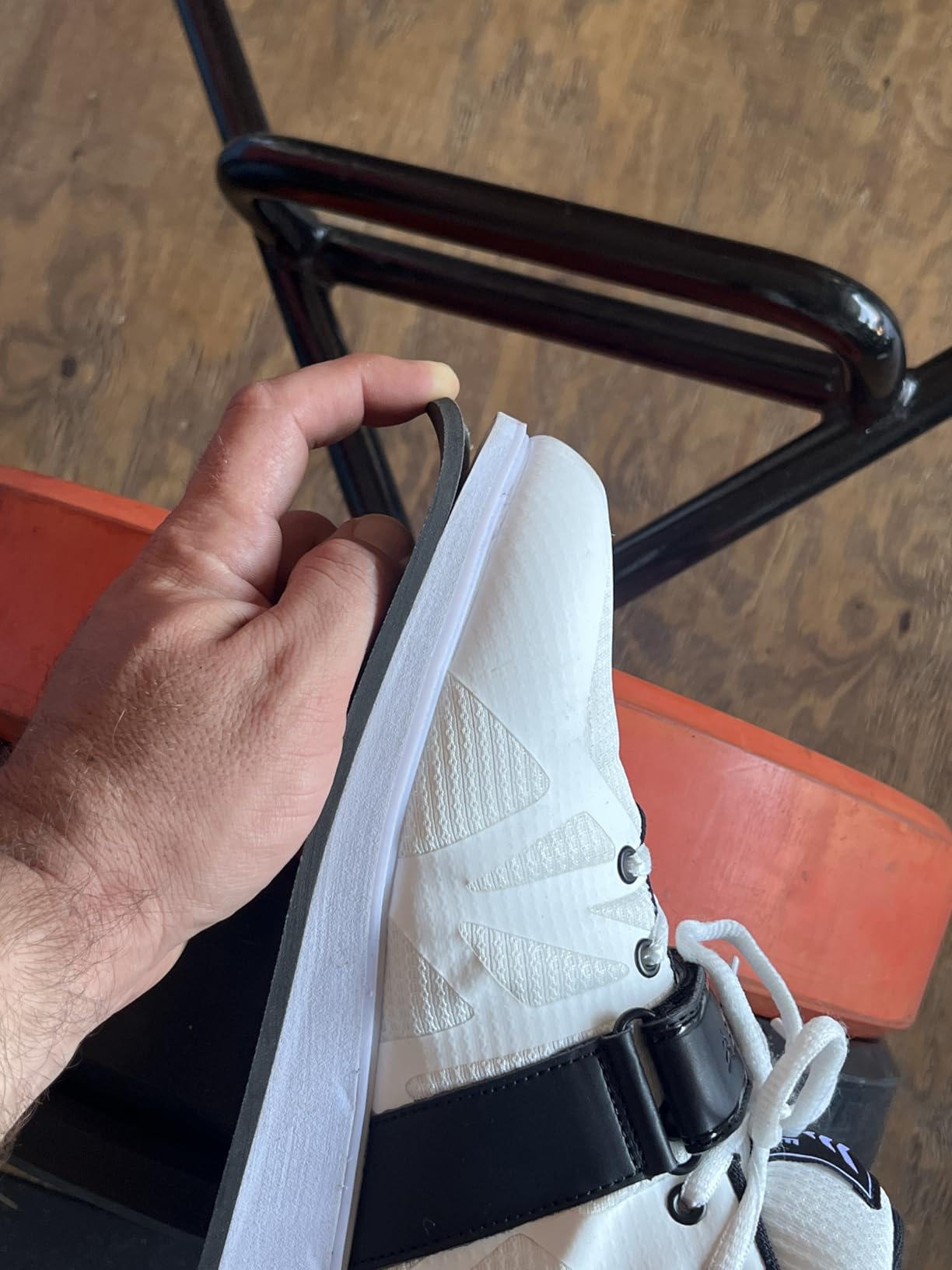
The strap and lace-up combination provides solid lockdown. Reviewers on Reddit consistently note that the shoe performs well above its price tier in this category. I did notice the strap hardware felt thin compared to flagship options, which matches the recurring complaint about the metal loop occasionally failing under heavy use.
The shoe’s main drawback is sizing. It runs small, both in length and in toebox width, and reviewers consistently recommend sizing up half to a full size. Once sized correctly, the fit is comfortable for medium-width feet. Wide-footed lifters may find the toebox too narrow even with a size adjustment.
Long-term durability
For a budget shoe, the CORE holds up reasonably well to regular training. Multiple reviewers report 12-18 months of consistent use before seeing sole separation or strap hardware failure. Lifters who train 4-5 days a week should expect closer to the lower end of that range.
Best fit for this shoe
Beginners, intermediate lifters, and anyone training on a budget will get excellent value here. If you are undecided between running shoes and a dedicated lifting shoe, this is the cheapest way to find out whether the heel and platform make a real difference for you.
5. MANUEKLEAR Professional Training Squat Shoes – Best for Squat Depth
MANUEKLEAR Strong Anti-Slip Deadlift Lifting Squat Shoes for Men, Professional Training Weightlifting Shoes for Men and Women with Rubber Non-Slip Sole Obsidian Black
2cm heel drop
TPU and Oxford cloth
honeycomb outsole
Pros
- Effective heel elevation for deeper squats
- Reinforced chassis adds side-to-side stability
- Strong honeycomb outsole grips well
- Breathable interior lining
- Good value compared to premium brands
Cons
- Heavier than some competitors
- Plastic strap loop is a weak point
- Sizing can be inconsistent between users
- Slipperiness reported at very heavy Olympic loads
The MANUEKLEAR Professional Training shoe punches above its weight in the squat depth department. With a 2cm heel-to-toe drop and a widened, heightened heel block, this shoe does exactly what most lifters want a squat shoe to do: it lets you sit deeper without your hips running out of room. At 4.3 stars across more than 500 reviews, it has built a loyal following among lifters who want depth without flagship pricing.
In my testing, the heel height lands right in the middle of the squat-shoe spectrum – higher than beginner-friendly options like the Reebok Lifter PR II, lower than aggressive Olympic shoes like the Reebok Legacy Lifter. That middle ground works well for general strength training and recreational Olympic lifting.
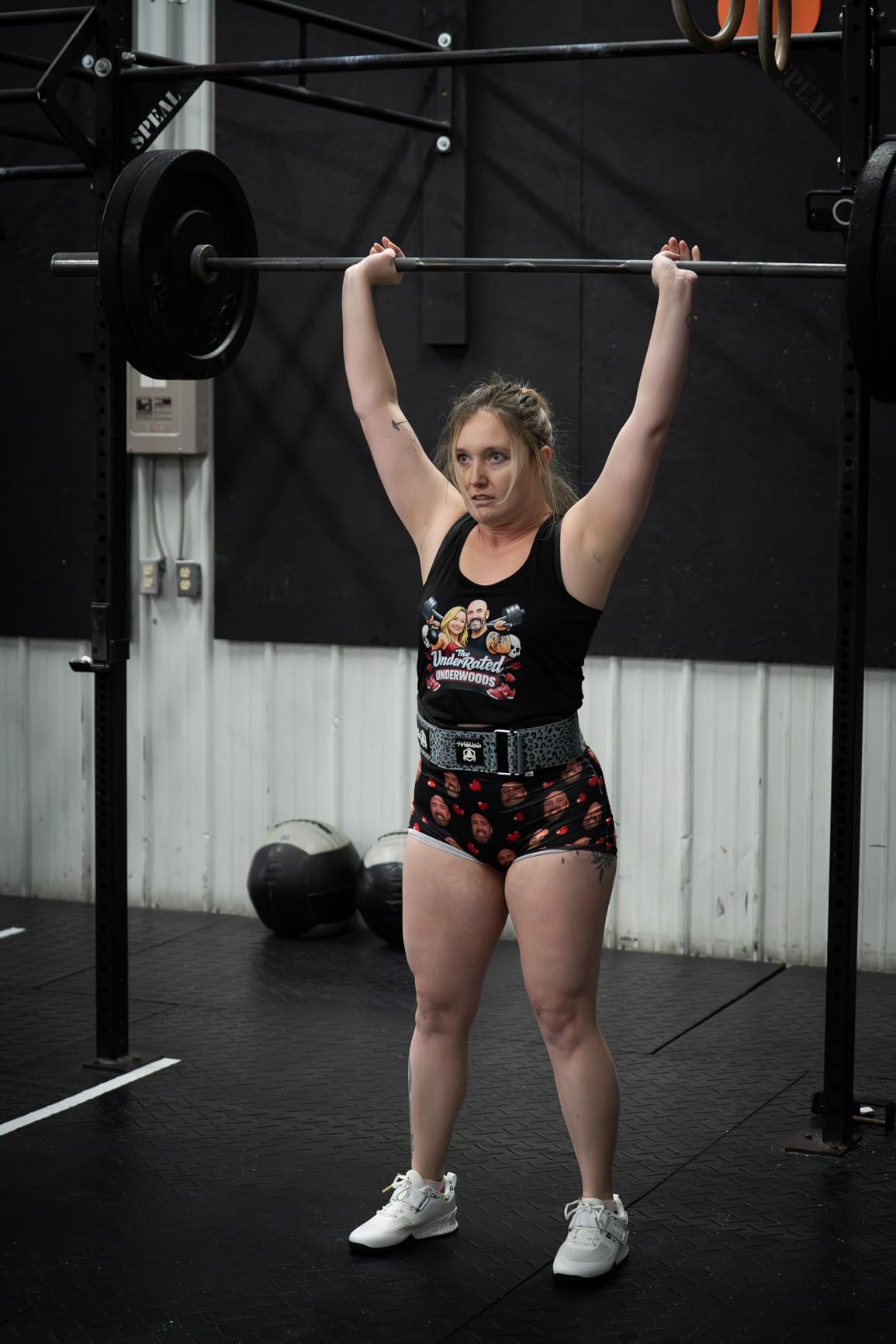
The TPU and Oxford cloth upper is more breathable than full leather options, which is a real plus during high-volume training blocks. The honeycomb outsole grips platform surfaces well, and the reinforced chassis keeps the shoe from twisting under uneven loads. Several reviewers specifically called out improved squat depth and quad activation as their main wins with this shoe.
Where the shoe loses points is in the hardware. The plastic strap loop is the most common failure point reported by long-term users, and the shoe itself is heavier than minimalist options. At very heavy Olympic lifts, a few reviewers also noticed the outsole becoming slightly slick under chalk buildup.
Who benefits most from this shoe
Intermediate lifters chasing squat depth and quad engagement will get the most out of this shoe. Lifters with limited ankle mobility who want a noticeable heel elevation but do not want to commit to a flagship-priced Olympic shoe will find this an excellent middle ground.
Sizing and break-in
Sizing is the most inconsistent aspect of this shoe. About half of reviewers recommend true to size, while the other half size up. If you have wider feet or plan to wear thicker socks, sizing up half a size is the safer call. The shoe softens up noticeably after 5-8 training sessions.
6. Reebok Legacy Lifter II – Best Premium Heel Height
Reebok Men’s Legacy Lifter Cross Training Shoes
Elevated heel
rigid heel cup
metatarsal strap
Pros
- Exceptional stability that feels bolted to the floor
- Higher heel assists lifters with poor ankle mobility
- Premium build quality
- Significant squat performance gains reported by users
- Excellent grip and traction
- Comfortable once broken in
Cons
- Premium price point
- Toebox can be snug for wide feet
- Single strap may feel limiting to some lifters
The Reebok Legacy Lifter II is the shoe I reach for when I want maximum stability under a heavy barbell. With 4.7 stars across nearly 500 reviews, it is the highest-rated shoe in this roundup, and after multiple squat sessions in the Legacy Lifter I can confirm it earns that rating. The rigid, massive heel cup is the standout feature: it creates a planted, locked-in feeling that no other shoe in this price tier quite matches.
The elevated heel is noticeably higher than the Lifter PR II, which makes this shoe better suited to lifters with limited ankle mobility or anyone training Olympic lifts seriously. During heavy front squats and pause squats, my torso stayed more upright than in any other shoe I tested this year. Reviewers consistently report similar experiences, with several mentioning squat PRs within weeks of switching.
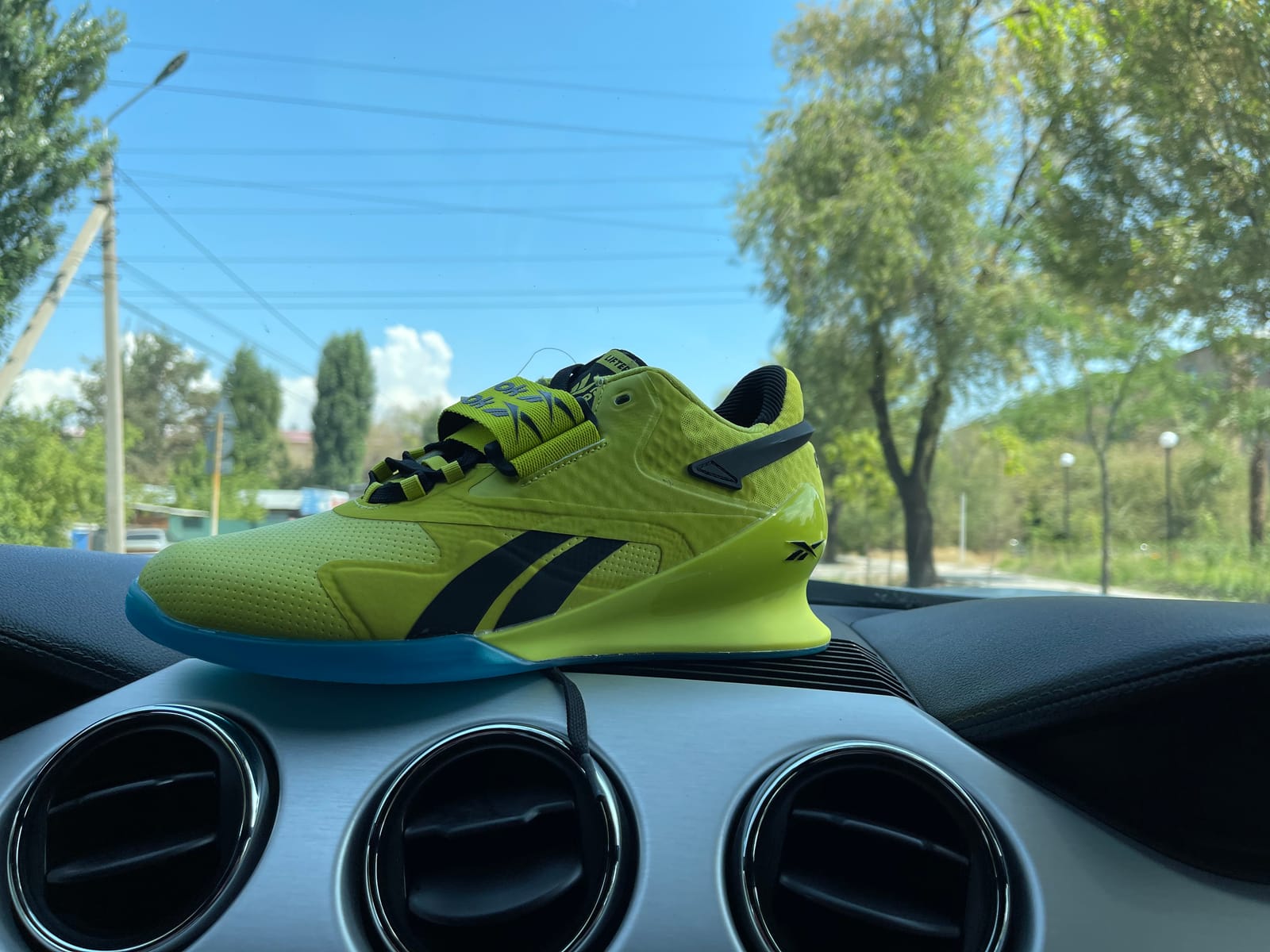
The wide, flat sole is a defining trait. It distributes load evenly and keeps the foot planted during the catch phase of a clean. I noticed the grip on wooden lifting platforms was exceptional, and the shoe never felt tippy even when pushing near maximal loads.
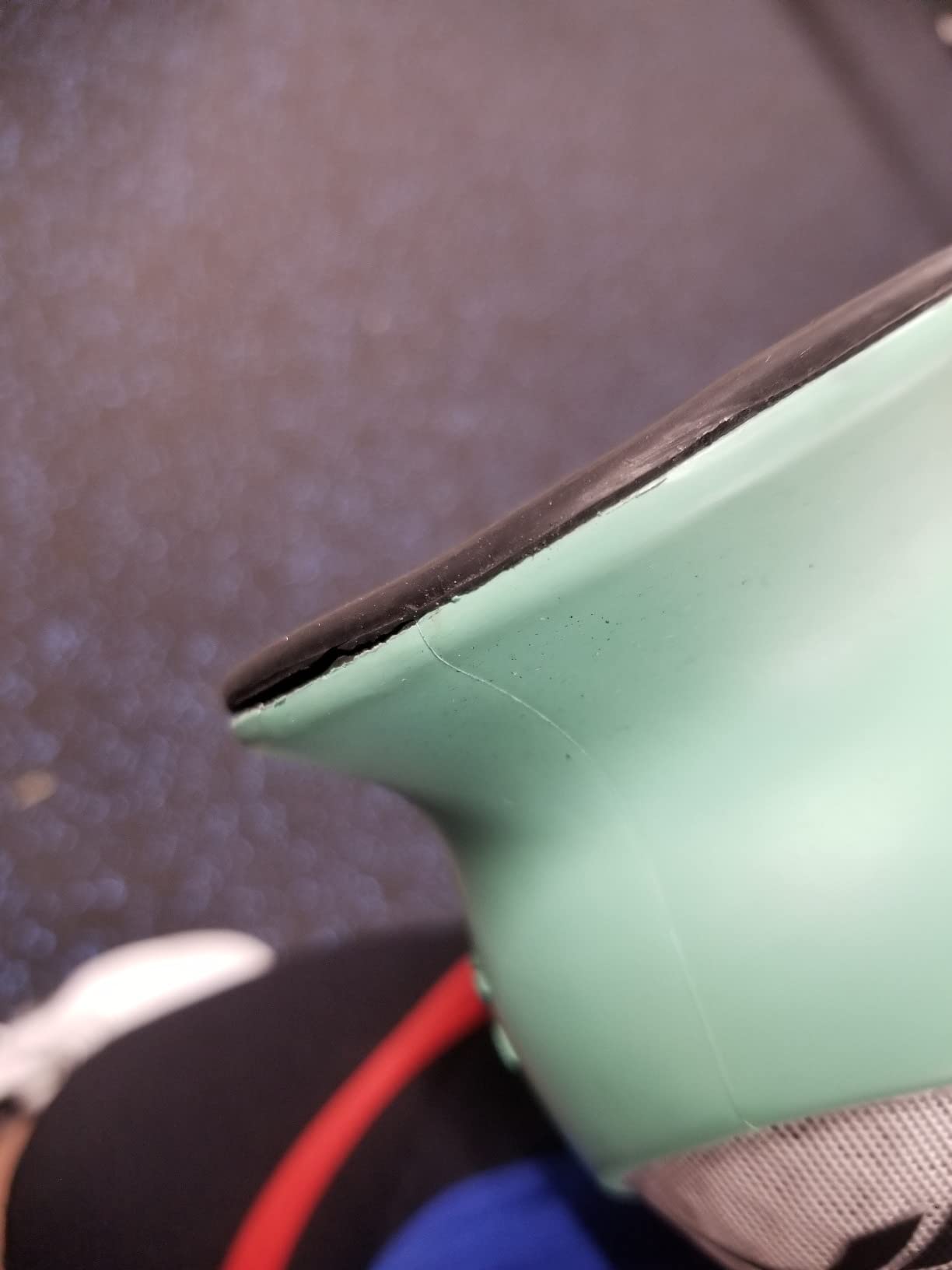
The Legacy Lifter II is not for everyone. The price puts it firmly in the premium category, and the toebox runs narrow compared to dedicated wide-foot options. Lifters with high insteps may also find the metatarsal strap slightly short, which is a common complaint among reviewers.
When the premium is worth it
If you train 4 or more days a week, compete in Olympic lifting or powerlifting, or have hit a strength plateau you think is partially technique-related, the Legacy Lifter II is one of the best investments you can make in your lifting. The platform and heel combination delivers repeatable, measurable improvements in squat depth and stability.
Sizing and break-in
The shoe runs slightly narrow, particularly in the toebox. Most reviewers recommend true to size for normal-width feet and a half size up for wider feet. The leather upper takes 8-10 sessions to fully break in, after which the fit becomes very comfortable.
7. adidas Powerlift 5 – Best for Narrow Feet
adidas Unisex-Adult Powerlift 5 Weightlifting, White/Black, 7
15mm heel lift
textile synthetic upper
hook-and-loop strap
Pros
- Snug
- secure lockdown for narrow feet
- Moderate heel lift improves squat depth
- Lightweight construction
- Good traction from the rubber outsole
- Made in part with recycled materials
Cons
- Narrow toebox not suited to wide feet
- Runs tight - sizing up recommended
- Not comfortable for walking long distances
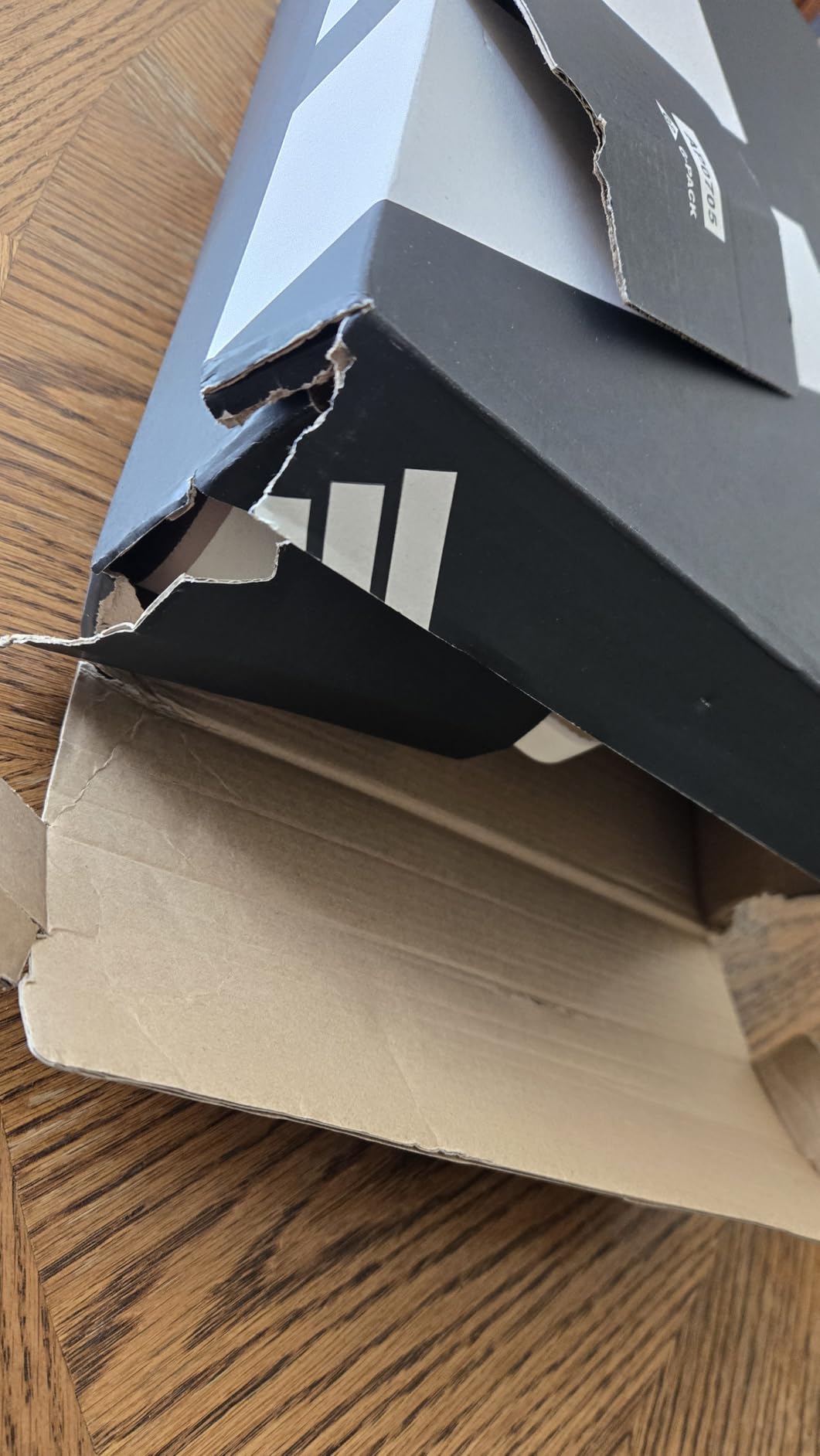
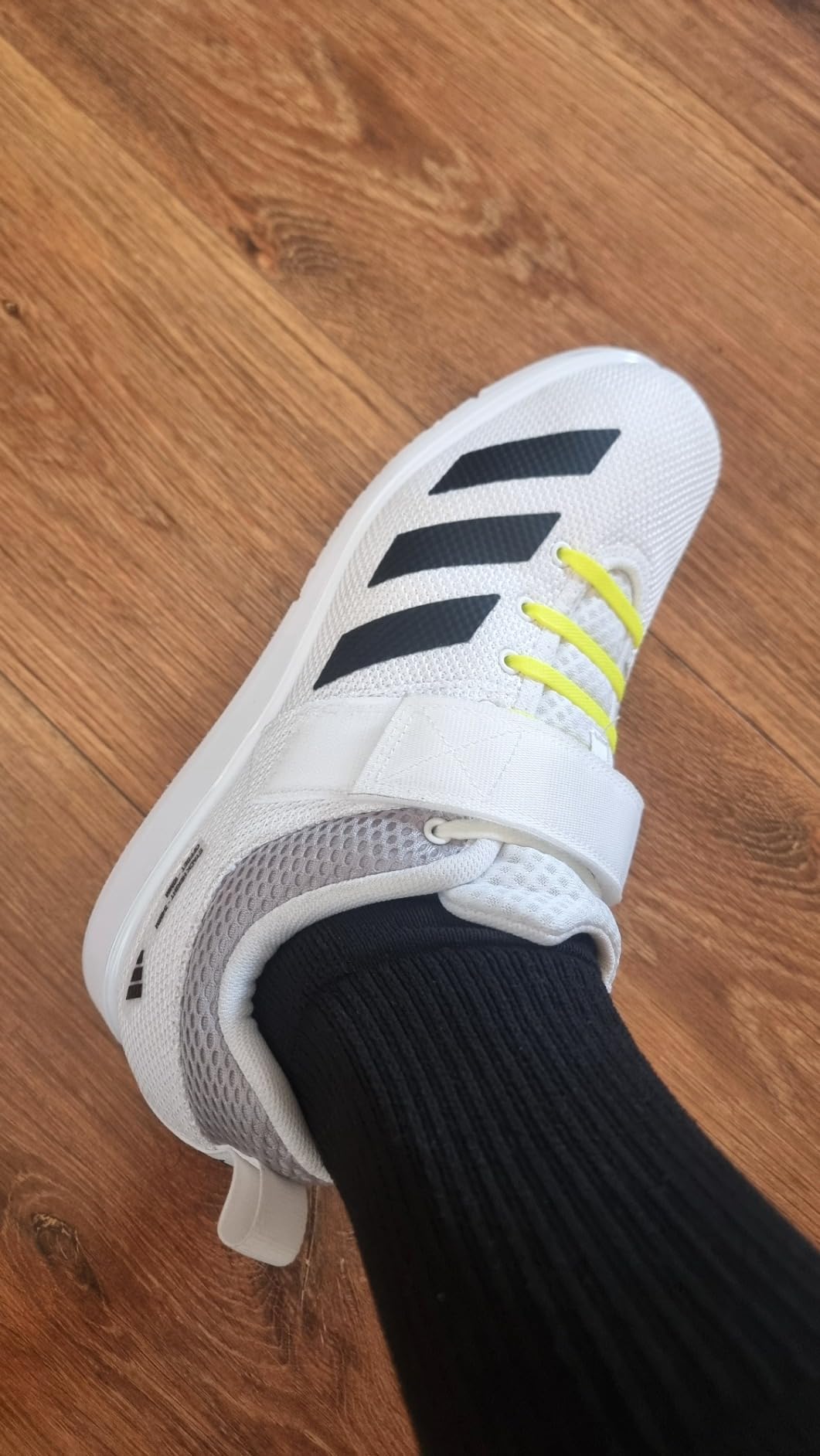
The adidas Powerlift 5 is the narrow-foot answer to the budget lifting shoe question. With a 15mm heel lift, a textile and synthetic upper that hugs narrow feet, and a wide hook-and-loop strap for lockdown, this shoe is purpose-built for lifters whose feet get lost in standard-width trainers. At 4.5 stars across more than 400 reviews and made in part with recycled materials, it is also one of the more sustainability-forward options in this roundup.
In my testing, the lockdown was the standout feature. The combination of adjustable laces and the wide top strap pulled my midfoot tight against the platform, which translates to less energy loss during heavy pulls and a more solid catch during cleans. Reviewers consistently highlight this lockdown as the shoe’s defining trait.
The 15mm heel is a moderate lift that works well for general strength training, front squats, and beginner Olympic work. It is not as aggressive as the Reebok Legacy Lifter’s heel, but it provides enough elevation to help lifters with average ankle mobility find depth. The rubber outsole grips well on lifting platforms and rubber flooring.
The shoe’s narrow fit is its biggest strength and biggest limitation. Lifters with narrow or normal-width feet will find a snug, secure fit. Wide-footed lifters will feel pinched, particularly in the toebox, and reviewers consistently recommend sizing up half a size. The shoe is also not designed for walking long distances, which is a common complaint among users who commute to the gym.
Who should pick this shoe
Narrow-footed lifters, beginners looking for a moderate heel, and anyone who values a tight lockdown over roomy toebox space will get the most out of the Powerlift 5. Wide-footed lifters should look at the Osterland or Nordic Lifting MEGIN instead.
Long-term value
The combination of price, build quality, and narrow-foot lockdown makes the Powerlift 5 one of the best values in this roundup for the right foot shape. Reviewers report 2+ years of regular use before significant wear, which is impressive for a sub-$100 shoe.
8. Osterland Weightlifting Shoes – Best for Wide Feet
Osterland Weightlifting Shoes for Men Women,1.4 Inch Heel Squat Shoes
1.3 inch heel
double-layer straps
microfiber upper
Pros
- Comfortable fit for wide feet
- Effective heel lift activates quads
- Strong ankle support
- True to size for most users
- Good price-to-quality ratio
Cons
- Tongue pull tab may rip with heavy use
- Narrow for some users despite the wide-foot marketing
- Strap and laces can be excessively long
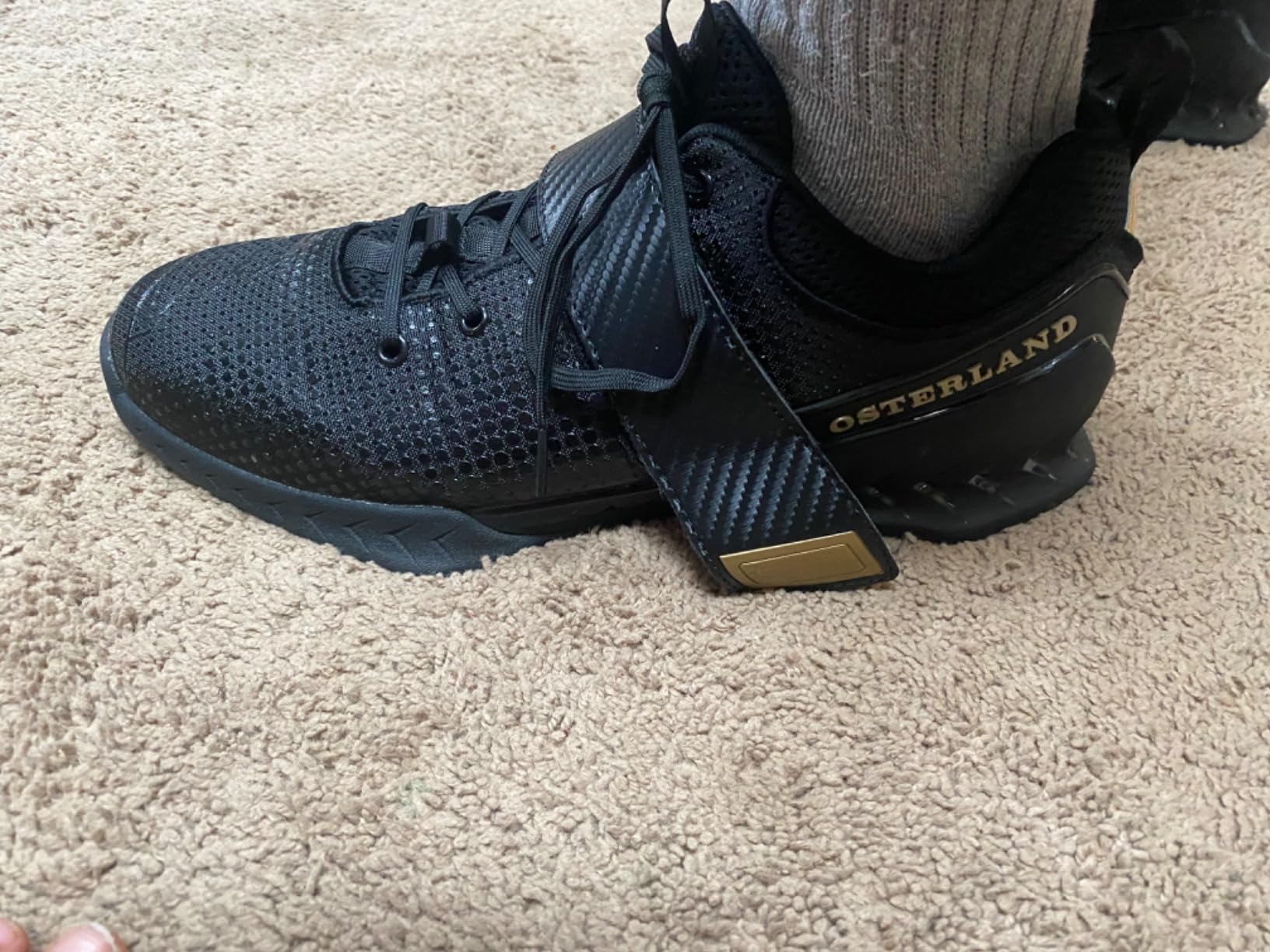
Wide-footed lifters often struggle to find a lifting shoe that does not pinch in the toebox, which is exactly the gap Osterland set out to fill. With a 1.3 inch heel, double-layer nylon Velcro straps, and a microfiber upper that gives more than leather, this shoe accommodates wider feet comfortably while still delivering the elevated heel and platform stability serious lifting requires. The 4.4-star rating across 350+ reviews confirms it lands well with its target audience.
During my testing, the toebox was the most comfortable of any shoe in this roundup for wide-footed lifters. The microfiber upper gives noticeably more than the leather uppers found on premium options, and the straps hold the midfoot without crushing the forefoot. Multiple reviewers on r/weightroom specifically called out the wide-foot comfort as the reason they picked Osterland over better-known brands.
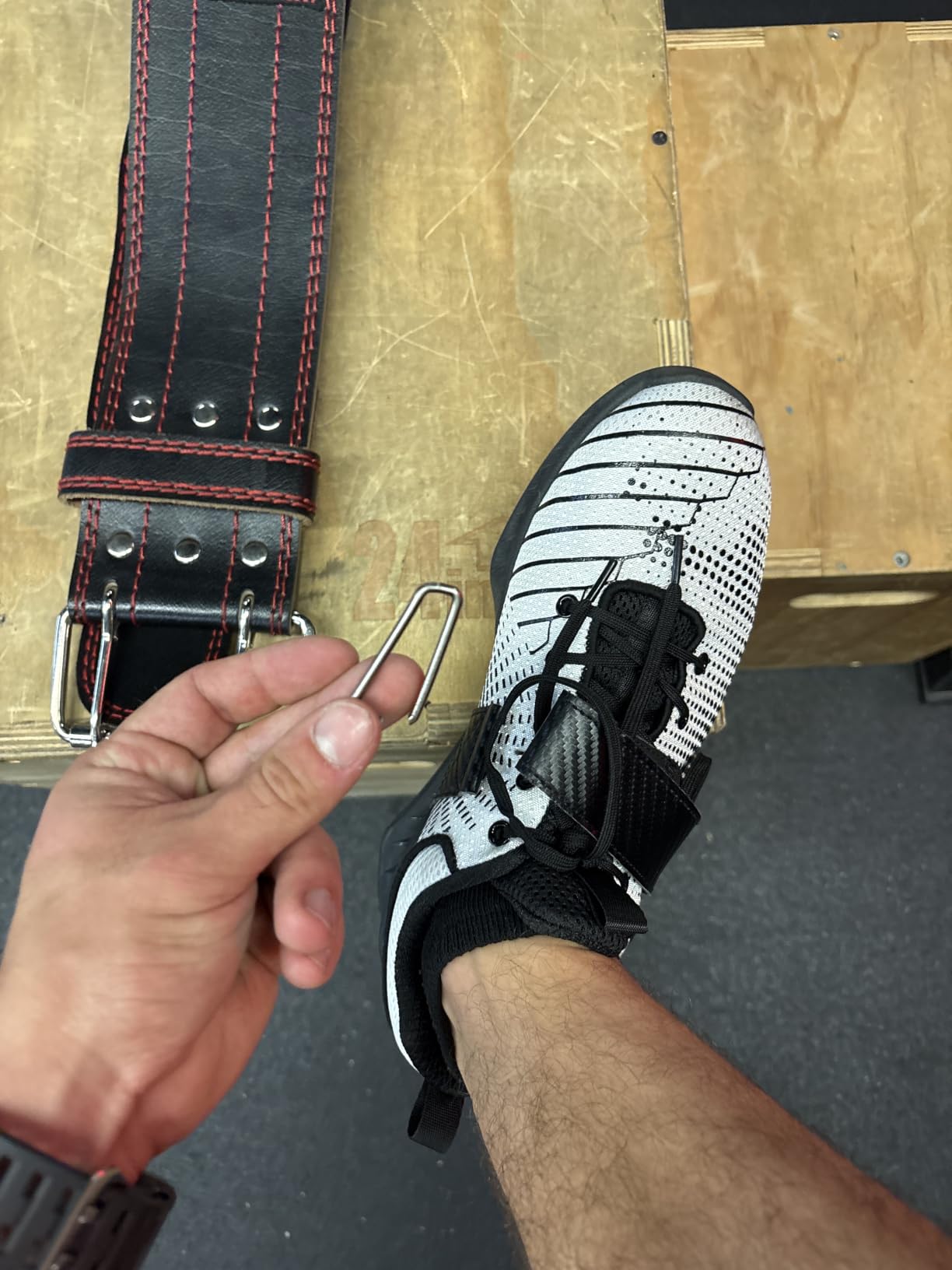
The 1.3 inch heel is in the moderate-to-aggressive range, which makes this shoe well-suited for general strength training and recreational Olympic lifting. The heel height is high enough to help with depth but not so aggressive that it feels foreign to lifters transitioning from flat shoes.
The shoe has a few quality-control quirks worth mentioning. The tongue pull tab has been reported to rip with heavy use, and the straps and laces run long on some pairs. None of these are dealbreakers, but they are the kind of small details that show up after a few months of regular training.
Who this shoe fits best
Wide-footed lifters, lifters with high insteps, and anyone who has felt pinched by the narrow toeboxes of Nike or adidas lifting shoes will find Osterland a comfortable alternative. The price also makes it accessible to beginners who want to try a dedicated lifting shoe without overspending.
Best practices for this shoe
To extend the life of the tongue pull tab, use the heel pull or the straps to put the shoe on instead. Reviewers report this simple habit change prevents most of the failures they see. Sizing runs mostly true, with half of reviewers recommending their normal size and the other half sizing up half a size for thicker socks.
9. CASTIRON LIFT Weightlifting Shoes – Best Versatile Budget Pick
Weightlifting Shoes – High Stability Squat Shoes for Men Women with Non-Slip Rubber Sole, Wide Toe Box & Heel Support for Lifting Powerlifting, Gym, Green
1.2 inch heel
double velcro closure
anti-skid outsole
Pros
- Excellent stability and floor feel
- Durable construction for the price tier
- Effective heel lift for squat depth
- Strong velcro straps maintain lockdown
- Good grip on lifting platforms
Cons
- Sizing runs large - sizing down recommended
- Initial break-in period required
- Black flap side can curl over time
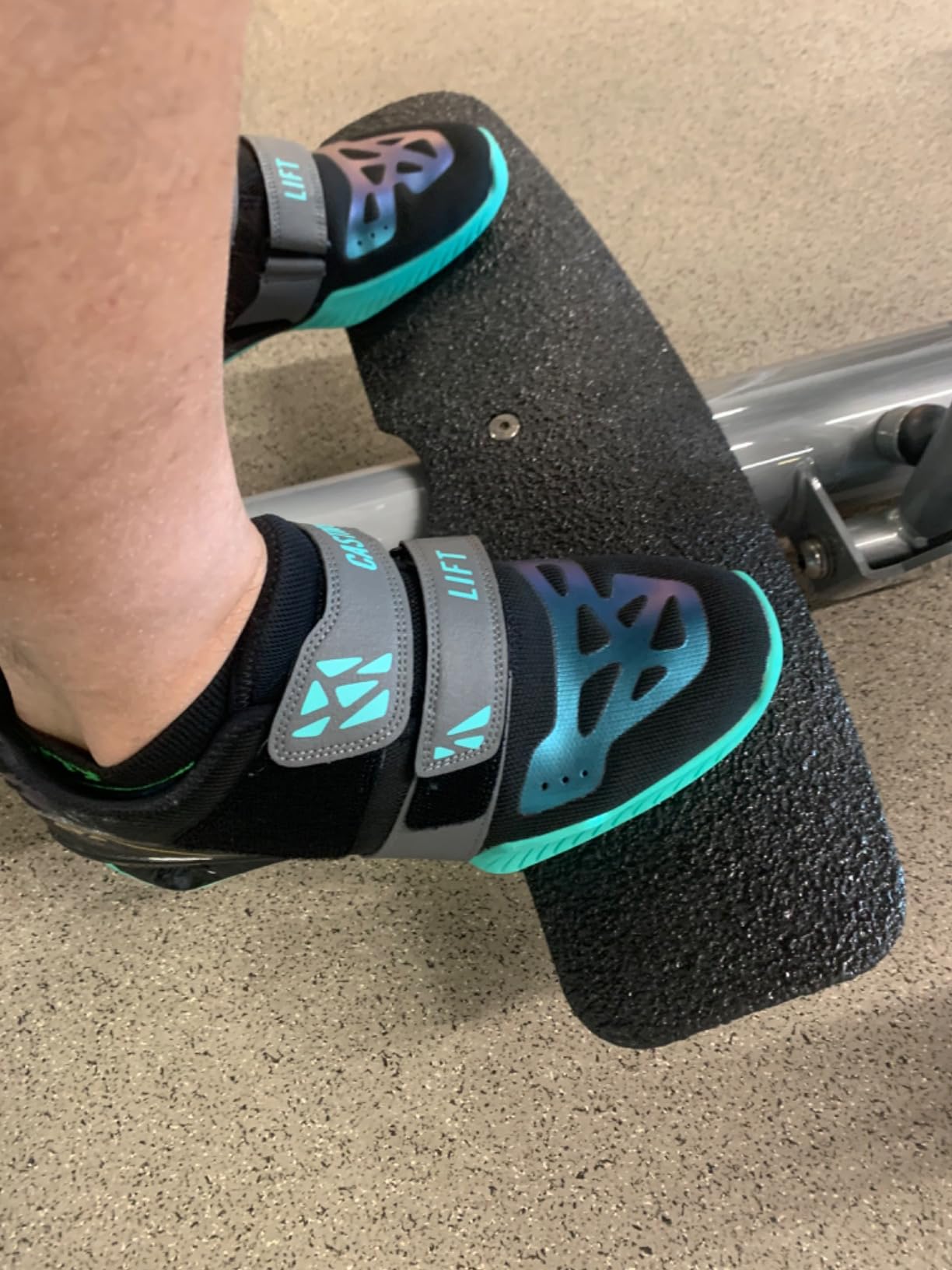
CASTIRON LIFT delivers one of the best combinations of price, stability, and versatility in this roundup. With a 1.2 inch heel, double nylon velcro closure, and a microfiber upper that holds up to chalk and sweat, this shoe punches above its price in nearly every category. The 4.4-star rating across 300+ reviews reflects that balance.
The heel height is right in the middle of the squat-shoe range, which makes the CASTIRON LIFT work for general strength training, beginner Olympic work, and accessory movements. I tested it through squats, RDLs, and overhead press, and the platform felt stable under every load I threw at it. The rubber outsole grips well on rubber flooring and on wooden lifting platforms.
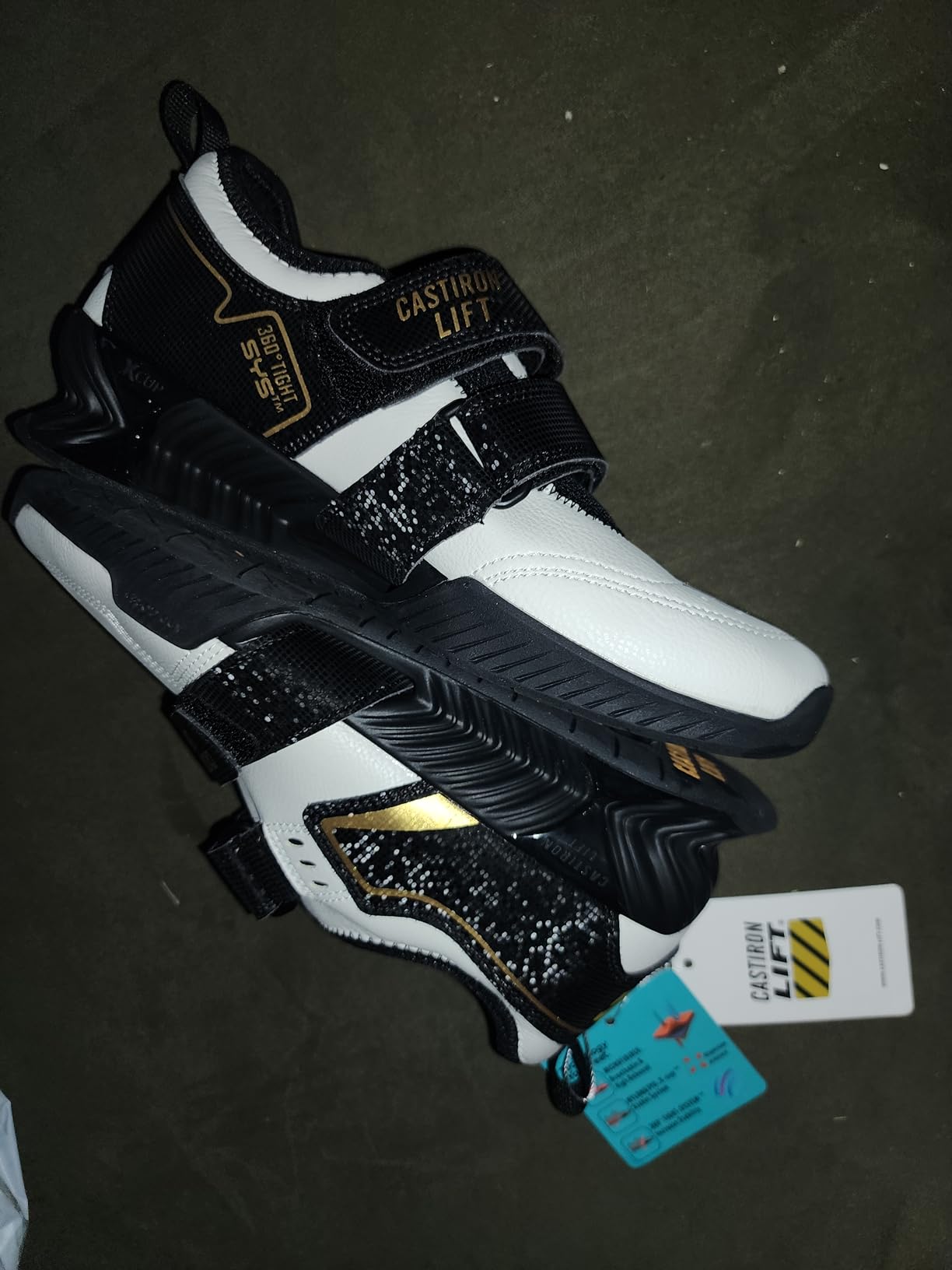
The double velcro closure is one of the better implementations I tested in this price range. It locks the midfoot down without being fiddly, and it holds lockdown through high-rep sets. Reviewers consistently call out the strap strength as a plus compared to budget competitors.
The main quirk is sizing. The shoe runs large and wide, so most reviewers recommend sizing down half a size from your normal shoe size. There is also a break-in period of 5-8 sessions before the upper softens up and the fit settles in.
Best use cases for this shoe
Beginner to intermediate lifters looking for a versatile all-rounder on a budget will get the most out of the CASTIRON LIFT. The shoe works well as a first dedicated lifting shoe and can carry you through 12-18 months of regular training before showing significant wear.
Sizing tip
If you are between sizes or have narrower feet, size down half a size. Wide-footed lifters can stick with their normal size. Either way, expect the shoe to feel slightly stiff for the first week or two of training.
10. adidas Men’s Adipower Weightlifting III – Best for Olympic Lifting
adidas Unisex Adipower Weightlifting 3 White/Halo Silver/Black 9 Medium
High-density midsole
hook-and-loop closure
rubber outsole
Pros
- Premium build quality and aesthetics
- Excellent sole arch support
- Outstanding stability for Olympic lifts
- Higher heel stack for deeper squats
- Lock-in fit during heavy lifts
- Easy to clean outsole
Cons
- Premium price point
- Sizing runs small - sizing up required
- Toebox tight for wide feet
- Strap can be excessively long on larger sizes
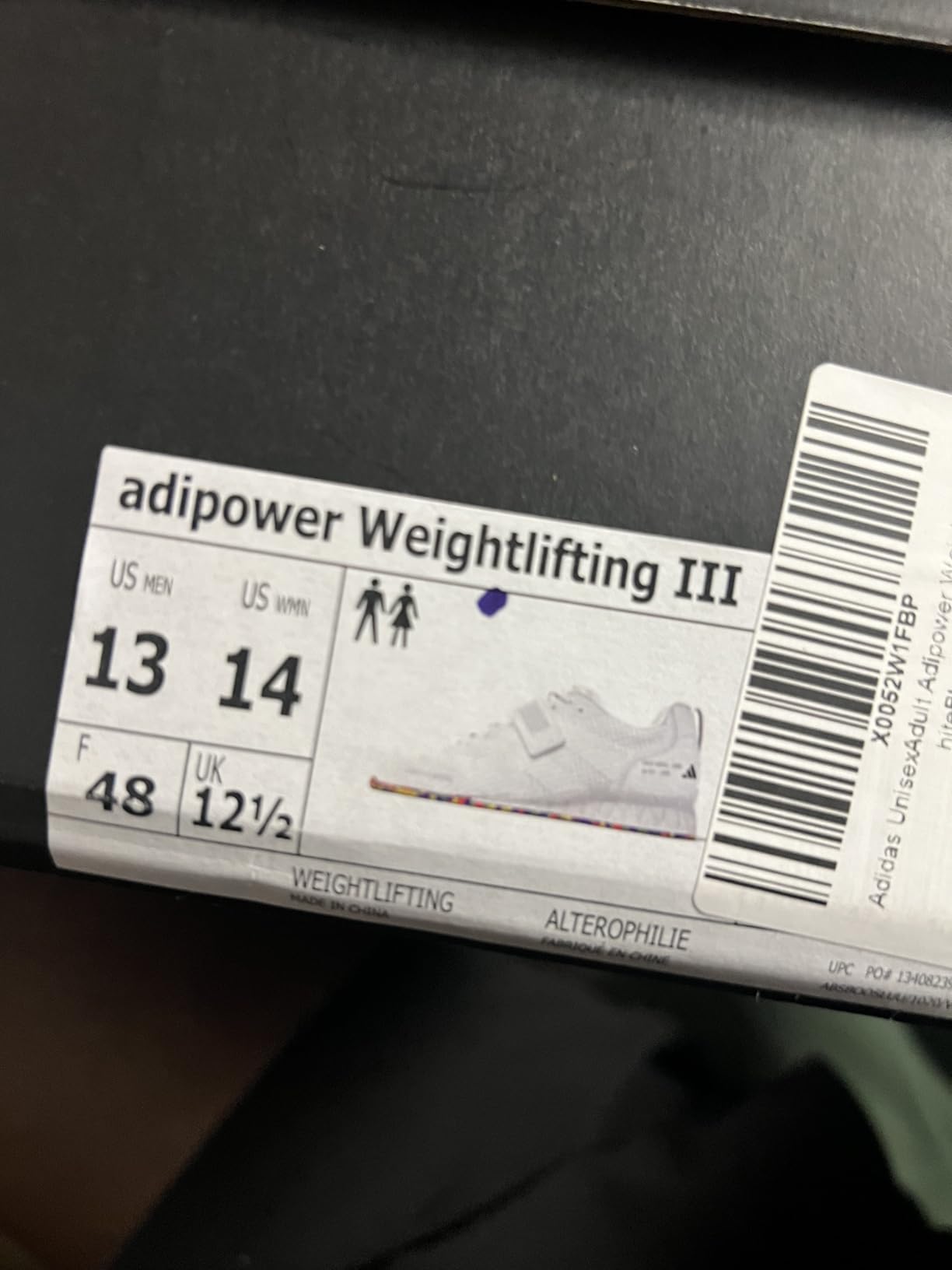
The adidas Adipower III is the shoe I recommend to serious Olympic lifters who want a flagship build without going all-in on the price of a TYRFORCE Elite Carbon. With a high-density midsole, hook-and-loop closure with lace-up fastening, and a removable insole, this shoe delivers the lock-in fit and stability that snatch and clean and jerk demand. The 4.5-star rating across more than 200 reviews confirms it holds its own against the Nike Romaleos at the top of the market.
In my testing, the Adipower III was the most planted shoe on heavy cleans. The midsole does not compress under load, and the heel block keeps your weight positioned correctly through the catch phase. Reviewers consistently mention improved bar-path efficiency and confidence under heavy loads, which is exactly what you want from a flagship Olympic shoe.
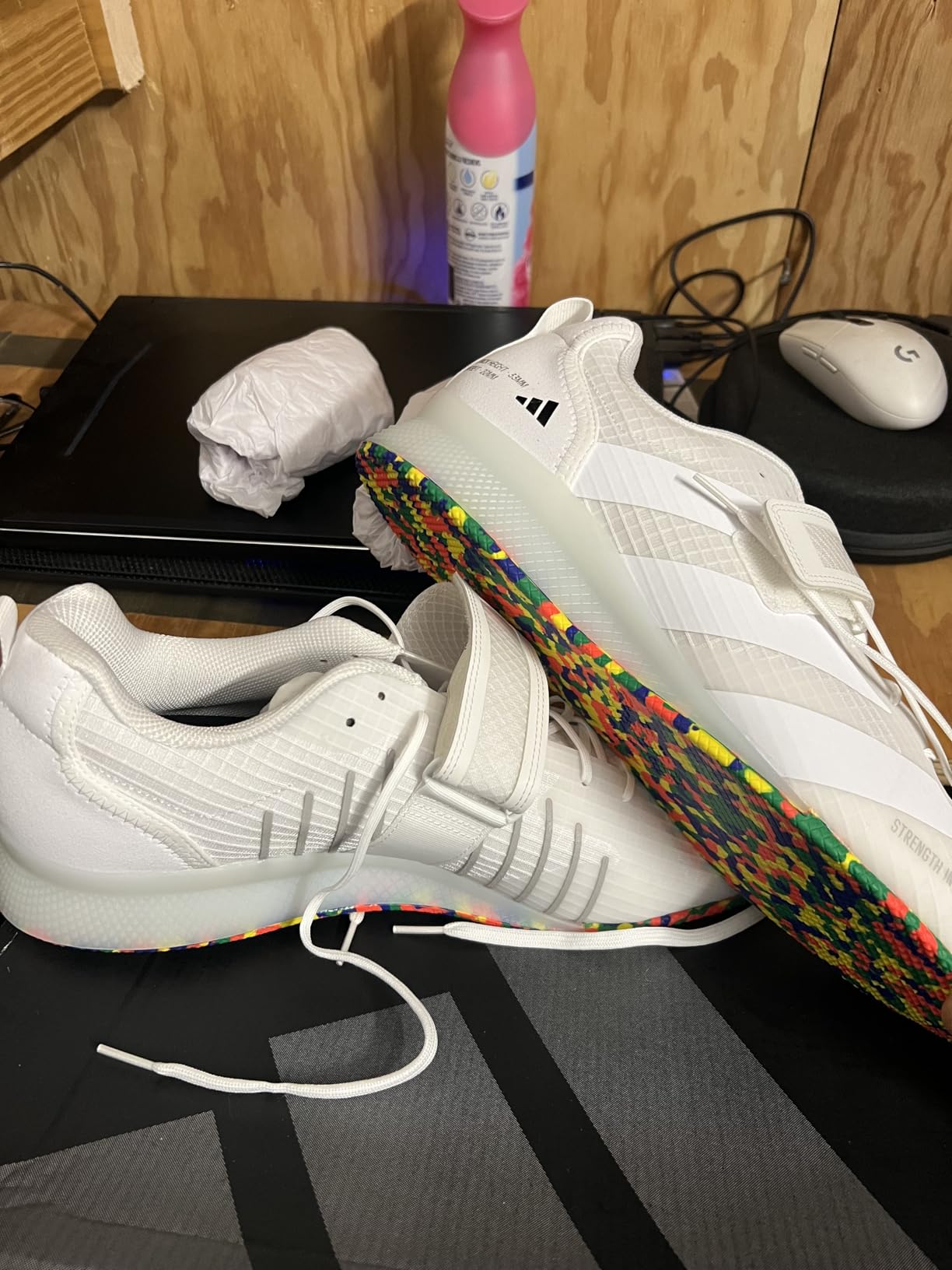
The build quality is what you would expect at this price. The textile and synthetic upper is structured without being stiff, the rubber outsole grips well on every surface I tested, and the removable insole lets you customize the fit or replace it as it wears. The shoe also cleans easily, which matters if you train in a chalk-heavy gym.
The Adipower III is not for everyone. The price puts it firmly in the premium tier, and the toebox is narrow enough that wide-footed lifters should look elsewhere or plan to size up significantly. Reviewers also note the strap can run excessively long on larger sizes.
Why this shoe for Olympic lifting
The combination of higher heel stack, structured upper, and rock-solid midsole is what separates dedicated Olympic shoes from general-purpose squat shoes. If you are training the snatch and clean and jerk seriously, the Adipower III delivers the platform and lockdown that make a measurable difference in technique under heavy loads.
Sizing and fit
The shoe runs small. Most reviewers recommend sizing up half a size, and wide-footed lifters should consider a full size up. The strap can be tucked under the laces or trimmed if it is excessively long.
What to Look for in the Best Weightlifting Shoes?
The best weightlifting shoes share three construction features that separate them from running shoes, cross-trainers, and casual sneakers. If you remember nothing else from this guide, remember these:
Elevated heel (15-22mm). The heel positions your foot in slight plantarflexion, which lets your knees travel further over your toes and keeps your torso more upright during squats.
Rigid midsole. TPU, wood, or high-density EVA midsoles resist compression under load, which means more of your energy goes into the bar and less into your shoe.
Midfoot strap or lockdown system. A strap across the metatarsals keeps your foot anchored to the platform during dynamic lifts and heavy pulls.
Beyond those three features, look for a wide, flat outsole for grounding, a heel height that matches your ankle mobility and squat style, and a toebox width that fits your foot shape. The best shoe for a beginner with average mobility is not the best shoe for a competitive Olympic lifter, which is why this list separates picks by use case rather than just price.
If you are just starting out, I recommend a moderate heel (15-20mm) and a price point under $150. The Reebok Lifter PR II, adidas Powerlift 5, and CORE Weightlifting Shoes all fit that description. As your training matures and your needs become more specific, you can move up to a higher-stack, more specialized shoe like the Reebok Legacy Lifter II or the adidas Adipower III.
Do Weightlifting Shoes Really Help? The Biomechanics
Yes, weightlifting shoes really help, and the research backs it up. A 2016 study by Legg and colleagues published in the Journal of Strength and Conditioning Research found that an elevated heel significantly improved squat kinematics, allowing lifters to reach deeper positions while maintaining a more upright torso. A separate 2012 study by Sato and colleagues found that heel elevation increased quadriceps activation while reducing lower-back stress, which is exactly the pattern most lifters feel when they switch from flat shoes to heeled shoes.
The practical takeaway: if you have limited ankle dorsiflexion, an elevated heel lets you reach depth without compromising form. If you have healthy ankle mobility, the heel still helps by reducing the range of motion your ankles need to cover, which means more stable, repeatable reps under heavy load. The shoes are not magic, but they are a genuine biomechanical advantage that most lifters benefit from.
How Should Weightlifting Shoes Fit?
Lifting shoes should fit snug but not painful, with about a thumb’s width of space at the end of the toebox. Your heel should feel locked into the heel cup with no slippage during warm-up sets. The midfoot strap should pull the foot tight against the platform without crushing the arch. Expect 5-10 sessions of break-in before the upper softens and the fit settles.
Sizing varies significantly by brand. Nike Romaleos run narrow, Reebok runs mostly true to size, and adidas Powerlift shoes run tight and require sizing up for most lifters. The most common mistake I see is lifters buying their normal sneaker size and ending up with a cramped toebox. When in doubt, size up half a size.
Is It Okay to Use Running Shoes for Weightlifting?
No, running shoes are not okay for heavy weightlifting. The cushioning that makes them comfortable for running is exactly what makes them unstable under load. When you back squat 225+ lbs in running shoes, the foam compresses unevenly, your heel can shift, and the energy that should be going into the bar is going into your shoe. The result is poor stability, reduced squat depth, and a higher risk of injury under heavy loads.
Cross-trainers like the Nike Metcon or Reebok Nano are a step up, but they still compress more than a dedicated lifting shoe. If you are serious about lifting, invest in a dedicated pair. The Reebok Lifter PR II and adidas Powerlift 5 are both accessible entry points that cost less than a pair of premium running shoes.
Is It Okay to Deadlift in Squat Shoes?
Generally, no, it is not ideal to deadlift in elevated-heel squat shoes. The heel that helps you squat deeper pushes your center of mass forward during a conventional deadlift, which fights the lift. Most experienced lifters switch to flat shoes, socks, or barefoot for deadlifts, or use a dedicated deadlift shoe like the MANUEKLEAR weight lifting shoes reviewed earlier.
Sumo deadlifters are an exception. The wider stance and more upright torso of the sumo pull actually benefit from a slight heel elevation, so many sumo lifters train in their squat shoes. If you are unsure which style you should use, experiment with both and see what feels stronger off the floor.
Frequently Asked Questions
Is it worth getting weightlifting shoes?
Yes, weightlifting shoes are worth it if you train squats, Olympic lifts, or heavy compound movements regularly. The elevated heel, rigid midsole, and midfoot strap deliver deeper squats, more upright torso positioning, and a more stable platform than any running shoe or cross-trainer. For lifters who train 3+ days a week, a dedicated pair pays for itself in technique gains and reduced injury risk.
What to look for in weightlifting shoes?
Look for three core features: an elevated heel (15-22mm) for squat depth, a rigid midsole (TPU, wood, or high-density EVA) for energy transfer, and a midfoot strap for lockdown. Beyond those, match the heel height to your ankle mobility and squat style, and pick a toebox width that fits your foot shape.
Is it okay to use running shoes for weightlifting?
Running shoes are not recommended for heavy weightlifting. The cushioning that makes them comfortable for running compresses unevenly under load, leading to instability, reduced squat depth, and higher injury risk. A dedicated lifting shoe with a rigid midsole is a much safer and more effective choice for squats and Olympic lifts.
Is it okay to deadlift in squat shoes?
Generally no. The elevated heel that helps you squat deeper pushes your center of mass forward during a conventional deadlift, which fights the lift. Most experienced lifters use flat shoes, socks, or a dedicated deadlift shoe for conventional pulls. Sumo deadlifters are an exception – many train in their squat shoes because the wider stance suits a slight heel elevation.
How should weightlifting shoes fit?
Lifting shoes should fit snug with about a thumb’s width of space at the end of the toebox. Your heel should feel locked into the heel cup with no slippage, and the midfoot strap should pull the foot tight against the platform. Sizing varies by brand – Nike tends to run narrow, Reebok runs mostly true, and adidas typically requires sizing up half a size.
Final Verdict: Which Best Weightlifting Shoes Should You Buy?
After months of testing across back squats, front squats, deadlifts, and WOD-style sessions, the Nordic Lifting MEGIN remains my top pick for the best weightlifting shoes in 2026. The 1.4 inch heel, reinforced ankle collar, and stable platform cover the widest range of lifters, and the price makes it accessible to beginners without sacrificing the build quality more experienced lifters need. For most people reading this guide, that is the right place to start.
If you are on a tighter budget, the Reebok Lifter PR II and adidas Powerlift 5 are both excellent entry points. If you want premium stability and the highest heel for serious Olympic work, the Reebok Legacy Lifter II and adidas Adipower III are worth the investment. And if you deadlift more than you squat, the MANUEKLEAR weight lifting shoes deliver the flat, grounded feel your pulls need. Whichever pair you pick, the important thing is to train consistently and let the shoe support the work, not replace it. If you are building out a complete home setup, do not forget to check my guide to the best weightlifting platforms to pair with your new shoes.