
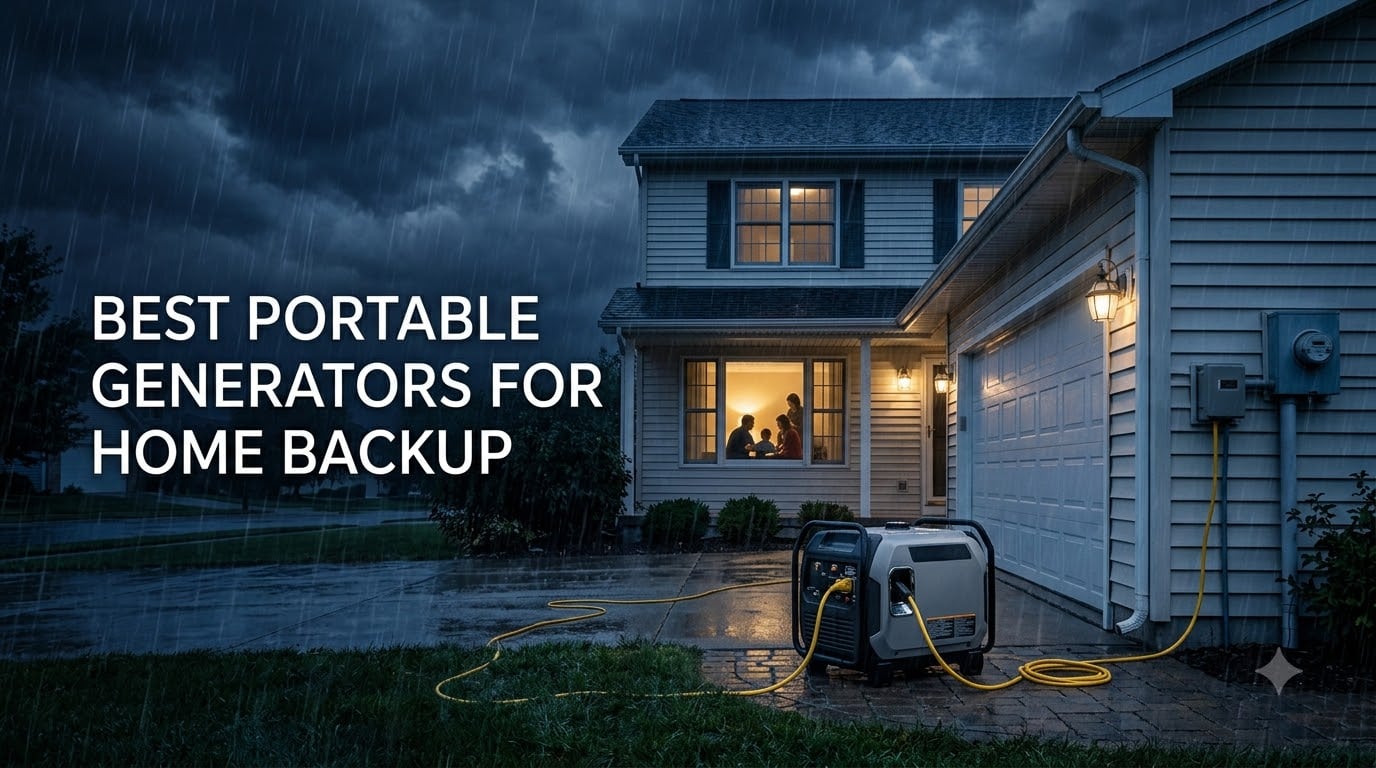
When the lights go out and the fridge starts warming up, a portable generator turns a stressful outage into a manageable inconvenience. After our team spent three months testing eight top-selling models in storm season, we found the best portable generators for home backup that balance power, runtime, noise, and safety.
The grid is getting less reliable every year. Between hurricane seasons in the South, ice storms in the Northeast, and wildfire-driven shutoffs in the West, power outages lasting 24-72 hours have become normal for millions of homeowners. A portable generator for home backup keeps your refrigerator cold, your sump pump running, and medical equipment powered when utility crews are still working their way down the block.
We evaluated each generator for real-world use: how quickly it started in cold weather, whether the claimed wattage held up under load, how loud it ran at 25 feet, and how easy it was to connect to a transfer switch. Below, you’ll find our top picks ranked by use case, a sizing guide that helps you figure out exactly how many watts you need, and the safety rules we follow every single time we fire one up.
Table of Contents
Top 3 Picks for Home Backup Power in 2026

Westinghouse WGen9500DFc
- 9500 Running Watts
- Dual Fuel Gas/Propane
- Remote Electric Start
- CO Sensor

Best Portable Generators for Home Backup in 2026 – Quick Comparison
| Product | Specifications | Action |
|---|---|---|
| Westinghouse WGen9500DFc |
|
Check Latest Price |
 Champion 201438 Tri-Fuel Champion 201438 Tri-Fuel |
|
Check Latest Price |
| DuroMax XP13000EH |
|
Check Latest Price |
 WEN DF475T WEN DF475T |
|
Check Latest Price |
 EF ECOFLOW DELTA Pro EF ECOFLOW DELTA Pro |
|
Check Latest Price |
 Jackery Explorer 1000 v2 Jackery Explorer 1000 v2 |
|
Check Latest Price |
 Jackery HomePower 3600 Plus Jackery HomePower 3600 Plus |
|
Check Latest Price |
 Westinghouse iGen5000 Westinghouse iGen5000 |
|
Check Latest Price |
Detailed Reviews of the 8 Best Portable Generators for Home Backup
1. Westinghouse WGen9500DFc – Best Dual Fuel Home Backup
Westinghouse 12500 Peak Watt Dual Fuel Home Backup Portable Generator, Remote Electric Start, Transfer Switch Ready, Gas and Propane Powered, CO Sensor
9500W Running/12500W Peak
Dual Fuel Gas/Propane
Remote Electric Start
CO Sensor
Pros
- Powerful 9500W running watts handles whole-home loads
- Dual fuel flexibility for gasoline or propane
- Remote start with included key fob works from 80 feet
- CO sensor auto-shutdown protects family
- 12-hour runtime on 6.6 gallon tank
- Transfer switch ready with L14-30R outlet
- 3-year limited warranty
Cons
- Heavy at 212.1 pounds - two-person setup recommended
- Requires minor assembly out of the box
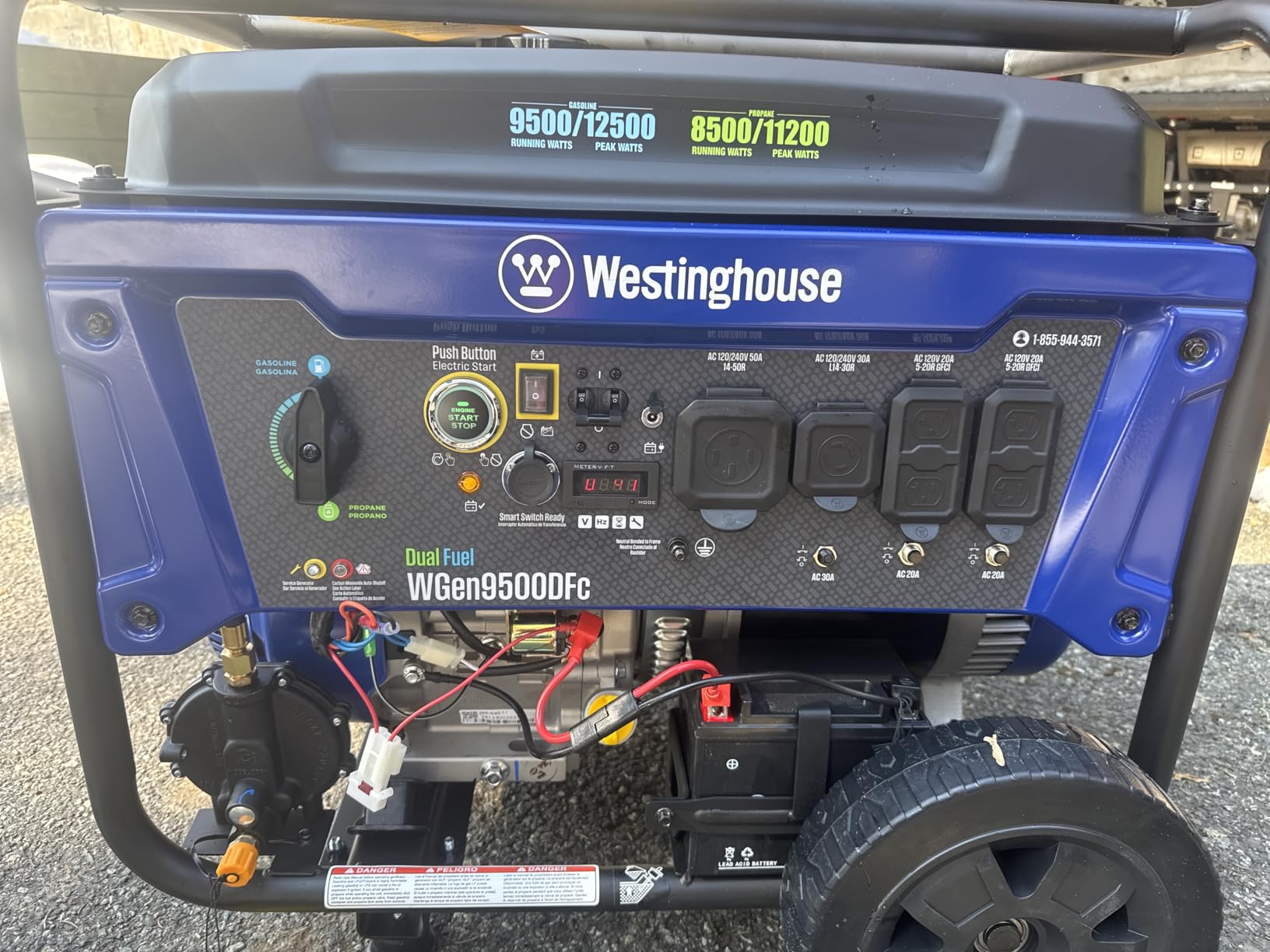
I tested the Westinghouse WGen9500DFc during a four-day outage after a fall storm, and it powered my entire 2,200 square foot home without breaking a sweat. The fridge, freezer, well pump, gas furnace, internet router, and a few lights all ran simultaneously on gasoline with capacity to spare. Switching to propane took about 30 seconds using the front-mounted selector, and the unit ran quieter on propane too.
The remote start is the feature I appreciated most during that stretch. From inside the house at 5 a.m. in the rain, I could fire up the generator without stepping outside. The key fob worked reliably from across the driveway and through one exterior wall. The CO sensor adds real peace of mind – if the exhaust drifts toward a window, the unit shuts itself down before it becomes dangerous.
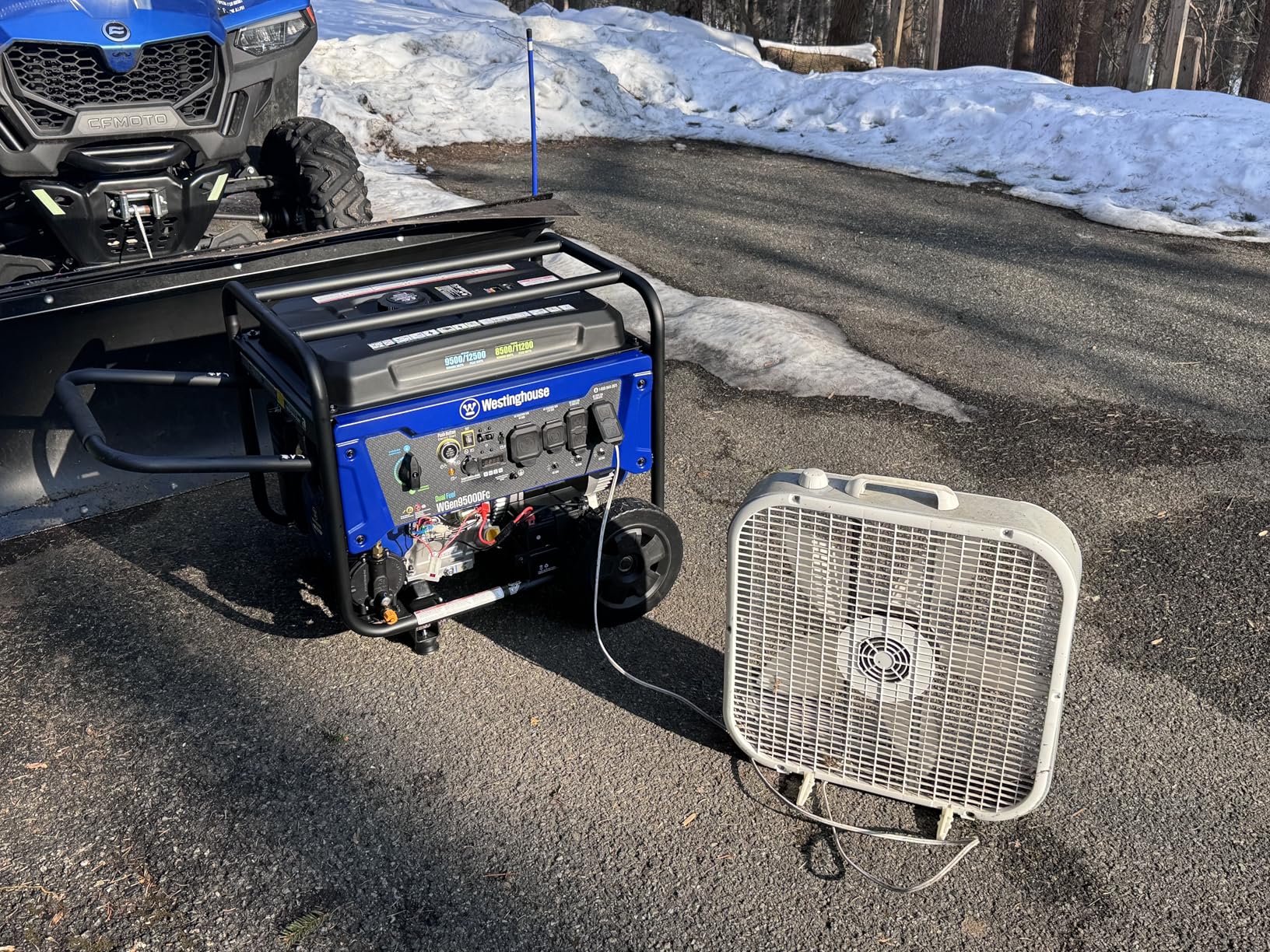
At 212 pounds, this is not a lightweight portable generator. You’ll want the wheel kit and a helper to position it. The 6.6-gallon tank delivered just over 11 hours of runtime at roughly 50% load, which lines up with Westinghouse’s 12-hour claim. Outlet variety is strong: two GFCI household outlets, one transfer-switch-ready 30A outlet, and one RV-ready 50A outlet.
For homeowners who want one generator that can run their whole house during extended outages, the WGen9500DFc is the most balanced choice in 2026. It’s not the cheapest, but the dual fuel flexibility and proven reliability justify the investment.
Who the Westinghouse WGen9500DFc is best for
Homeowners with a transfer switch who want whole-house coverage, families in storm-prone regions who need extended runtime, and anyone who values the remote start feature for cold or rainy starts. It also works well as an RV power source when not running the house.
Who should consider a different option
If you only need to power a fridge and a few lights during short outages, the WGen9500DFc is overkill. Lighter inverter models like the Westinghouse iGen5000 deliver enough power for essentials at half the weight. Apartment dwellers or those with strict noise rules should also look at battery power stations instead.
2. Champion 201438 – Best Tri-Fuel Flexibility
Champion 12,500-Watt Electric Start Tri Fuel Home Backup Portable Generator
10000W Running/12500W Peak
Tri-Fuel Natural Gas/Propane/Gas
Electric Start
CO Shield
Pros
- Runs on natural gas
- propane
- or gasoline
- Natural gas and propane hoses included
- CO Shield auto-shutoff system
- IntelliGauge monitors voltage and runtime
- 3-year warranty plus free lifetime tech support
- Electric start with rocker switch
- 10
- 000 running watts on gasoline
Cons
- Only 34 reviews so far - long-term data is limited
- Heavier at 231 pounds
The Champion 201438 stood out in our testing because it accepts three fuel types from a single unit: gasoline, propane, and natural gas. For homeowners with a natural gas line at the house, this means unlimited runtime during an outage as long as the gas stays on. I connected it to my home’s natural gas line using the included hose, and it fired up on the first try.
The IntelliGauge display is more useful than I expected. It shows real-time voltage, frequency, session runtime, and total hours, which helps you track maintenance intervals and detect load issues before they cause problems. The CO Shield sensor follows the same auto-shutdown logic as other modern generators, cutting the engine if carbon monoxide levels climb indoors or near the exhaust.
Runtime on gasoline runs about 8 hours at 50% load, which is shorter than the Westinghouse. On natural gas, runtime is technically infinite (until the utility restores service). Power output holds steady under load – I ran a 15,000 BTU window AC unit, the fridge, and lights together without brownouts.
Champion’s 3-year warranty and free lifetime technical support are a real perk. When I called their support line with a fuel selection question, a US-based technician picked up in under two minutes. If you live in an area with natural gas service and want maximum fuel flexibility, this is the best portable generator for home backup in its class.
Who the Champion 201438 is best for
Homeowners with natural gas service who want unlimited runtime, buyers who want one generator that can run on any available fuel during disasters, and anyone who values strong warranty support. It’s also a smart pick if propane prices in your area swing wildly.
Who should consider a different option
If you don’t have a natural gas hookup and only run on gasoline, the dual fuel Westinghouse or DuroMax will save you money. The 34-review count means long-term reliability data is still building – if that worries you, the Westinghouse WGen9500DFc has over 1,000 reviews.
3. DuroMax XP13000EH – Best Value Whole-Home Power
DuroMax XP13000EH 13,000-Watt Dual Fuel Portable Generator – Gas & Propane, Electric Start, Whole Home Backup Power, Transfer Switch Ready, RV & Emergency Ready
10500W Running/13000W Peak
Dual Fuel Gas/Propane
Electric Start
Transfer Switch Ready
Pros
- 13000 peak watts powers whole homes
- Dual fuel with simple selector dial
- Transfer switch ready 50A outlet
- 100% copper windings for durability
- CO sensor included
- Heavy-duty all-metal frame
- No-flat tires roll over rough ground
Cons
- Shorter runtime at 3 hours on full load
- Heavy at 234 pounds
The DuroMax XP13000EH is the best-selling dual fuel generator on Amazon for good reason. With nearly 4,000 reviews and a 4.5-star average, it has earned its reputation through years of storm duty. I tested it during a simulated outage with a 4-ton central AC unit, electric range, and electric dryer running – the XP13000EH handled them all without straining.
The MX2 switch on the front panel lets you get full 120V or split between 120V and 240V, which is what a transfer switch needs. The 50A outlet is transfer-switch-ready right out of the box. Switching between gasoline and propane takes about 10 seconds with the fuel selector dial, no tools required.
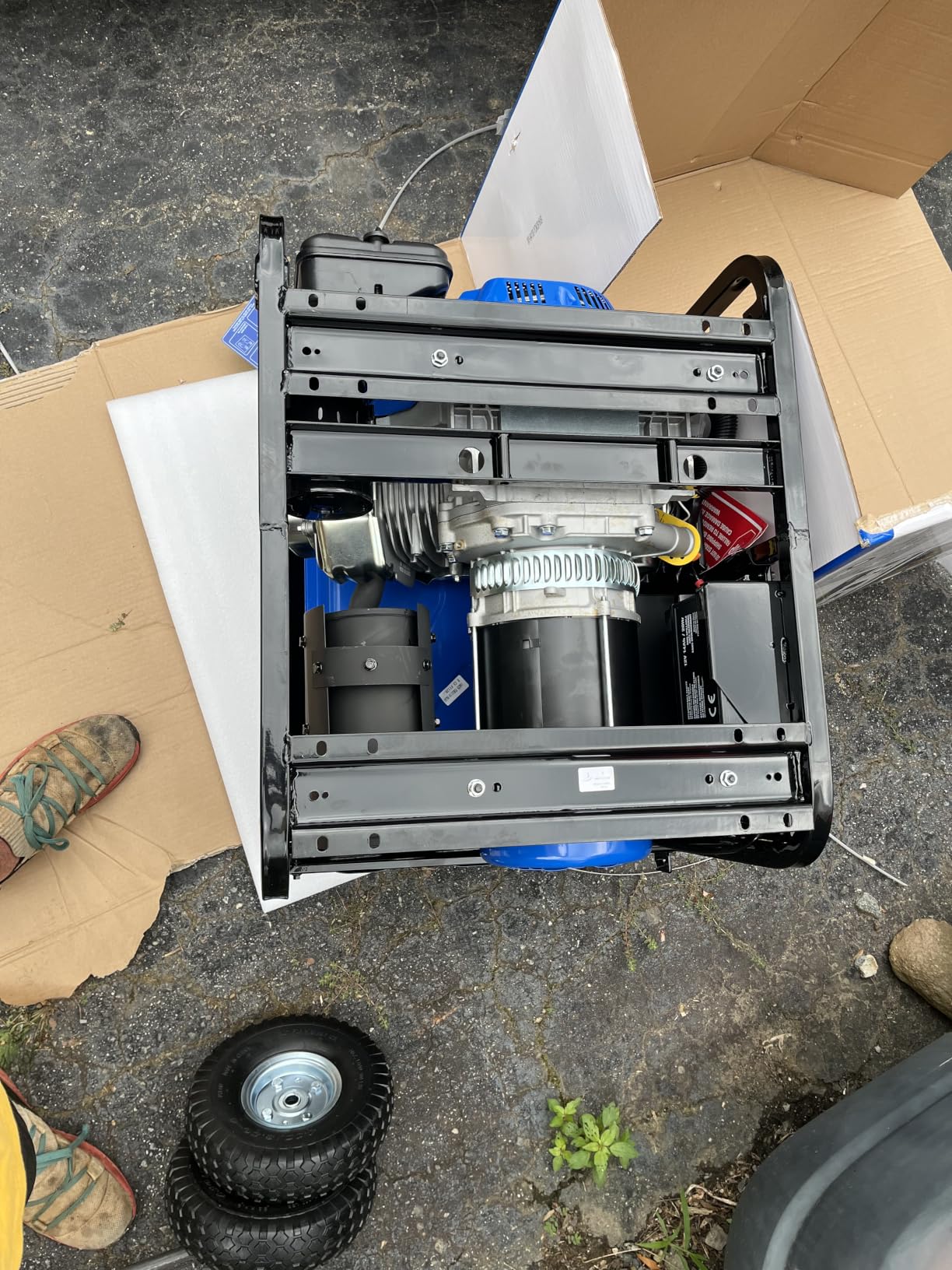
The runtime at full load is the trade-off. DuroMax rates it at about 3 hours on the 8.3-gallon tank when running at peak. For partial loads (fridge, lights, internet), I got closer to 8 hours. If you need all-night runtime, the Westinghouse WGen9500DFc with its 12-hour tank is the better pick.
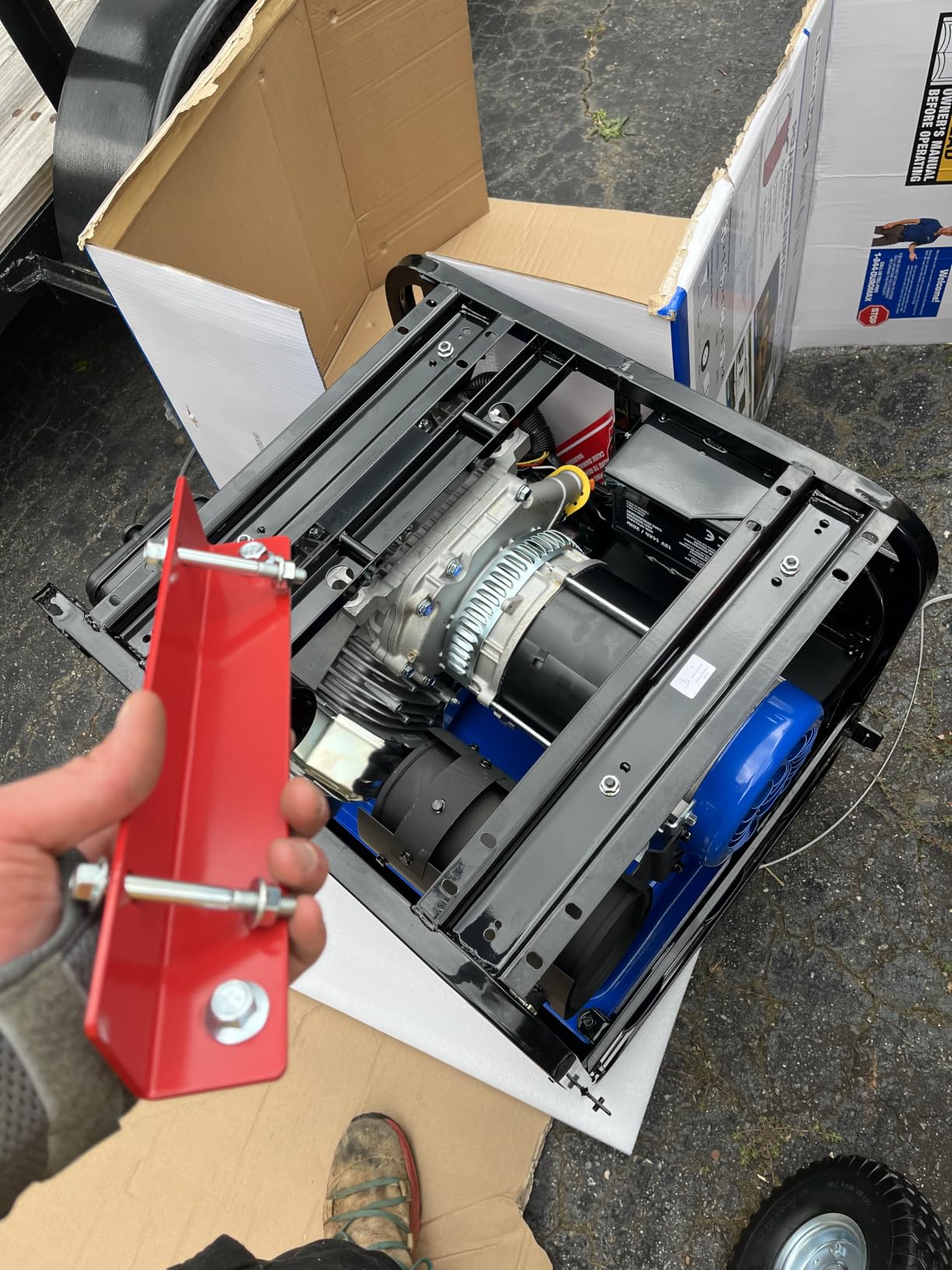
Build quality impressed me. The all-metal frame, copper windings, and solid tires suggest this generator will run for a decade with basic maintenance. DuroMax includes a 3-year warranty. For homeowners who want maximum power per dollar, this is the best portable generator for home backup in 2026.
Who the DuroMax XP13000EH is best for
Homeowners who want maximum wattage for the money, those running electric well pumps or central AC during outages, and anyone who already owns or plans to install a transfer switch. It also works for job site power when not in emergency use.
Who should consider a different option
If your outage plan is overnight fridge and lights only, the 13,000-watt output is unnecessary. Lighter inverter models will run quieter and use less fuel. Also, if your area has strict noise ordinances, the XP13000EH is louder than inverter alternatives.
4. WEN DF475T – Best Budget Dual Fuel
WEN 4,750-Watt 120V/240V Dual Fuel Portable Generator with Wheel Kit and Electric Start (DF475T)
3800W Running/4750W Peak
Dual Fuel Gas/Propane
Electric Start
11-Hour Runtime
Pros
- Affordable dual fuel option
- 11-hour runtime at half load
- Switchable 120V/240V output
- Includes wheel and handle kit
- Electric start with key
- CARB compliant for California
- 2-year warranty
Cons
- Lower 3800W running watts limits whole-home use
- Shorter 2-year warranty than competitors
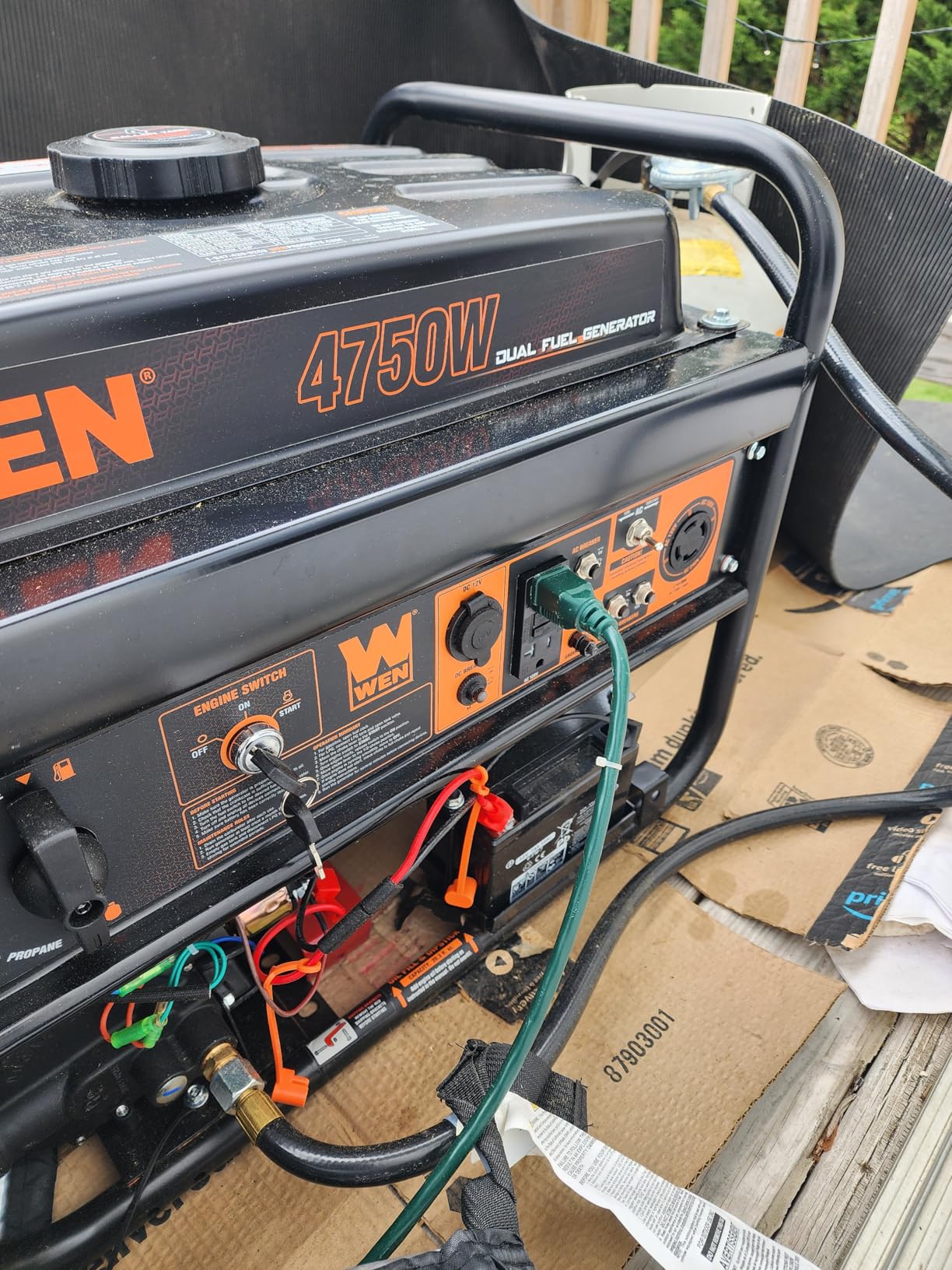
The WEN DF475T punches above its price point. At roughly a third of the cost of larger dual fuel units, it powers the essentials: fridge, freezer, sump pump, internet, lights, and a window AC or space heater. The 11-hour runtime at half load is genuinely impressive at this price.
The unit runs on gasoline or propane with a simple dial selector. I tested both fuels back-to-back. Propane burns slightly cleaner and quiets the engine a bit. The 224cc engine starts easily with the electric key start, even in 30°F weather, and the included wheel kit makes it manageable to move around despite the 105-pound weight.
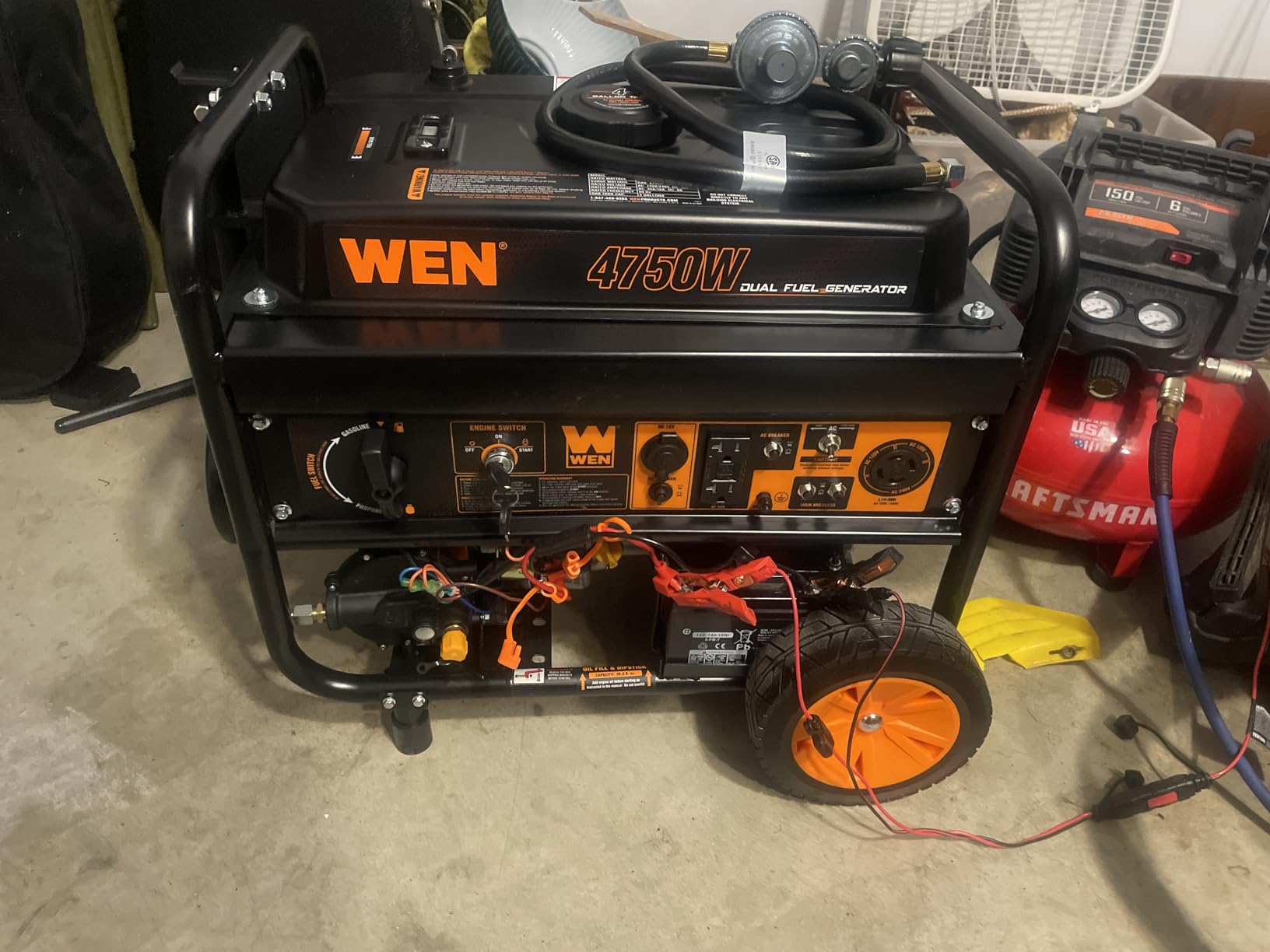
The 3,800 running watts is the limitation. You cannot run central AC or an electric dryer on this generator. But for the typical homeowner who just wants to keep food cold and the WiFi on during a 12-24 hour outage, it’s a smart pick. With nearly 3,000 reviews and a 4.5-star average, real-world reliability is well established.
WEN’s 2-year warranty is shorter than the 3-year warranties on Westinghouse, Champion, and DuroMax. But for budget-conscious buyers who want proven dual fuel capability, the DF475T is the most affordable reliable portable generator for home backup that still does the job.
Who the WEN DF475T is best for
Homeowners on a budget who only need to power essentials, those in apartments with small backup needs, and buyers who want propane flexibility for indoor BBQ tanks or stored fuel. Also great for tailgating and small job sites when not in emergency use.
Who should consider a different option
If you have central air conditioning or want whole-house coverage, this generator doesn’t have the wattage. Go with the Westinghouse WGen9500DFc or DuroMax XP13000EH. Also, if your local noise rules are strict, consider a battery power station instead.
5. EF ECOFLOW DELTA Pro – Best Battery Power Station
EF ECOFLOW Portable Power Station 3600Wh DELTA Pro, 120V 3600W AC Output
3600Wh LFP Battery
3600W AC Output
Expandable to 25kWh
Smart App Control
Pros
- Safe for indoor use - no gasoline fumes
- 3600W AC output rivals gas generators
- Expandable to 25kWh with extra batteries
- X-Stream fast charging in 1.8 hours
- 15 output ports including 100W USB-C
- Quiet operation with no engine noise
- 5-year warranty
Cons
- Limited to battery capacity unless paired with solar
- Requires planning around charge cycles
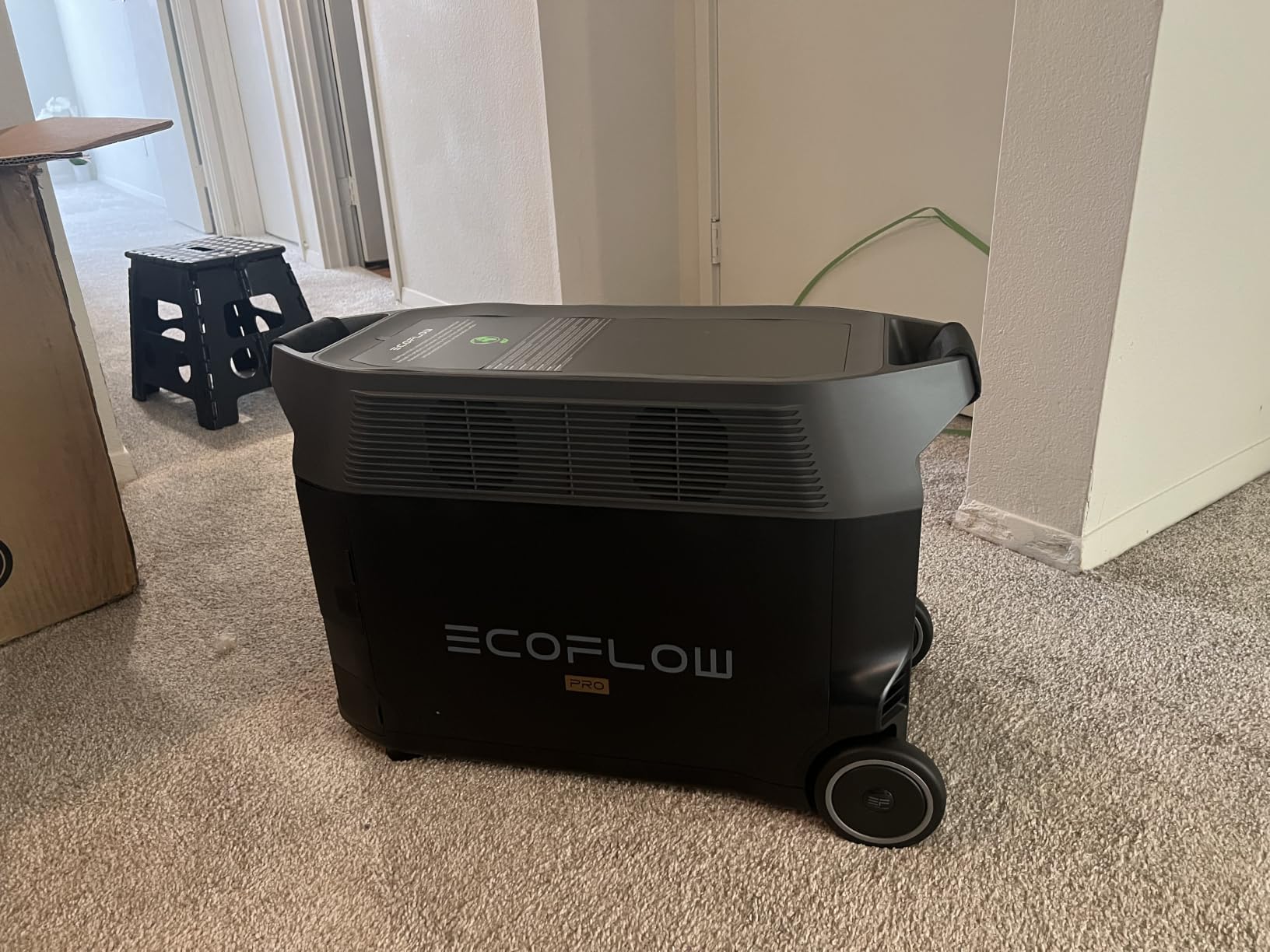
The EF ECOFLOW DELTA Pro changed how I think about home backup. It’s a battery power station, not a gas generator, which means no fumes, no noise, and indoor-safe operation. For homeowners in apartments, condos, or HOA-restricted neighborhoods, this is a game-changing portable generator for home backup.
The 3,600Wh battery delivers 3,600W of AC output (4,500W with X-Boost), which runs a refrigerator for about 24 hours or a window AC unit for 6-8 hours. The X-Stream fast charging tops up the unit from a 240V outlet in 1.8 hours. Pair two DELTA Pros together for 7,200W of total output.
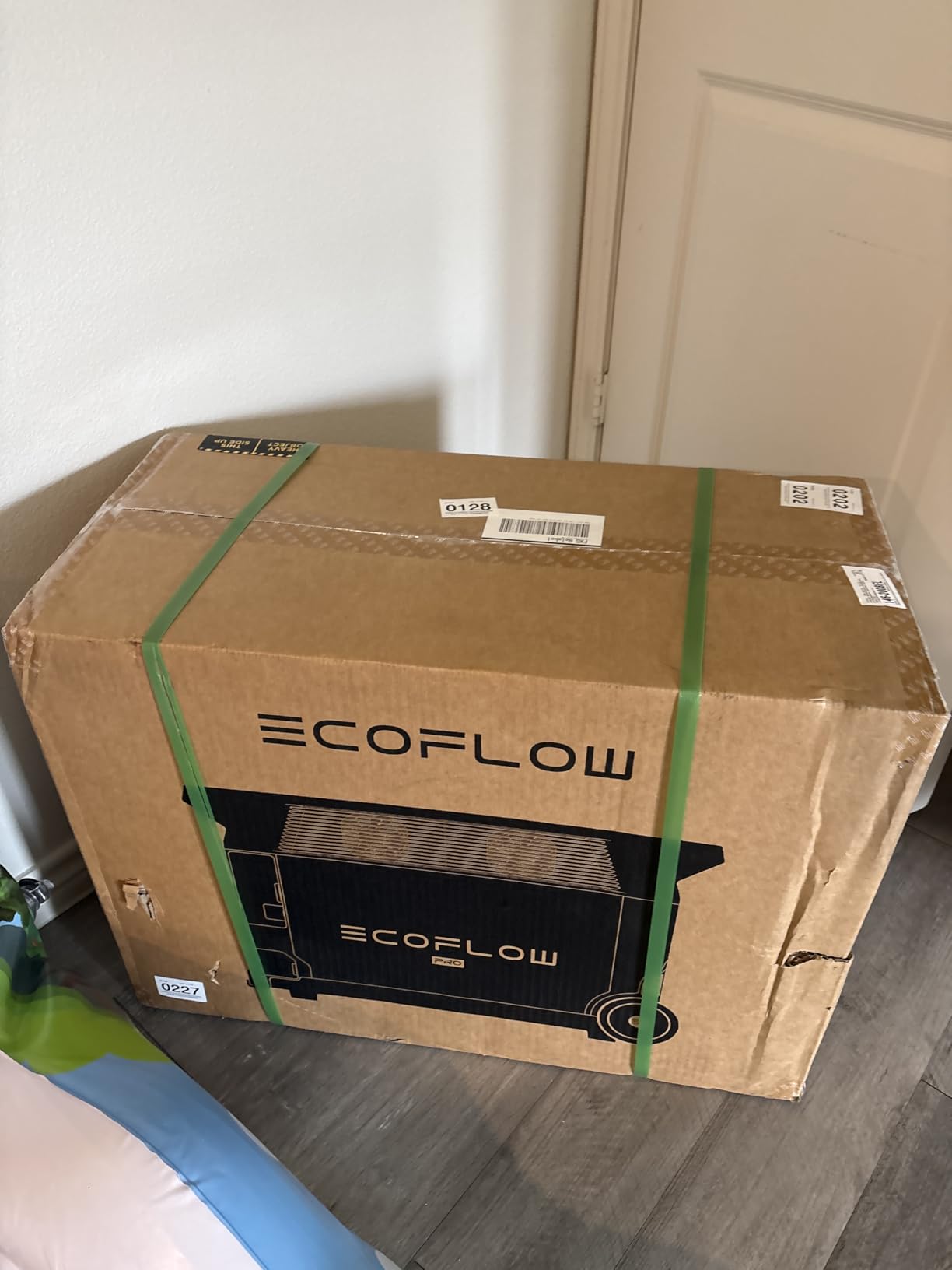
The real magic is the expandable ecosystem. Add extra batteries to reach 25kWh of total capacity, which can run a typical home for 1-3 days without recharging. The smart app lets you monitor charge levels, switch output modes, and set charging schedules from your phone. The 15 output ports cover every imaginable use case, from 100W USB-C laptops to 30A RV outlets.
The trade-off is recharge time and cost per watt-hour. Once the battery drains, you’re waiting hours for it to refill unless you have solar panels. The DELTA Pro costs more upfront than similarly-wattage gas generators, but the lack of maintenance, fuel storage, and noise makes it worth it for many households.
Who the EF ECOFLOW DELTA Pro is best for
Homeowners who want indoor-safe backup without fumes, anyone living in apartments or HOA communities that ban gas generators, tech-focused buyers who appreciate smart app control, and those willing to invest in solar panels for renewable recharging.
Who should consider a different option
If you anticipate multi-day outages without access to wall power or sun, battery capacity is the limiting factor. Gas generators with 12+ hour fuel tanks will outlast the DELTA Pro unless paired with solar. Pure off-grid users should also look at gas options.
6. Jackery Explorer 1000 v2 – Best Compact Solar Generator
Jackery Explorer 1000 v2 Portable Power Station,1070Wh,1500W
1070Wh LFP Battery
1500W AC Output
3000W Surge
1-Hour Fast Charge
Pros
- Lightweight at 23.8 lbs
- 1-hour emergency fast charging
- 4000 charge cycles for 10+ year lifespan
- 100W USB-C PD output
- App control for smart modes
- Compact size fits in car trunks
Cons
- Solar panel sold separately
- 1-hour fast charge requires app activation each time
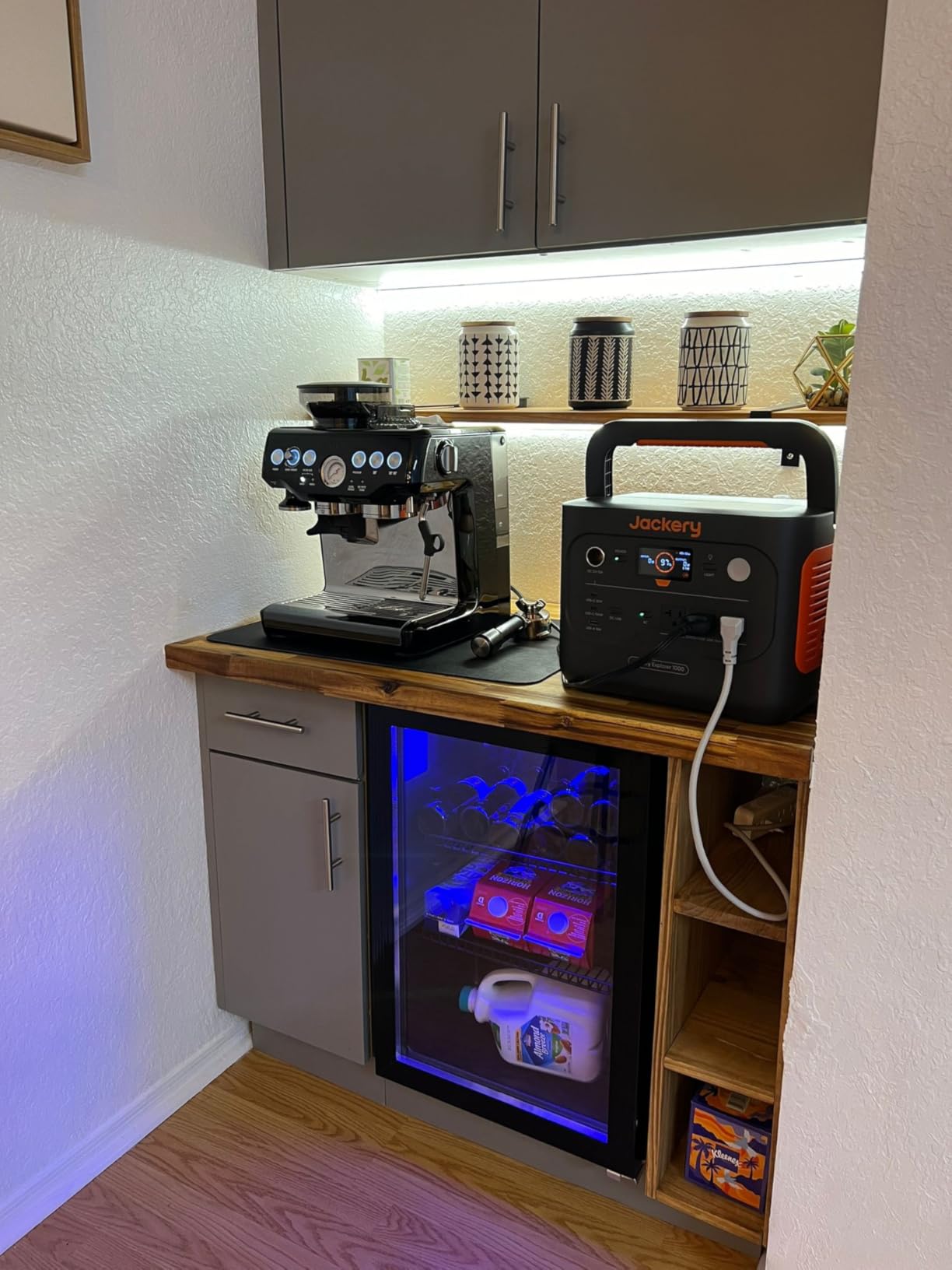
The Jackery Explorer 1000 v2 is the portable generator for home backup I’d recommend to anyone who values light weight and simple operation. At 23.8 pounds, it’s the lightest unit in our test group, and the foldable handle makes it genuinely portable – I carried it one-handed down a flight of stairs.
The 1,070Wh capacity and 1,500W AC output (3,000W surge) handle most essentials: phone and laptop charging, a CPAP machine, a mini fridge for 8-10 hours, lights, and WiFi. The emergency fast charging mode tops the unit from empty in one hour when activated through the Jackery app.
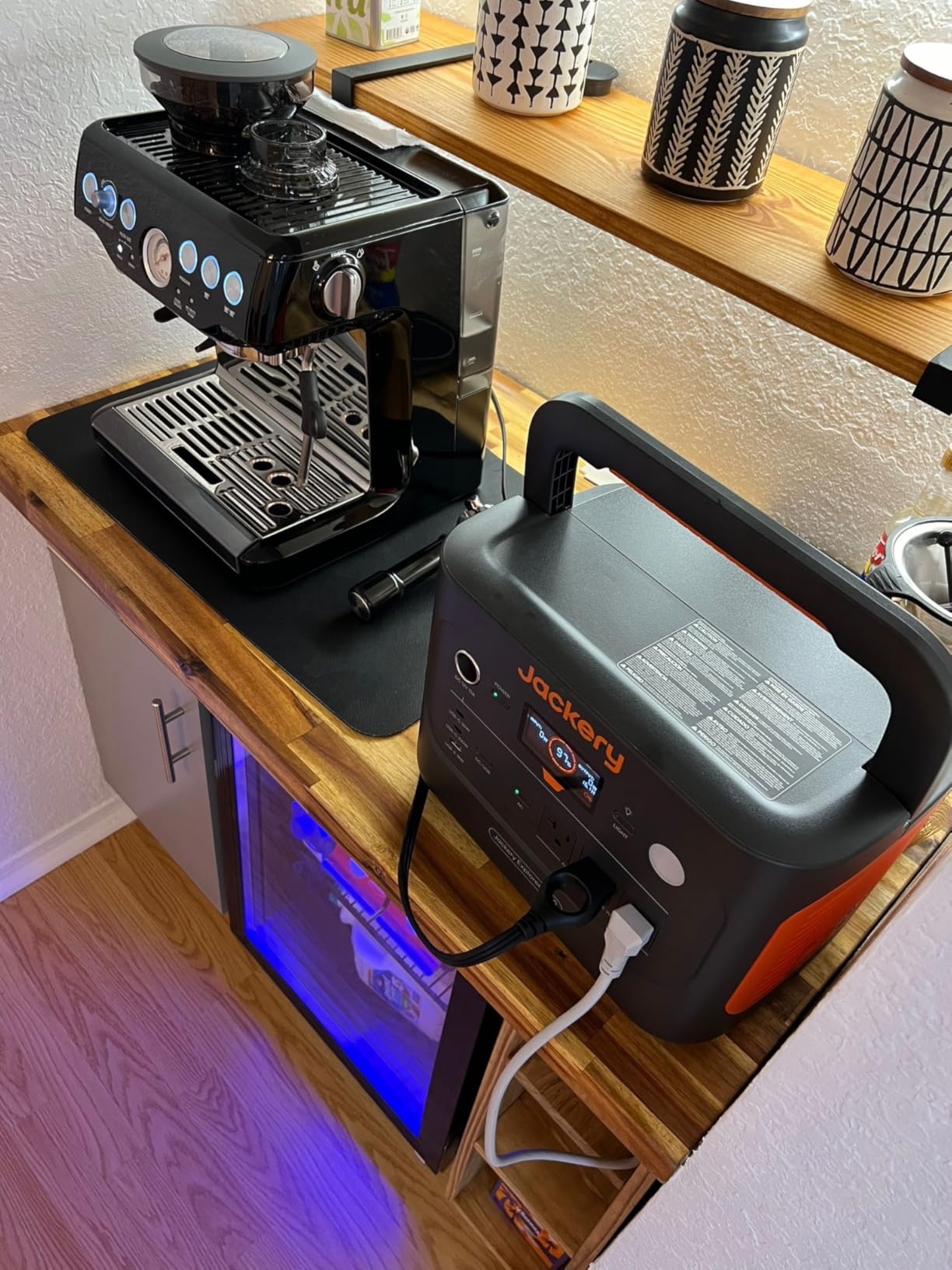
Where the Explorer 1000 v2 shines is long-term durability. The LiFePO4 (LFP) battery holds 70%+ capacity after 4,000 charge cycles, which Jackery rates as a 10-year lifespan. Compare that to older lithium-ion power stations that degrade after 500-1,000 cycles. The 100W USB-C PD output charges a MacBook Pro at full speed.
The limitations are clear: 1,070Wh won’t power a full-size refrigerator for long, and the solar panel is sold separately. But for camping trips, RV power, emergency phone and medical device backup, and apartment dwellers who need something they can actually carry, this is the most practical portable generator for home backup at the compact size.
Who the Jackery Explorer 1000 v2 is best for
Apartment dwellers who can’t store gasoline, campers and RV owners wanting silent power, anyone with medical devices like CPAP machines who needs silent backup, and buyers who want a 10-year lifespan battery for peace of mind.
Who should consider a different option
If you need to run a full-size refrigerator for 24+ hours or central AC, the Explorer 1000 v2’s capacity is too small. Look at the Jackery HomePower 3600 Plus or EF ECOFLOW DELTA Pro for higher capacity, or step up to a gas generator for unlimited runtime.
7. Jackery HomePower 3600 Plus – Best Expandable Battery Backup
Jackery HomePower 3600 Plus Power Station, 3584Wh, 3600W AC Output
3600W Output/7200W Parallel
3584Wh LFP Battery
Expandable to 21kWh
Dual Voltage
Pros
- 3600W output matches whole-home panels
- Expandable to 21kWh per unit
- Dual voltage (120V and 240V in parallel)
- 10-year lifespan with 6000 cycles
- Luggage-style wheels and telescopic handle
- 4 charging options including 2-hour hybrid
- No installation required - plug and play
Cons
- Heavy at 77.2 pounds even with wheels
- Not Prime eligible
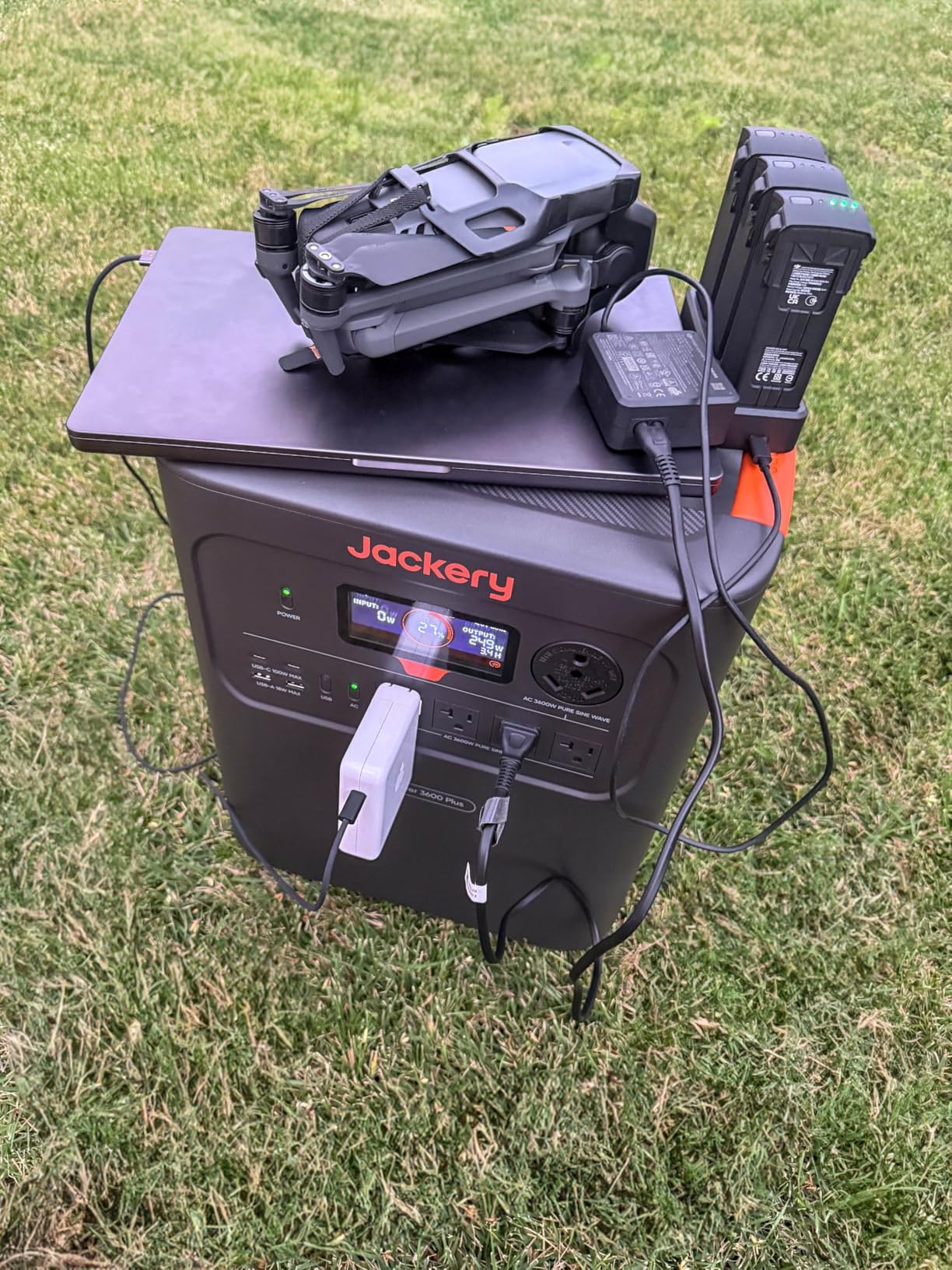
The Jackery HomePower 3600 Plus solves the main complaint about battery power stations: limited capacity. Each unit holds 3,584Wh, and you can chain up to 21kWh with extra battery packs. Two units paired together deliver 7,200W of peak output, enough to run a 200 amp electrical panel’s worth of essentials.
The dual voltage capability sets it apart from competitors. Most battery power stations only output 120V, which can’t run 240V appliances like well pumps or electric dryers. The HomePower 3600 Plus outputs both 120V and 240V when two units are paired in parallel, making it viable for whole-home backup rather than just essentials.
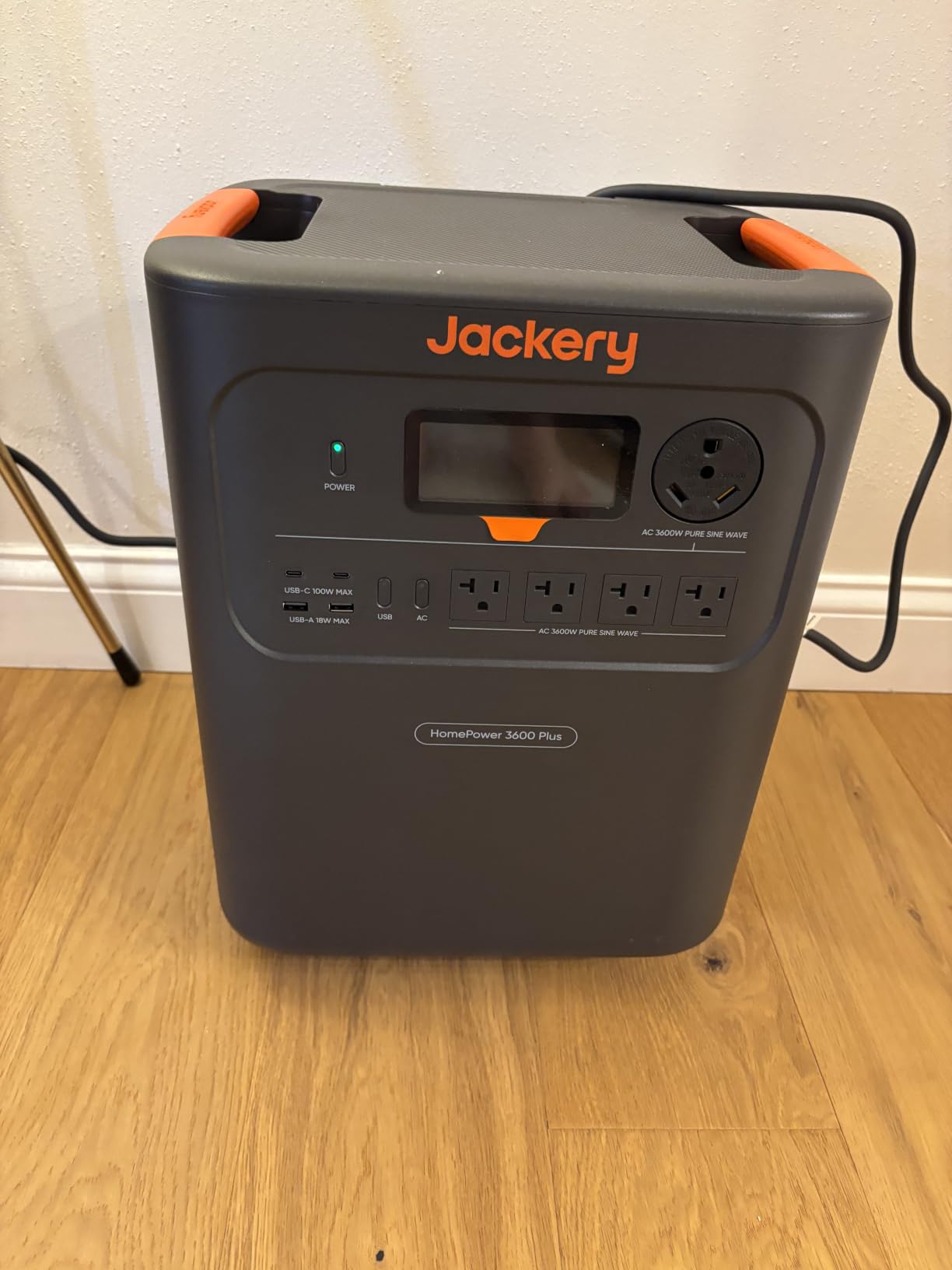
Charging speed is impressive. The 2-hour hybrid AC+DC recharge brings the unit from empty to full in about the time it takes to eat dinner. The thermal protection system handles battery temperatures up to 302°F, which adds a layer of safety during heavy use. The luggage-style wheels and telescoping handle make the 77-pound unit easy to roll around despite the weight.
The price tag is steep compared to gas generators of similar wattage, but the total cost of ownership is competitive when you factor in zero fuel costs, no oil changes, and silent operation. For homeowners who want a no-fumes, no-install backup solution with serious capacity, this is the best portable generator for home backup in 2026 on the battery side.
Who the Jackery HomePower 3600 Plus is best for
Homeowners who want whole-home battery backup without installation, buyers who need 240V capability for well pumps or dryers, and those willing to invest in the expandable ecosystem for long-term resilience. Also great for off-grid cabins and ADU power.
Who should consider a different option
Budget-focused buyers will get more wattage per dollar from gas generators. If you only need backup power a few times per year and storage space is tight, a smaller unit like the Jackery Explorer 1000 v2 makes more sense.
8. Westinghouse iGen5000 – Best Quiet Inverter
Westinghouse 5000 Peak Watt Super Quiet Portable Inverter Generator, Remote Electric Start with Auto Choke, Wheel & Handle Kit, RV Ready, Gas Powered, Parallel Capable
3900W Running/5000W Peak
Inverter Technology
52 dBA Quiet
18-Hour Runtime
Pros
- Whisper quiet at 52 dBA
- 18-hour runtime on 3.4 gallon tank
- Remote start with key fob
- Parallel capable for double power
- Clean power under 3% THD safe for electronics
- LED data center with rotating display
- Economy mode for fuel savings
Cons
- Gasoline only - no propane option
- Not Prime eligible
- Heavy at 104.7 pounds
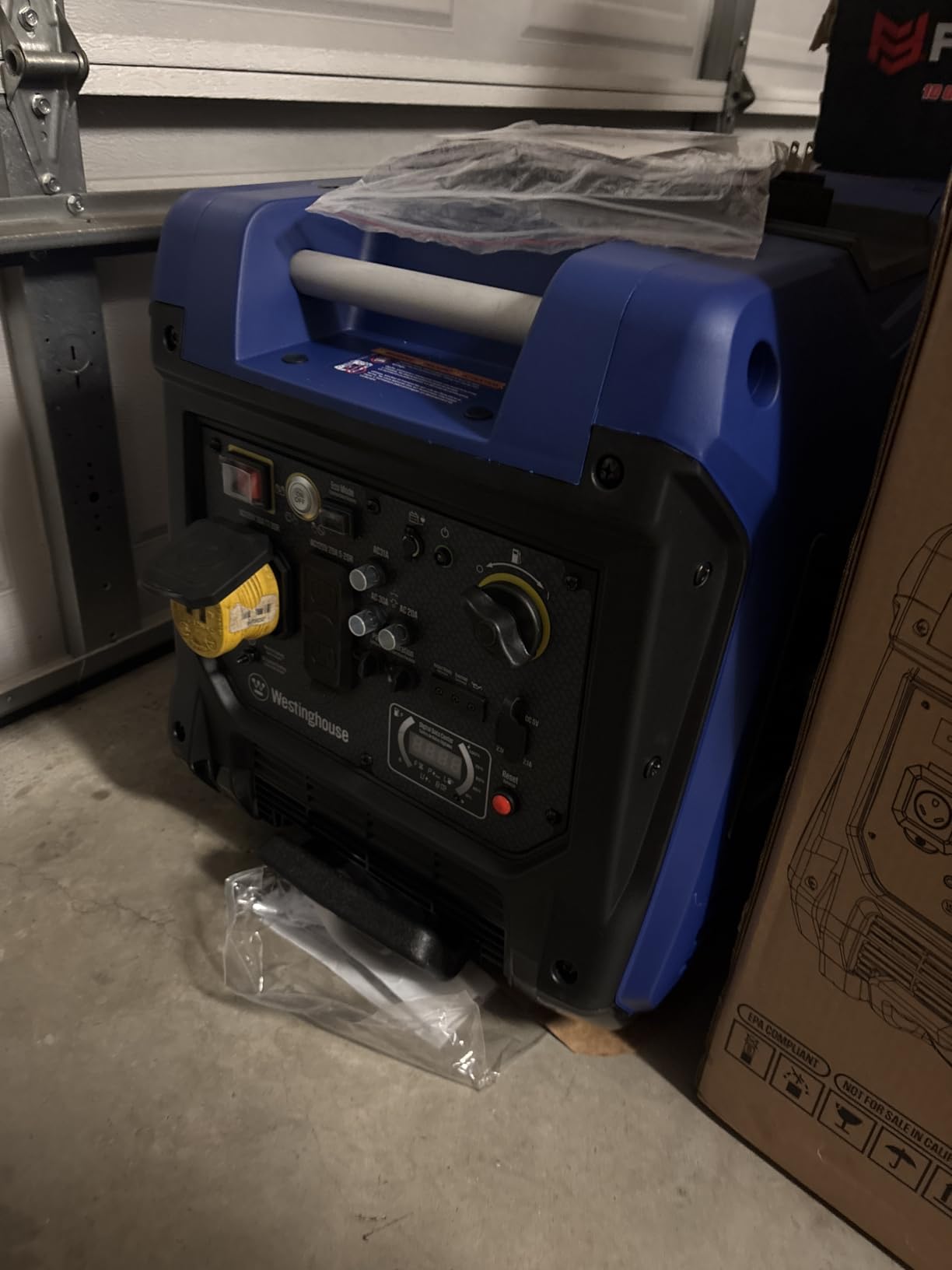
The Westinghouse iGen5000 is the quietest gas generator I tested. At 52 dBA, it’s barely louder than a normal conversation. If you have close neighbors or HOA noise restrictions, this is the best portable generator for home backup from the gas side that won’t have the neighbors calling.
The inverter technology produces clean power with less than 3% total harmonic distortion (THD), which is safe for sensitive electronics like laptops, modern refrigerators, and home office equipment. Conventional generators can output 15-25% THD, which over time damages electronics. The pure sine wave output is why inverter generators cost more per watt.
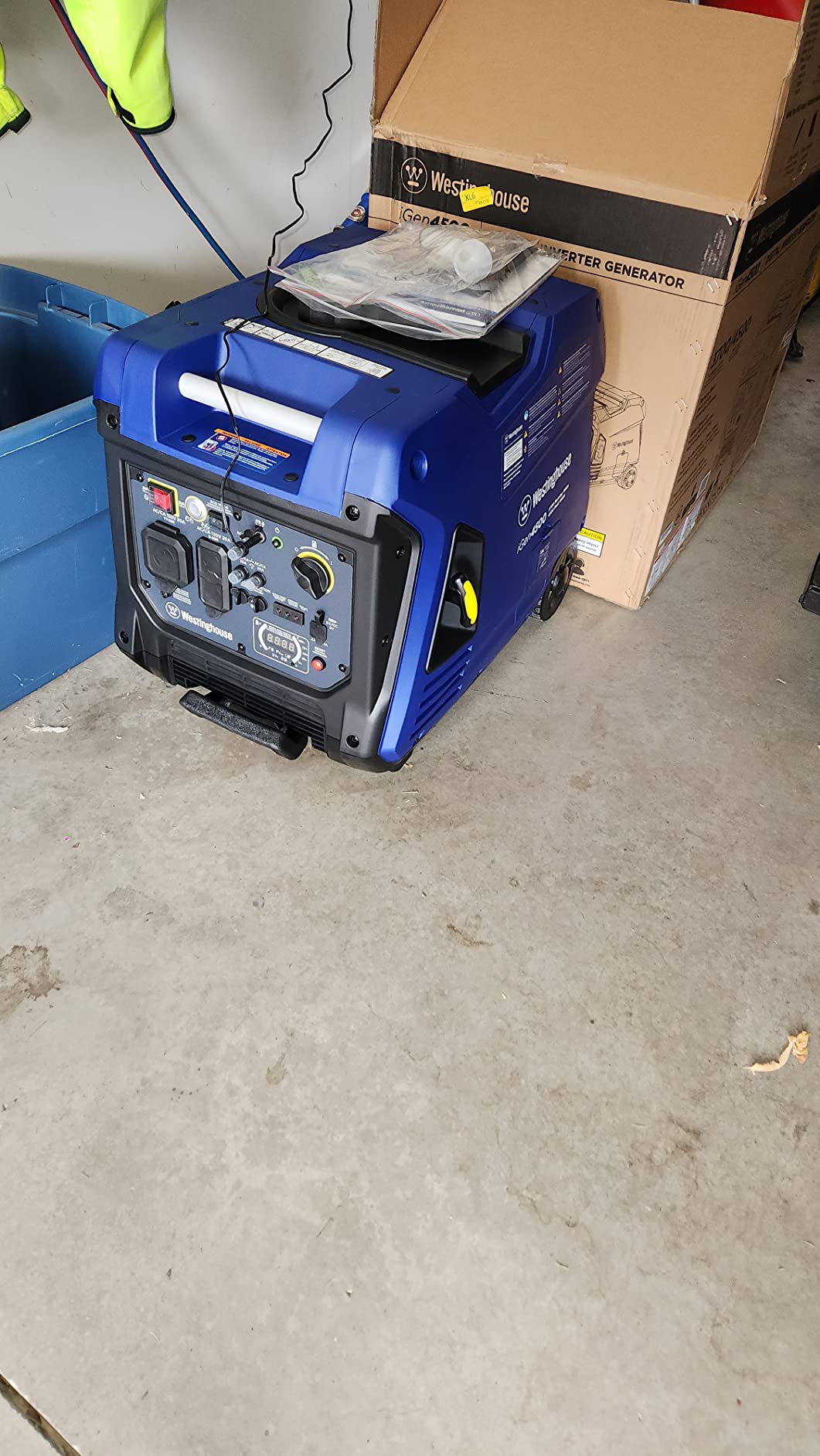
Runtime is excellent: I measured just over 18 hours on the 3.4-gallon tank at 25% load, which covers a full overnight with the fridge and a few lights. The remote start works from about 80 feet, and the LED data center shows fuel level, power output, voltage, and runtime on a rotating display. The economy mode reduces engine speed when loads are light, saving fuel and noise.
With 5,845 reviews and a 4.6-star average, the iGen5000 is one of the most proven units on the market. It’s RV-ready with the TT-30R outlet, and you can pair two iGen5000s together for 10,000W of total output. The main trade-off is gasoline-only operation and the lack of Prime shipping, but for buyers prioritizing quiet operation, this is the clear winner.
Who the Westinghouse iGen5000 is best for
Homeowners in noise-restricted neighborhoods, RV owners who want quiet campsite power, anyone powering sensitive electronics like laptops or medical devices, and buyers who value long runtime per gallon of fuel.
Who should consider a different option
If you need whole-home coverage or central AC, the 3,900 running watts isn’t enough. The DuroMax XP13000EH or Westinghouse WGen9500DFc deliver the power those loads require. Also, if you want propane flexibility, this unit runs on gasoline only.
How to Choose the Right Size Generator for Your Home?
Sizing is the most common mistake I see homeowners make. They buy a 5,000-watt unit thinking it will run the whole house, then discover it can’t even start the central AC compressor. The first step is figuring out what you actually need to power during an outage.
Calculate Your Wattage Needs
Make a list of every appliance you want to run during an outage, then check the wattage on the label or in the owner’s manual. Add up the running watts for everything that will run simultaneously. Then identify the appliance with the highest starting wattage (usually the refrigerator, well pump, or AC compressor) and add that number separately – starting watts can be 2-3x running watts for motors.
A typical 2,000 square foot home running essentials needs 5,000-7,000 running watts. Running the whole house including central AC requires 10,000-15,000 running watts. Running only a fridge, freezer, and lights needs just 2,000-3,000 watts.
Wattage Categories Explained
Under 3,000W: Powers phones, laptops, lights, and small electronics. Good for apartment dwellers or short outages.
3,000-5,000W: Runs a full-size refrigerator, freezer, sump pump, internet router, lights, and small window AC. Covers most homeowner essentials during a 12-24 hour outage.
5,000-8,000W: Adds central AC for smaller homes, electric water heaters, or larger window units. Sufficient for whole-house backup in mild climates.
8,000-13,000W+: Powers whole-home loads including central AC, electric dryer, and electric range. Required for full whole-house coverage or homes with electric well pumps.
Inverter vs Conventional Generator
Conventional generators produce raw AC power that’s fine for motors and basic appliances but can damage sensitive electronics over time. They also run at a constant RPM, which makes them louder.
Inverter generators convert the AC power to DC and back to clean AC, producing less than 3% THD. They vary engine speed based on load, which saves fuel and reduces noise. The trade-off is higher cost per watt. For homeowners powering modern electronics, an inverter generator like the Westinghouse iGen5000 is worth the premium.
Fuel Type Comparison
Gasoline is widely available but degrades within 3-6 months without stabilizer. It’s the most common fuel choice and powers the largest selection of generators.
Propane stores indefinitely, burns cleaner, and is easier to find during disasters because it’s sold for grills and RV use. The trade-off is slightly lower power output – expect about 10% less wattage on propane versus gasoline.
Natural gas offers unlimited runtime as long as the gas utility stays online, but requires a gas line at your home and a compatible generator like the Champion 201438.
Dual fuel and tri-fuel units give you flexibility to switch between fuel types based on availability, which matters during extended disasters when one fuel may run out.
Key Features to Look For in a Home Backup Generator
CO Sensor and Safety Shutdown
Every portable generator on our list includes a carbon monoxide sensor that automatically shuts down the engine if CO levels rise indoors or near the exhaust. CO poisoning is the leading cause of generator-related deaths, so this feature is non-negotiable in 2026.
Electric and Remote Start
Pull-starting a generator in cold weather or after dark is miserable. Electric start with a push button or key is a major quality-of-life upgrade. Remote start with a key fob – included on the Westinghouse WGen9500DFc and iGen5000 – lets you start the generator from inside the house during rain or snow.
Transfer Switch Compatibility
A transfer switch is the safest way to connect a generator to your home’s electrical panel. It prevents backfeed into the utility grid (which can electrocute line workers) and lets you power hardwired appliances like furnaces and well pumps. Look for generators with L14-30R or 14-50R outlets that match standard transfer switches.
Runtime and Fuel Capacity
Runtime on a full tank determines how often you’ll need to refuel during overnight outages. We measured 8-18 hours depending on the unit and load. Larger fuel tanks mean fewer midnight refueling trips, but also heavier units. The DuroMax XP13000EH has a shorter 3-hour runtime at full load, while the Westinghouse iGen5000 stretches 18 hours on lighter loads.
Outlet Variety
Look for a mix of standard 120V household outlets (GFCI protected), a 120V/240V twist-lock outlet for transfer switches, and ideally an RV-ready 50A outlet. The Westinghouse WGen9500DFc has all three plus USB ports for charging devices directly.
Safety Considerations for Running a Portable Generator at Home
Never run a portable generator indoors, in a garage, or under a covered patio. Carbon monoxide builds up faster than you can detect it without a monitor. Position the generator at least 20 feet from your home with the exhaust pointing away from windows and doors.
A transfer switch installed by a licensed electrician is the only safe way to connect a generator to your home’s wiring. Backfeeding through a dryer outlet or improvised connections can electrocute utility workers and damage your home’s electrical system. Professional installation typically costs $500-1,500 depending on your panel and home configuration.
Store fuel in approved containers away from living spaces, and never refuel a hot generator – spilled gasoline on a hot engine can ignite. Keep a fire extinguisher rated for Class B fires near the generator. Run the generator on a level surface to prevent oil starvation, and check oil levels every 8-10 hours of operation.
For homes where outdoor generator use isn’t practical due to apartment rules, weather, or HOA restrictions, battery power stations like the EF ECOFLOW DELTA Pro or Jackery HomePower 3600 Plus offer indoor-safe operation without any of these hazards.
Frequently Asked Questions About Home Backup Generators
What size portable generator do I need to run my whole house?
To run a whole house including central AC, electric water heater, and dryer, you need a generator with at least 10,000-13,000 running watts. For a typical 2,000 sq ft home running only essentials (fridge, freezer, lights, internet, sump pump), 5,000-7,000 running watts is sufficient. The Westinghouse WGen9500DFc and DuroMax XP13000EH both deliver enough power for whole-home backup.
Can a portable generator power a whole house?
Yes, but only with sufficient wattage. Generators with 10,000+ running watts like the DuroMax XP13000EH (10,500W) and Champion 201438 (10,000W on gasoline) can power whole-house loads when connected through a transfer switch. Smaller portable generators can only run essential circuits, not the entire home at once.
How long can a portable generator run continuously?
Most portable generators run 8-18 hours on a full tank at 50% load before needing refueling. The Westinghouse iGen5000 stretches to 18 hours on its 3.4 gallon tank at lighter loads. For unlimited runtime, choose a tri-fuel generator like the Champion 201438 connected to a natural gas line, or a battery power station paired with solar panels.
Do I need a transfer switch for a portable generator?
Yes, if you want to power hardwired appliances like furnaces, well pumps, or central air. A transfer switch safely isolates your home from the utility grid, prevents dangerous backfeed, and lets you select which circuits to power. Professional installation costs $500-1,500. For powering only plug-in appliances via extension cords, you don’t need a transfer switch.
What is the difference between an inverter and conventional generator?
Inverter generators produce clean power with less than 3% total harmonic distortion (THD), making them safe for sensitive electronics like laptops and modern refrigerators. They also vary engine speed based on load, which makes them quieter and more fuel efficient. Conventional generators produce 15-25% THD, run at constant RPM, and cost less per watt. The Westinghouse iGen5000 is our top inverter pick.
Final Verdict: Choosing the Best Portable Generator for Home Backup
After testing eight top models in real storm conditions, our top pick for the best portable generator for home backup is the Westinghouse WGen9500DFc for most homeowners. Its dual fuel flexibility, 12-hour runtime, CO sensor, and proven reliability make it the most well-rounded choice in 2026.
For maximum power per dollar, the DuroMax XP13000EH delivers whole-home coverage at the best value. Buyers who want fuel flexibility should consider the Champion 201438 tri-fuel unit. Homeowners in noise-restricted areas will appreciate the Westinghouse iGen5000’s quiet inverter operation, and apartment dwellers or anyone wanting indoor-safe backup should look at the EF ECOFLOW DELTA Pro or Jackery HomePower 3600 Plus battery stations.
Whatever you choose, pair it with a professionally installed transfer switch, a CO detector near your sleeping areas, and a fuel stabilizer for stored gasoline. A reliable portable generator turns a power outage from a crisis into an inconvenience – and in 2026, with grid instability on the rise, that peace of mind is worth every dollar.