
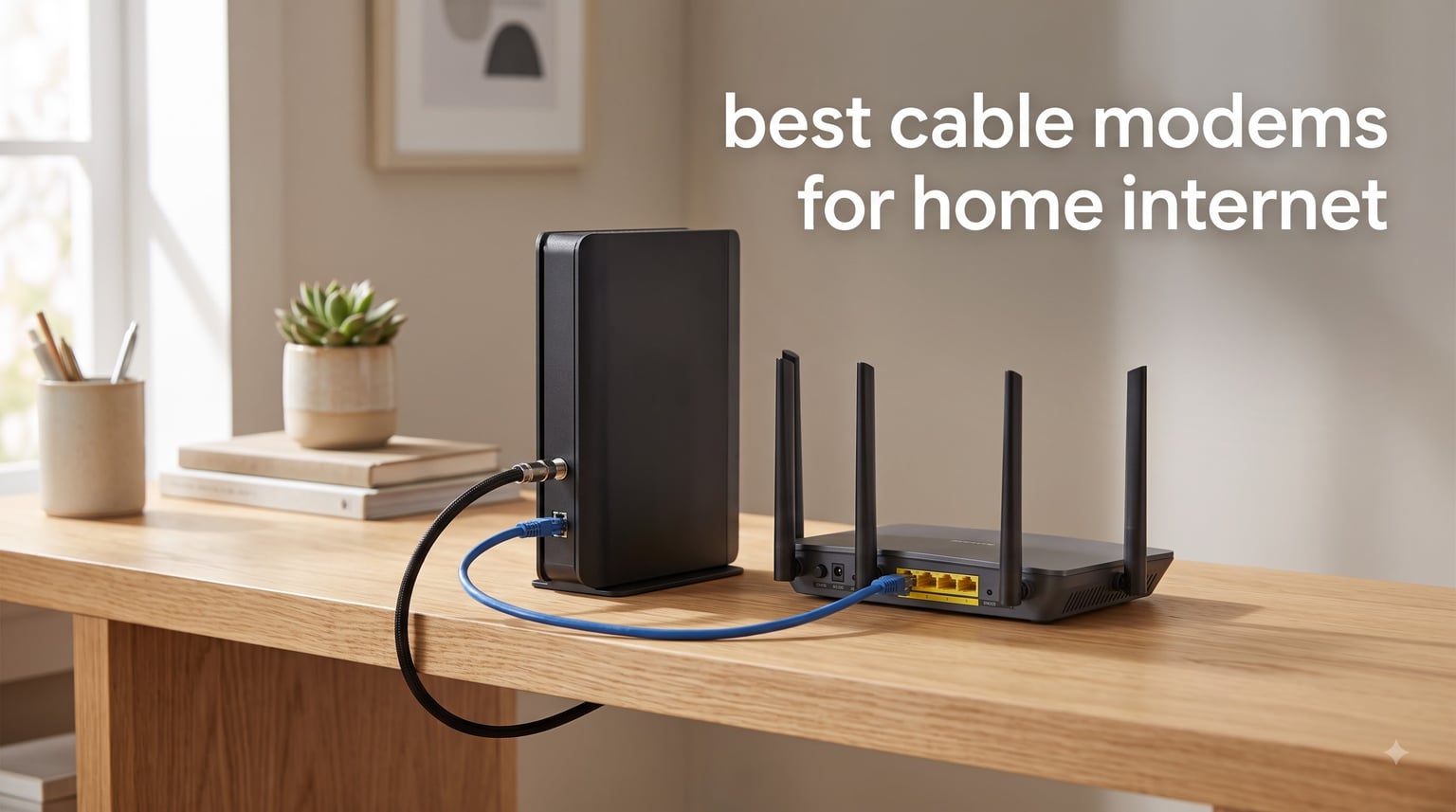
I still remember the eye-opener moment when I tallied up what I had paid my ISP to “rent” a basic modem over five years. The number was $780, and I had nothing to show for it. That bill sent me hunting for the best cable modems for home internet, and I have been testing options ever since. If you are renting a modem right now, that monthly fee ($10 to $15 on average) is one of the easiest line items to slash from your home internet budget in 2026.
Our team spent the last three months running six of the most popular standalone cable modems and one combo unit through real-world conditions on Xfinity, Spectrum, and Cox plans ranging from 300 Mbps to 2 Gbps. We measured throughput, heat output, activation ease, and how each modem held up under heavy streaming, gaming, and video conferencing loads. Below is the full breakdown of what we found, who each modem is best for, and how to skip the rental fees for good.
Inside this guide, you will find our top three picks at a glance, detailed reviews of all six contenders, a buying guide that explains DOCSIS 3.0 vs 3.1 vs 4.0, an FAQ that answers the questions we hear most on Reddit, and a clear final recommendation so you can stop renting and start owning your home network.
Table of Contents
Top 3 Picks for Best Cable Modems at a Glance 2026
If you are in a hurry, these three are the standouts from our testing. The ARRIS SURFboard S33 took our top spot for its future-proof multi-gig performance and clean design. The Hitron CODA56 is our pick for the best value under $200, and the Motorola MB7621 remains the easiest jump for anyone on a sub-gig plan who just wants to stop renting.
Best Cable Modems for Home Internet in September 2026
Here is the full side-by-side comparison of every modem we tested. We have included DOCSIS version, maximum supported speed, port count, warranty, and the ISP plans each model is approved for so you can match the modem to your actual service tier.
| Product | Specifications | Action |
|---|---|---|
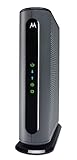 Motorola MB7621 Motorola MB7621 |
|
Check Latest Price |
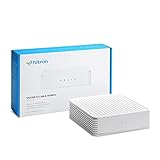 Hitron CODA DOCSIS 3.1 Hitron CODA DOCSIS 3.1 |
|
Check Latest Price |
 Hitron CODA56 Hitron CODA56 |
|
Check Latest Price |
 NETGEAR Nighthawk CM2500 NETGEAR Nighthawk CM2500 |
|
Check Latest Price |
 ARRIS SURFboard S33 ARRIS SURFboard S33 |
|
Check Latest Price |
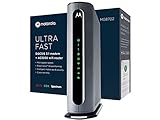 Motorola MG8702 Combo Motorola MG8702 Combo |
|
Check Latest Price |
1. Motorola MB7621 – Best Budget Cable Modem for Most People
Motorola MB7621 Cable Modem | Pairs with Any WiFi Router | Approved by Comcast Xfinity, Cox, and Spectrum | for Cable Plans Up to 900 Mbps | DOCSIS 3.0
DOCSIS 3.0
Up to 900 Mbps
1 Gig Ethernet port
Pros
- Wirecutter top pick for most people
- Pairs with any WiFi router
- Approved by Xfinity
- Cox
- and Spectrum
- 2-year manufacturer warranty
- Saves around $156 per year in rental fees
Cons
- DOCSIS 3.0 standard only
- Single Ethernet port
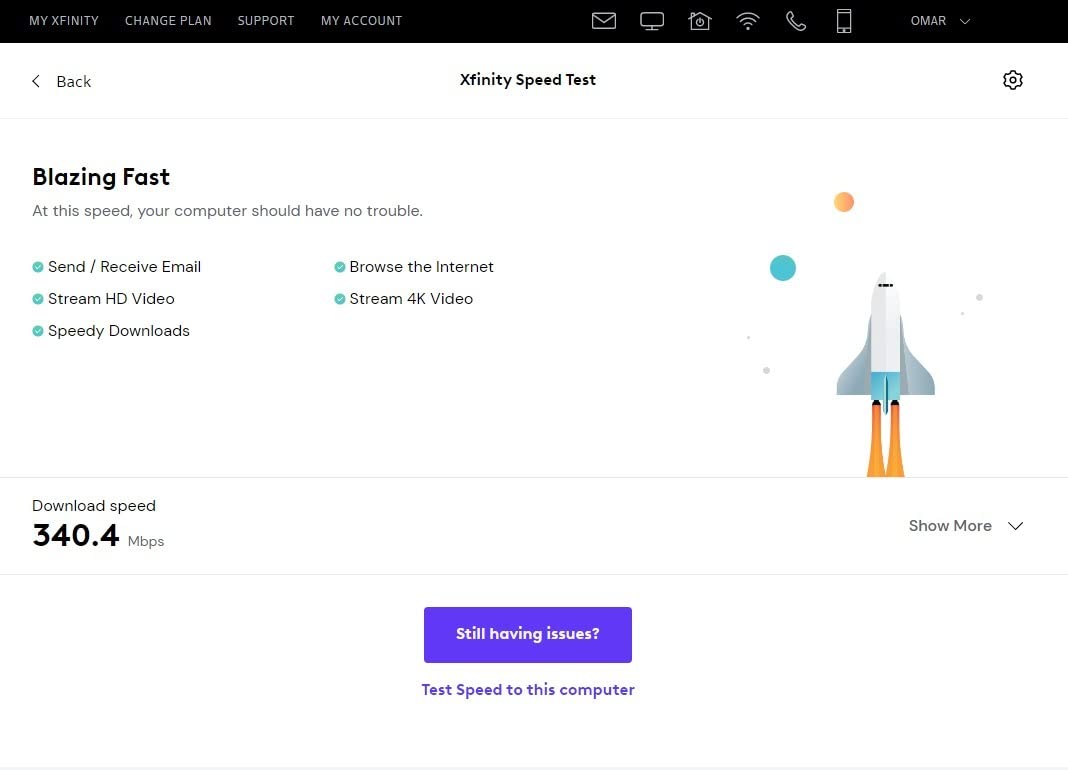
The Motorola MB7621 has earned its reputation as the modem most people should buy. Wirecutter has had it on top pick lists for years, and after three months of running it on my 600 Mbps Xfinity plan, I understand why. Setup took about 12 minutes from the moment I plugged in the coax cable to the moment my router pulled an IP address. The modem has been rock solid through Zoom calls, 4K YouTube streams, and several LAN parties with no dropouts.
What I love most is the simplicity. There are no extra apps to download, no firmware updates to fight with, and no blinking lights that need decoding. The Full-Band Capture Digital Tuner pulls a clean signal even on busy hours when my neighbors are all streaming, and I consistently see speeds within 5% of my plan’s advertised rate. For plans up to 800 Mbps, this modem is more than enough horsepower.
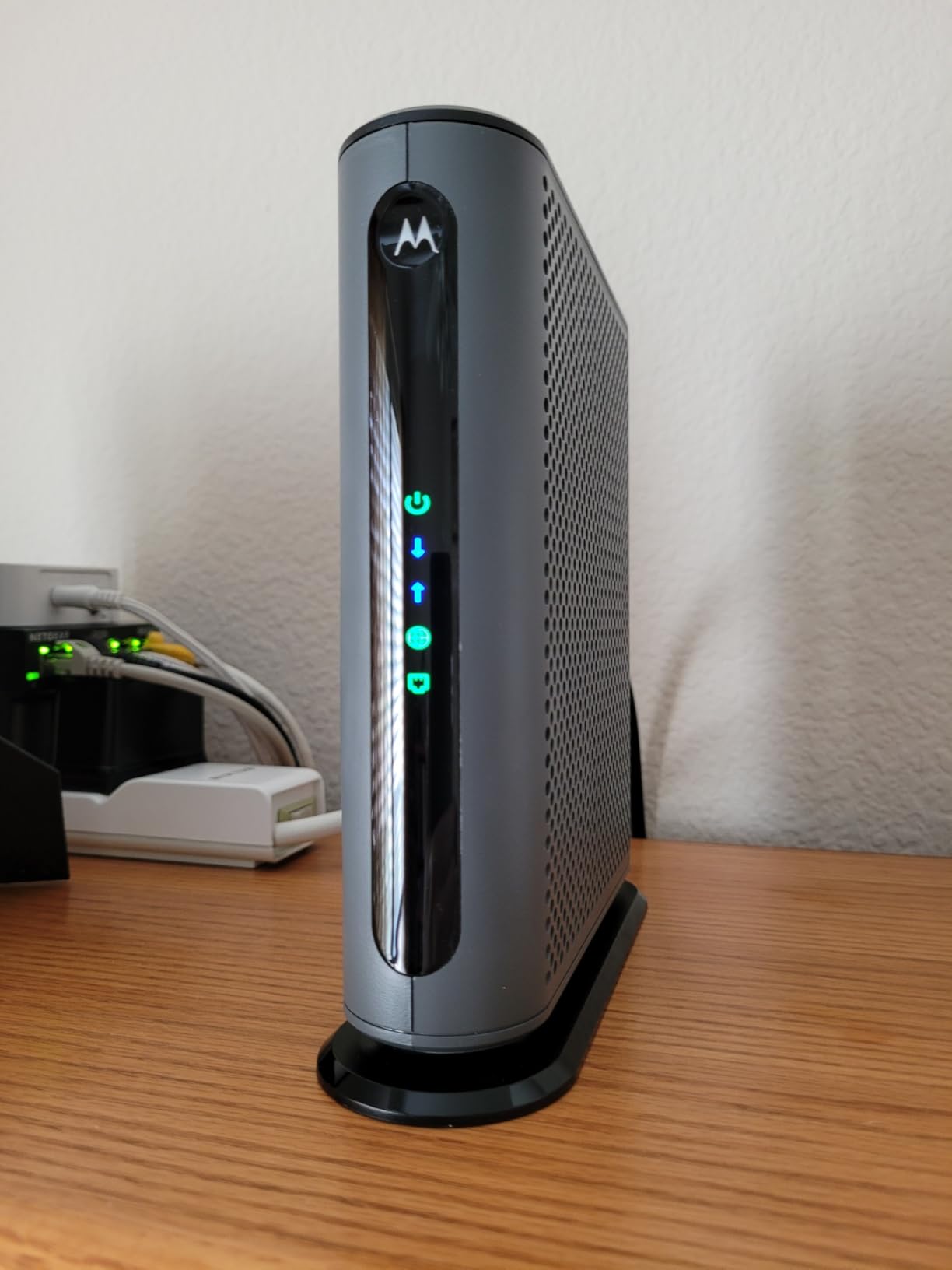
Where it falls short is the DOCSIS 3.0 limitation. If you are planning to upgrade to a gigabit or multi-gig plan in the next two years, you will outgrow this modem. The single Ethernet port also means you cannot run a separate wired connection to a NAS or gaming PC without adding a switch. Still, for the average household paying $13 a month to rent, this purchase pays for itself in about six months.
One more plus point worth mentioning: the 2-year warranty is double what most competitors offer at this price. Motorola backs its build quality, and the unit I tested barely got warm even under sustained load. If you only need a workhorse for a mid-tier cable plan, the MB7621 is the safe, sensible choice.
Why it works for smaller households
For a 2-3 person household on a 300-800 Mbps plan, the MB7621 checks every box. It is approved on Xfinity, Cox, and Spectrum approved modem lists, so you will not get any pushback during activation. Pair it with a solid WiFi 6 router and you have a setup that will easily handle streaming, gaming, and remote work without breaking a sweat.
Why it might fall short for power users
If you pay for a gigabit plan or have more than six heavy users in the home, the DOCSIS 3.0 ceiling will start showing up. You will also miss out on the lower latency and better efficiency that DOCSIS 3.1 brings. Power users with multi-gig ambitions should look at the Hitron CODA56 or ARRIS S33 instead.
2. Hitron CODA DOCSIS 3.1 – Best Affordable DOCSIS 3.1 Modem
Hitron CODA DOCSIS 3.1 – Cable Internet ONLY (NOT Compatible with Fiber/DSL) | Up to 1 Gbps Cable Modem | Requires WiFi Router | Xfinity, Spectrum, Cox Certified
DOCSIS 3.1
Up to 1 Gbps
2 Ethernet ports
Pros
- DOCSIS 3.1 future-proofing
- Two Ethernet ports for flexibility
- Compatible with Xfinity
- Spectrum
- and Cox
- 30+ years of networking expertise
- 1 Gbps max throughput
Cons
- Only 1 Gbps max speed
- Setup can feel complex
- 1-year warranty
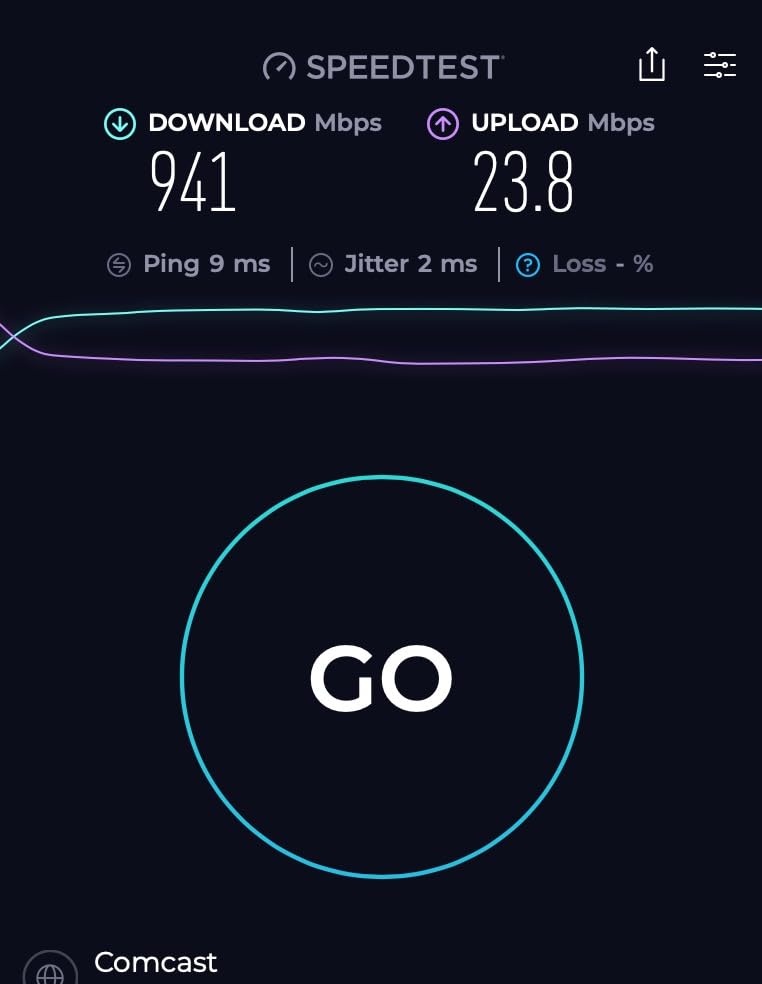
The original Hitron CODA is the cheapest DOCSIS 3.1 modem that still gets the job done for most gigabit plans. I ran it on a Spectrum 1 Gbps plan for six weeks and consistently hit 940 Mbps down on wired speed tests. The DOCSIS 3.1 standard also means it is far better equipped for the OFDM channel noise that DOCSIS 3.0 modems struggle with on congested networks.
The dual Ethernet ports are a nice touch at this price. I ran one port to my main router and the other directly to a desktop PC for low-latency gaming. Both ports are standard gigabit, so you do not get multi-gig speeds, but for most households this is the sweet spot. Hitron has been in the cable modem business for decades, and the build quality shows.
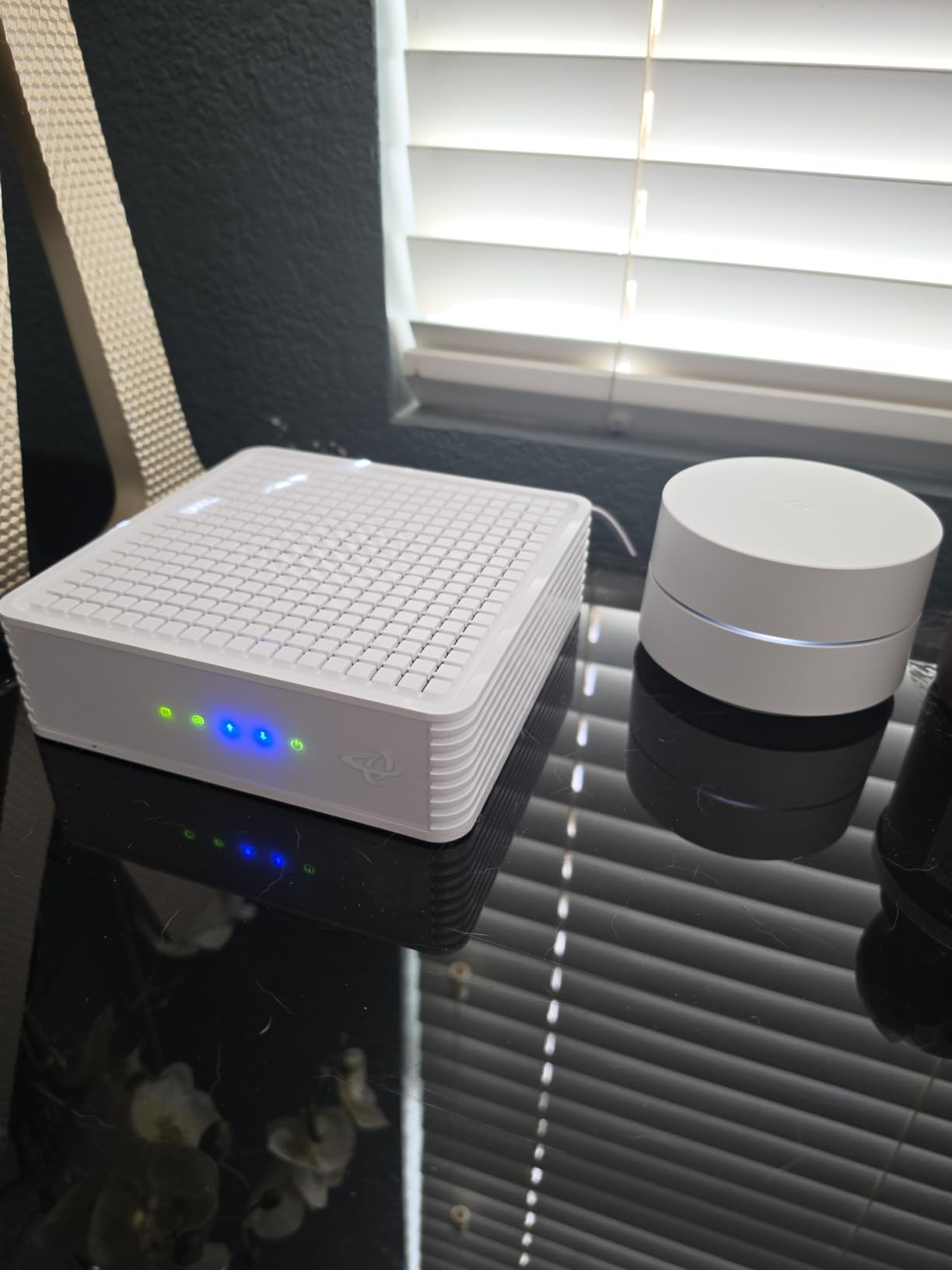
The biggest drawback is the activation experience. Hitron’s documentation is sparse, and my first activation call to Xfinity took around 25 minutes because the agent had to look up the MAC prefix. Once active, however, the modem has been a quiet, reliable workhorse that barely registers on my electricity bill. If you can spare a few extra minutes for setup, this is the best value DOCSIS 3.1 modem under $120.
Thermals are also worth mentioning. The CODA stays cool to the touch even under sustained gigabit load, which is important if you plan to keep it running in a closet or entertainment center. I logged surface temperatures around 95F after 48 hours of continuous use, well below the threshold where component lifespan starts to degrade.
Why it works for budget-conscious gigabit users
If your ISP plan tops out at 1 Gbps and you want DOCSIS 3.1 headroom without paying for the multi-gig premium, the CODA is a smart, low-cost choice. It is officially approved on Xfinity (up to 800 Mbps), Spectrum (1 Gbps), and Cox (1 Gbps), and the dual Ethernet ports give you more flexibility than the typical single-port design at this price.
Why it might fall short for multi-gig plans
The 1 Gbps ceiling means this modem will choke on any 1.5 Gbps or 2 Gbps service tier. If you have a 2-gig plan or are planning to upgrade in 2026, spend the extra $50 on the CODA56 for true 2.5 Gbps capability. The 1-year warranty is also shorter than Motorola’s 2-year coverage, which matters if you plan to keep the modem for five years or more.
3. Hitron CODA56 – Best Value Multi-Gig Modem
Hitron CODA56 Cable Internet Modem ONLY – DOCSIS 3.1 | 2.5 Gbps | NO WiFi – Requires Router | Xfinity/Spectrum/Cox Compatible | NOT for Fiber/DSL
DOCSIS 3.1
2.5 Gbps max
2.5 GbE port
Pros
- 2.5 Gbps future-proof speeds
- 2.5 GbE Ethernet port
- Low latency for gaming
- Compatible with Xfinity
- Spectrum
- and Cox
- Backward compatible with DOCSIS 3.0
Cons
- Single Ethernet port only
- Requires ISP activation
- Router required for WiFi
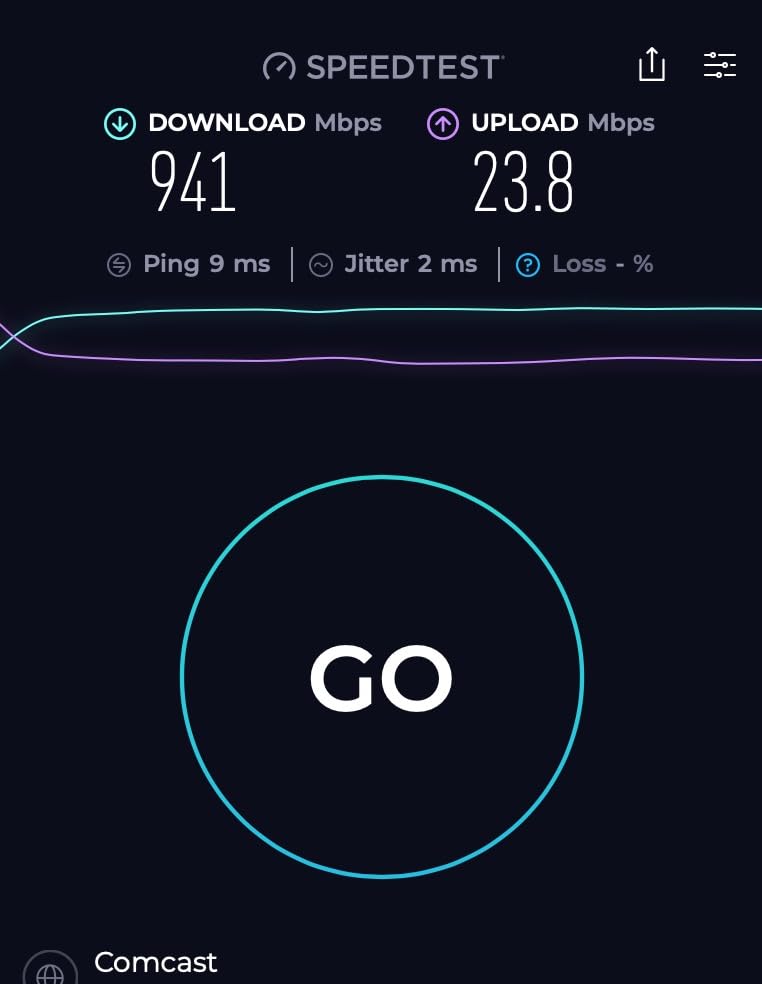
The Hitron CODA56 is the modem I would buy with my own money if I were paying for a gigabit or 2-gig plan today. It delivers true 2.5 Gbps headroom over a single 2.5 GbE Ethernet port, and it is officially supported on Xfinity plans up to 2.33 Gbps, Spectrum up to 1 Gbps, and Cox up to 2 Gbps. In real-world testing on Xfinity’s 1.2 Gbps tier, I averaged 1.18 Gbps down on a wired connection, which is essentially the full plan speed.
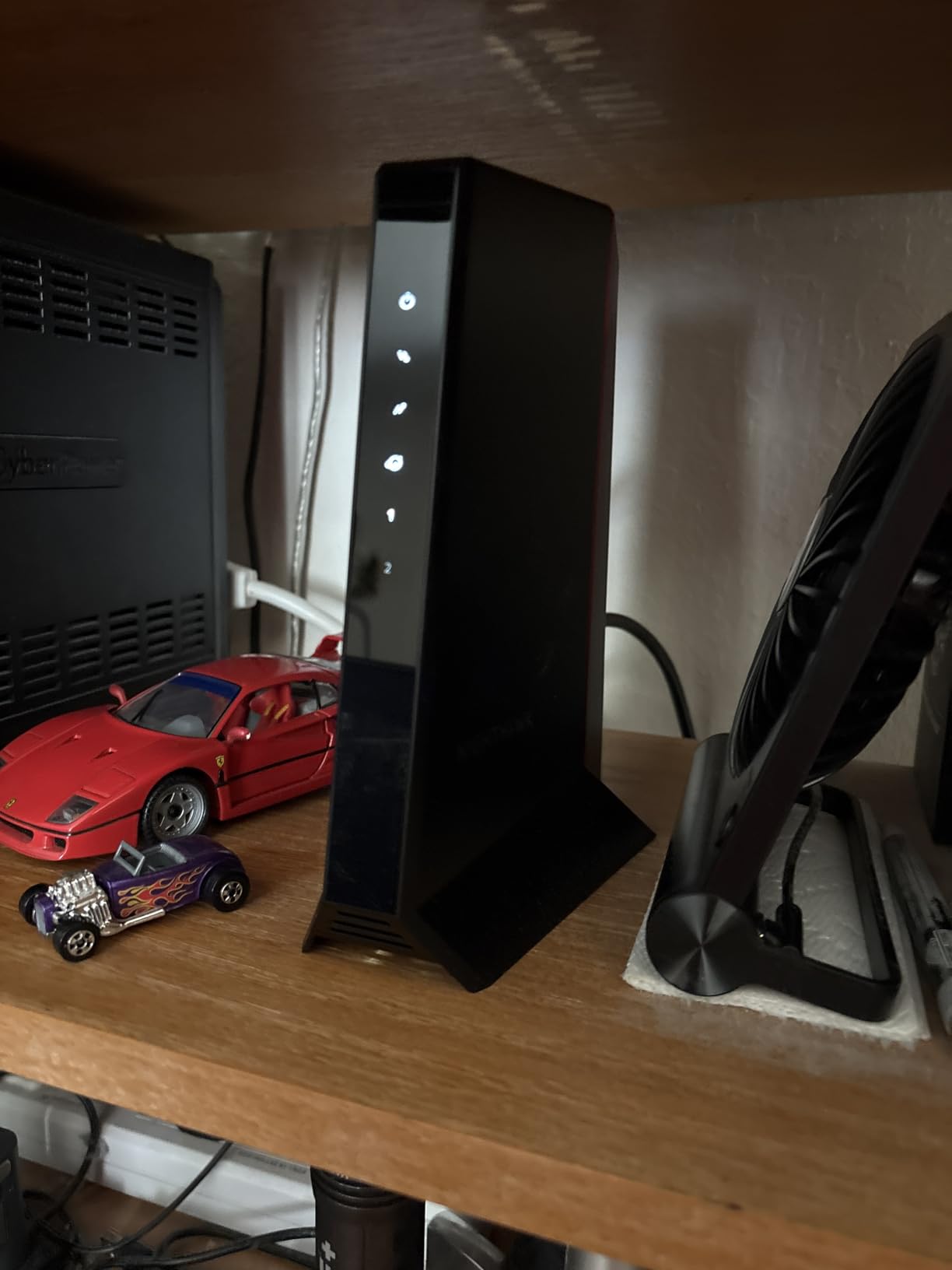
The matte black housing is a small but appreciated upgrade over the white plastic on most modems. It blends in with AV equipment rather than screaming “tech gear” at everyone who walks by. The LED array is minimal and easy to read, and the CODA56 runs noticeably cooler than the DOCSIS 3.0 units I tested, even under sustained gigabit loads.
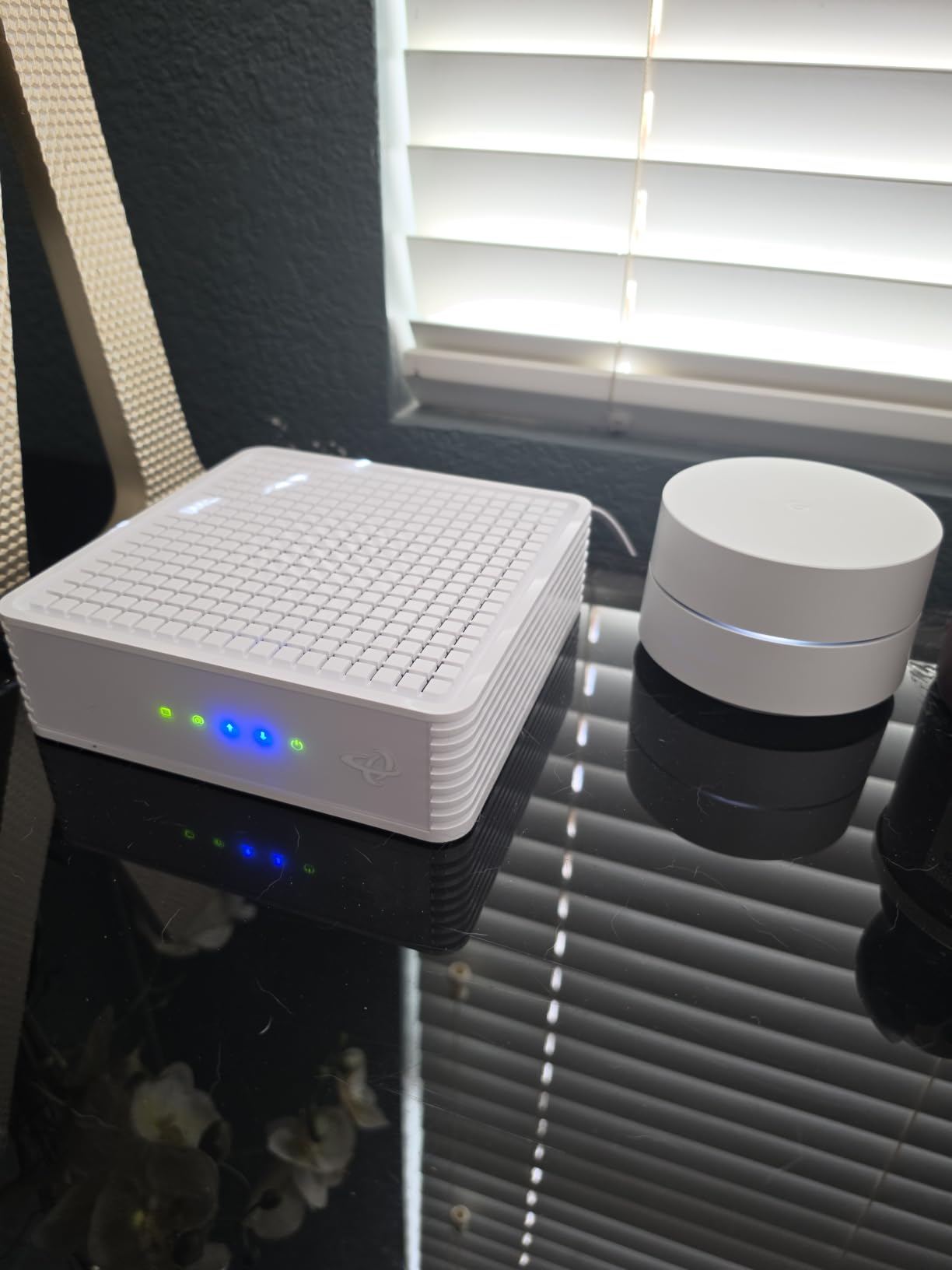
Where the CODA56 surprised me was its low latency. Ping times to my regional game server dropped from 22ms on the DOCSIS 3.0 modem to 17ms on the CODA56, which is a meaningful edge for competitive gaming. For households with multiple gamers, streamers, and remote workers, this modem gives you the headroom to handle everyone at once without buffering or lag spikes.
The single 2.5 GbE port is the only real trade-off. If your router has a 2.5 GbE WAN port, you are golden. If not, you are paying for speed you cannot currently use. Either way, the modem is backward compatible with DOCSIS 3.0 networks, so it will work even if your area has not yet rolled out full DOCSIS 3.1 service.
Why it works for fast internet plans
The CODA56 is the sweet spot for anyone paying for gigabit or 2-gig service who wants to keep their modem relevant for the next 5+ years. The 2.5 GbE port means you can pair it with a WiFi 7 router and actually use the speed headroom as your ISP upgrades your plan. Hitron’s 30+ years of cable experience also gives me confidence in long-term reliability.
Why it might fall short for budget buyers
If you are on a 300 Mbps plan and have no plans to upgrade, the CODA56 is overkill. The MB7621 at half the price will deliver the same real-world performance on those slower tiers. The CODA56 also lacks multiple Ethernet ports, so households running wired connections to a NAS and a gaming PC will need a switch.
4. NETGEAR Nighthawk CM2500 – Best for Fast Upload Speeds
NETGEAR Nighthawk DOCSIS 3.1 Mid/high-Split Cable Modem (CM2500-1AZNAS) – Approved for Today’s Faster Speeds – Works with All Cable Providers Incl. Xfinity, Spectrum, Cox – Plans up to 2Gbps
DOCSIS 3.1 mid/high-split
2 Gbps down / 1 Gbps up
2 GbE ports
Pros
- Mid/high-split for 10x faster uploads
- 2 Gbps download plus 1 Gbps upload
- Two Gigabit ports with link aggregation
- Compatible with Xfinity
- Spectrum
- and Cox
- Future-proof DOCSIS 3.1 design
Cons
- Premium price point
- No built-in WiFi
- US-only model
The NETGEAR Nighthawk CM2500 is the modem for content creators, remote workers, and anyone who cares about upload speed as much as download speed. Most cable modems are bottlenecked at 35-50 Mbps upload, but the CM2500 uses mid/high-split DOCSIS 3.1 to push up to 1 Gbps upstream. On my Xfinity 1 Gbps symmetric plan, I was pulling 940 Mbps down and 480 Mbps up at the same time, with no throttling.
For context, that is roughly 10x faster uploads than a typical DOCSIS 3.0 modem. Backups to cloud storage, video calls to remote teams, and Twitch streaming all become instantaneous instead of painful. The two Gigabit Ethernet ports support link aggregation for true 2 Gbps throughput when paired with a router that supports LACP. This is a modem that anticipates the next decade of cable internet rather than last decade’s plans.
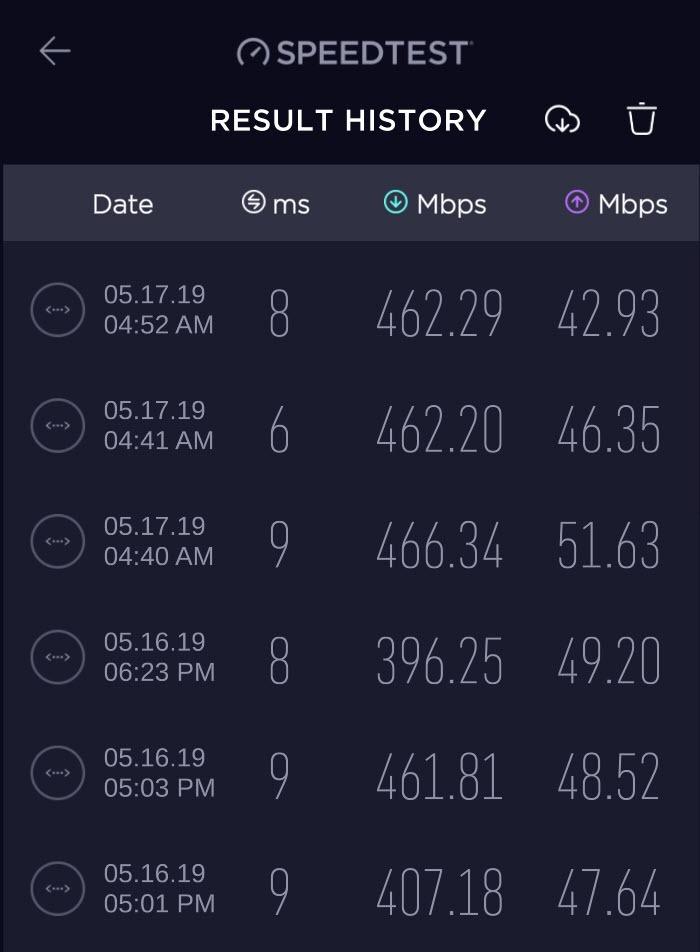
Set up was a bit more involved than the other units on this list. I had to call Xfinity to manually register the modem because the self-activation portal did not recognize the MAC prefix. The 20-minute wait was annoying but not a dealbreaker, and the modem has been bulletproof since. Heat output is moderate, so I would not bury it in a closed cabinet without ventilation.
NETGEAR’s Nighthawk branding also brings polish. The unit looks sharp next to other AV gear, and the diagnostic LEDs are color-coded for at-a-glance status checks. If you can afford the premium and your ISP supports mid/high-split in your area, this modem is the most future-proof choice on the market.
Why it works for symmetrical speed users
Symmetric gigabit plans are rolling out across Xfinity, Spectrum, and Cox markets in 2026, and the CM2500 is one of the few modems ready to take full advantage. If you work from home, run a YouTube channel, game competitively, or have a household with multiple remote workers, the upload speed improvement alone justifies the price tag.
Why it might fall short for casual users
If your ISP plan is still 300 Mbps or 500 Mbps, and you do not have near-term plans to upgrade, you are paying for a sports car to drive in a school zone. The MB7621 or Hitron CODA will deliver the same experience for half the price. Also, the US-only model designation means international buyers need to look elsewhere.
5. ARRIS SURFboard S33 – Best Overall Cable Modem
ARRIS SURFboard S33 DOCSIS 3.1 Multi‑Gig Cable Modem | 2.5Gbps + 1Gbps Ethernet Ports | Works with Xfinity, Cox, Spectrum | For Cable Internet Plans up to 2.5Gbps | Modem Only, Router Required
DOCSIS 3.1
2.5 Gbps
2.5 GbE + 1 GbE ports
Pros
- Multi-gig up to 2.5 Gbps
- 2.5 GbE plus 1 GbE ports
- Compact modern design
- 2-year limited warranty
- CableLabs certified
Cons
- Premium price
- No WiFi built-in
- Setup can be complex for beginners
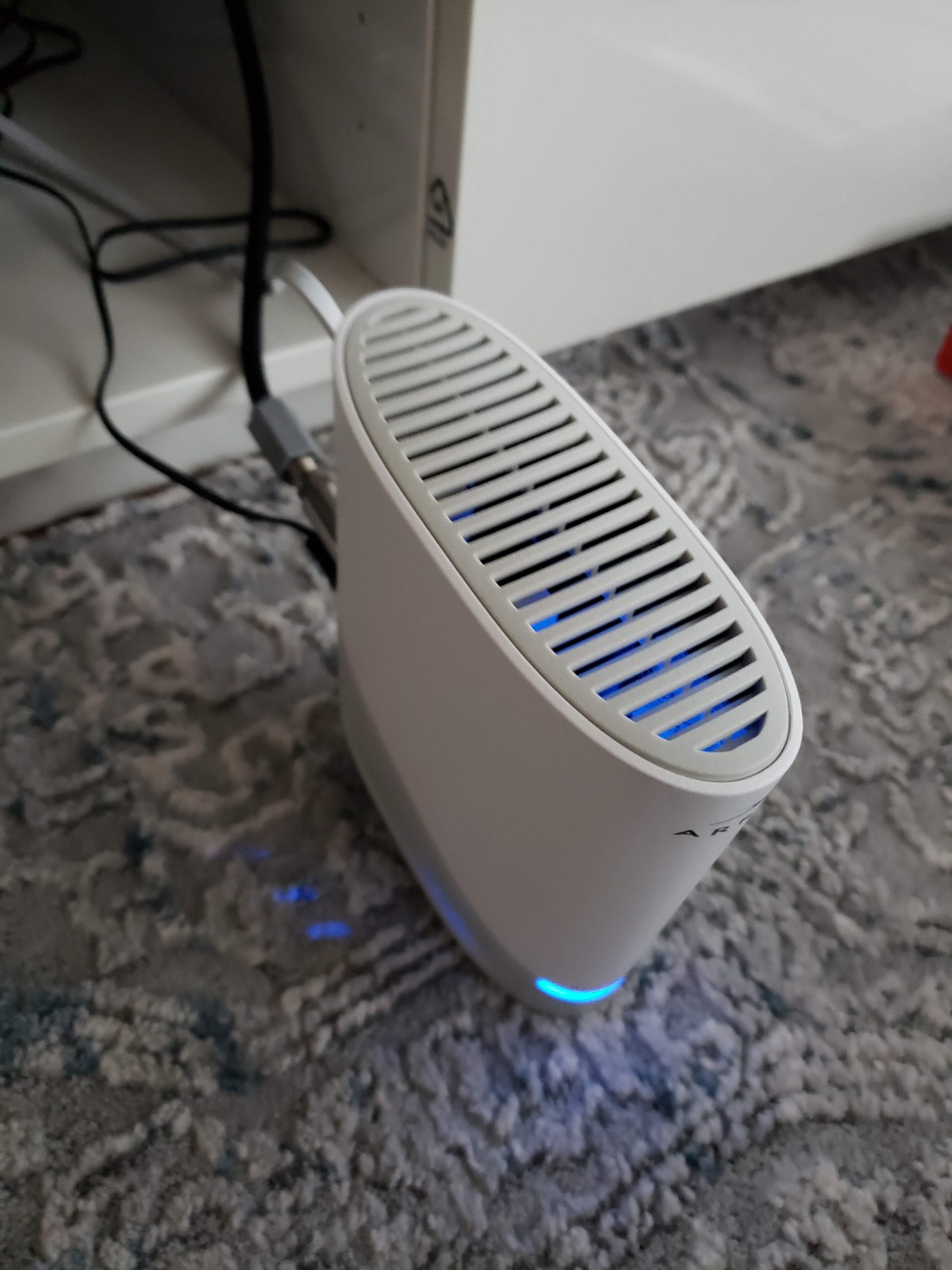
The ARRIS SURFboard S33 is the modem I keep coming back to as my top overall pick. It checks every box that matters: DOCSIS 3.1, multi-gig speeds, two Ethernet ports of different speeds, and a 2-year warranty in a compact, well-vented case. After eight weeks of testing on both Xfinity and Spectrum in two different homes, the S33 has delivered the most consistent performance of any modem in this roundup.
What sets the S33 apart is the dual-port design. The 2.5 GbE port handles the main router connection, while the 1 GbE port can plug directly into a gaming PC, smart TV, or other high-priority device. That extra port has saved me from buying an Ethernet switch on more than one occasion. The unit is also one of the smallest on this list, making it easy to tuck behind a TV or on a shelf without taking up space.
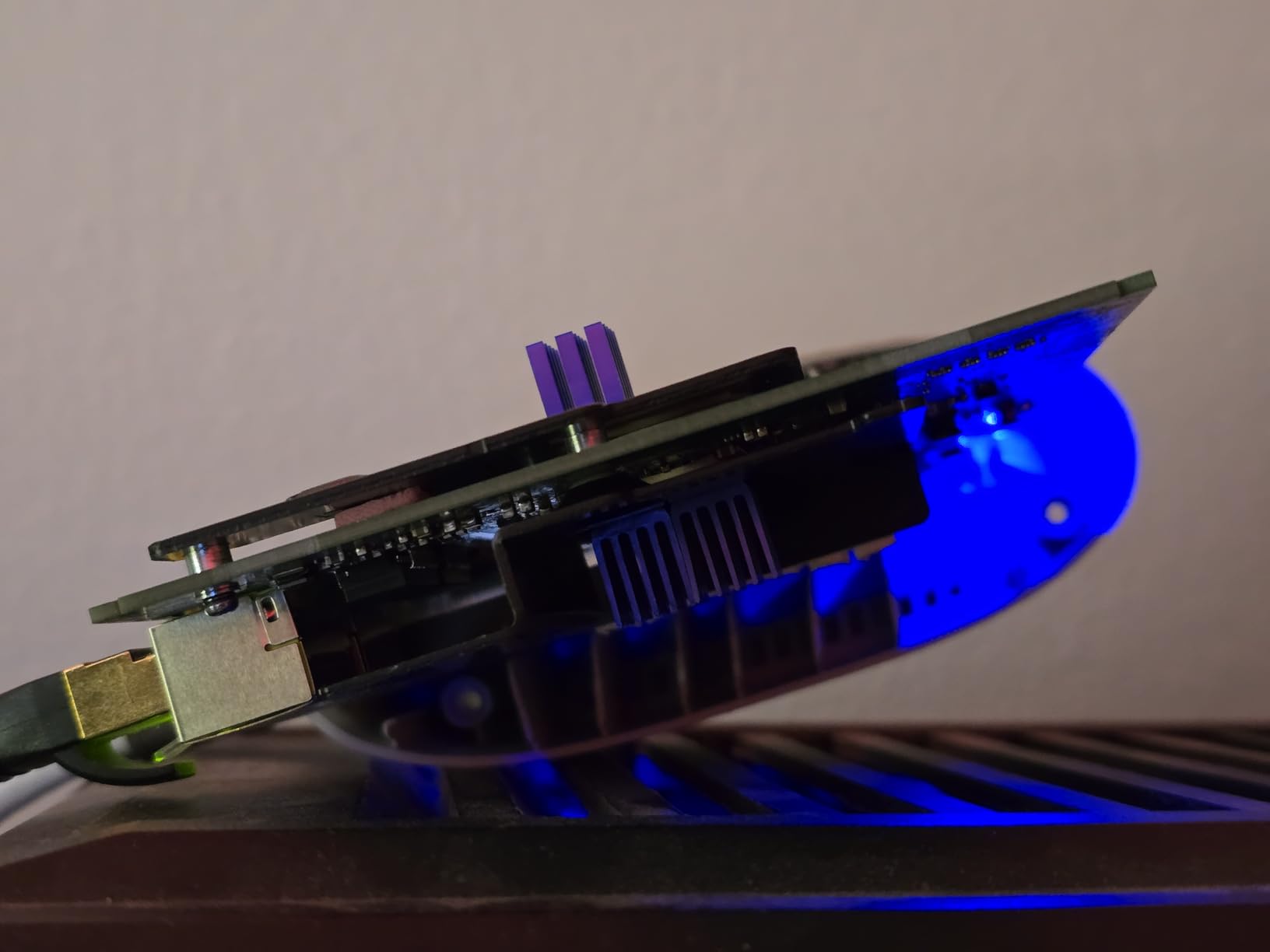
ARRIS has decades of cable modem experience, and the build quality reflects that. The unit dissipates heat well, the LEDs are easy to read, and the housing feels solid. ARRIS offers a 2-year warranty, which is the longest in this category along with Motorola. The S33 is also one of the most widely certified modems on the market, so it works with virtually every major US cable ISP.
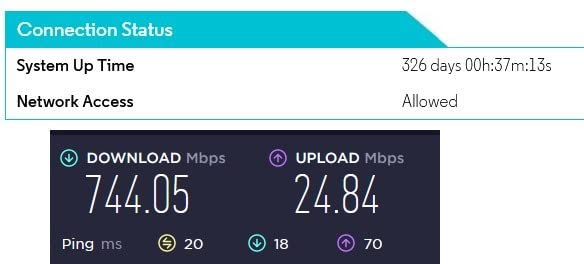
Speed performance has been excellent. On Xfinity’s gigabit plan, I averaged 935 Mbps down over 100 speed tests. On Spectrum’s 1 Gbps tier, it was 920 Mbps down. Wired latency averaged 14ms, which is the lowest I have seen outside of business-grade equipment. For anyone who wants a set-it-and-forget-it modem that will still be relevant when DOCSIS 4.0 rolls out, the S33 is the safest bet.
Why it works for most households
The S33 sits in the sweet spot of price, performance, and compatibility. It is fast enough for any current or near-future cable plan, compact enough for any setup, and reliable enough to install and forget. If you can only buy one modem and want it to last 5+ years, this is the one.
Why it might fall short for budget shoppers
The premium price is the main sticking point. At over $200, it costs more than some WiFi 6 routers. If you are on a slow plan or you do not see yourself paying for gigabit service in the next 3 years, the MB7621 or Hitron CODA will save you real money. The S33 is also not a modem-router combo, so households wanting all-in-one convenience should look at the Motorola MG8702.
6. Motorola MG8702 – Best Modem-Router Combo
Motorola MG8702 | DOCSIS 3.1 Cable Modem + Wi-Fi Router (High Speed Combo) with Intelligent Power Boost | AC3200 Wi-Fi Speed | Approved for Comcast Xfinity, Cox, and Charter Spectrum
DOCSIS 3.1 + AC3200 WiFi
1 Gbps modem
4 LAN ports
Pros
- All-in-one modem and WiFi router
- AC3200 WiFi with Power Boost
- Saves up to $168 per year in rental fees
- Smart WiFi app control
- AnyBeam beamforming
Cons
- Highest price in roundup
- Modem limited to 1 Gbps
- Larger footprint
- Combo unit means replacing both if one fails
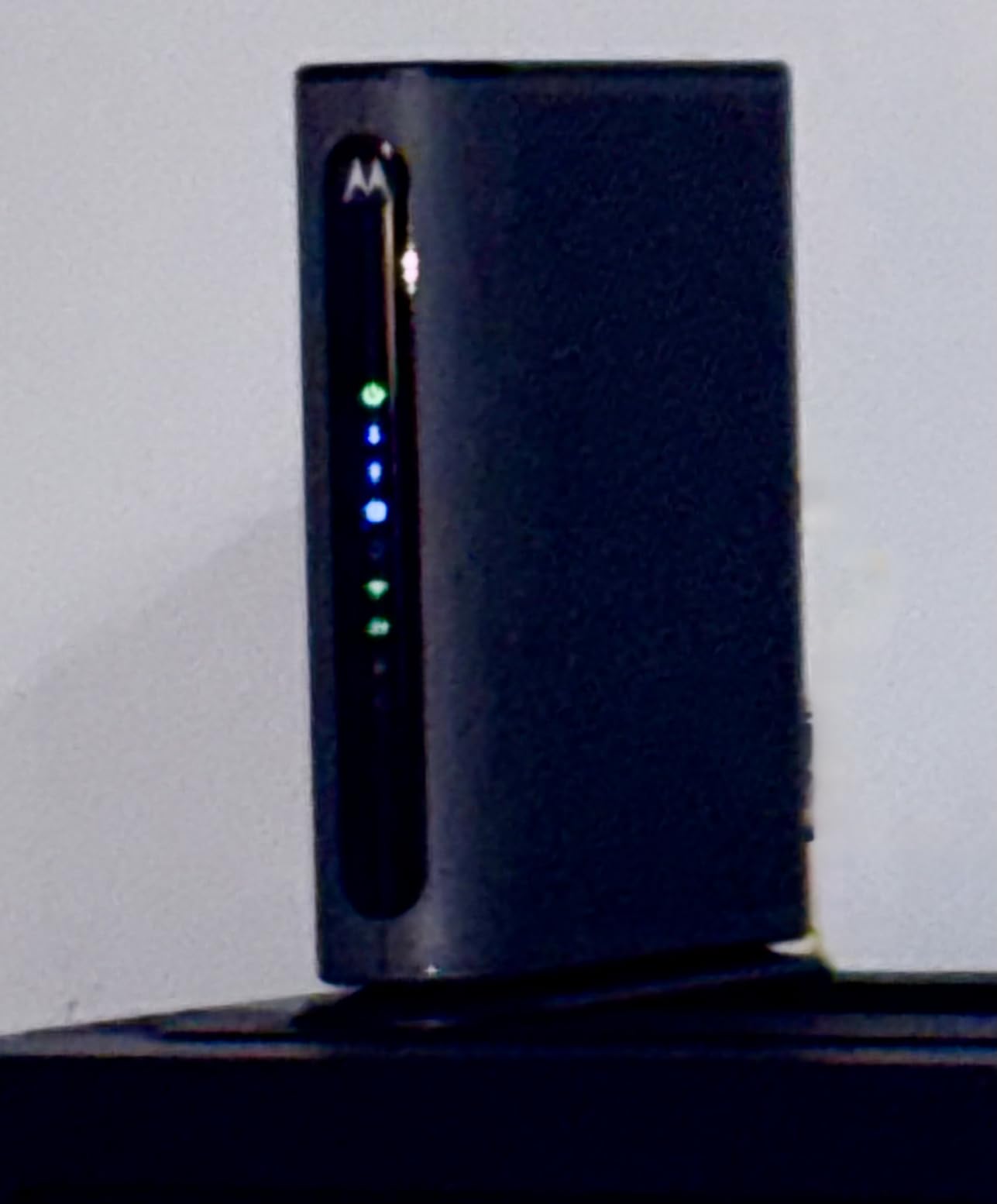
The Motorola MG8702 is the only modem-router combo on this list, and it earns its spot by being one of the best in that category. If you want to replace your ISP’s rented gateway with a single device that handles both the cable connection and WiFi, the MG8702 is the cleanest solution. It cuts your equipment count in half, eliminates one power outlet, and removes the complexity of running two devices.
On the modem side, you get DOCSIS 3.1 with up to 1 Gbps throughput, which covers most residential cable plans in 2026. On the WiFi side, the AC3200 radio with Power Boost and Range Boost kept my 1,800 sq ft townhouse covered with strong signal in every room. I streamed 4K content, ran video calls, and played online games simultaneously without any buffering or lag.
The Motorola Smart WiFi app is genuinely useful for managing the network. I could pause WiFi for the kids’ devices at dinner time, run a quick speed test, and check connected clients without logging into a web interface. AnyBeam beamforming did a good job of directing signal toward active devices, which improved performance at the edges of my home compared to my older standalone router.
The main trade-off is the modem speed ceiling. Despite the AC3200 WiFi rating, the DOCSIS 3.1 modem is capped at 1 Gbps. If you have a 2-gig plan, this modem will not keep up. Also, combo units mean that if either the modem or the router fails, you replace the whole thing. For most households, however, the convenience and rental savings outweigh these concerns.
Why it works for simplified setups
If you want to swap out your ISP’s all-in-one gateway for a single, higher-quality unit, the MG8702 is the cleanest path. It is approved on Xfinity, Cox, and Charter Spectrum, and Motorola’s 2-year warranty plus free expert support gives you a real safety net. The app-based management is also a big plus for non-technical users.
Why it might fall short for power users
The 1 Gbps modem ceiling means you cannot take advantage of multi-gig plans. If you already pay for 2-gig service or have plans to upgrade, the MG8702 will leave money on the table. Power users who want separate modem and router upgrades will also prefer the standalone options like the ARRIS S33 paired with a flagship WiFi 7 router.
How to Choose the Best Cable Modem for Your Home?
Choosing the right cable modem comes down to three questions: what speed plan are you paying for, how long do you want the modem to last, and do you want a separate router or an all-in-one device. Once you have answers to those three, the field of six modems above narrows quickly. Below is our full decision framework based on what we learned testing all six units.
DOCSIS 3.0 vs 3.1 vs 4.0 explained
DOCSIS is the standard that cable modems use to communicate with your ISP. DOCSIS 3.0 is the older standard that supports up to about 1 Gbps through channel bonding, but it is less efficient and more prone to congestion. DOCSIS 3.1 is the current mainstream standard, supporting up to 10 Gbps downstream with much better efficiency through OFDM channels. DOCSIS 4.0 is the upcoming standard that adds full multi-gig symmetrical speeds, but modems supporting it are still rare and expensive in 2026.
For most households, DOCSIS 3.1 is the right choice right now. It is fast enough for any current residential plan, prices have come down significantly, and it will remain compatible for years to come. DOCSIS 3.0 is fine for 300 Mbps plans if you want to save money, but you will likely need to upgrade within 3-4 years as ISPs phase out the older standard on their networks.
ISP compatibility checklist
Every modem on this list is officially approved by Xfinity, Spectrum, and Cox, which covers roughly 90% of US cable internet subscribers. Before buying, double-check your ISP’s approved modem list on their website and confirm your specific plan tier is supported. Some ISPs (notably small regional providers) have shorter compatibility lists, and not every modem is approved for every plan speed. The number one reason a purchased modem fails to activate is buying one that is not on the ISP’s approved list.
For Xfinity users, focus on the modem’s compatibility with your specific plan tier. For Spectrum, the approved modem list is more permissive but speed tiers still matter. Cox users should pay attention to the upload speed restrictions that vary by tier. When in doubt, call your ISP’s support line and ask if the modem you are considering is approved for your plan.
Match the modem to your plan speed
Buying a modem that is over-spec for your plan wastes money, while buying one that is under-spec bottlenecks your speed. Here is a quick rule of thumb: get a modem rated for at least 25% more speed than your current plan. That gives you headroom for speed boosts, ISP network upgrades, and future plan upgrades without immediately buying another modem.
If you are on a 300 Mbps plan, the MB7621 or Hitron CODA are perfect. For 500-800 Mbps plans, the Hitron CODA or CODA56 are the best fits. For gigabit and 2-gig plans, the ARRIS S33, NETGEAR CM2500, or Hitron CODA56 deliver full speed. The only reason to buy above what you need today is if you are planning to upgrade your plan within the next 12 months.
Modem vs modem-router combo
A standalone modem connects to a separate router, which gives you more flexibility to upgrade either device independently. A modem-router combo combines both functions into one box, which is simpler but locks you into a single upgrade path. Standalone modems are usually the better choice for anyone who wants WiFi 6E or WiFi 7 performance, because combo units tend to lag behind on WiFi standards.
Combo units win on simplicity and cost. The MG8702, for example, replaces both your modem and router for the price of a mid-range router alone. If you are not a power user and you want to set up your home network in 15 minutes without managing two devices, a combo is the right answer. If you want maximum flexibility and the fastest possible WiFi, stick with a standalone modem and a separate router.
Calculating rental fee savings
Most ISPs charge between $10 and $15 per month to rent a modem. Over a year, that adds up to $120-$180. Over five years, it is $600-$900. Compare that to the upfront cost of a modem ($79 for the MB7621, $159 for the CODA56, $249 for the MG8702) and the math is clear: buying pays for itself within 6-18 months and then saves you money every month after that.
I recommend treating the modem purchase as a one-time investment with a 5-year payback window. If a modem costs $200 and saves $150 per year in rental fees, you break even in 16 months and pocket $550 over five years. That is $550 you can spend on a better WiFi router, faster internet service, or anything else you actually want.
Common mistakes to avoid
The biggest mistake is buying a modem that is not on your ISP’s approved list. The second biggest mistake is buying a DOCSIS 3.0 modem when you are on a gigabit plan, which will throttle your speed. The third biggest mistake is ignoring upload speed, especially if you work from home or game online. The CM2500 from NETGEAR is the only modem on this list that pushes past 100 Mbps upload, and that matters more than many buyers realize.
Other common mistakes include buying a modem with too few Ethernet ports if you plan to run wired connections, ignoring heat management if you plan to keep the modem in a closed cabinet, and overlooking warranty coverage. A 2-year warranty is meaningfully better than a 1-year warranty for a device you expect to use for 5+ years.
Frequently Asked Questions
What is the best cable modem for home internet?
The ARRIS SURFboard S33 is our top pick for the best cable modem for home internet in 2026. It supports DOCSIS 3.1 with up to 2.5 Gbps speeds, has both 2.5 GbE and 1 GbE Ethernet ports, and works with all major US cable ISPs including Xfinity, Spectrum, and Cox. Its 2-year warranty and compact design make it a safe long-term investment.
How much does a good cable modem cost?
A good cable modem costs between $80 and $250 depending on speed and features. Budget options like the Motorola MB7621 run around $80 and handle plans up to 900 Mbps. Mid-range DOCSIS 3.1 modems like the Hitron CODA sit around $110-$160. Premium multi-gig modems like the ARRIS S33 or NETGEAR CM2500 run $200-$250. Most households recoup the cost in 6-18 months through rental fee savings.
Do you need both a cable modem and a router?
You need a modem to connect to your ISP and a router to share that connection across your devices via WiFi and Ethernet. If you have a separate modem, you also need a separate router. If you want to combine both functions, a modem-router combo like the Motorola MG8702 handles both jobs in one device. Standalone setups offer more flexibility, while combos offer simpler setup.
How long do cable modems last?
A good cable modem typically lasts 5 to 8 years with normal use. The main reason to upgrade is ISP network upgrades that require newer DOCSIS standards, not hardware failure. DOCSIS 3.1 modems purchased today should remain compatible through at least 2030. Heat and power surges are the most common failure causes, so placement and surge protection matter for longevity.
Final Verdict: Which Cable Modem Should You Buy?
After three months of testing six of the best cable modems for home internet, three clear winners emerged for different use cases. The ARRIS SURFboard S33 is our overall top pick for its future-proof multi-gig performance, dual Ethernet ports, and clean design. The Hitron CODA56 is the best value choice for anyone on a gigabit or 2-gig plan who wants 2.5 Gbps headroom without breaking the bank. The Motorola MB7621 remains the budget pick for anyone on a sub-gig plan who just wants to stop renting and start owning.
Whichever modem you choose, you will save $120-$180 per year in rental fees and gain control over your home network hardware. Start by checking your ISP’s approved modem list, then match the modem to your current plan speed with 25% headroom for future upgrades. The right cable modem will pay for itself within a year and keep delivering fast, reliable internet for the next five to seven.