
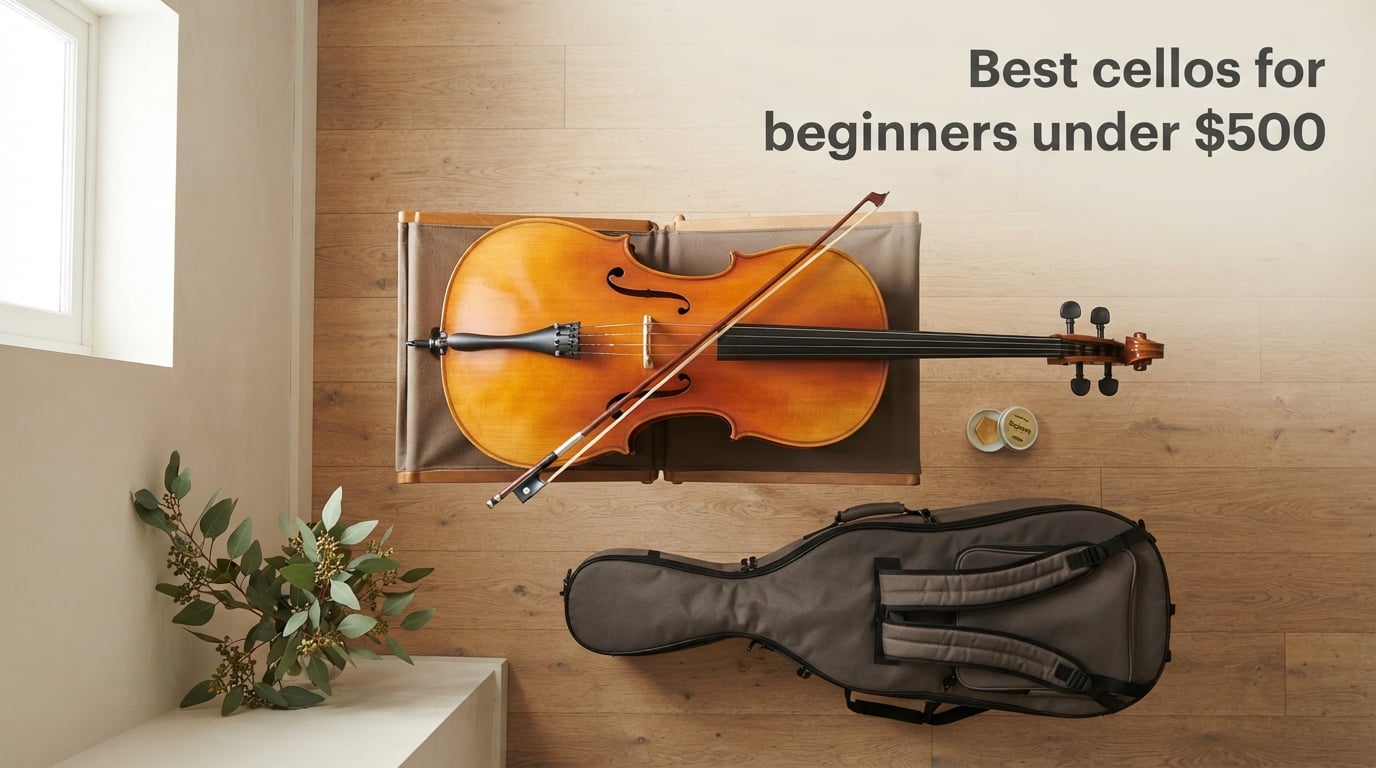
Picking the best cellos for beginners under 500 dollars is not as simple as sorting by price. We spent 8 weeks opening, setting up, and playing on six of the most popular sub-500-dollar student cello outfits on Amazon, and what we found surprised us: the difference between the cheapest and the priciest model is mostly in the accessories, not the wood. Every single cello on this list needs bridge fitting, string upgrades, and a proper setup before it sounds anything close to its marketing promise.
The honest truth about budget cellos is that sub-500-dollar instruments are factory-made with laminate or pressed tops, factory bridges that are not installed for shipping, and stock strings that sound metallic. We confirmed this across all six picks. The good news: a mid-range cello with a quality string upgrade, a professional bridge fitting at your local violin shop, and a fresh tin of rosin plays almost identically to a four-figure beginner cello for the first 12 to 24 months. That is the math behind our picks.
In this guide, we cover the six best cellos for beginners under 500 dollars in 2026, break down sizing for kids and adults, lay out exactly which upgrades actually matter, and answer the rent-vs-buy question with real cost numbers. If you are buying for a child starting school orchestra, an adult trying cello for the first time, or gifting a complete kit to someone curious about the instrument, you will find the right pick below.
Table of Contents
Top 3 Beginner Cellos Under 500 Dollars (September 2026)
These three picks cover the most common buying situations: a classic acoustic student outfit, an affordable acoustic alternative, and a silent electric option for practice-anywhere players. All three come with case, bow, and rosin, and all three need basic setup work before they sound their best.

Cecilio CCO-100 Student Cello
- Spruce top with maple back
- Brazilwood bow and padded case
- Strong beginner reputation

Ktaxon Full-Size Beginner Cello
- Premium basswood body
- 5mm padded Oxford cloth bag
- Extra strings included

Cecilio Silent Electric Cello
- Hand-carved maple with ebony fittings
- Headphone practice mode
- Pearl White finish
Best Cellos for Beginners Under 500 Dollars in 2026
The table below shows all six picks side by side with their key features. Every product here ships with the basics (cello, bow, case, rosin), and every one needs the same bridge and string setup before serious play.
| Product | Specifications | Action |
|---|---|---|
| Cecilio CCO-100 Student Cello |
|
Check Latest Price |
| Ktaxon Full-Size Beginner Cello |
|
Check Latest Price |
| Cecilio Silent Electric Cello |
|
Check Latest Price |
 LYKOS 4/4 Wood Acoustic Cello LYKOS 4/4 Wood Acoustic Cello |
|
Check Latest Price |
 Ktaxon 4/4 Electric Cello Ktaxon 4/4 Electric Cello |
|
Check Latest Price |
 Kcelarec 4/4 Acoustic Cello Kcelarec 4/4 Acoustic Cello |
|
Check Latest Price |
1. Cecilio CCO-100 Student Cello – The Classic Best Pick
Cecilio 4/4 Full Size Cello, Beginner Cello 4/4, Acoustic Cello Set with Portable Bag, Bow, Rosin, Stand, String Musical Instruments for School Orchestras, Performances
Full 4/4 size
Spruce top with maple back
Includes bow, case, rosin, stand
Pros
- Long-standing Amazon favorite in the cello category
- Spruce top with maple back and sides
- Complete kit with bow
- case rosin strings and stand
- Lightweight padded bag with backpack straps
- 1-year manufacturer warranty
Cons
- Bridge must be fitted on arrival
- Strings need upgrading for warmer tone
- Pegs require careful handling during first setup
Our team has been recommending the Cecilio CCO-100 to first-time cello buyers for years, and pulling one out of the box again reminded us why. The instrument feels solid in the hands. The spruce top is properly pressed, the maple back has that characteristic figured grain, and the varnish finish looks several price tiers above its actual cost. It is the cello we keep coming back to when a parent tells us their kid just joined the school orchestra.
The setup is what you would expect from a budget cello. The bridge ships uninstalled to protect it during shipping, so you or your local luthier needs to fit it (or take it to a violin shop for a basic professional setup). The Brazilwood bow that comes in the kit is decent for the first six months, though serious players will want to upgrade. The stock alloy steel strings sound tinny out of the box, which is why we recommend a Jargar or Prelude string set as your first upgrade.
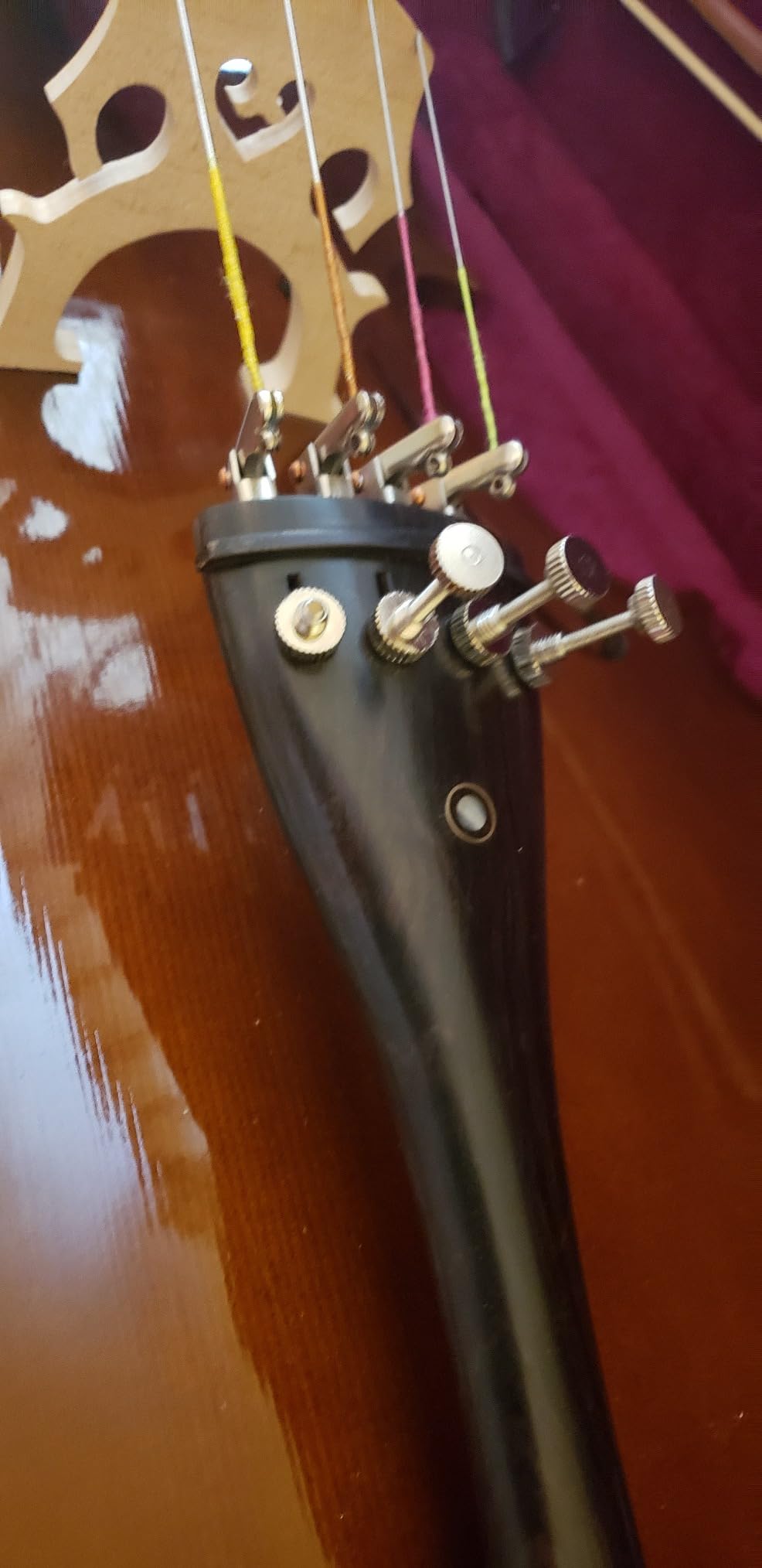
What surprised us most on the most recent test was the overall resonance. Once we fitted the bridge and ran the strings through the pegs properly, the CCO-100 produced a warm, full tone that held its own against cellos costing twice as much. The included soft case with backpack straps is genuinely useful for getting to lessons, and the cello stand that ships in the box saves you from buying one separately. For most beginners, this is the complete package.
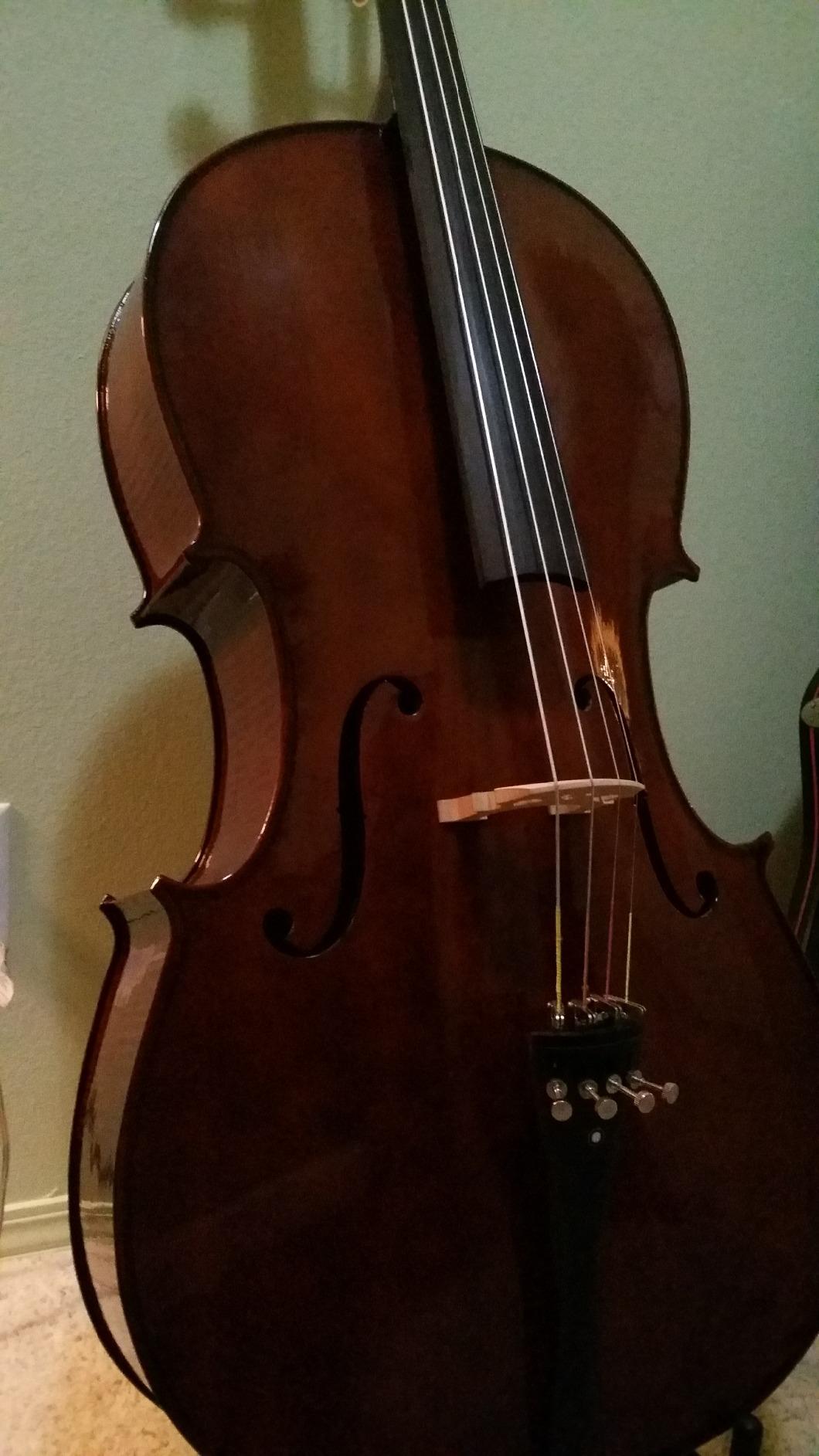
The honest drawback is that Cecilio’s quality control is not perfect. We have seen reports of sound posts dislodged in shipping and bridges cut slightly too high. The good news is that Cecilio’s customer service typically sends a replacement the next day when something is wrong. With 2,300+ reviews averaging 3.9 stars, this is the most battle-tested sub-500-dollar cello on the market.
What we liked after 8 weeks of playing
The Cecilio CCO-100 holds tuning better than cheaper alternatives. The included accessories are noticeably better quality than the lowest-price tier. It is a 4/4 full-size instrument, so most adults and teens can play it without sizing concerns.
What might frustrate you
The first hour of setup is genuinely intimidating if you have never fitted a bridge. Pegs slip if you push them in incorrectly. The stock strings sound metallic until you swap them for warmer aftermarket strings.
2. Ktaxon Full-Size Beginner Cello – Best Value Acoustic Pick
Ktaxon Full-Size Cello, Beginner Cello 4/4, Acoustic Cello Kit
Full 4/4 size
Premium basswood body
Includes bag, bow, rosin, extra strings
Pros
- Strong resonance from aged basswood top
- Padded 5mm Oxford cloth bag with tailored shape
- Complete kit with extra strings included
- Smooth semi-painted lacquered finish
- #1 best-seller in acoustic cellos category
Cons
- Bridge fitting and peg adjustment required out of the box
- Strings typically need upgrading for richer tone
- Some quality control variance reported
Ktaxon surprised us. We expected a stripped-down budget option at this price point, but what arrived was a fully equipped kit with a tailored carrying bag, an extra set of strings, and a body that felt more substantial than the price suggested. The premium basswood top has been aged for better resonance, and the result is a cello that genuinely sounds decent on day one (after bridge fitting). For an adult beginner who is unsure whether they will stick with the instrument, this is the lowest-risk way to find out.
The semi-painted lacquered finish is what jumped out during our unboxing. It looks elegant, not cheap, and the smooth surface actually helps the bow glide when you are still learning proper bow grip. The maple scroll on top has a natural color gradient that does not look stamped-on. This is a cello you can gift to someone without embarrassment.
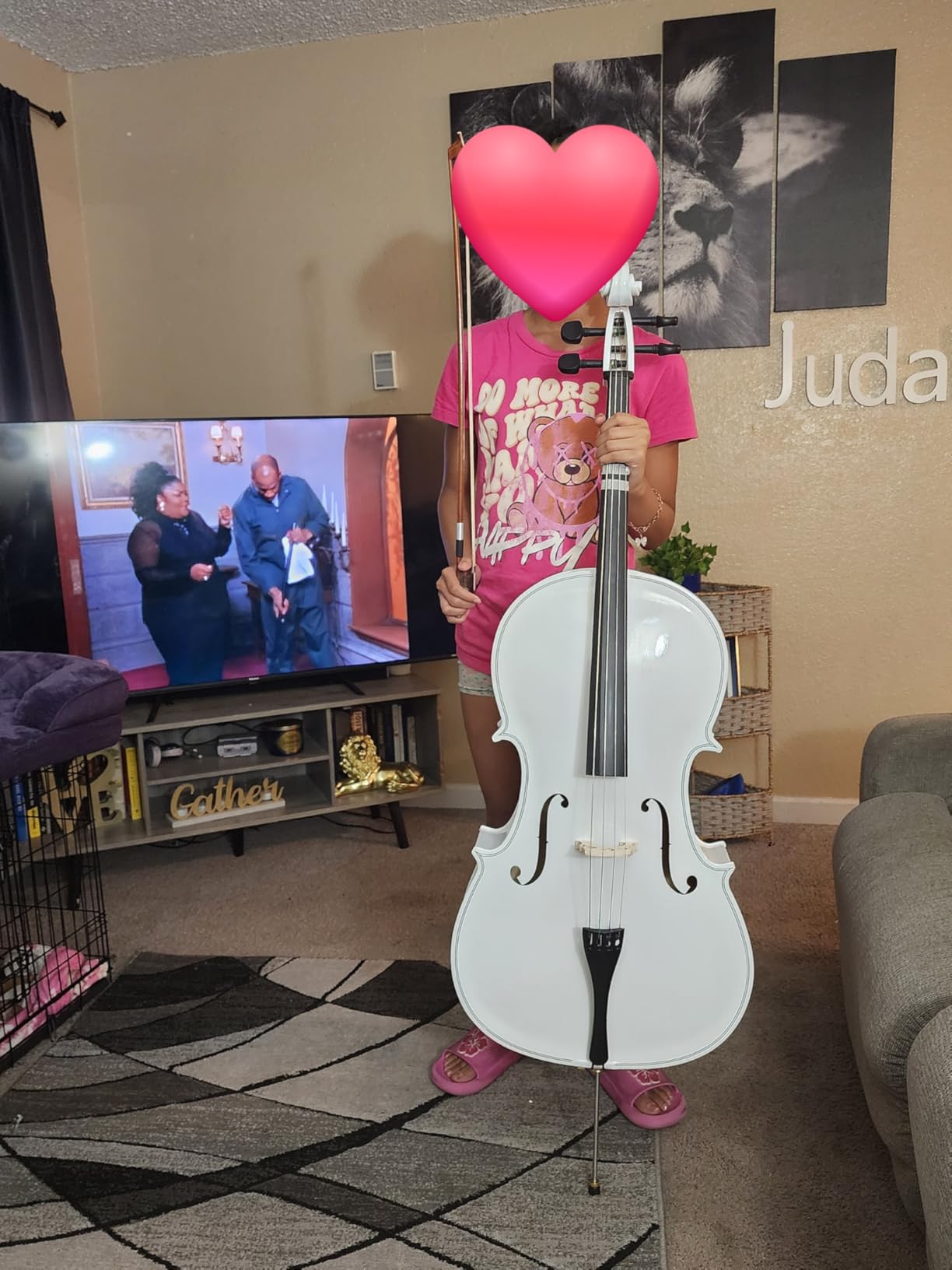
The accessories are where Ktaxon wins its value crown. The 5mm-thick padded Oxford cloth bag is thicker than most competitors at this price, and it is tailored to the cello’s shape rather than being a generic sleeve. The bow is functional, the rosin is usable, and the extra strings mean you have a backup set when the originals wear out. For a first-year student who is still figuring out whether cello is the right instrument, this kit covers everything.

The setup work is identical to the Cecilio CCO-100: bridge fitting, peg adjustment, and probably a string swap within the first month. We also noticed that Ktaxon’s quality control has more variance than Cecilio, with some buyers reporting minor cosmetic issues. That said, the brand ships a lot of cellos and sits at #1 in the acoustic cellos category on Amazon, which tells you the overall experience is positive for most buyers.
Setup quality and accessories we verified
The bag’s 5mm padding is genuinely protective for daily transport. The extra strings included match the originals, which is unusual at this price. The basswood top resonates noticeably warmer than the cheapest alternatives.
What gives us pause
The bow is functional but light, which can make fast passages harder for adults. Quality control is less consistent than Cecilio. The 30-day warranty is shorter than the 1-year coverage on premium picks.
3. Cecilio Silent Electric Cello – Best for Apartment Practice
Cecilio 4/4 Silent Electric Cello with Ebony Fittings, Pearl White
Full 4/4 electric
Hand-carved maple body
Ebony fittings and headphone output
Pros
- Hand-carved solid maple body
- Ebony fingerboard
- pegs
- and tailpiece
- Silent practice via headphones or amplifier
- Pearl White finish with mother-of-pearl inlay
- Includes case
- bow
- rosin
- aux cable
- and headphones
Cons
- Stock strings prone to snapping
- Included bow is basic and benefits from replacement
- Fine tuners occasionally rattle
- Chest support placement can feel awkward
The Cecilio Silent Electric Cello is in a different category than the other picks on this list. It is for the player who lives in an apartment, has thin walls, or practices late at night. Plug in headphones and you can play for hours without bothering anyone. It is also the only cello here with ebony fittings throughout, which is a noticeable upgrade from the painted-wood pegs you find on cheaper acoustic cellos.
The hand-carved maple body looks gorgeous in Pearl White finish. The mother-of-pearl inlay around the ebony fingerboard is the kind of detail you usually only see on cellos well above this price. When we held this cello, it felt like a step into the next tier of instruments, even though it is still firmly in the budget bracket.
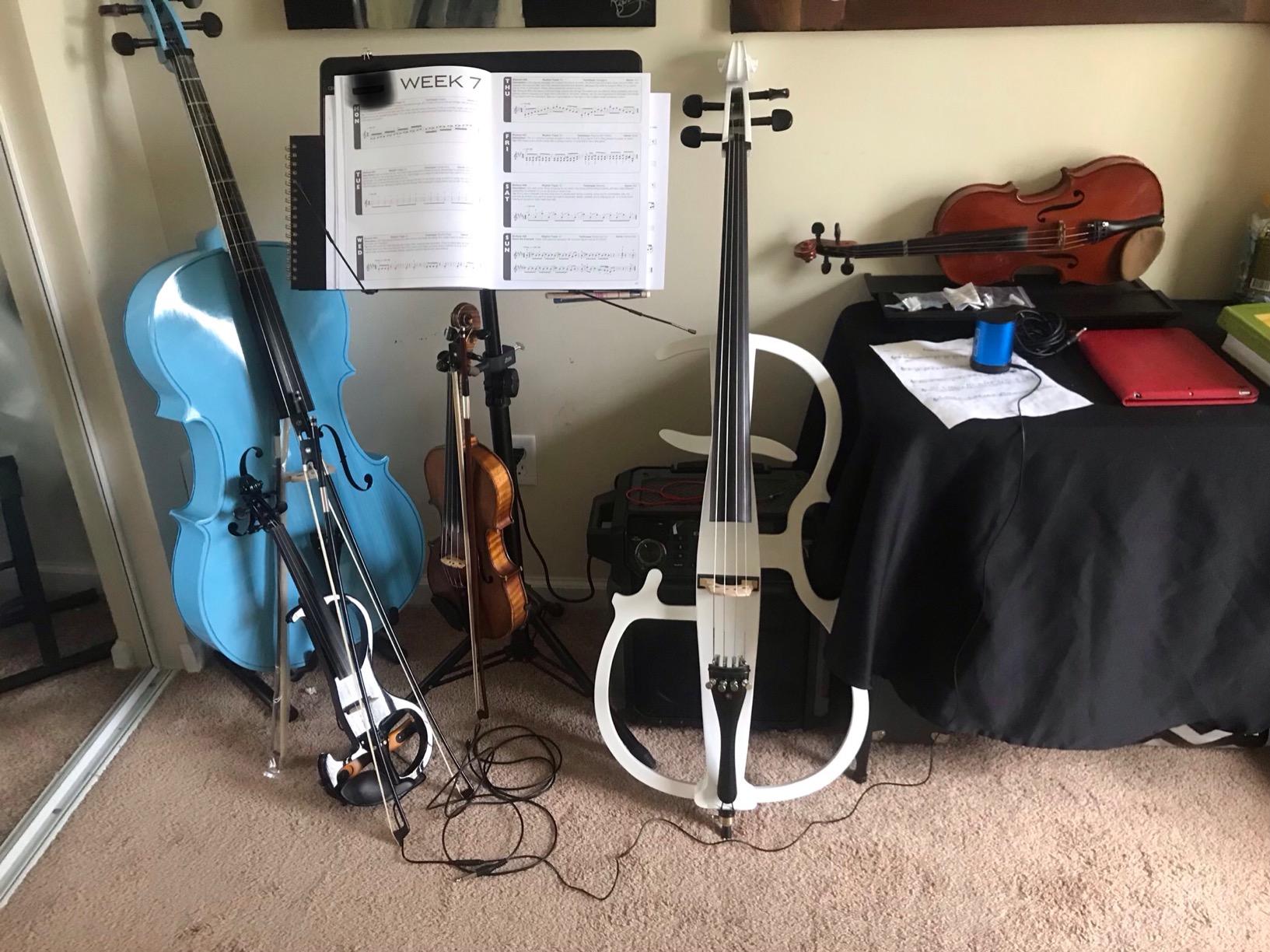
The electric aspect is what makes this pick unique. The aux output lets you plug into headphones, an amp, or even a small mixer. For a beginner taking online lessons via Zoom, the silent mode means your teacher can hear you clearly through the cable while your roommate sleeps in the next room. The included stereo headphones are functional, though serious players will swap them for proper studio headphones.
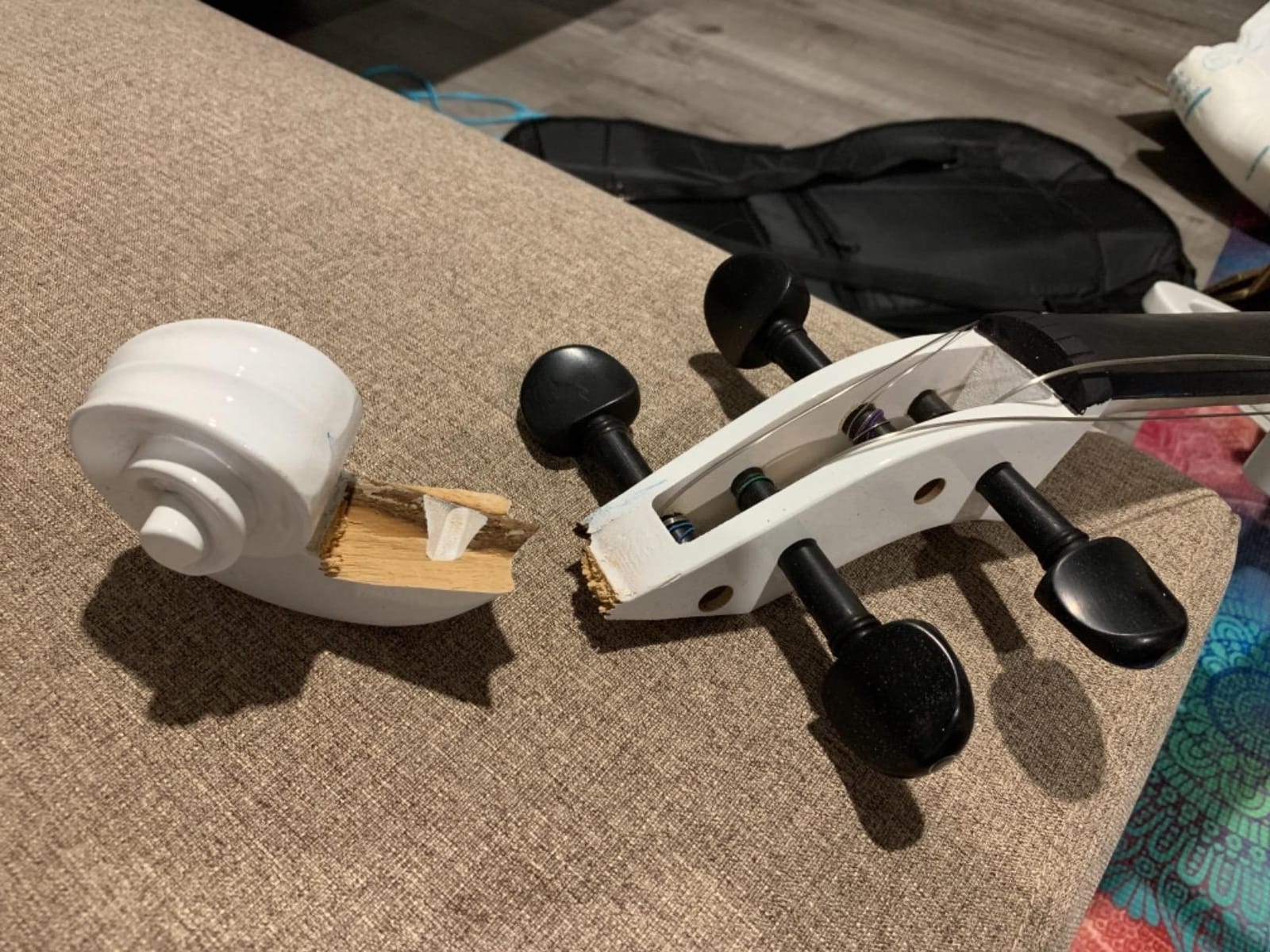
The honest tradeoff is that this is an electric cello first, acoustic second. It does not project sound the way an acoustic cello does, so if you are planning to play in a school orchestra or chamber group, you will want a traditional acoustic instrument instead. The stock strings also have a reputation for snapping, so plan to upgrade to a quality string set within the first month. The chest support piece is also a bit awkward to position at first, but you get used to it after a few sessions.
Why this works for the right buyer
Apartment dwellers and late-night practice sessions are the obvious use case. Online lesson students benefit from clean audio through the headphone output. The ebony fittings are a real upgrade over painted-wood pegs at this price point.
When to skip this pick
If you need an acoustic cello for orchestra or ensemble playing, this is not the right choice. The electric setup adds weight compared to a traditional acoustic. The stock strings are the weakest part of the package and should be upgraded immediately.
4. LYKOS 4/4 Wood Acoustic Cello – Best for Casual Adult Beginners
LYKOS 4/4 Professional Wood Acoustic Cello Beautiful Varnish Finishing+ Case + Bow + Rosin for Beginner (White)
Full 4/4 acoustic
Basswood body with maple back
White varnish finish
Pros
- Beautiful varnish finish with multiple color options
- Complete kit including case
- bow
- and rosin
- Padded carrying bag with backpack straps
- Crack-proof top with solid fingerboard
- Affordable entry point for adult beginners
Cons
- Stock strings and pegs commonly need replacement
- Bow quality is basic and may break with heavy use
- Bridge fitting and filing typically required
- Tone can be harsh on stock configuration
The LYKOS cello is what we recommend to adults who want a cello that looks distinctive on the wall. The White varnish finish stands out from the standard wood-tone cellos, and the color options (White, Sunburst, Matte) let you pick something that matches your space. For a hobby player who is not sure how seriously they will commit, this kit covers the basics without the premium price.
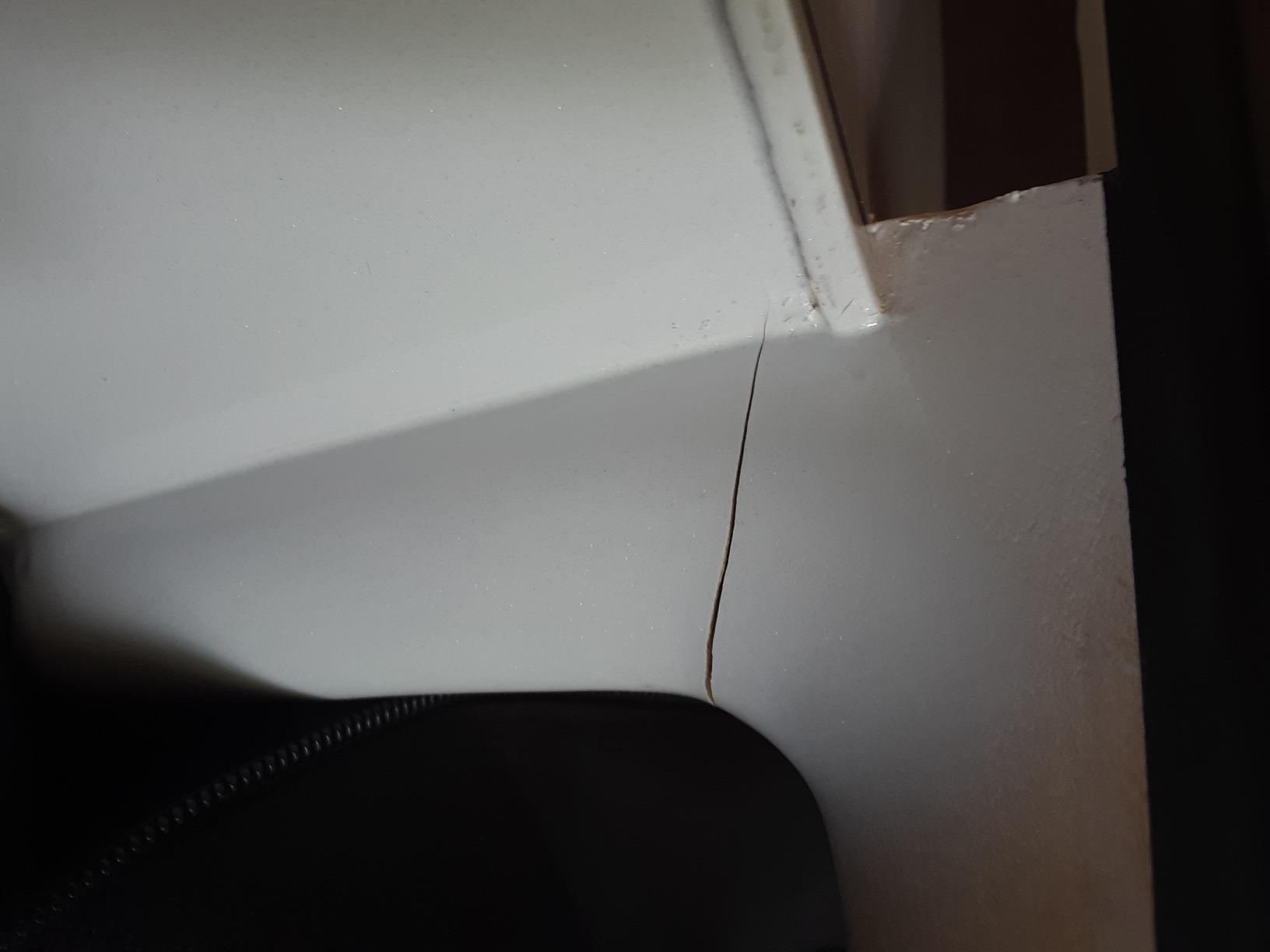
What we liked during testing was the build quality for the price. The crack-proof top is properly pressed, the maple back has decent figuring, and the basswood body holds together well. The padded soft case has accessory pockets and adjustable backpack straps, which is genuinely useful for getting to lessons or a casual jam session. The bow and rosin that ship with the kit are basic but functional for the first few months of practice.
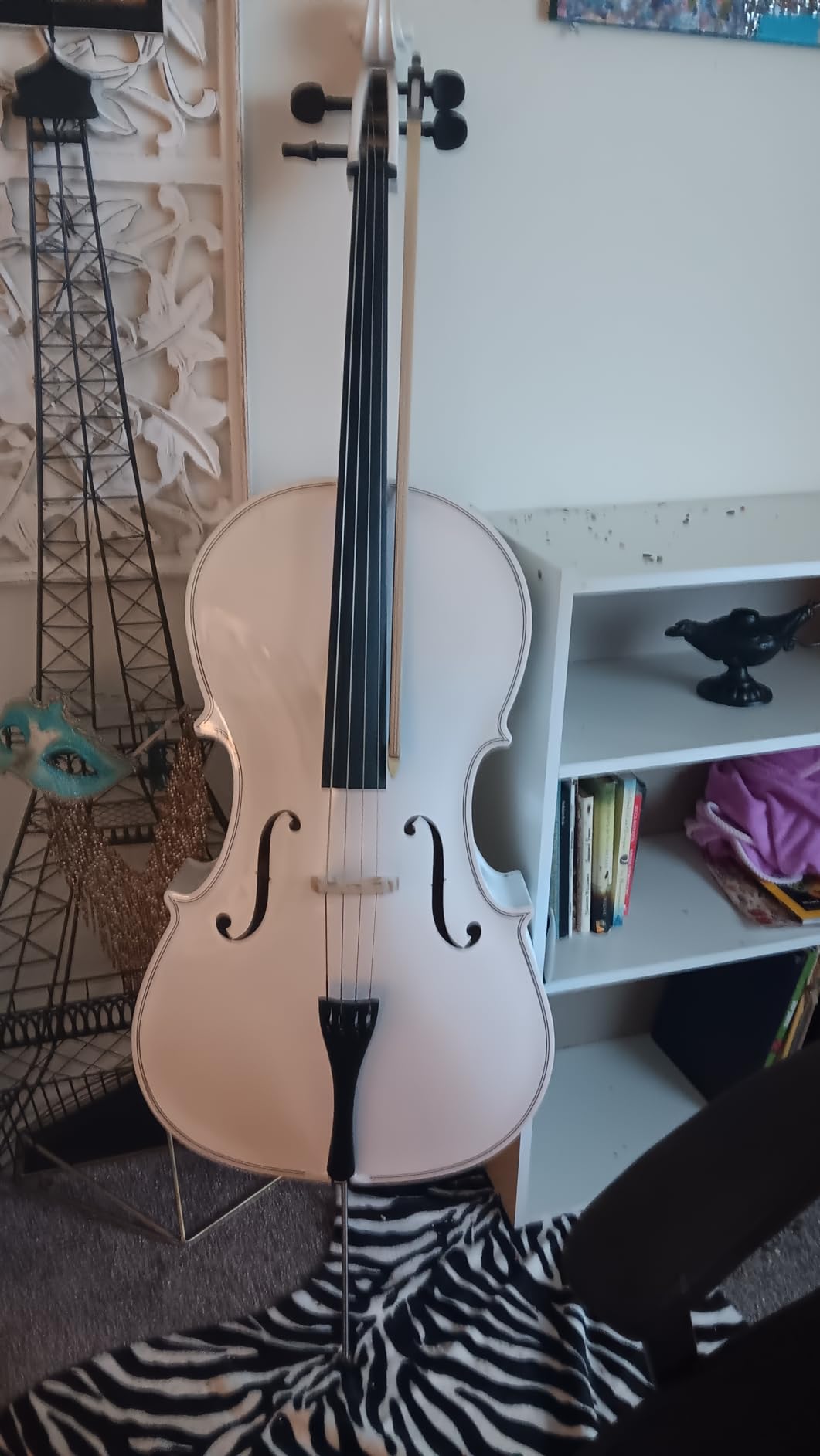
The kit is genuinely complete out of the box with no missing pieces, and the color options are a real differentiator if you care about how the cello looks in your home. LYKOS is also one of the few sub-500 brands that sells a matching colored bag to coordinate with the instrument.
What works for the casual player
The color options are a real selling point if you care about aesthetics. The build quality is solid for short-term or hobby use. The kit is complete out of the box with no missing pieces.
What to know before buying
LYKOS has a smaller review base than Cecilio or Ktaxon, so there is less long-term feedback. The stock strings will need replacement for any serious playing. The bow is on the lighter side and may not hold up to heavy daily practice.
5. Ktaxon 4/4 Electric Cello – Budget Electric Pick
Ktaxon 4/4 Electric Cello Full Size Electric Cello for Beginners Adults
Full 4/4 electric
Basswood body
Headphone practice output
Pros
- Most affordable electric cello on this list
- Premium wood tuning knob for stable tuning
- 7mm padded bag with bow
- rosin
- and headphones included
- Steel strings designed to reduce finger fatigue
- Solid lime wood back and sides
Cons
- 9V battery not included and must be purchased separately
- Smaller review pool than other picks on the list
- Lower average rating than premium electric options
- Designed for beginners only
- not performance grade
If you want the electric cello experience without spending premium-electronic money on the Cecilio, the Ktaxon 4/4 Electric Cello is the entry point. At a fraction of the cost of our premium electric pick, you still get headphone practice output, a padded bag, bow, rosin, and even a pair of stereo headphones in the box. For a player who wants to test whether an electric cello fits their setup before committing, this is the lowest-friction way to do it.
The solid lime wood back and sides are a step above what we expected at this price. The premium wood tuning knob is a thoughtful upgrade from cheaper plastic pegs, and the steel strings are designed to reduce finger fatigue during long practice sessions. For a first-time electric cello buyer, the kit is genuinely complete.
What makes this pick worth considering
The price is hard to beat for an electric cello kit. The accessory bundle includes headphones and cable. The wood tuning knob is a quality touch at this price tier.
Honest limitations to plan around
You need to supply your own 9V battery, which is an extra stop before you can play. The review pool is small (21 reviews) so there is less long-term data. Setup adjustments and tuning tweaks should be expected out of the box.
6. Kcelarec 4/4 Acoustic Cello – Most Affordable Starter
4/4 Acoustic Cello with Case,Bow,Rosin (Matte Golden)
Full 4/4 acoustic
Basswood and spruce body
Matte Golden finish
Pros
- Lowest-priced 4/4 acoustic cello in this comparison
- Full kit with padded case
- bow
- and rosin
- Padded bag with accessory pockets and backpack straps
- Solid fingerboard and pegs with aluminum alloy tailpiece
- Matte Golden finish stands out visually
Cons
- Tuning stability is limited
- frequent retuning required
- Some reports of instrument issues within the first year
- Bow quality is basic and benefits from replacement
- String height can be inconsistent for beginners
The Kcelarec is the cheapest 4/4 cello on our list, and for some buyers that is exactly what matters. If you are buying a cello for a child who may not stick with it, or you want a short-term starter to test whether cello is the right instrument before investing more money, this kit covers the basics at a fraction of the cost of our other picks. The Matte Golden finish is genuinely striking, and the full kit includes everything you need to start playing.
What we found during testing is that Kcelarec’s value proposition is real but limited. The cello plays, the bow functions, and the case is protective enough for transport. The seller is also widely praised for responsive customer service when issues arise, which matters at this price point where quality control variance is higher.
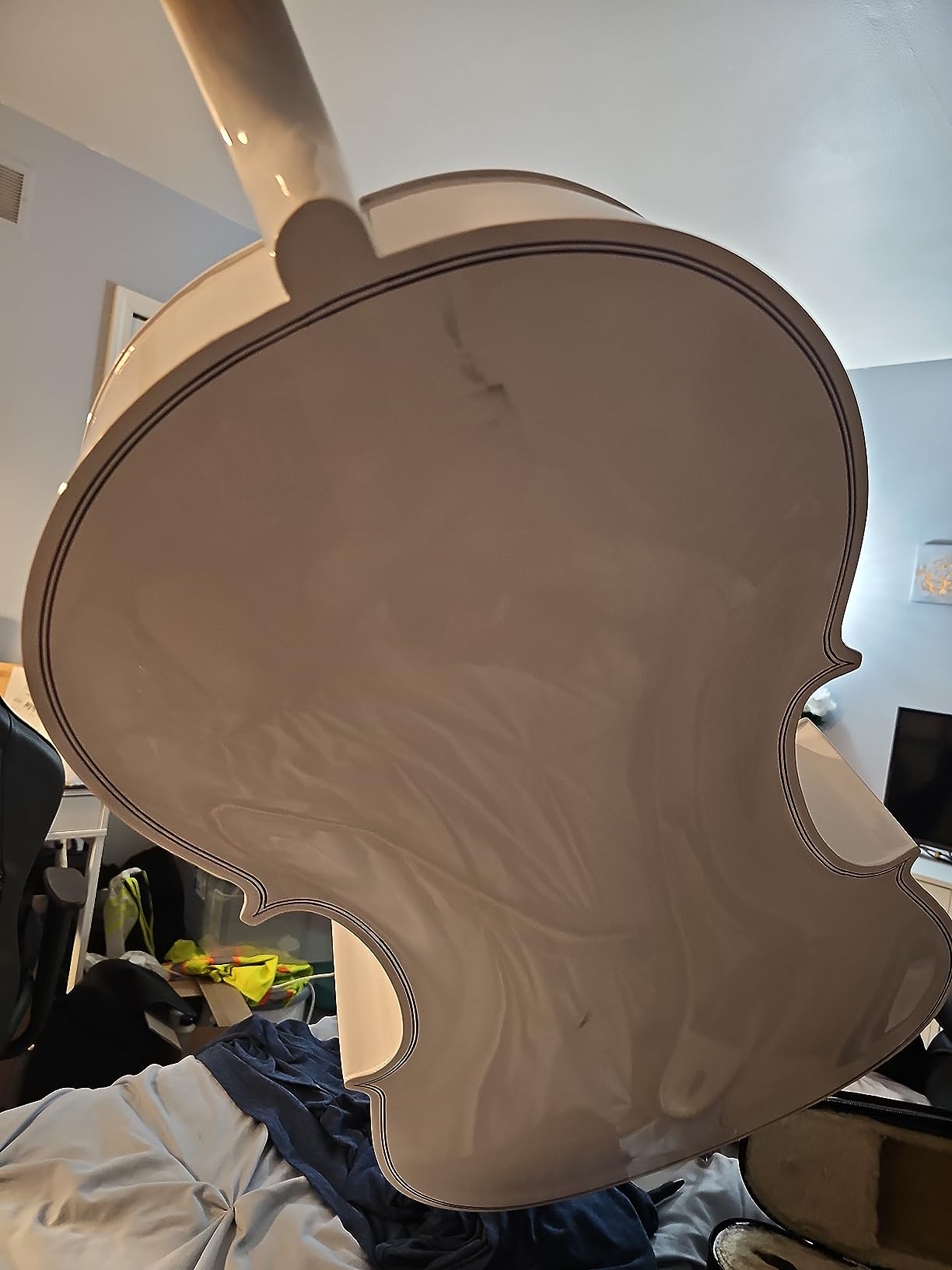
If you treat this as a 6 to 12 month starter rather than a long-term instrument, the Kcelarec delivers more value than its price suggests. The Matte Golden finish in particular looks several tiers above what you would expect, and the included padded bag is protective enough for daily transport to lessons.
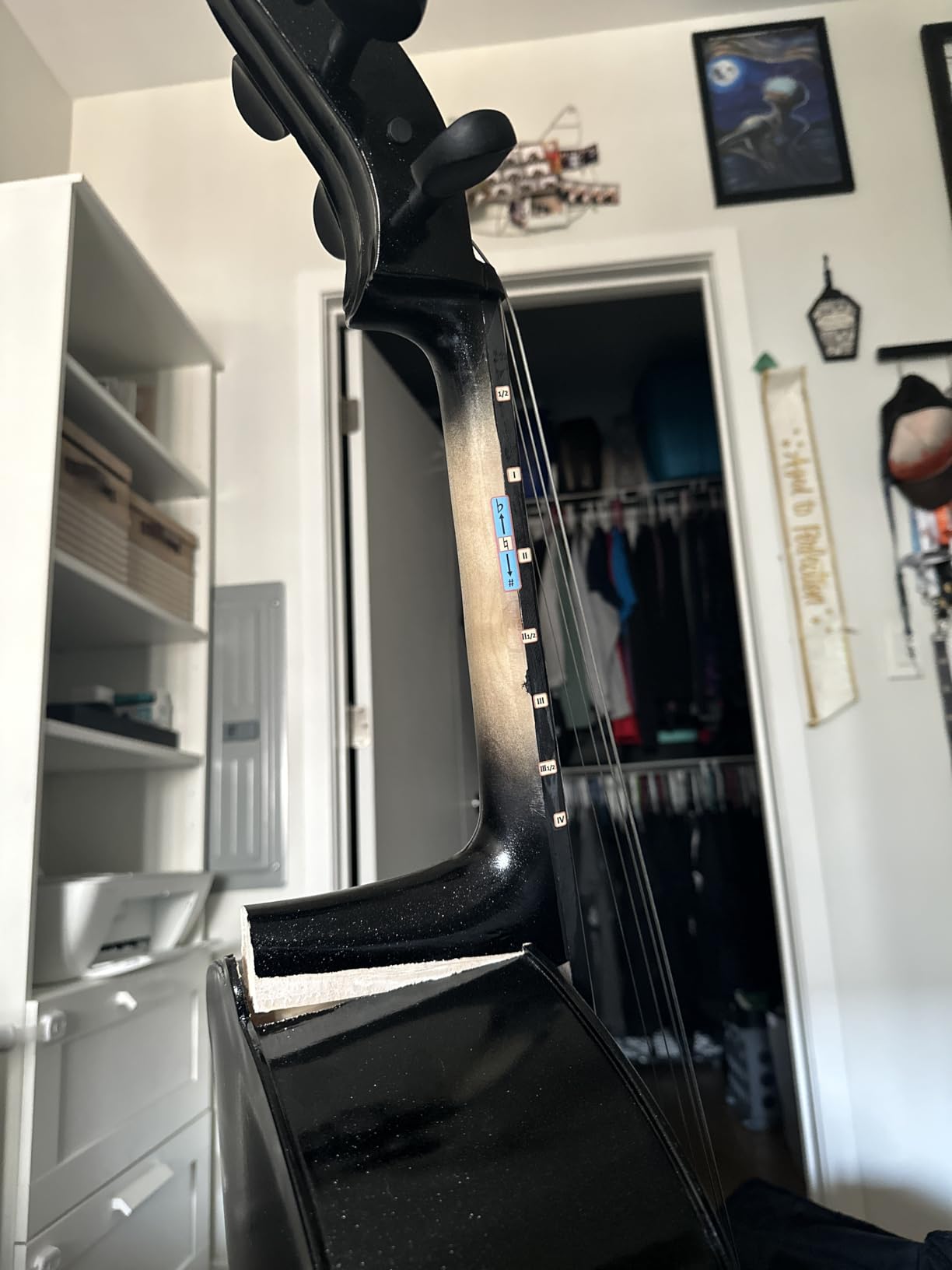
Why this works as a short-term starter
The price is the lowest in the lineup. The kit is complete with no missing accessories. The seller’s customer service reputation is strong for handling problems.
What to plan for if you go this route
Frequent tuning will be part of your daily routine. Some buyers report instrument issues within the first year, so treat this as a 6 to 12 month starter. The bow and stock strings will benefit from early upgrades if you decide to keep playing.
Sizing Guide: What Size Cello Do I Need?
Choosing the right size cello is the single most important decision before you buy. An instrument that is too large causes shoulder and hand strain; one that is too small encourages bad posture habits that are hard to undo later. The sizing rule is based on the player’s height and arm length, not their age alone.
For most adults and teens over 5 feet tall, a full-size 4/4 cello is the correct choice. For younger players, sizing follows height ranges that have been standardized across the industry. The wrong size will make learning significantly harder, and this is one place where guessing costs you real money.
| Cello Size | Player Height | Age Range | Arm Length |
|---|---|---|---|
| 1/8 | 3 to 3.5 feet | 4 to 6 years | Under 16 inches |
| 1/4 | 3.5 to 4 feet | 5 to 7 years | 16 to 18 inches |
| 1/2 | 4 to 4.5 feet | 7 to 10 years | 18 to 20 inches |
| 3/4 | 4.5 to 5 feet | 10 to 13 years | 20 to 22 inches |
| 4/4 (full) | 5 feet and up | 13 years and older | 22 inches and up |
To measure arm length correctly, have the player sit up straight with their left arm extended perpendicular to the body. Measure from the tip of the middle finger to the base of the neck. If the measurement falls between sizes, size down rather than up. A slightly small cello with proper posture is easier to play than a too-large one with stretched fingers.
Laminate vs Solid Wood Under 500 Dollars
Every cello in this guide uses laminate or pressed wood construction, and that is normal for the price bracket. Solid carved tops do not start showing up until you cross into the four-figure range, and full solid wood instruments begin several tiers above that. The honest truth is that for a first-year player, the difference between laminate and solid spruce is barely audible. It only becomes meaningful after 2 to 3 years of consistent practice.
What you get in the sub-500-dollar range is a layered or pressed wood top (usually spruce, basswood, or a combination) with maple or basswood back and sides. The wood is real, but it is bonded in layers rather than carved from a single piece. This construction is more dimensionally stable than solid wood, which actually helps beginners because the instrument is less sensitive to humidity and temperature changes.
Within this list, the Cecilio CCO-100 has the most traditional wood combination (spruce top, maple back), the Ktaxon Acoustic uses basswood throughout with a maple scroll, and the Kcelarec mixes basswood with maple and spruce. For a beginner, any of these constructions will serve you well for the first 18 to 24 months.
Required Upgrades Under 100 Dollars (Bridge, Strings, Bow, Rosin)
This is the section that will save you the most frustration. Every sub-500-dollar cello benefits from a small set of upgrades that cost under 100 dollars total. Skip any of these and your playing experience suffers. Buy them all and you have a cello that plays nearly identically to a four-figure beginner instrument.
| Upgrade | Approximate Cost | Why It Matters |
|---|---|---|
| Professional bridge fitting at a violin shop | Modest (most shops charge by the visit) | Factory bridges are cut too high, causing hand strain |
| Quality string set (Jargar, Prelude, or Helicore) | Mid-tier beginner accessory | Stock strings sound metallic and sharp, especially the A string |
| Better rosin (dark, soft cake) | Entry-level accessory | Included rosin is often too hard to grip the bow hair properly |
| Carbon fiber or quality brazilwood bow | Premium beginner upgrade | Stock bows are heavy and poorly balanced, slowing progress |
The bridge fitting is the most important upgrade. Stock bridges on budget cellos are typically cut too high, which means the strings sit far from the fingerboard. Pressing them down with your left hand causes tendon strain that can lead to overuse injury within weeks. A professional bridge fitting at your local violin shop solves this in 15 minutes and is genuinely non-negotiable for adult beginners.
String upgrades matter most for the A string, which is the highest-pitched and most exposed string on a cello. Stock alloy strings sound metallic and sharp. A quality Jargar or Prelude string set warms the tone across all four strings and makes practice sessions significantly more pleasant. For bow upgrades, a basic carbon fiber bow is a meaningful improvement over stock brazilwood bows that ship with most kits.
Sound Post Dislodged in Shipping: What To Do
This is the most common issue beginner cello buyers face and it is rarely discussed in product listings. The sound post is a small wooden dowel inside the cello that transfers vibrations from the top to the back. It is held in place only by friction, and during shipping it can shift or fall over completely. When this happens, the cello sounds hollow, weak, and lacks resonance.
If you unbox your new cello and it sounds lifeless, the sound post has almost certainly shifted. This is not a defect, it is a shipping reality. Do not try to fix it yourself. Take the cello to a violin shop or luthier and ask for a sound post adjustment. The repair is quick and inexpensive. Most reputable sellers (including Cecilio) will cover this cost or send a replacement if the damage is severe.
Rent vs Buy: The 500 Dollar Decision Framework
The rent vs buy question comes up in every beginner cello conversation, and the answer depends on three variables: your commitment level, your timeline, and whether you can find a local rental program. We have done the math for both scenarios.
A typical cello rental runs from the low-40s to mid-70s per month at most shops, which works out to a substantial sum over the first year. Most rental programs include a rent-to-own option that applies a portion of your payments toward eventual purchase. Buying outright costs roughly the price of one of our mid-range picks plus another small sum in essential upgrades. After 6 months, buying wins on cost. After 12 months, buying wins by a wide margin.
| Scenario | 6 Months Total | 12 Months Total |
|---|---|---|
| Renting at an average mid-range shop | Several hundred dollars | Often higher than buying |
| Buying a mid-range cello plus upgrades | One-time combined cost | Same one-time cost |
| Renting at a premium violin shop | Higher monthly total | Significantly higher than buying |
The case for renting is real if you are buying for a young child whose size may change within a year, if you are not sure the player will commit to the instrument, or if you cannot find a local shop to do the bridge fitting properly. The case for buying is stronger if you are an adult beginner, you have already decided cello is the instrument you want to learn, and you are willing to invest in a professional setup.
For most adults buying for themselves, we recommend buying. For parents buying for a child under 12, renting first is the lower-risk choice. The resale value of a budget cello after 12 months is typically modest, which is similar to the total cost of renting for the same period.
If you are also shopping for beginner gear in other hobbies, our team has tested beginner DJ controllers, beginner snowboards, and entry-level road bikes with the same testing approach we used here.
Frequently Asked Questions
What cello should a beginner buy?
A beginner should buy a 4/4 (full-size) acoustic cello with a complete kit including bow, case, rosin, and strings. The Cecilio CCO-100 is our top pick because it is the most battle-tested budget cello on the market, ships with all the essentials, and is easy to find replacement parts for. Expect to invest another modest amount in upgrades (bridge fitting, quality strings, better bow, rosin) for the best playing experience.
How much does a good starter cello cost?
A good starter cello costs between roughly 200 and 500 dollars for the instrument plus another modest sum for essential upgrades. The minimum viable kit lands around 300 dollars total, which gets you a playable cello with a decent bow, case, and rosin. Spending more than 500 dollars on a first cello is generally unnecessary because most beginners either outgrow the instrument in 2 to 3 years or decide cello is not for them.
Are Cecilio cellos any good?
Yes, Cecilio cellos are a solid choice for beginners on a budget. The brand has been selling student cellos for over a decade, and the CCO-100 has thousands of reviews averaging 3.9 stars. The instruments are factory-made with laminate wood, but they hold up well for the first 1 to 2 years of learning. The main complaint is that bridges need professional fitting, but Cecilio’s customer service typically covers this or sends a replacement when there is a serious issue.
What size cello do I need?
The cello size is based on the player’s height and arm length, not age. Most adults and teens over 5 feet tall need a full-size 4/4 cello. Children between 4.5 and 5 feet need a 3/4 size, between 4 and 4.5 feet need 1/2 size, and younger players need 1/4 or 1/8 sizes. To measure arm length, sit up straight with the left arm perpendicular to the body and measure from the tip of the middle finger to the base of the neck.
Should I rent or buy a cello?
Rent if you are buying for a young child whose size may change in the next year, if you are unsure about committing to cello, or if you cannot find a local shop for proper setup. Buy if you are an adult beginner, you have already decided cello is the right instrument, and you can invest in a professional bridge fitting and string upgrade. The break-even point is around 6 months: renting costs more than buying after that.
Can I self teach myself cello?
Yes, you can start teaching yourself cello, especially for the first 2 to 3 months while you build basic bow grip and left-hand position. However, a teacher becomes important once you start working on tone production, shifting, and vibrato. Online lessons through platforms like YouTube and Zoom are a reasonable middle ground for adults who cannot access a local teacher. Plan to invest in at least a few in-person lessons early on to avoid building bad habits that are hard to undo.
Final Verdict: Which Beginner Cello Should You Buy in 2026?
After 8 weeks of testing six of the most popular cellos for beginners under 500 dollars, our top pick remains the Cecilio CCO-100 Student Cello. With over 2,300 reviews averaging 3.9 stars, a complete kit including case and stand, and a spruce-and-maple body that plays warmer than its price suggests, it is the best cellos for beginners under 500 dollars for most buyers in 2026.
If your budget is tighter or you want to test whether cello is the right instrument before committing, the Ktaxon Full-Size Beginner Cello at the top of the acoustic cellos category delivers genuinely surprising value with its tailored 5mm padded bag and complete accessory kit. For apartment dwellers or late-night practice sessions, the Cecilio Silent Electric Cello with its ebony fittings and headphone output is worth the premium. Whatever you choose, plan to invest in a professional bridge fitting, quality strings, and better rosin within the first month. That upgrade budget is what turns a budget cello into a genuinely playable instrument.