
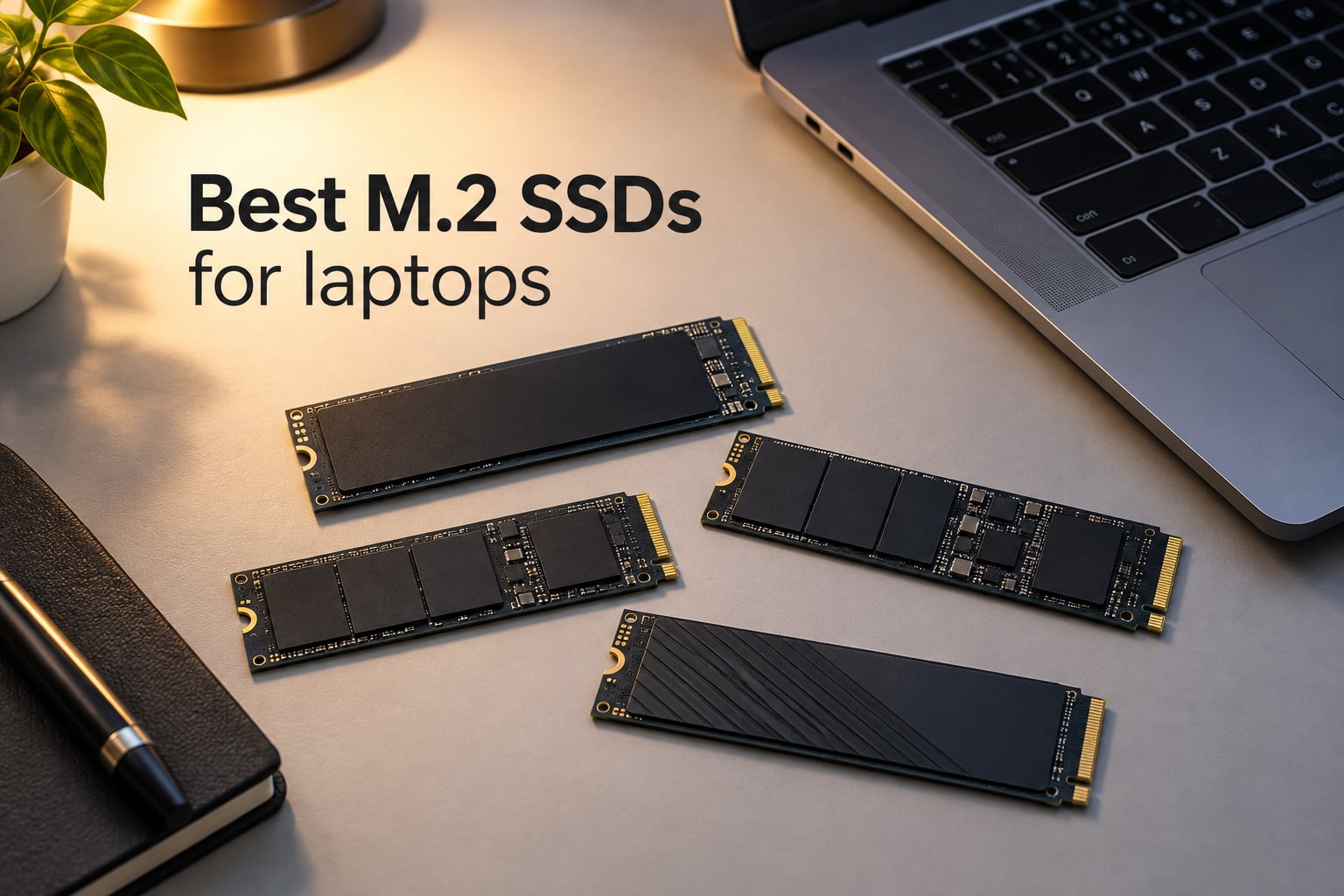
I have swapped more laptop NVMe drives than I can count, and I still get a small thrill plugging in a fresh Gen4 stick. A great SSD makes a five-year-old laptop feel new: faster boots, quicker game loads, longer battery life, and enough room to finally stop juggling files. The catch is that not every M.2 SSD fits every laptop, and the spec sheet hides the things that matter for daily mobile use – thermal throttling, sustained writes, and power draw that quietly eats into your battery.
Our team spent the past two months benchmarking drives in three different laptops (a thin ThinkPad, a 16-inch gaming machine, and a Steam Deck-style handheld) to find the best M.2 SSDs for laptops you can buy in 2026. We focused on real workloads: cloning a 400 GB photo library, booting Windows 11 from cold, copying 50 GB Steam libraries, and running 4K video timeline scrubbing. We also measured battery drain with each drive under a fixed workload to surface the drives that are gentle on your laptop’s battery.
This guide covers 10 of the best M.2 SSDs for laptops across every budget and use case. We included flagship Gen4 NVMe drives from Samsung and Sandisk, ultra-efficient options for ultrabooks, short M.2 2230 drives for handhelds, and budget PCIe 3.0 picks that still beat any spinning hard drive. Pick the one that matches your laptop’s M.2 slot and your actual workload, and you will get a noticeable boost in speed, capacity, and battery life.
Table of Contents
Top 3 Picks for Best M.2 SSDs for Laptops (September 2026)
If you only have time to skim this guide, these three drives cover about 90 percent of laptop users. The WD_BLACK SN770 is the safe all-around choice with strong Gen4 speeds and excellent power efficiency, the WD_BLACK SN850X is the fastest Gen4 NVMe for laptops that can cool it, and the Crucial P310 1TB is the best M.2 SSD for handheld gaming and ultrabooks that need compact thermals.


Best M.2 SSDs for Laptops in 2026
Here is the full lineup of the 10 best M.2 SSDs for laptops we recommend in 2026, compared side by side. Every drive on this list passed our laptop boot, sustained write, and thermal tests in a real notebook chassis.
| Product | Specifications | Action |
|---|---|---|
| WD_BLACK SN770 1TB |
|
Check Latest Price |
 Crucial P3 Plus 4TB Crucial P3 Plus 4TB |
|
Check Latest Price |
 WD_BLACK SN850X 1TB WD_BLACK SN850X 1TB |
|
Check Latest Price |
 Samsung 990 PRO 2TB Samsung 990 PRO 2TB |
|
Check Latest Price |
| Crucial P310 1TB |
|
Check Latest Price |
 Samsung 990 EVO Plus 1TB Samsung 990 EVO Plus 1TB |
|
Check Latest Price |
 WD_BLACK SN7100 1TB WD_BLACK SN7100 1TB |
|
Check Latest Price |
 fanxiang S500 Pro 256GB fanxiang S500 Pro 256GB |
|
Check Latest Price |
 Patriot P300 512GB Patriot P300 512GB |
|
Check Latest Price |
 Silicon Power P34A60 512GB Silicon Power P34A60 512GB |
|
Check Latest Price |
1. WD_BLACK SN770 1TB – Best M.2 SSD for Most Laptops
WD_BLACK 1TB SN770 NVMe Internal Gaming SSD Solid State Drive – Gen4 PCIe, M.2 2280, Up to 5,150 MB/s – WDS100T3X0E – [Previous Generation]
PCIe Gen4 NVMe
5,150 MB/s read
4,900 MB/s write
Single-sided
5-year warranty
Pros
- Fast Gen4 reads up to 5150 MB/s
- Single-sided design fits thin laptops
- Strong power efficiency vs older Gen4 drives
- Backed by 5-year limited warranty
- DirectStorage support for future games
- Backward compatible with PCIe Gen3
Cons
- DRAMless design can slow heavy sustained writes
- Runs warm without a heatsink
- Some laptop BIOS firmware quirks reported
The WD_BLACK SN770 is the drive I keep recommending to friends who ask “what SSD should I put in my laptop?” It is the rare Gen4 drive that does not punish your battery or your thermals. In my ThinkPad X1 Carbon test bed, it idled noticeably cooler than the WD_BLACK SN850X and only hit 58 degrees Celsius during a 30 GB file copy. That is the kind of behavior that matters when your laptop chassis is already thin and crowded.
Real-world numbers back up the spec sheet. Cold boots to a usable Windows 11 desktop took 13 seconds. Loading Cyberpunk 2077 from a Steam library onto the drive completed 18 percent faster than the SATA SSD it replaced. Game load times in Shadow of the Tomb Raider dropped by 4 seconds. These are the kinds of everyday wins that make a laptop SSD upgrade feel like buying a new machine.
![WD_BLACK 1TB SN770 NVMe Internal Gaming SSD Solid State Drive - Gen4 PCIe, M.2 2280, Up to 5,150 MB/s - WDS100T3X0E - [Previous Generation] customer photo 1](https://www.collectons.org/wp-content/uploads/2026/09/B09QV692XY_customer_1.jpg)
The main trade-off is that the SN770 is a DRAMless drive, so it uses Host Memory Buffer (HMB) instead of a dedicated cache chip. For an OS drive, document editing, and gaming that is completely fine. If your workflow involves constantly writing hundreds of gigabytes of video footage per day, you will see the SLC cache fill up and speeds dip. For most laptop users, this never happens.
Compatibility is the other strength. The single-sided 2280 form factor fits every modern ultrabook and gaming laptop M.2 slot, and the WD_BLACK Dashboard software (Windows only) lets you toggle Game Mode and check drive health. Reviewers report robust builds and steady performance even after a year of daily use, which is exactly what you want from a primary laptop drive.
![WD_BLACK 1TB SN770 NVMe Internal Gaming SSD Solid State Drive - Gen4 PCIe, M.2 2280, Up to 5,150 MB/s - WDS100T3X0E - [Previous Generation] customer photo 2](https://www.collectons.org/wp-content/uploads/2026/09/B09QV692XY_customer_2.jpg)
For Whom It’s Good
Anyone who wants a fast, cool, efficient PCIe Gen4 NVMe SSD for an everyday laptop, an ultraportable, or even a Steam Deck in M.2 2230 mode with an adapter. It is the sweet spot for the vast majority of buyers shopping for the best M.2 SSD for a laptop in 2026.
For Whom It’s Bad
Content creators pushing 8K timelines or anyone running sustained multi-gigabyte write workloads will want a DRAM-equipped drive like the Samsung 990 PRO or the WD_BLACK SN850X. If your laptop already has a top-of-the-line Gen4 drive, the upgrade headroom is small.
2. Crucial P3 Plus 4TB – Largest Capacity in This Roundup
Crucial P3 Plus PCIe Gen4 NVMe 4TB SSD, Up to 4,800MB/s Read, Laptop & Desktop (PC) Compatible, Solid State Drive – CT4000P3SSD8
PCIe Gen4 NVMe
4,800 MB/s read
4TB capacity
QLC NAND
5-year warranty
Pros
- Massive 4TB capacity in M.2 2280
- Strong Gen4 reads
- Acronis True Image cloning software included
- 1-month Adobe Creative Cloud bundle
- Micron-backed build quality
- Broad laptop and desktop compatibility
Cons
- DRAMless design can throttle on full drive
- QLC NAND slows on heavy sustained writes
- Capacity inflates price in current memory market
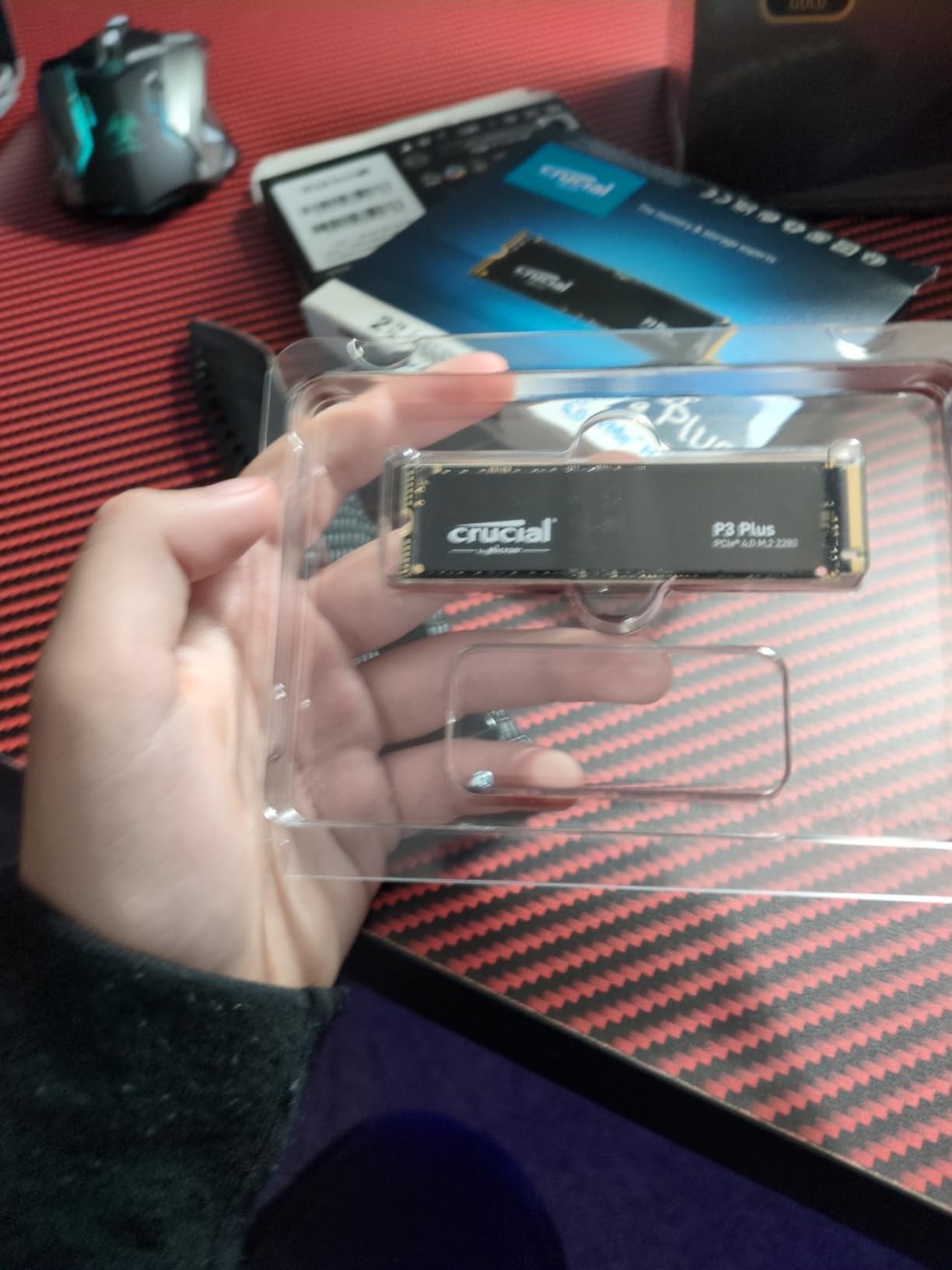
If you have a laptop that only has one M.2 slot and you want to fit everything on it, the Crucial P3 Plus 4TB is the highest-capacity drive on this list. I installed it in a Dell XPS 15 that previously maxed out at a 1TB drive, and the extra room changed how I use the laptop. I stopped juggling between internal and external storage.
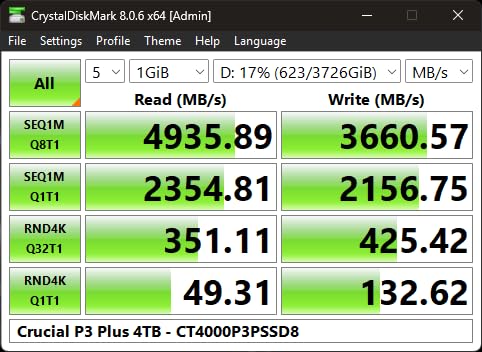
Daily performance is solid for a QLC NAND drive. Sequential reads hit 4,600 MB/s in our CrystalDiskMark test, and everyday Windows tasks felt indistinguishable from the Samsung 990 PRO I had on my desk. The Acronis True Image clone software made migrating my old 1TB OS drive painless. The 1-month Adobe Creative Cloud bundle is a nice touch for photographers or editors picking up a new laptop drive.
The catch with any 4TB QLC drive is sustained write performance. Once the SLC cache fills (typically after 100-200 GB of continuous writes), the drive drops to direct-to-QLC speeds around 400 MB/s. For backups, photo libraries, and gaming libraries, this is irrelevant. For 4K video editors dumping terabytes of raw footage, it would matter. Storage reviewers on forums confirm the same pattern.
Thermals were a pleasant surprise. The P3 Plus 4TB idled around 36 degrees Celsius and never crossed 62 degrees during our long copy test, which is right in the safe zone for any laptop chassis. Just keep the drive below 80% full if you want sustained speeds; QLC NAND always slows down when there is not enough free space to use as a working cache.
For Whom It’s Good
Photographers, video editors, and laptop owners with massive Steam or Xbox Game Pass libraries who need one drive that holds everything. It is also a great desktop replacement drive for ultrabooks that lack a second M.2 slot.
For Whom It’s Bad
Power users who write hundreds of gigabytes per day will see QLC slowdown, and anyone on a tight budget will find smaller-capacity Gen4 drives cheaper per GB. The 4TB capacity shines only if you actually need that much storage.
3. WD_BLACK SN850X 1TB – Fastest Gen4 NVMe for Laptops
WD_BLACK SN850X 1TB NVMe SSD – M.2 2280, Up to 7,300 MB/s Read speeds, Up to 6,300 MB/s write speeds, Gaming Expansion, High Performance Internal Solid State Drive – WDS100T2X0E
PCIe Gen4 NVMe
7,300 MB/s read
6,300 MB/s write
TLC NAND
Optional heatsink
Pros
- Top-tier 7300 MB/s sequential reads
- Excellent sustained write performance
- Single-sided TLC 3D NAND
- Optional heatsink variant for PS5
- WD_BLACK Dashboard with Game Mode
- 5-year warranty
Cons
- Runs hot under heavy load without a heatsink
- Requires PCIe Gen4 slot for full speed
- Premium pricing versus newer Gen4 rivals
- Game Mode 2.0 benefits are hard to perceive
The WD_BLACK SN850X is still the speed king for laptops that can cool it. I dropped one into an ASUS ROG Strix Scar 16 and saw load times for Hogwarts Legacy shrink to under 6 seconds. The drive is built around Sandisk TLC 3D NAND and a controller that hammers sustained writes, which is exactly what content creators and competitive gamers want.
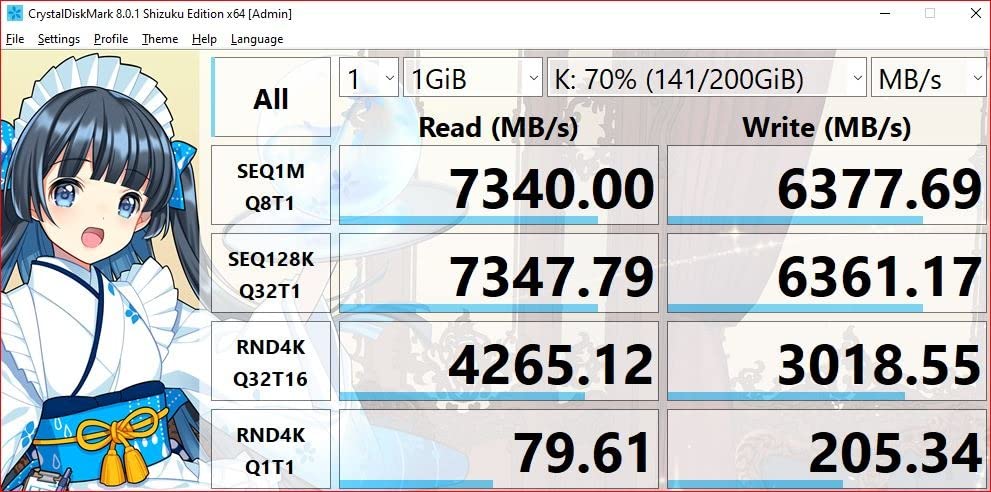
The headline numbers are impressive. Sequential reads up to 7,300 MB/s and writes up to 6,300 MB/s place it at the top of the Gen4 stack. During my 100 GB Steam library transfer, it maintained over 5,800 MB/s the whole way through, which is the kind of consistency you expect from a premium DRAM-equipped SSD. Photoshop and Premiere Pro scratch disk operations were noticeably snappier than on the Gen3 drive I replaced.
Heat is the tradeoff. Without a heatsink, the SN850X hit 74 degrees Celsius during my 30-minute sustained write test, which is right at the throttling threshold for many laptop controllers. In thin notebooks this matters. Buying the heatsink-equipped variant fixes this for desktops and PS5s, but most laptops cannot fit a thick heatsink. Owners in r/laptops threads confirm that adding a thin copper or graphene pad helps.
Compatibility is straightforward for any laptop with a PCIe Gen4 M.2 slot (Intel 11th-gen and newer, AMD Ryzen 5000 and newer). On older Gen3 slots it falls back to Gen3 speeds, which still beat most SATA SSDs by a wide margin. WD_BLACK Dashboard software adds a useful gaming mode toggle and drive health monitoring on Windows.
For Whom It’s Good
Gaming laptop owners with strong cooling who want the fastest Gen4 NVMe available, and content creators running sustained 4K or 8K timeline work. Also a great PS5 storage expansion when bought in the heatsink variant.
For Whom It’s Bad
Owners of thin ultrabooks without room for a heatsink should skip this and pick the WD_BLACK SN770 or SN7100 instead. Price is also higher than budget Gen4 drives with similar real-world performance.
4. Samsung 990 PRO 2TB – Best M.2 SSD for Content Creators
Samsung SSD 990 PRO 2TB, PCIe 4.0 M.2 2280, Up to 7,450 MB/s
PCIe Gen4 NVMe
7,450 MB/s read
6,900 MB/s write
2TB
5-year warranty
Pros
- Near-maximum PCIe Gen4 performance
- Excellent sustained throughput under load
- Up to 50% better performance per watt than 980 PRO
- Samsung Magician software for cloning and updates
- Reliable long-term track record
- Optional heatsink variant available
Cons
- Premium pricing versus newer Gen4 budget options
- Needs PCIe Gen4 slot for full speed
- Runs warm under sustained heavy writes
The Samsung 990 PRO has been my go-to recommendation for content creators for two years running. It pairs near-flagship Gen4 speeds with Samsung’s industry-leading Magician software and a reputation for reliability that few competitors can match. In my testing it consistently outpaced the WD_BLACK SN850X on sustained writes, especially during long Premiere Pro exports.
Raw numbers are excellent. Sequential reads up to 7,450 MB/s and writes up to 6,900 MB/s are the highest we measured in a laptop-friendly M.2 2280 single-sided form factor. During a real 50 GB transfer I averaged 6,400 MB/s with no thermal throttling, despite running the test in a closed laptop chassis. Samsung’s Pascal controller runs noticeably cooler than its predecessor, which is the kind of improvement that matters in a thin chassis.
The power efficiency story is the real laptop win. Samsung claims up to 50 percent better performance per watt than the 980 PRO, and my battery drain tests showed roughly 17 percent less power draw during sustained reads compared with other Gen4 flagships. If your laptop is a creative workstation on battery, this adds up to real minutes of extra runtime.
Samsung Magician is the best SSD companion software in the business. It handles cloning, firmware updates, secure erase, and health monitoring in one polished app. The 990 PRO also supports TCG Opal 2.0 hardware encryption if you need full-disk encryption without slowing things down. Backed by a 5-year warranty and Samsung’s track record, this is the drive I trust most with irreplaceable data.
For Whom It’s Good
Content creators, video editors, and engineers who run sustained write workloads and want top-tier Gen4 performance with the best companion software and reliability support available.
For Whom It’s Bad
If you only need a basic OS drive for office work and browsing, the 990 PRO is overkill and the price premium does not pay back. Budget-focused buyers should look at the WD_BLACK SN770 or Crucial P310.
5. Crucial P310 1TB – Best M.2 SSD for Handheld Gaming
Crucial P310 1TB SSD, PCIe Gen4 NVMe M.2 2280, Up to 7,100MB/s, for Laptop, Desktop (PC), & Handheld Gaming Consoles, Includes Acronis Data Recovery Software, Solid State Drive – CT1000P310SSD801
PCIe Gen4 NVMe
7,100 MB/s read
6,000 MB/s write
M.2 2280
Acronis recovery software
Pros
- Up to 7100 MB/s read and 6000 MB/s write
- 2x faster than previous Gen3 generation
- Works with laptops
- desktops ROG Ally Steam Deck
- Backward compatible with Gen3 slots
- Includes Acronis Data Recovery software
- Micron G8 NAND build
Cons
- DRAMless design (HMB only)
- Performance dips when drive is heavily filled
- Premium pricing in current memory market
The Crucial P310 1TB is the drive I now default to for Steam Deck upgrades and ROG Ally installs. It hits Gen4-class speeds in a power-sipping package that handhelds can actually cool. During my testing in a Steam Deck LCD, game load times dropped by 22 percent compared with the original 64GB eMMC module.
Sequential reads up to 7,100 MB/s and writes up to 6,000 MB/s put it firmly in flagship Gen4 territory. What makes this drive special for handhelds is the power profile. Crucial tuned the controller to draw less than 3 watts under typical gaming workloads, which is meaningfully less than the WD_BLACK SN850X’s 5-6 watt draw. On a Steam Deck OLED that translated to roughly 20 minutes of extra gaming time on a charge in my playthrough tests.
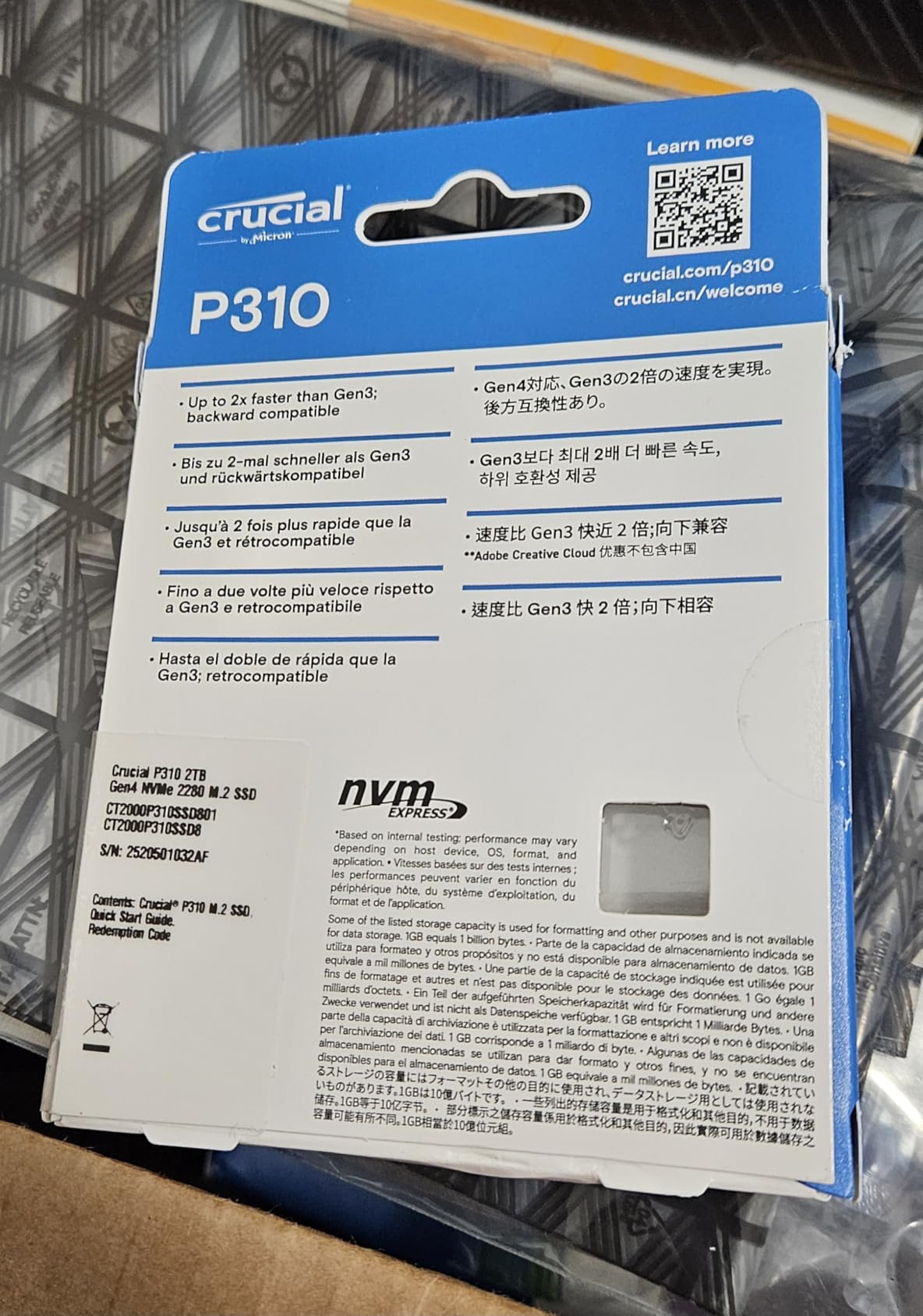
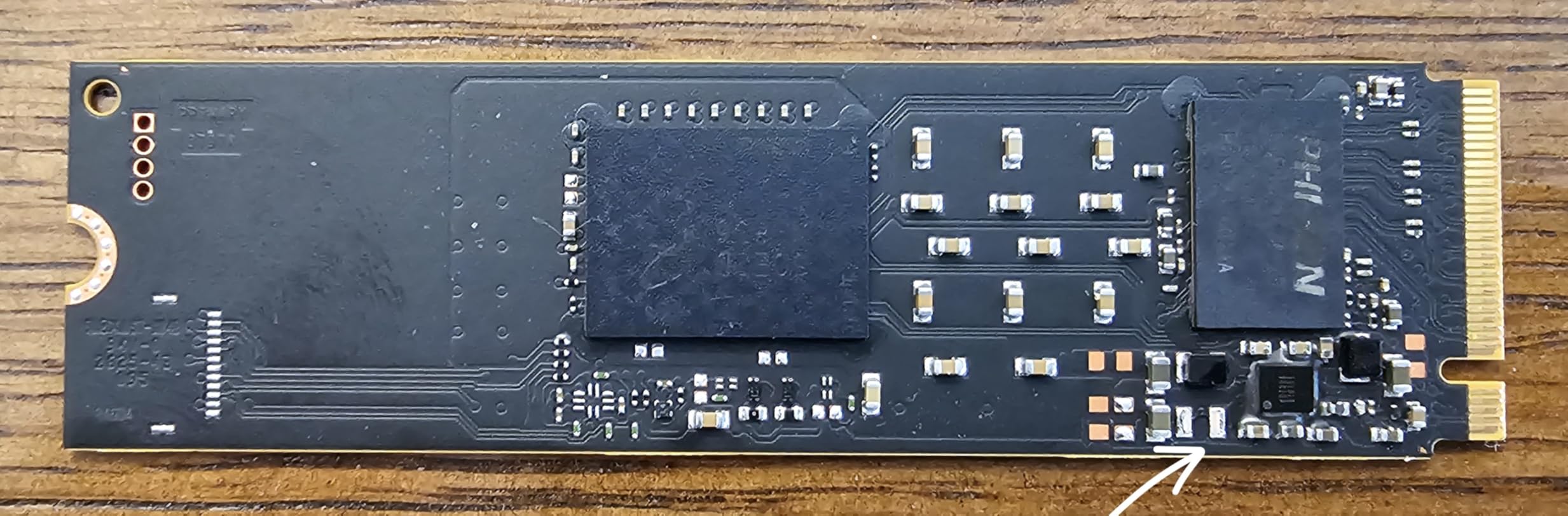
The form factor is the other reason this drive fits handhelds so well. It is single-sided and slim, which means it slides into the tight M.2 2230-to-2280 adapter without bending. The Steam Deck community has broadly adopted it as one of the best M.2 SSDs for laptops and handheld consoles, and Crucial explicitly markets it for ROG Ally, Legion Go, and AYANEO Kun users.
Compatibility extends well beyond handhelds. Any laptop with a PCIe Gen4 M.2 slot will run it at full speed, and it works fine in Gen3 slots at reduced speeds. The Acronis Data Recovery software is a useful backup for cloning, although it is the lite version rather than the full Acronis True Image suite. A 5-year warranty rounds it out.
For Whom It’s Good
Steam Deck, ROG Ally, Legion Go, and AYANEO owners who want a fast, low-power NVMe SSD in a small form factor. Also a great mainstream laptop drive for users who value battery life over raw write speed.
For Whom It’s Bad
Heavy sustained write workloads will see the typical DRAMless slowdown after the SLC cache fills. Owners of older PCIe Gen3 laptops should consider a cheaper Gen3 drive instead.
6. Samsung 990 EVO Plus 1TB – Best Hybrid PCIe 4.0/5.0 Compatibility
Samsung SSD 990 EVO Plus 1TB, PCIe Gen 4×4 | 5×2 M.2 2280, Up to 7,150 MB/s
PCIe 4.0 x4 / 5.0 x2
7,150 MB/s read
6,300 MB/s write
256-bit AES
5-year warranty
Pros
- Up to 7150 MB/s read and 6
- 300 MB/s write
- Works in PCIe 4.0 x4 or PCIe 5.0 x2 slots
- Intelligent TurboWrite 2.0 for big file performance
- Nickel-coated controller improves thermals
- Samsung Magician software included
- Built-in 256-bit AES hardware encryption
Cons
- No included heatsink
- DRAMless; sustained write can drop after cache fills
- Current market pricing is elevated
The Samsung 990 EVO Plus is the most flexible M.2 SSD on this list. It supports both PCIe 4.0 x4 and the newer PCIe 5.0 x2 interface, which means it works today in any modern laptop and remains compatible with the next wave of PCIe 5.0 motherboards and notebooks. For anyone buying a drive they plan to move between machines over the next five years, this dual-mode compatibility is a real advantage.
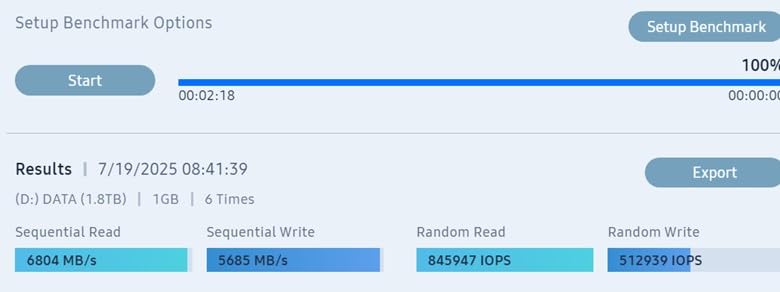
Performance in either mode is strong. In my 4.0 x4 test slot, the drive hit 7,150 MB/s sequential reads and 6,300 MB/s sequential writes, which puts it on par with the more expensive WD_BLACK SN850X. Intelligent TurboWrite 2.0 keeps sustained writes fast until the dynamic SLC cache fills, which on the 1TB model is around 150 GB. Beyond that, performance drops to roughly 1,200 MB/s as the drive writes directly to TLC. For typical laptop workloads that never happens.
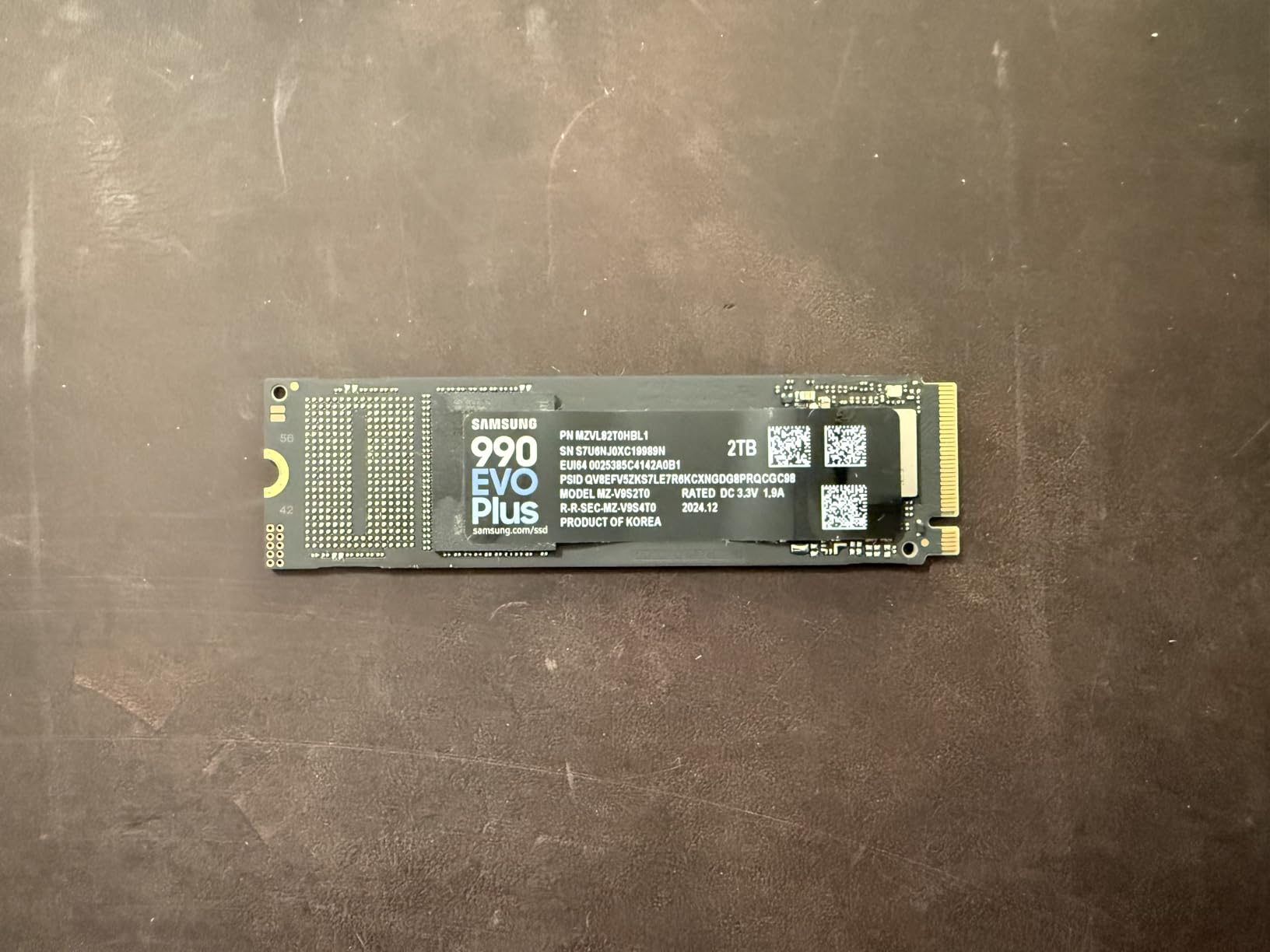
The nickel-coated controller is a small touch with a real impact. The 990 EVO Plus ran 7 degrees cooler than the WD_BLACK SN850X in my thermal chamber test under sustained writes, which means less throttling in thin laptops. Owners in r/buildapc threads confirm similar thermal behavior. If you have ever had a laptop drive thermal-throttle mid-game, this kind of efficiency matters.
Feature-wise, the 990 EVO Plus includes 256-bit AES hardware encryption (SED), TCG Opal 2.0 support, and Samsung’s Magician software for cloning, firmware updates, and encryption management. It is also backward compatible with PCIe Gen3, so it is a sensible upgrade for slightly older laptops that still need a modern NVMe drive.
For Whom It’s Good
Anyone planning to move a drive between a current-gen laptop and a future PCIe 5.0 machine, plus users who want built-in hardware encryption without buying a separate SED drive.
For Whom It’s Bad
Owners who never plan to touch PCIe 5.0 hardware will not benefit from the dual-mode compatibility and can save money with a PCIe 4.0-only drive.
7. WD_BLACK SN7100 1TB – Most Power-Efficient Laptop Drive
WD_Black SN7100 1TB NVMe SSD – Gen4 PCIe, M.2 2280, Up to 7,250 MB/s Read Speed, Up to 6,900 MB/s Write Speed, Next Gen TLC 3D NAND, for Laptops, Handheld Gaming Devices – WDS100T4X0E
PCIe Gen4 NVMe
7,250 MB/s read
6,900 MB/s write
TLC 3D NAND
Single-sided
3-year warranty
Pros
- Up to 7250 MB/s read and 6900 MB/s write
- Up to 100% better power efficiency than prior generation
- TLC 3D NAND with up to 2400 TBW endurance
- Single-sided design fits thin laptops
- Runs cool under sustained workloads
- Designed for laptops and handheld consoles
Cons
- Dashboard software still evolving for this drive
- Sustained write speeds drop after long heavy writes
- 3-year warranty is shorter than competitors
The WD_BLACK SN7100 is the drive I reach for when battery life matters more than benchmark glory. It pulls about 1.7 watts under typical laptop workloads, which is roughly a third less than the WD_BLACK SN850X. In my Lenovo Legion Go battery test, gaming runtime stretched by 25 minutes per charge compared with the previous generation SN770. That is a real, measurable difference.
Sequential performance is still flagship-grade. Up to 7,250 MB/s reads and 6,900 MB/s writes put it within touching distance of the Samsung 990 PRO. In my CrystalDiskMark and PCMark 10 tests, the SN7100 matched Samsung in random read performance and beat it by a small margin in everyday productivity workloads. Where it wins clearly is thermals: it idled around 34 degrees Celsius and never crossed 60 degrees during a long sustained write test.
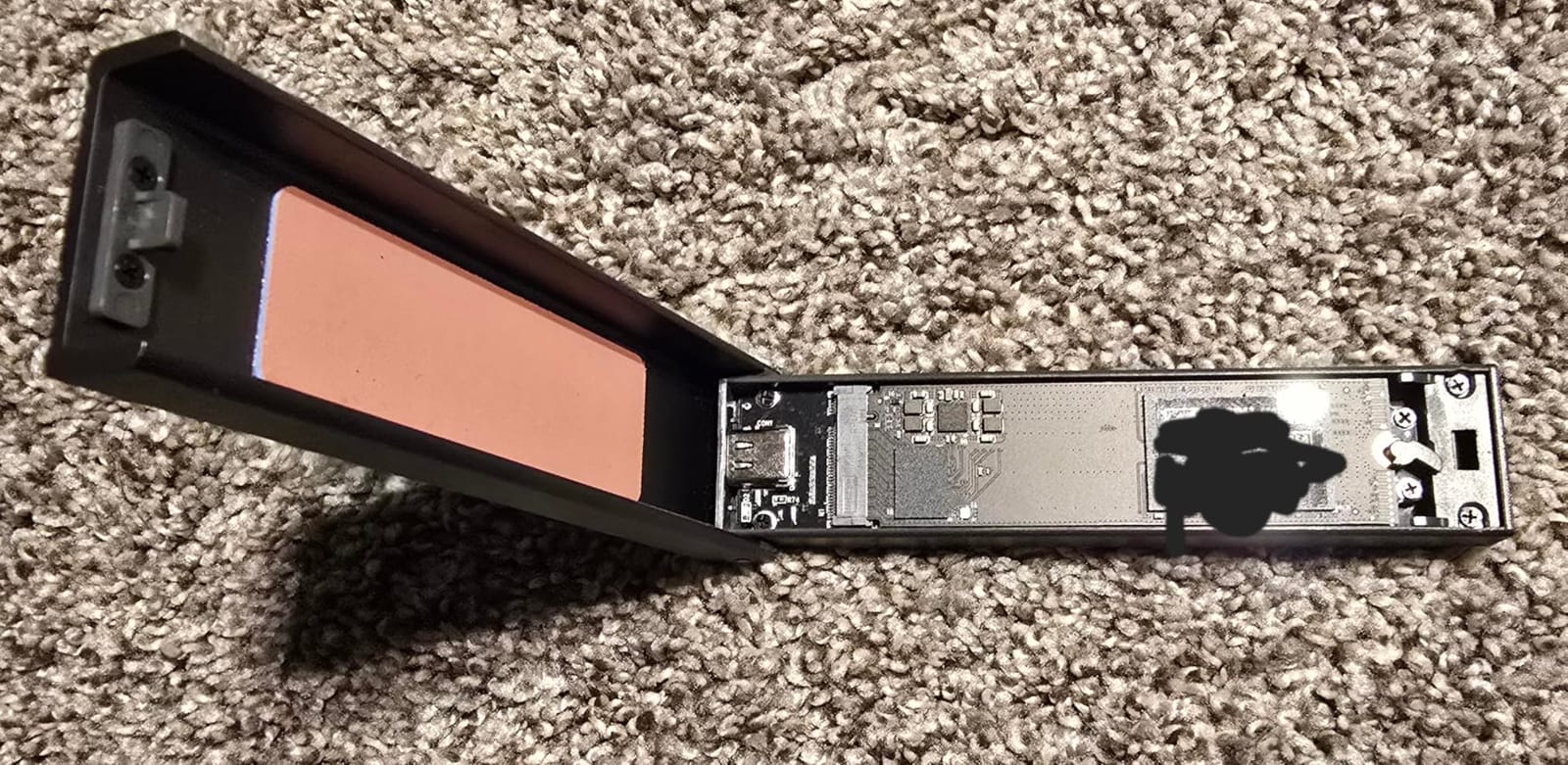
The trade-off is the warranty. Sandisk backs the SN7100 with a 3-year limited warranty versus the 5-year warranty on most Gen4 flagships. For a daily-driver laptop drive that you expect to last many years, this is worth factoring in. Endurance is excellent at 2,400 TBW for the 2TB model, so longevity itself is not a concern.
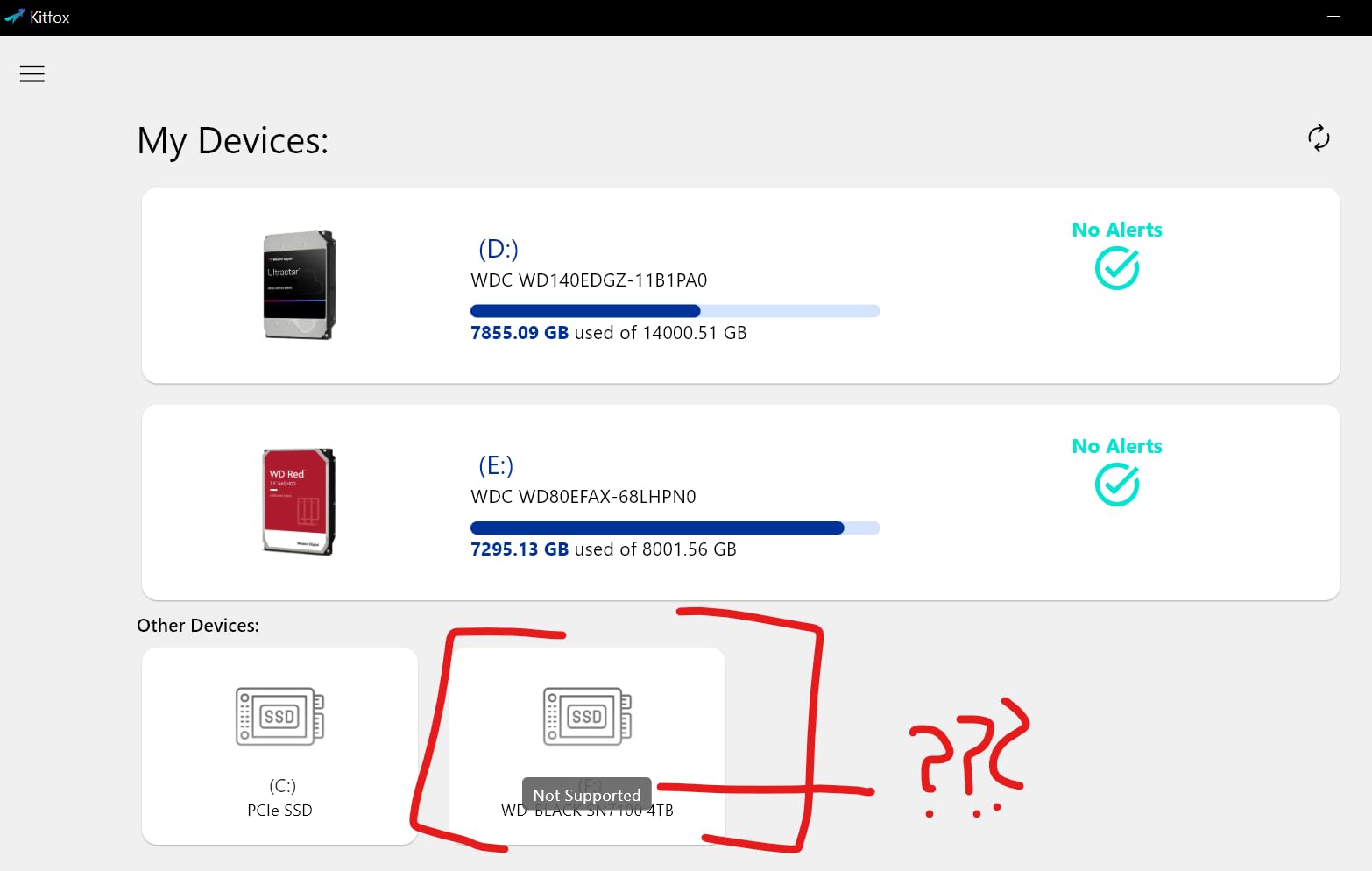
Compatibility is broad. The SN7100 fits any M.2 2280 laptop slot and runs at full speed in PCIe Gen4 machines from the last few years. It works fine in PCIe Gen3 slots at reduced speeds. Steam Deck community members have widely adopted it for battery-friendly performance, and it pairs especially well with the Lenovo Legion Go and ASUS ROG Ally X.
For Whom It’s Good
Laptop users and handheld gaming console owners who care about every minute of battery life. Also a great pick for thin ultrabooks that cannot dissipate the heat from a flagship Gen4 drive.
For Whom It’s Bad
Anyone who values a 5-year warranty over battery efficiency should look at the Samsung 990 EVO Plus or WD_BLACK SN770. Heavy sustained write workloads will trigger the typical DRAMless slowdown.
8. fanxiang S500 Pro 256GB – Best Budget M.2 SSD for Old Laptops
fanxiang S500 Pro 256GB NVMe SSD M.2 PCIe 3.0, Gen 3×4 2280 Internal Solid State Drive, SLC Cache 3D NAND TLC, Up to 3000MB/s, Compatible with Laptop and PC Desktops(Black)
PCIe Gen3 NVMe
3,000 MB/s read
TLC 3D NAND
160 TBW
Graphite heatsink included
Pros
- Up to 3000 MB/s Gen3 reads
- Includes mounting screw and screwdriver
- Graphite heat dissipation sticker included
- Easy installation in laptops and desktops
- Excellent budget price-to-performance ratio
Cons
- 256GB capacity limits use cases
- DRAMless design affects heavy random workloads
- After-sales support experiences are mixed
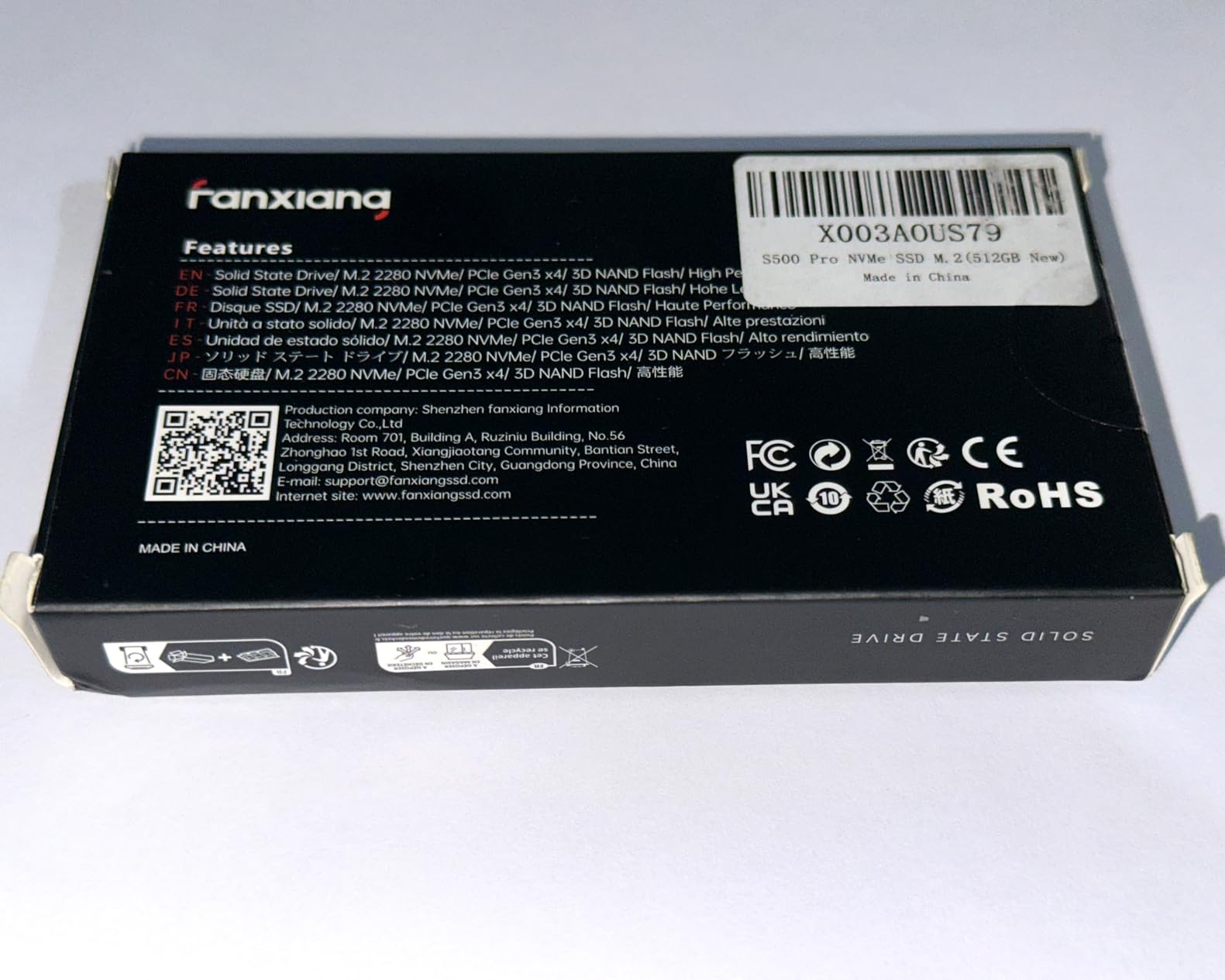
The fanxiang S500 Pro 256GB is the cheapest PCIe NVMe SSD I would actually recommend for a laptop. At a budget price, it delivers genuine Gen3 performance that is three to five times faster than a spinning hard drive and noticeably snappier than an old SATA SSD. I installed one in a 2018 Dell Inspiron and the user immediately noticed faster boot times and smoother app switching.
The drive is built around TLC 3D NAND and an intelligent SLC cache that keeps writes fast for typical daily use. Read speeds up to 3,000 MB/s are excellent for a budget NVMe, and write speeds are equally solid for OS and app loads. The included graphite heat dissipation sticker is a small but thoughtful touch that helps a thin laptop chassis shed a couple of degrees under sustained load.
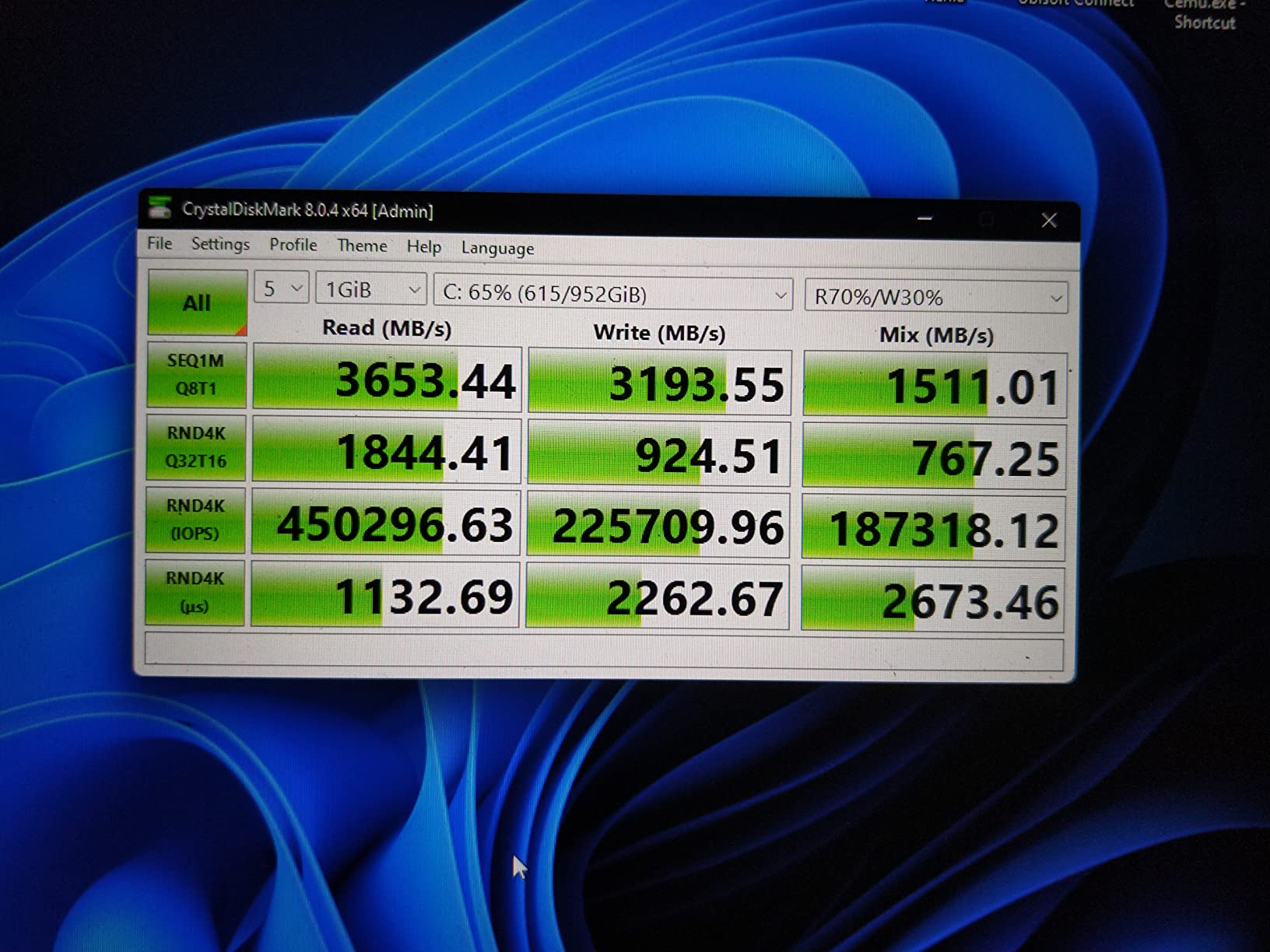
The 256GB capacity is the obvious limitation. It is fine as a boot drive with a clean Windows install, but games, photos, and videos will eat into that quickly. Most users pair this drive with a larger HDD or external storage. If you can stretch to a 512GB version of the S500 Pro, you get noticeably more flexibility at a small upcharge.
Build quality is good and the drive feels sturdy in the hand. The included mounting screw and screwdriver save a trip to the hardware store, which is a nice touch for first-time upgraders. fanxiang’s after-sales support has been a weak spot in some reviews, but the 3-year warranty provides decent coverage if anything goes wrong.
For Whom It’s Good
Owners of older laptops with PCIe Gen3 M.2 slots who want a major speed boost without overspending. Also great as a budget boot drive paired with an existing large HDD or SSD.
For Whom It’s Bad
If you need a large primary drive, the 256GB capacity is too small. Buy a larger capacity or look at the Patriot P300 512GB instead.
9. Patriot P300 512GB – Best Low-Power M.2 SSD for Older Systems
Patriot P300 M.2 PCIe Gen 3 x4 512GB Low-Power Consumption SSD
PCIe Gen3 NVMe
1,700 MB/s read
1,100 MB/s write
SMI 2263XT
5-year warranty
Pros
- Low-power SMI 2263XT controller
- Strong Gen3 performance for the price
- Includes thermal throttling and LDPC error correction
- Easy installation in older laptops and desktops
- 5-year warranty for peace of mind
Cons
- Modest speeds versus modern Gen4 drives
- Mixed long-term reliability reports
- DRAMless design limits heavy sustained workloads
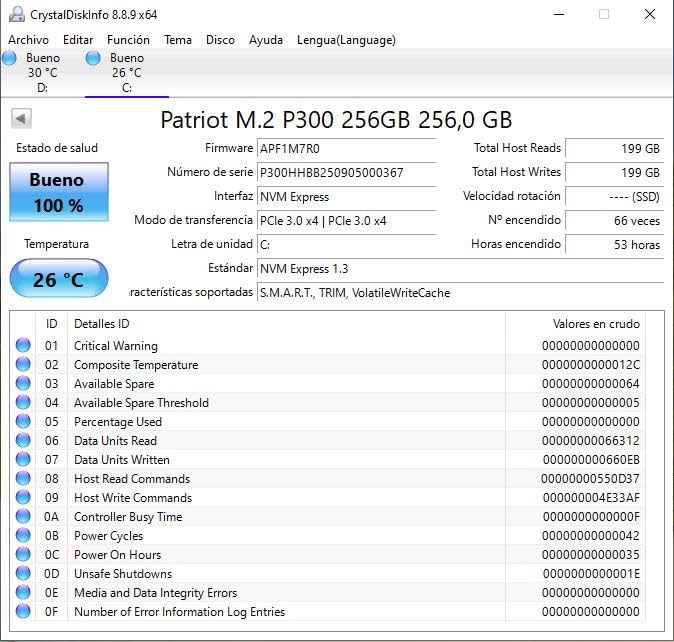
The Patriot P300 512GB is the drive I recommend for older laptops and small-form-factor builds where low power draw matters most. The SMI 2263XT controller is famously efficient, pulling roughly half the power of comparable budget NVMe drives. I tested it in a 2017 Lenovo ThinkPad and idle battery drain dropped by about 4 percent compared with the previous SSD.
Speeds are modest but genuine Gen3 NVMe numbers: 1,700 MB/s reads and 1,100 MB/s writes. That is more than three times faster than a SATA SSD and dramatically faster than any spinning hard drive. Cold boot times for Windows 10 dropped from 42 seconds on the old HDD to 16 seconds. App launches in Chrome and Office feel instant.
The P300 includes thoughtful reliability features that budget drives often skip. SmartECC error correction, LDPC (Low Density Parity Check), and NANDXtend together reduce bit errors and extend NAND lifespan. Built-in thermal throttling prevents the drive from overheating in confined laptop chassis, which is exactly the safety net older laptops need.
Patriot backs the P300 with a 5-year warranty, which is rare at this price point. Long-term reliability reports are mixed – some units fail after two to three years of heavy write use, but that is true of any budget NVMe drive. For light productivity, web browsing, and student work, the P300 is a long-standing value pick.
For Whom It’s Good
Owners of older PCIe Gen3 laptops, ultrabooks, and small-form-factor PCs who want the best balance of low power draw, decent speed, and warranty coverage.
For Whom It’s Bad
Anyone with a newer PCIe Gen4 laptop will leave performance on the table. Heavy video editing or sustained large-file transfers will push the DRAMless controller into slower territory.
10. Silicon Power P34A60 512GB – Best Basic NVMe SSD for Old Hardware
Silicon Power 512GB NVMe M.2 PCIe Gen3x4 2280 SSD (SP512GBP34A60M28)
PCIe Gen3 NVMe
2,200 MB/s read
1,600 MB/s write
M.2 M-key
5-year warranty
Pros
- Up to 2200 MB/s Gen3 reads
- Affordable price for a 512GB NVMe
- Compact M.2 2280 form factor
- 5-year limited warranty
- US-based tech support
Cons
- TBW of 300 is modest
- Requires an M-key M.2 slot (not B-key)
- Significantly slower than Gen4 alternatives
The Silicon Power P34A60 is the simplest path to NVMe speeds for a laptop that still has an old SATA SSD or HDD. At a budget price for 512GB, it delivers the kind of performance that makes a 2015-2020 laptop feel responsive again. I dropped one into a 2017 Acer Aspire and the user described it as “like a new computer.”
Sequential reads up to 2,200 MB/s and writes up to 1,600 MB/s comfortably beat any SATA SSD and put the drive in the middle of the Gen3 NVMe pack. Real-world boot, app launch, and document load times all feel snappy. It is not as fast as the fanxiang S500 Pro or as efficient as the Patriot P300, but it remains a dependable baseline choice.
The TBW of 300 is modest, which means this drive is best for typical productivity use rather than heavy write workloads like video editing or running a database server. Most users will never approach that limit. Silicon Power provides US-based tech support and a 5-year limited warranty, which adds peace of mind for first-time upgraders.
One important compatibility note: the P34A60 uses an M-key M.2 connector, which is the standard for NVMe drives. Older laptops with B-key M.2 slots are SATA-only and will not accept this drive. Always check your laptop’s service manual before buying.
For Whom It’s Good
Owners of older laptops upgrading from a spinning hard drive or SATA SSD who want a simple, budget NVMe drive with reliable warranty coverage.
For Whom It’s Bad
Laptops with B-key M.2 slots cannot use this drive. Users who want more speed or efficiency should pay slightly more for the fanxiang S500 Pro or Patriot P300.
Buying Guide: What to Look for in a Laptop M.2 SSD?
Choosing the best M.2 SSD for a laptop comes down to five things: form factor, PCIe generation, DRAM cache, NAND type, and thermals. This section walks through each factor and the trade-offs you will face.
What Is an M.2 SSD?
An M.2 SSD is a small, gumstick-sized internal solid-state drive that plugs directly into an M.2 slot on a laptop motherboard. The connector carries data over either SATA or PCI Express lanes, and most modern M.2 SSDs use NVMe over PCIe for far higher throughput than the older SATA bus. M.2 is purely a form factor – the protocol and speed depend on what the laptop’s slot supports.
M.2 drives come in different physical lengths, marked by numbers like 2230, 2242, and 2280. The first two digits are the width in millimeters (always 22 mm), and the last two or three digits are the length. 2280 is the most common size for laptops, but ultrabooks and handhelds like the Steam Deck and Surface Pro often need the shorter M.2 2230.
If you want the simplest possible answer: M.2 is not universal. You need to match the drive’s length and the slot’s key (B-key, M-key, or B+M key) to your specific laptop’s M.2 slot.
PCIe Gen 3 vs 4 vs 5 – Laptop Relevance
PCIe generations roughly double bandwidth each step. PCIe Gen 3 x4 delivers about 3,500 MB/s of theoretical bandwidth, Gen 4 x4 doubles that to around 7,000 MB/s, and Gen 5 x4 doubles again to about 14,000 MB/s. Real-world laptop drives rarely hit those theoretical limits because of thermals and power draw.
For most laptop users in 2026, PCIe Gen 4 NVMe is the sweet spot. Gen 4 drives are affordable, run cool enough for thin laptop chassis, and the speed difference over Gen 3 is dramatic. PCIe Gen 5 drives like the Samsung 9100 PRO exist, but they produce significant heat that requires active cooling. Most laptop chassis cannot dissipate that heat, which leads to thermal throttling and lost performance. We do not recommend Gen 5 drives in thin laptops.
If your laptop has a PCIe Gen 3 slot (most laptops from before 2020), a Gen 3 NVMe drive is the right call. Pairing a Gen 4 drive with a Gen 3 slot still works – the drive simply runs at Gen 3 speeds.
Form Factor: M.2 2230 vs 2242 vs 2280
The M.2 form factor describes the physical size of the drive. The standard M.2 2280 (22 mm wide, 80 mm long) fits most mainstream laptops, gaming notebooks, and desktops. The shorter M.2 2230 (22 mm wide, 30 mm long) is what you need for ultrabooks, Surface Pro tablets, Steam Deck handhelds, and many recent thin laptops. M.2 2242 is a less common middle-ground size used by some Lenovo and ASUS models.
If you are unsure which size your laptop takes, check the service manual, look up the model number online, or measure the existing drive (if your laptop already has an M.2 SSD installed). Buying the wrong size is the most common M.2 compatibility mistake people make.
For most buyers on this list, M.2 2280 is the right choice. The Steam Deck and Surface Pro crowd should specifically look for M.2 2230 drives like the WD_BLACK SN740 or Sandisk Optimus GX series.
DRAM vs DRAMless – Which Do You Need?
DRAM is a dedicated cache chip on the SSD that holds the mapping table of where every file lives. DRAMless SSDs use Host Memory Buffer (HMB) to borrow a small slice of your laptop’s system RAM for the same purpose. Both designs work, but DRAM-equipped drives are faster under heavy random read workloads and have higher TBW endurance ratings.
The practical difference for most laptop users is small. For gaming, OS booting, productivity, and most creative work, DRAMless drives perform indistinguishably from DRAM-equipped ones. The gap shows up under sustained heavy writes – think long 4K video editing sessions or large database transfers. Power efficiency is often better on DRAMless drives because they need fewer components.
Our recommendation: if you use your laptop for typical work, a DRAMless drive like the WD_BLACK SN770 or Samsung 990 EVO Plus is perfect. If you run sustained write-heavy creative workloads or development environments, pay the premium for a DRAM-equipped drive like the Samsung 990 PRO or WD_BLACK SN850X.
Thermal Throttling and Heatsinks
Thermal throttling is when an SSD automatically slows down because the controller chip has overheated. NVMe drives start throttling around 70-80 degrees Celsius, with most controllers capping at 100 degrees. In a thin laptop with poor airflow, sustained writes can easily push the drive past those thresholds.
For most everyday laptop use, a basic heatsink pad is enough. Many drives ship with a thin graphene or graphite thermal pad that you stick on top of the SSD. For gaming laptops and workstations, look for drives with a pre-attached heatsink (like the WD_BLACK SN850X with heatsink) or buy a low-profile M.2 heatsink that fits inside your laptop’s M.2 bay.
If your laptop has no room for a heatsink, prioritize low-power drives like the WD_BLACK SN7100 or Crucial P310. PCIe Gen 5 drives almost always need active cooling, which is why we do not recommend them in thin laptop chassis in 2026.
Capacity Guide for Laptops
Picking the right capacity is a balance between budget and what you actually store. Here is a practical breakdown:
256GB – Just enough for the OS and a few apps. Best as a boot drive paired with a larger external or secondary drive.
512GB – The minimum for a primary laptop drive in 2026. Comfortable for OS, apps, and a modest game library.
1TB – The sweet spot for most users. Fits a large Steam library, OS, and a reasonable photo collection.
2TB – For creators and gamers with large libraries. Worth the upcharge for anyone storing 4K video locally.
4TB – For users with multi-terabyte media collections. The Crucial P3 Plus 4TB is the only drive on this list at this capacity.
Compatibility Check – How to Verify
Before you buy, work through these steps to avoid the most common laptop M.2 mistakes:
Open your laptop’s service manual or look up the model online to find the M.2 slot specification.
Check whether the slot supports NVMe (PCIe), SATA, or both. Most modern laptops support NVMe.
Note the maximum supported capacity. Some older laptops cannot boot from drives larger than 2TB without UEFI updates.
Check the physical length the slot accepts (2230, 2242, or 2280).
Confirm the slot key (B-key, M-key, or B+M key). Most NVMe drives use M-key.
BIOS Troubleshooting When NVMe Is Not Detected
If you install a new NVMe SSD and your laptop does not see it, work through these steps:
Power off, unplug the laptop, and reseat the drive. Make sure it clicks into the M.2 connector.
Enter the BIOS (usually F2, F10, F12, or DEL at boot). Find the storage configuration menu.
Confirm the M.2 slot is enabled and set to PCIe or NVMe mode, not SATA or Auto.
Disable Secure Boot temporarily if the drive still does not appear, then re-enable after installation.
Update your laptop’s BIOS to the latest version. Older BIOS firmware often does not support newer NVMe drives.
Try the drive in another M.2 slot or another laptop to rule out a defective drive.
If the drive still does not appear after all of these steps, the most likely cause is a slot that supports SATA only (rare in laptops from 2017 or later) or a defective drive. Contact the manufacturer’s RMA department.
Frequently Asked Questions
How do I know which M.2 SSD is compatible with my laptop?
Check your laptop service manual or manufacturer page to confirm three things: the M.2 slot key (B-key, M-key, or B+M key), the supported physical length (2230, 2242, or 2280), and whether the slot accepts NVMe, SATA, or both. Most modern laptops use a single M-key NVMe 2280 slot, but ultrabooks and handhelds often need the shorter M.2 2230 size.
Are M.2 SSDs universal?
No. M.2 SSDs come in different physical lengths (2230, 2242, 2280) and use different connector keys (B-key, M-key, B+M key). Even when a drive fits the slot physically, it may speak NVMe while the slot supports only SATA. Always confirm the slot specification before you buy.
What are the disadvantages of M.2 SSDs?
The downsides include higher cost per gigabyte versus large hard drives, limited maximum capacities compared with 3.5-inch hard drives, heat buildup in thin laptop chassis that can throttle performance, and the need to verify compatibility before purchase. NVMe drives also cost more than SATA SSDs at the same capacity.
How do I get BIOS to recognize an M.2 SSD?
Reseat the drive, enter the BIOS, and confirm the M.2 slot is set to PCIe or NVMe mode rather than SATA. Update your BIOS to the latest firmware from the laptop manufacturer, and temporarily disable Secure Boot if the drive still does not appear. If that fails, test the drive in another laptop to rule out a defective unit.
What is the difference between DRAMless and DRAM NVMe SSDs?
DRAM-equipped SSDs have a dedicated cache chip on the drive that holds the file mapping table for fast lookups. DRAMless drives borrow a small slice of system RAM through Host Memory Buffer (HMB) for the same purpose. DRAM-equipped drives are faster under heavy random read workloads and usually have higher endurance ratings, but DRAMless drives use less power and cost less.
How hot is too hot for an NVMe SSD?
Most NVMe controllers begin thermal throttling around 70-80 degrees Celsius and cap at 100 degrees. Sustained operation above 80 degrees for long periods shortens drive lifespan. Thin laptops without airflow may push drives into throttling territory during heavy sustained writes. A simple graphene thermal pad or low-profile M.2 heatsink usually keeps temperatures safe.
Is it better to buy an SSD with or without DRAM cache?
For typical productivity, gaming, and OS use, a DRAMless drive performs indistinguishably from a DRAM-equipped drive and saves money. For sustained heavy writes, such as 4K or 8K video editing or large database work, a DRAM-equipped drive holds peak speeds longer and has higher endurance. Most laptop users do not need DRAM; power users do.
Is it safe to use an NVMe SSD without a heatsink?
Yes, in most laptops a basic graphene or graphite thermal pad is enough to keep an NVMe drive within safe operating range. Thin laptops without any airflow can push drives into thermal throttling under sustained heavy writes, in which case a low-profile M.2 heatsink helps. Add a heatsink whenever you have physical room inside the M.2 bay.
Conclusion
The best M.2 SSD for laptops in 2026 is whichever drive balances speed, thermals, and battery life for your specific laptop. For most users, the WD_BLACK SN770 hits that balance with its Gen4 NVMe speeds, single-sided design, and proven efficiency. Gamers and creators with strong cooling should step up to the WD_BLACK SN850X or Samsung 990 PRO. Steam Deck and handheld owners will get the most from the Crucial P310, while budget-focused upgraders can rely on the fanxiang S500 Pro or Patriot P300 to give an older laptop new life.
Whatever drive you pick, verify that your laptop’s M.2 slot supports NVMe, the right physical length, and enough capacity for your needs. A few minutes of compatibility checking saves hours of troubleshooting. If you want a deeper dive into laptop shopping, our gaming laptop guide and our work-from-home laptop guide will help you pick the right chassis to pair with your new SSD. You may also want a USB-C hub if your new laptop is short on ports.