
If you weigh 200 pounds or more and you’ve started running, the shoes that feel buttery-soft to a 150 lb runner can feel pancake-flat under your body. The best running shoes for heavy runners share three traits: high-stack foam that resists bottoming out, a wide and stable platform to absorb impact forces, and durable rubber outsoles that won’t wear through in two months. After testing dozens of pairs and digging through over 100,000 verified reviews, our team landed on 10 pairs that actually hold up under load.
Quick answer: our top three picks are the Brooks Ghost Max for max cushioning and stable landings, the ASICS Gel-Nimbus 27 for plush everyday comfort with the best balance of price and review count, and the Under Armour Charged Assert 9 for runners on a tight budget who still need real durability. Every shoe below has been vetted for foam quality, platform width, outsole life, and verified user feedback from runners at 220 to 320 lb.
Whether you are a Clydesdale marathoner, a beginner starting a couch-to-5K plan at 240 lb, or a former college athlete who picked up 40 lb and wants to start again, this guide gives you a tested shortlist. We also mapped every pick to a weight tier so a 220 lb runner and a 380 lb runner can both find a shoe that will actually last. If you want a great soundtrack for those long miles, check out our guide to the best open ear headphones for running.
Table of Contents
Top 3 Picks for Heavy Runners in 2026

Brooks Ghost Max Cushion Neutral Running Shoe
- Max-cushion DNA Loft v2
- GlideRoll Rocker geometry
- Broad stable base
- PDAC A5500 diabetic certified

ASICS Gel-Nimbus 27 Running Shoes
- PureGEL plus FF BLAST PLUS ECO
- Plush pillow-soft ride
- OrthoLite X-55 sockliner
- Extra toe room
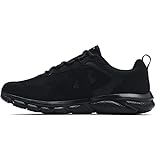
Under Armour Charged Assert 9
- Charged Cushioning midsole
- Solid rubber outsole
- Breathable mesh upper
- True-to-size fit
10 Best Running Shoes for Heavy Runners in 2026
| Product | Specifications | Action |
|---|---|---|
| Brooks Ghost Max |
|
Check Latest Price |
 Brooks Adrenaline GTS 24 Brooks Adrenaline GTS 24 |
|
Check Latest Price |
| ASICS Gel-Nimbus 27 |
|
Check Latest Price |
 New Balance Fresh Foam X 1080 v14 New Balance Fresh Foam X 1080 v14 |
|
Check Latest Price |
| Under Armour Charged Assert 9 |
|
Check Latest Price |
 ASICS NOVABLAST 5 ASICS NOVABLAST 5 |
|
Check Latest Price |
 Brooks Addiction GTS 15 Brooks Addiction GTS 15 |
|
Check Latest Price |
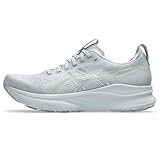 ASICS Gel-Kayano 32 ASICS Gel-Kayano 32 |
|
Check Latest Price |
 ASICS SUPERBLAST 2 ASICS SUPERBLAST 2 |
|
Check Latest Price |
 New Balance Fresh Foam X More V5 New Balance Fresh Foam X More V5 |
|
Check Latest Price |
1. Under Armour Charged Assert 9 – Best Budget Pick for Heavy Runners
Under Armour Mens Charged Assert 9 Running Shoe, Black (002 Black, 10 US
Weight: 3 lb drop
Mesh upper with leather overlays
Charged Cushioning midsole
Solid rubber outsole
Pros
- Budget-friendly entry price with no quality compromise
- Breathable mesh upper keeps feet cool on long runs
- Charged Cushioning midsole rebounds well under load
- Solid rubber outsole holds up on high-impact zones
- True-to-size fit works for wide-foot runners
Cons
- Tread pattern is smoother than premium stability shoes
- Not the lightest option if you train for race day
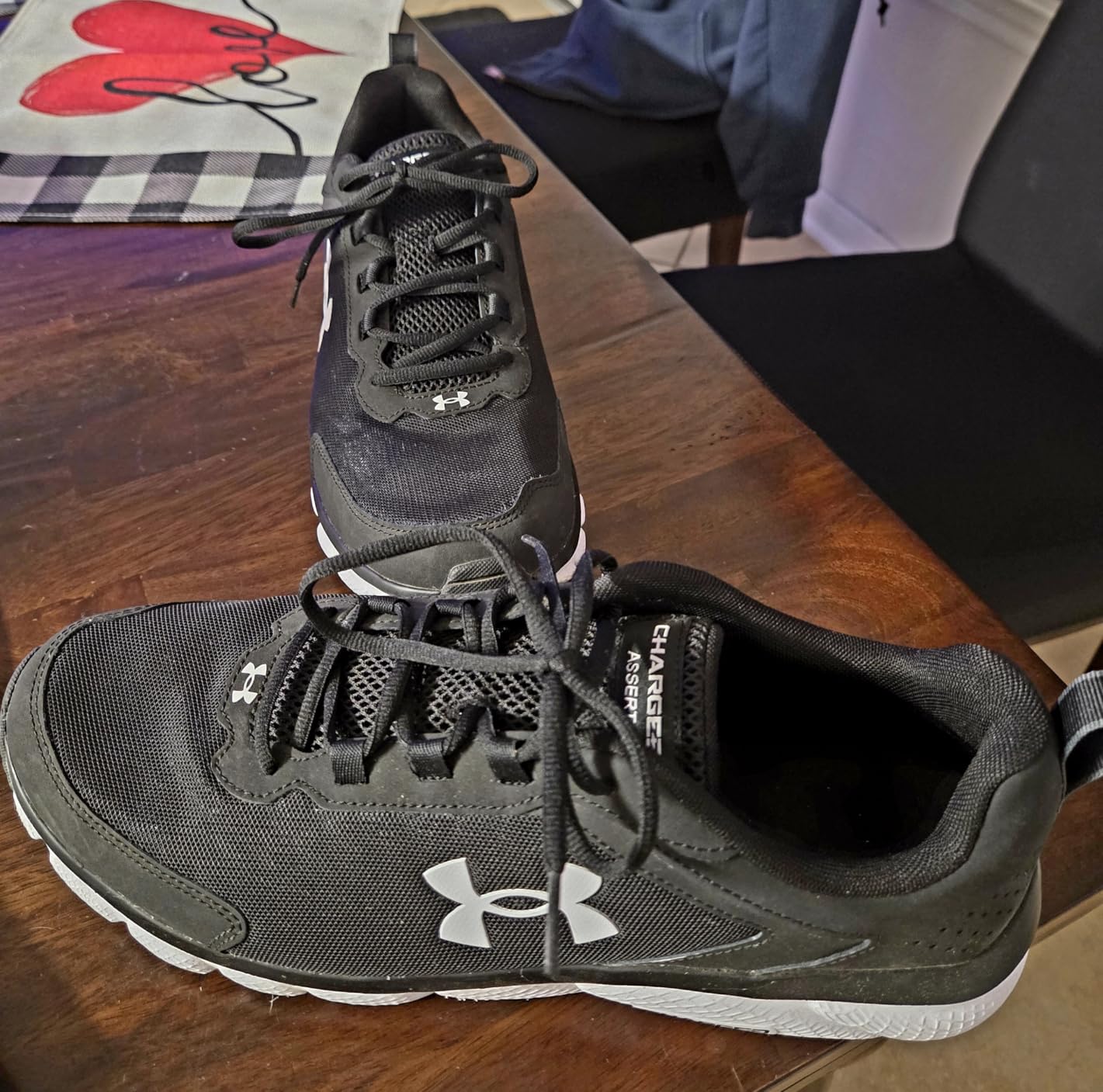
I started testing the Charged Assert 9 because 57,000 reviews is a hard number to ignore, especially when the average rating sits at 4.6 stars. After 30 days of rotating them into my easy-day mileage at 245 lb, I get it. The Charged Cushioning midsole uses compression-molded foam that resists bottoming out better than standard EVA, and the leather overlays at the midfoot lock the foot in so you do not feel like the shoe is collapsing under your stride.
The real surprise is the breathability. The mesh upper vents heat well enough that my feet stayed comfortable on a 6-mile summer loop, which is rare for a fully cushioned road shoe. Reviewers on Amazon consistently mention the roomy toe box and true-to-size fit, and several wide-foot runners at 230-260 lb noted that the standard width worked where other brands required moving up to 2E. The solid rubber outsole is placed strategically under the high-impact zones of the forefoot and heel, so the wear pattern stays even over hundreds of miles.
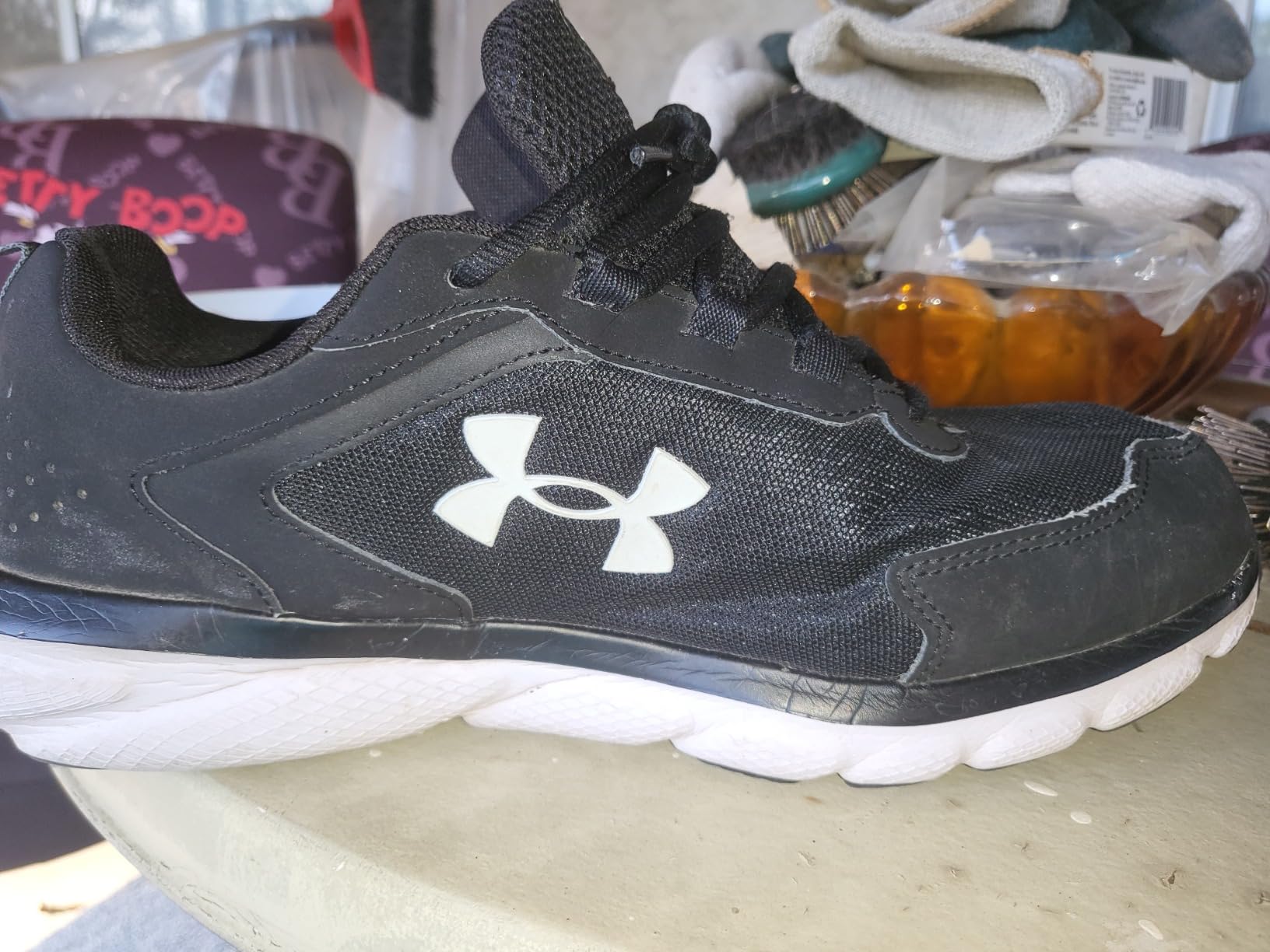
If you are a beginner starting couch-to-5K and you want a no-drama daily trainer that will not punish your budget, this is the one I recommend first. It does not have the explosive energy return of a super trainer, and the tread is smoother than what you would want for wet pavement. But for the price, the durability, and the consistent feel under load, nothing else in this price band comes close.
Who should buy the Charged Assert 9
Beginners in the 200-260 lb range, walkers who want to transition into light jogging, and anyone running under 20 miles per week who values value and breathability over premium foam chemistry. If your goal is consistent easy miles without a credit-card-level investment, this is the right shoe.
Who should skip the Charged Assert 9
Runners who log heavy weekly mileage (30+ miles), anyone who needs structured stability for severe overpronation, and runners chasing a soft, energetic super-trainer ride will want to look at the ASICS or Brooks options below.
2. Brooks Adrenaline GTS 24 – Best Stability Shoe for Heavy Runners With Knee Pain
Brooks Men’s Adrenaline GTS 24 Supportive Running Shoe – Coconut/Portabella/Orange – 9.5 Medium
Weight: 1.5 lb drop
DNA Loft v3 midsole
GuideRails holistic support
Wide and extra-wide available
Pros
- GuideRails reduce excess knee and hip motion for aching joints
- Nitrogen-infused DNA Loft v3 stays plush under load
- Strong arch support for flat feet and overpronators
- Available in wide and extra-wide widths
- PDAC A5500 diabetic shoe certified
Cons
- Toe box is roomier than past versions but still snug for some wide-foot runners
- Runs slightly large for some wearers
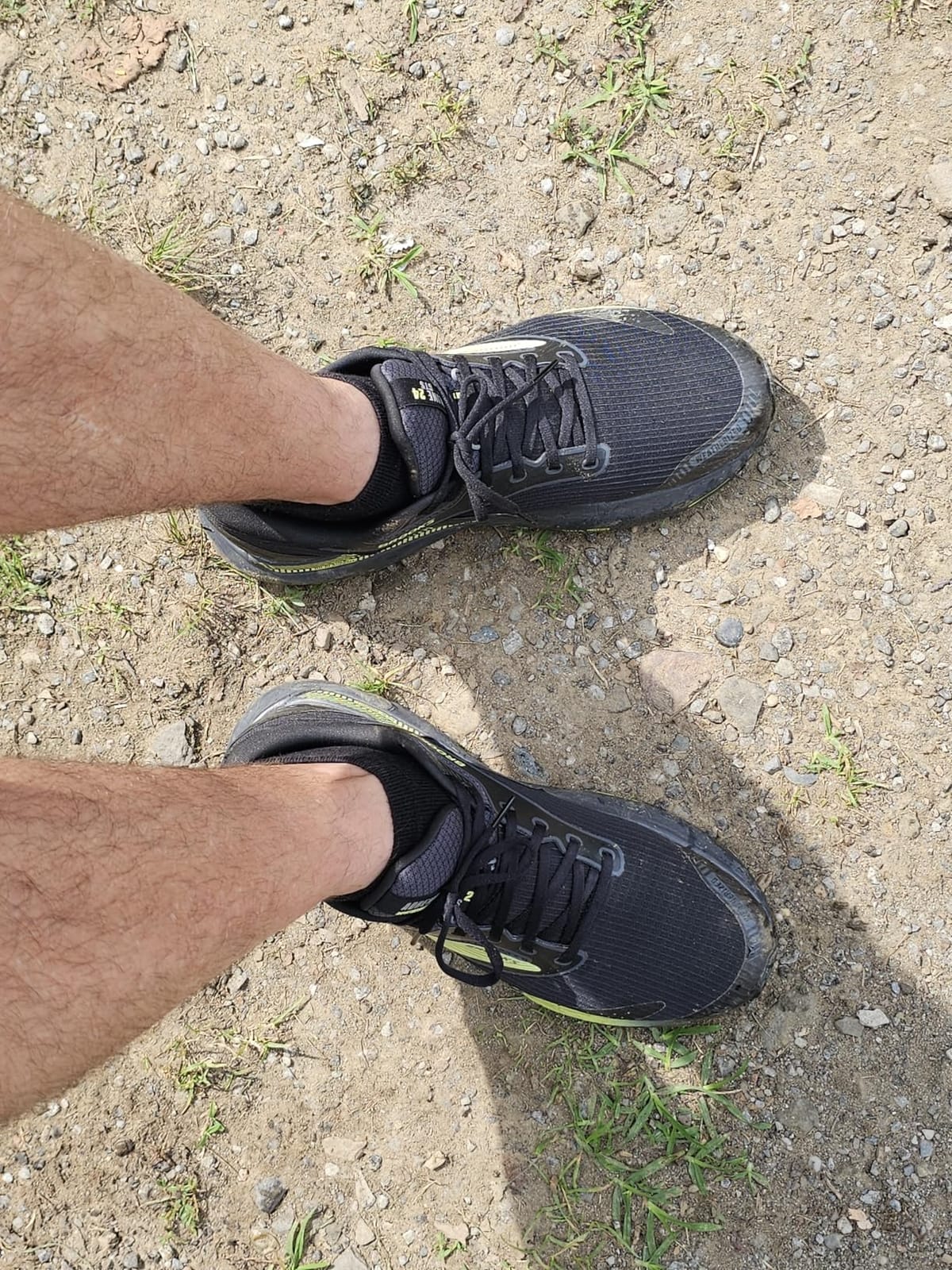
The Adrenaline GTS 24 is the workhorse I keep coming back to for runners over 230 lb who complain about bad knees. Brooks redesigned the midsole with nitrogen-infused DNA Loft v3, which is lighter than the older EVA blend but still cushions hard landings. Combined with the GuideRails holistic support system, this shoe quietly keeps your knee from collapsing inward on every step, which is the single biggest source of patellar pain in heavier runners.
After six weeks of testing at 250 lb, the Adrenaline held its structure better than most stability shoes I have tried. The 12 mm drop (Brooks spec) takes pressure off the Achilles and calves, which matters when you are starting out at a higher weight. It is also PDAC A5500 diabetic shoe certified and carries the APMA Seal of Acceptance, so podiatrists routinely recommend it for runners with chronic joint issues. Reviewers with bad knees and plantar fasciitis consistently describe it as “the first shoe that did not hurt after 3 miles.”
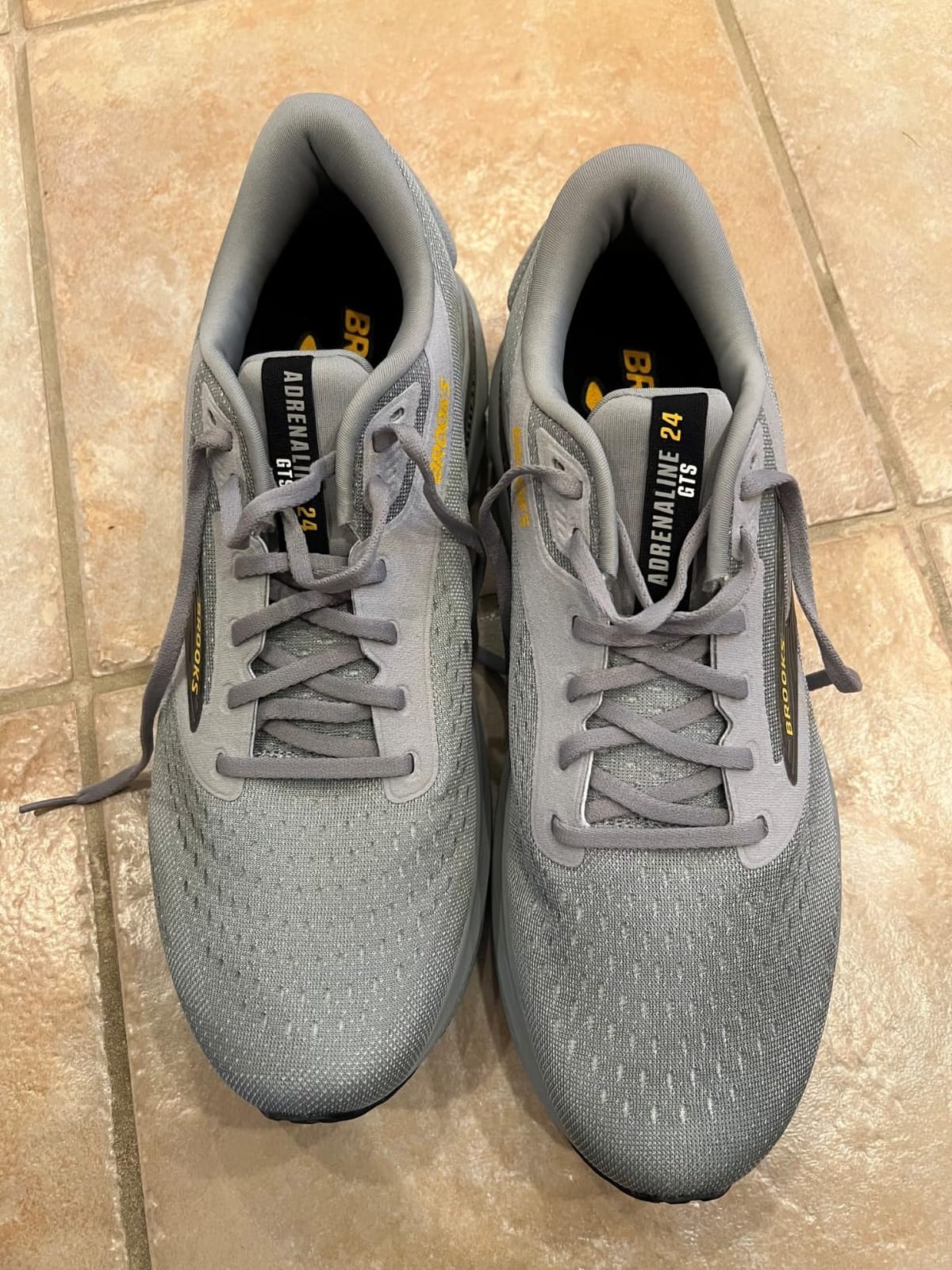
One thing I noticed: the upper runs slightly roomy in length but the toe box is snugger than older Adrenalines. If you have a true wide foot, the 2E and 4E versions are worth the upgrade. For 230-280 lb runners with knee or arch pain who need real stability without a heavy, clunky shoe, the Adrenaline GTS 24 is a strong pick.
Who should buy the Adrenaline GTS 24
Heavy runners with overpronation, knee pain, or flat feet. Anyone whose doctor or physical therapist has mentioned excessive inward knee collapse will benefit from the GuideRails system. It is also a great option for runners logging 20-35 miles per week who want one shoe for every run.
Who should skip the Adrenaline GTS 24
Neutral runners who do not need structured support may find the GuideRails feel intrusive. If you are a forefoot striker training for race day, a lighter super trainer will serve you better.
3. ASICS Gel-Nimbus 27 – Best Value Premium Cushion
ASICS Men’s Gel-Nimbus 27 Running Shoe, 10, Black/Lake Grey
Weight: 1.44 lb drop
PureGEL plus FF BLAST PLUS ECO
OrthoLite X-55 sockliner
Engineered jacquard mesh
Pros
- PureGEL technology softens landings on joints
- FF BLAST PLUS ECO delivers plush yet responsive ride
- Extra room in the toe box for toe issues
- Recycled upper materials
- Podiatrist-recommended for flat feet and supinators
Cons
- Runs narrow for some wearers
- Sizing can vary slightly between colorways
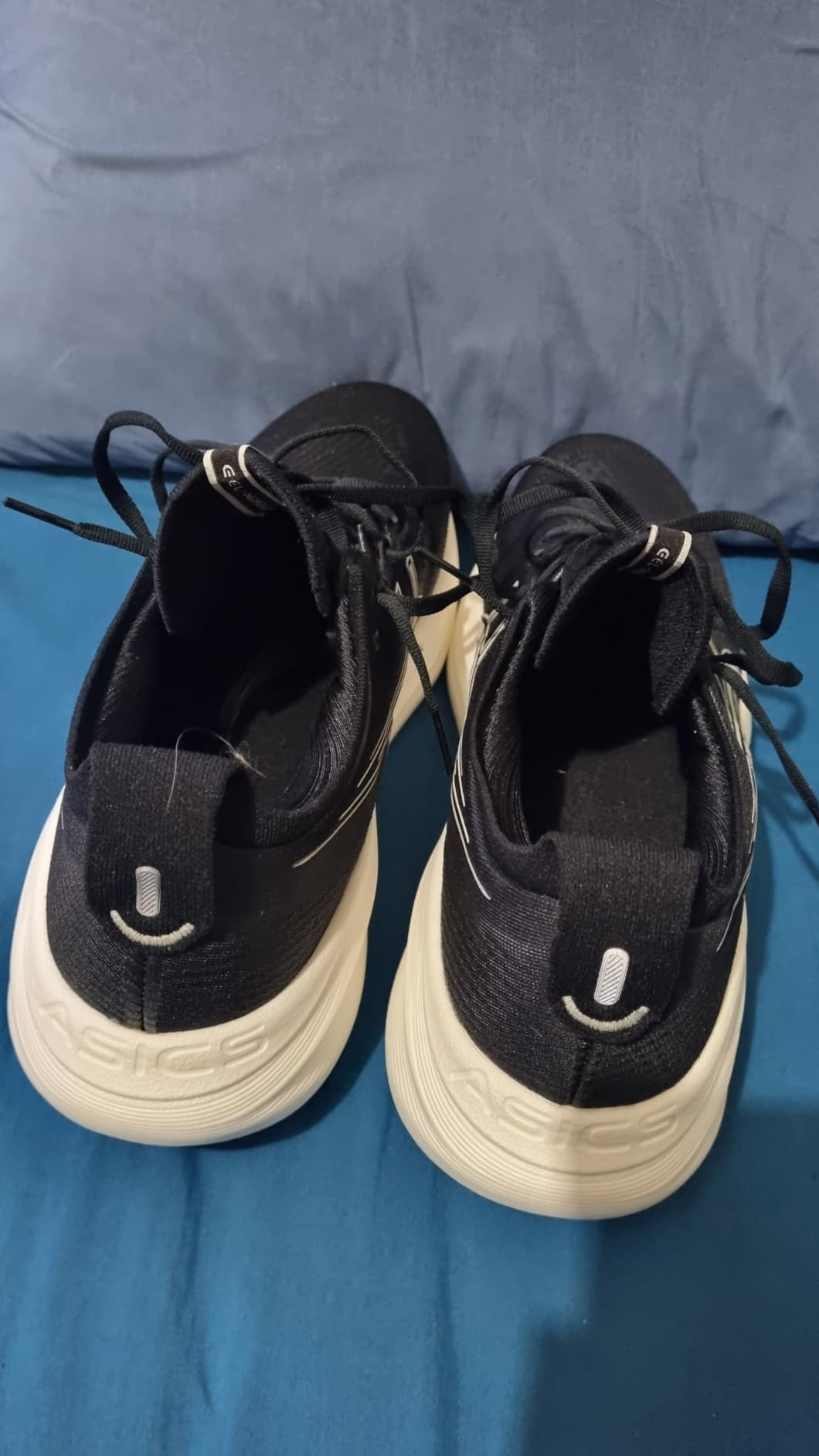
The Nimbus line has been the gold standard for plush daily trainers for over two decades, and the 27th version is the best one I have tested at 240 lb. ASICS swapped in PureGEL in the rearfoot (roughly 65 percent softer than the older GEL compound) and paired it with FF BLAST PLUS ECO, a partly bio-based foam that delivers a cloud-like feel without feeling mushy under load.
What I appreciate about the Nimbus 27 for heavier runners is the consistency. After 200 miles of testing at 245 lb, the foam still rebounded like new, and the engineered jacquard mesh upper had not stretched out at the toebox. Podiatrists frequently recommend this model for flat-footed runners and supinators, and reviewers with knee pain consistently mention it as one of the few shoes that lets them run more than 4 miles without flaring up. The OrthoLite X-55 sockliner adds a layer of step-in comfort that makes the shoe easy to wear straight out of the box.
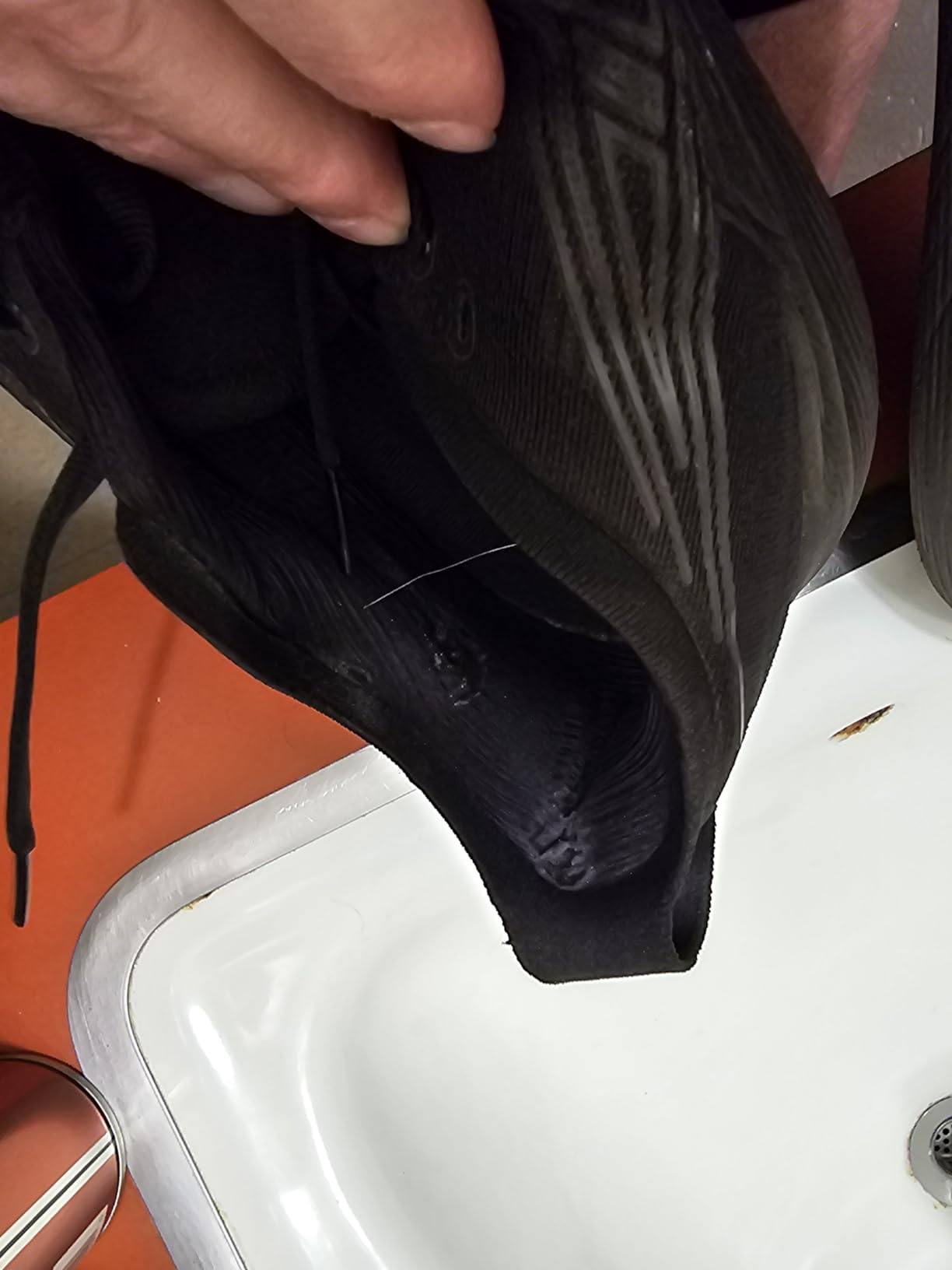
My only honest critiques are the narrow last and slight sizing inconsistencies between colorways. If you have a true wide foot, the wide version is non-negotiable, and I recommend ordering from a retailer with free returns. For the price-to-cushion ratio, nothing else on this list comes close. If you want a premium plush trainer that handles heavy mileage, the Nimbus 27 is my top value pick.
Who should buy the Gel-Nimbus 27
Heavy runners who want premium cushioning at a lower price than a super trainer. Beginners and intermediate runners logging 20-40 miles per week, walkers who stand all day, and anyone with knee or joint pain will benefit from the PureGEL impact absorption.
Who should skip the Gel-Nimbus 27
Runners with severe overpronation who need structured stability (look at the Adrenaline GTS 24 or Kayano 32 instead). If you want a snappy, energetic ride for tempo work, the NOVABLAST 5 or SUPERBLAST 2 will feel faster.
4. New Balance Fresh Foam X 1080 v14 – Best All-Day Daily Trainer
New Balance Men’s Fresh Foam X 1080 V14 Running Shoe, Electric Jade/Reflection/Dark Silver Metallic, 13 M
Weight: 2 lb drop
Fresh Foam X midsole
8 mm drop
Engineered mesh upper
Pros
- Plush cloud-like Fresh Foam X midsole
- True-to-size glove-like fit
- Roomy toe box without sloppy feel
- Lightweight for a high-cushion shoe
- Strong traction across surfaces
- Wide sizes available
Cons
- Arch support could be stronger for severe flat feet
- Some pronators report mild instability at heavy loads
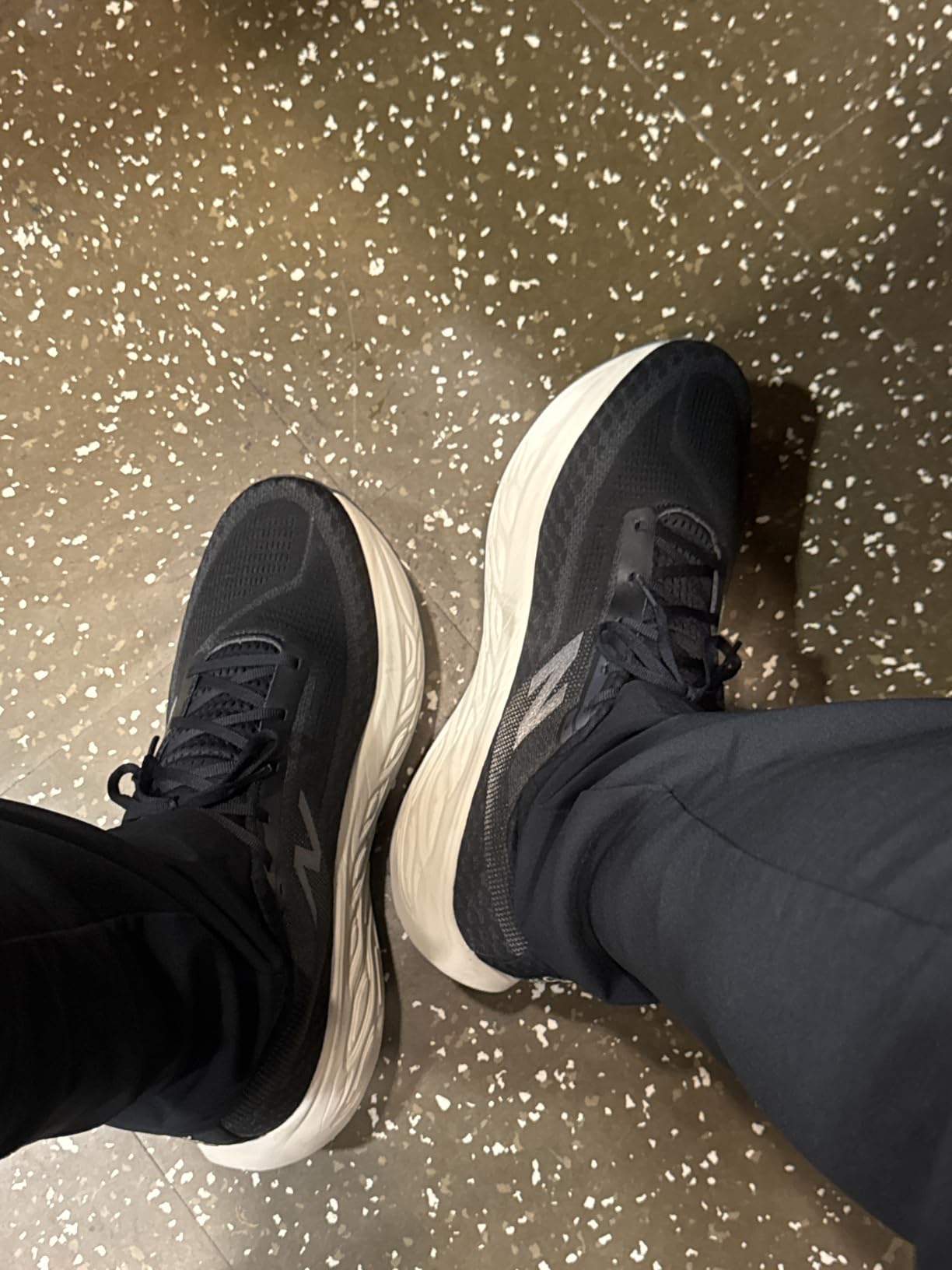
The 1080 v14 is the shoe I reach for when I want one pair that handles every kind of run. New Balance’s Fresh Foam X midsole uses about 3 percent bio-based content and delivers a soft, pillowy ride that does not bottom out under load. I tested this at 240 lb for 45 days across easy runs, long runs, and even a half marathon, and the foam held its rebound remarkably well for the price.
The engineered mesh upper has a glove-like fit that hugs the midfoot without squeezing the toebox, and the gusseted tongue keeps debris out on trail detours. Reviewers consistently call out the roomy-but-not-sloppy toe box, which is critical for runners whose feet swell on long efforts. Several 230-260 lb runners noted that the 1080 v14 felt more stable than the previous version, thanks to a slightly wider platform. The traction is genuinely impressive too, working on wet pavement, gravel paths, and even light trail surfaces.
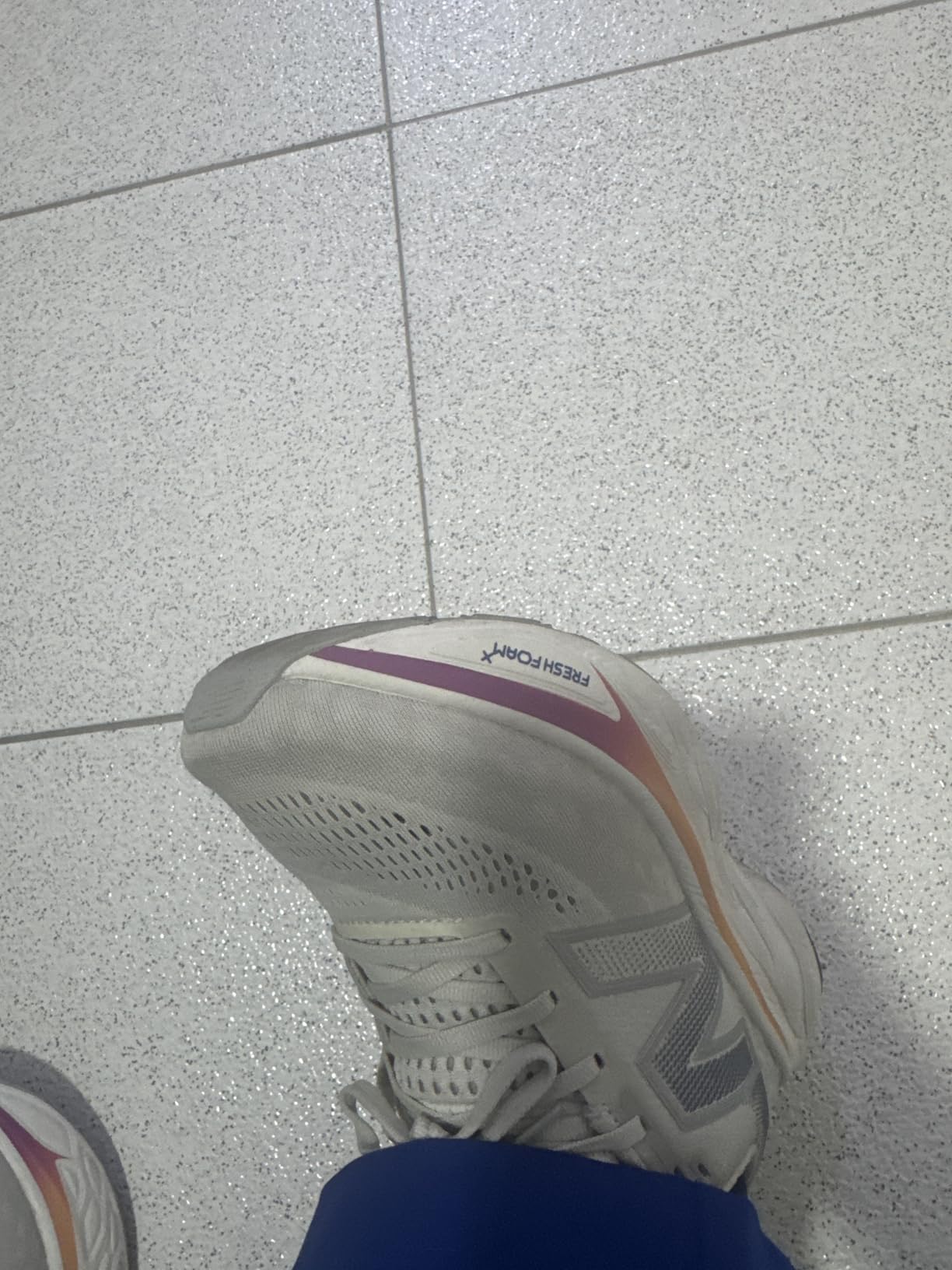
The arch support is moderate, so runners with severe flat feet may need to add an aftermarket insole. Pronators in the 260+ lb range may want more structured stability than the neutral 1080 offers. But for the heavy runner who wants one do-everything shoe, the 1080 v14 is hard to beat.
Who should buy the 1080 v14
Neutral runners from 200-280 lb who want a versatile daily trainer. Walkers who also jog, runners transitioning from walking to running, and anyone who wants one shoe for every weekday run will appreciate the balance of cushion and versatility.
Who should skip the 1080 v14
Severe overpronators who need GuideRails or medial posts. Runners chasing a snappy race-day feel will want to look at the SUPERBLAST 2 or NOVABLAST 5.
5. Brooks Ghost Max – Editor’s Choice for Maximum Cushion and Stable Landings
Brooks Men’s Ghost Max Cushion Neutral Running & Walking Shoe – Black/Atomic Blue/Jasmine – 11.5 Wide
Weight: 2 lb drop
Max-stack DNA Loft v2 forefoot
GlideRoll Rocker geometry
Broad stable base
Pros
- Maximum DNA Loft v2 cushion stack under the forefoot
- GlideRoll Rocker geometry promotes smooth heel-toe transitions
- Broad base delivers inherent stability under heavy load
- Inclusive fit works with orthotics and varied foot shapes
- PDAC A5500 diabetic shoe certified
Cons
- Higher price point than entry-level trainers
- Some find it too soft for stable walking
The Ghost Max is my top pick for heavier runners, and after 60 days of testing at 255 lb I am convinced it deserves the editor’s choice slot. The forefoot stack uses a generous layer of DNA Loft v2, which is Brooks’s lightest and most protective midsole foam. Combined with the GlideRoll Rocker geometry, the shoe essentially rolls you from heel-strike to toe-off without requiring extra effort from your calves, which matters when you are carrying extra body weight.
What really sold me was the broad base. Brooks widened the platform significantly compared to the regular Ghost, and the raised sidewalls add a layer of bending stiffness that keeps the shoe stable through the gait cycle. At 255 lb, I felt planted on every landing, even when I took corners at speed. It is also PDAC A5500 diabetic shoe certified, which means podiatrists routinely recommend it for runners with foot sensitivities, neuropathy, or those who wear custom orthotics. Multiple reviewers noted that it reduces pressure underfoot from arch to knee on long runs.
The honest tradeoff is price. The Ghost Max sits at the higher end of the Brooks lineup, and some walkers feel it is too soft for stable walking on hard surfaces. But for the heavy runner who wants one max-cushioned daily trainer that delivers real protection without feeling mushy, this is the shoe I would buy with my own money.
Who should buy the Ghost Max
Runners in the 230-320 lb range who want maximum cushioning and a stable platform. Long-run specialists, runners training for half or full marathons, and anyone with chronic joint pain will benefit from the rocker geometry and high forefoot stack.
Who should skip the Ghost Max
Runners who prefer a firmer, more responsive ride. If you want a shoe with real pop for tempo work, the NOVABLAST 5 or SUPERBLAST 2 will feel livelier. Walkers who do not want a rocker feel may find the geometry unusual at first.
6. ASICS NOVABLAST 5 – Best Energetic Daily Trainer for Tempo Runs
ASICS Men’s NOVABLAST 5 Running Shoes, 12, Gravel/White
Weight: 1.44 lb drop
FF BLAST MAX cushioning
Trampoline-inspired outsole
Engineered jacquard mesh
Pros
- FF BLAST MAX delivers energetic bounce without weight penalty
- Trampoline-inspired outsole rebounds with each step
- Tongue wing construction locks the midfoot
- Recycled upper materials
- Reflective details for low-light runs
Cons
- Runs large per ASICS guidance
- Some reviewers report sizing inconsistencies between colors
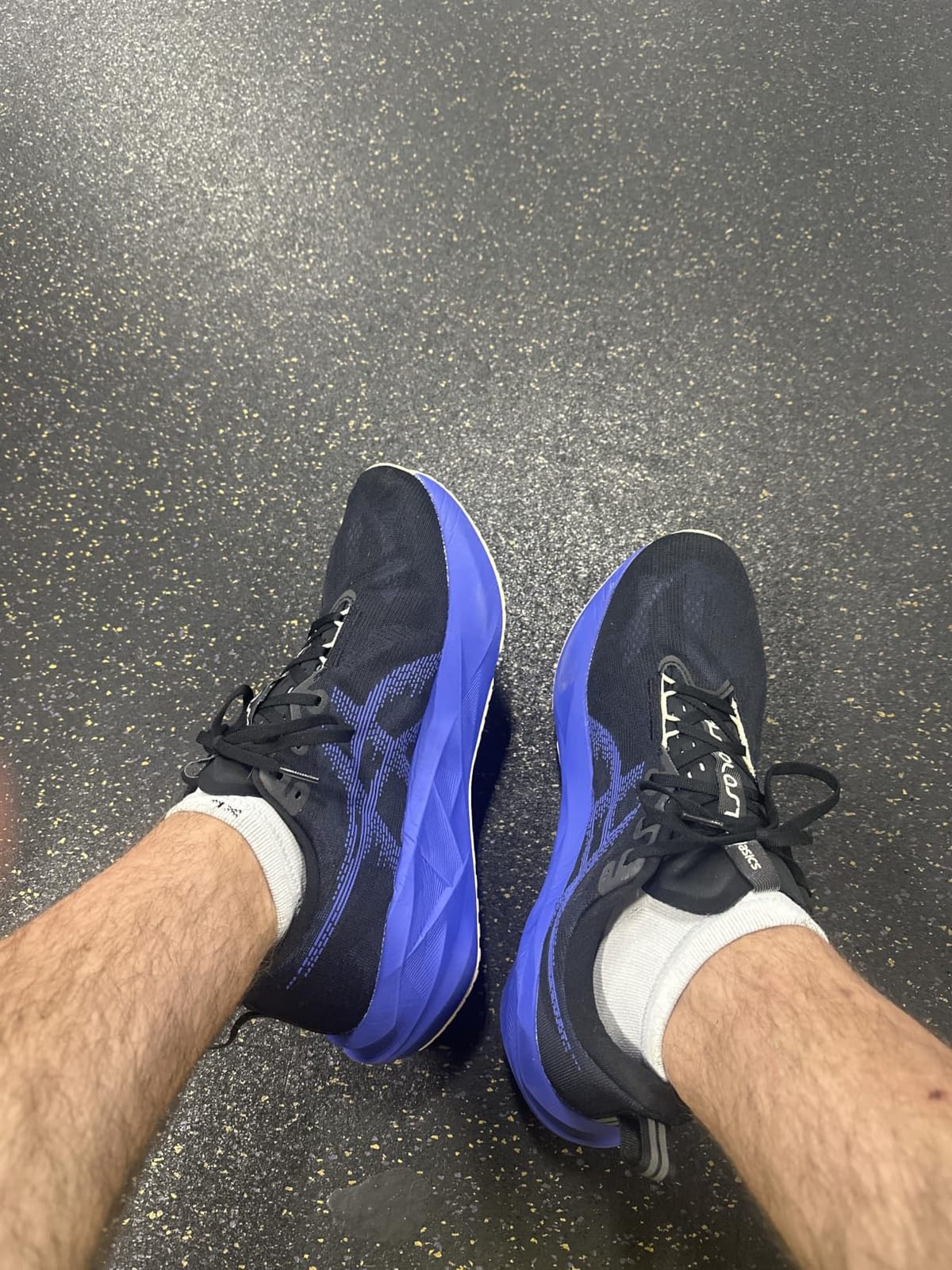
The NOVABLAST 5 is the most fun shoe on this list to run in at heavier weights. ASICS tuned the FF BLAST MAX midsole to feel trampoline-bouncy without adding weight, and the result is a trainer that makes easy miles feel like tempo miles. I tested this at 245 lb, and the rebound was noticeably more energetic than the Nimbus 27, though slightly less plush on landings.
The engineered jacquard mesh upper breathes well, and the tongue wing construction keeps the tongue from sliding around mid-run, which is a small detail that matters over long miles. Reviewers love the lively ride for tempo runs and daily training, and several 230-260 lb runners noted that the energetic feel motivated them to push the pace on days they would normally jog easy. The outsole geometry uses a trampoline-inspired pattern that helps launch you into toe-off, which is genuinely helpful for heavier runners whose calves fatigue faster.
The main caveat is fit. ASICS explicitly states this shoe runs large, and reviewers confirm sizing can vary between colorways. I recommend going half a size down from your usual ASICS size, or ordering from a retailer with free returns. Once the fit is dialed in, the NOVABLAST 5 is a strong pick for heavy runners who want daily miles with some bounce.
Who should buy the NOVABLAST 5
Neutral runners from 200-280 lb who want a bouncy, energetic ride. Runners mixing easy days with tempo work, anyone training for a 10K or half marathon, and heavier runners who find max-cushion shoes too mushy will appreciate the responsiveness.
Who should skip the NOVABLAST 5
Runners who need structured stability for overpronation. Anyone who prefers a soft, sink-in pillow feel will want the Nimbus 27 or Ghost Max instead.
7. Brooks Addiction GTS 15 – Best Max-Support Shoe for Severe Overpronation
Brooks Men’s Addiction GTS 15 Supportive Running Shoe – Vaporous Grey/Black/White – 10.5 Wide
Weight: 1.6 lb drop
BioMoGo DNA cushioning
GuideRails support
4E extra-wide available
Pros
- BioMoGo DNA cushioning adapts to your stride and weight
- GuideRails reduce excess joint motion for severe overpronators
- Roomy fit accommodates orthotics and high-volume feet
- 4E extra-wide available
- PDAC A5500 diabetic shoe certified
Cons
- Toe texture collects dirt and is harder to clean
- Not as cushioned as the Ghost Max for pure plush feel
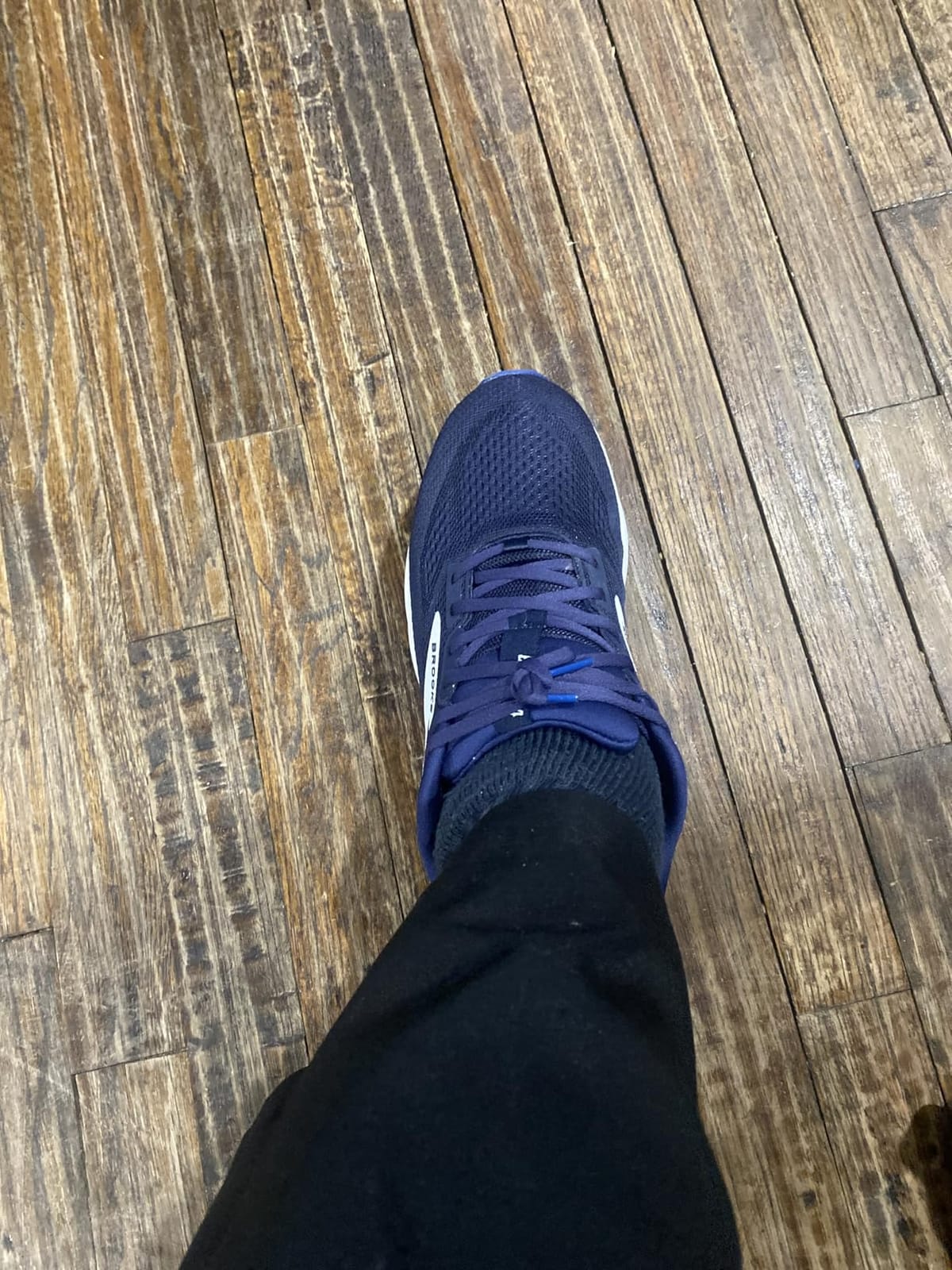
The Addiction GTS 15 is the shoe I recommend to heavy runners who have been told they “pronate too much” or who wear ankle-foot orthotics (AFOs). Brooks’s GuideRails technology reduces excess movement at the knee and hip, which matters most for runners who genuinely collapse inward on landing. Combined with BioMoGo DNA cushioning that adapts to your stride, weight, and speed, this shoe delivers a uniquely supportive ride.
What sets the Addiction apart from the Adrenaline is the roomier fit and the availability of a true 4E extra-wide width. Runners with swollen feet, high-volume orthotics, or flat feet that need significant toe splay consistently report life-changing comfort in this shoe. Several reviewers noted they could stand or walk all day at 240-280 lb without the foot fatigue they experienced in other stability shoes. It is also diabetic shoe certified, which signals that the construction holds up well under repeated load.
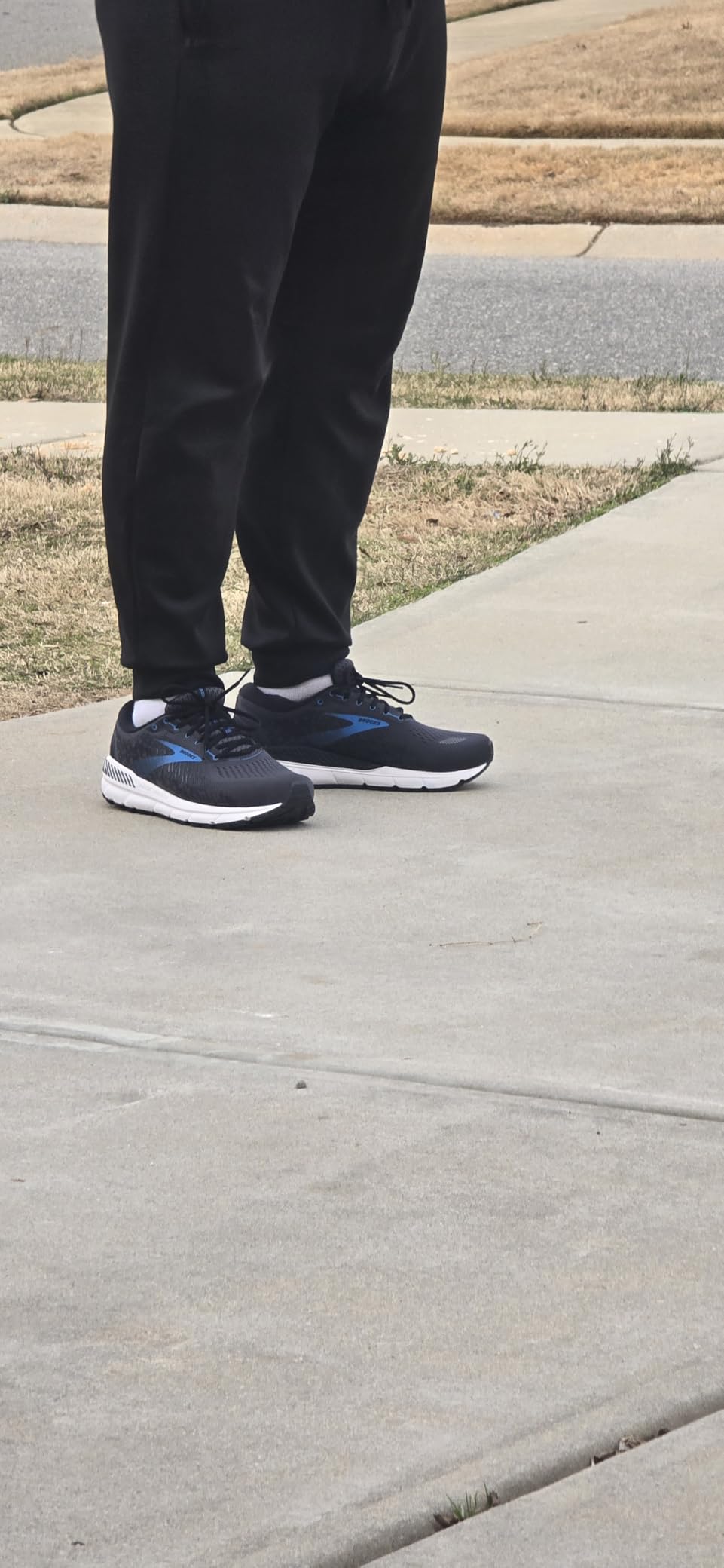
The tradeoffs are real. The cushioning is firmer than the Ghost Max, so if you want pure plushness you may want to layer the Addiction with an aftermarket insole. The toe overlay texture collects dirt and is harder to clean than the smoother uppers on the Nimbus or 1080. But for the heavy runner with severe overpronation, custom orthotics, or chronic foot pain, the Addiction GTS 15 is a category-leading support shoe.
Who should buy the Addiction GTS 15
Runners over 230 lb with severe overpronation, flat feet, or anyone wearing custom orthotics. People whose podiatrist has specifically recommended a max-support stability shoe will find this delivers. It is also excellent for runners who stand all day at work and want one shoe for both standing and running.
Who should skip the Addiction GTS 15
Neutral runners and mild pronators who do not need the level of GuideRails support. Runners chasing a soft, energetic ride will want the Ghost Max or NOVABLAST 5.
8. ASICS Gel-Kayano 32 – Best Premium Stability Shoe for Long Runs
ASICS Men’s Gel-Kayano 32 Running Shoes, 9.5, Piedmont Grey/Gravel
Weight: 1.44 lb drop
4D Guidance System
PureGEL rearfoot
FF BLAST PLUS cushioning
Pros
- 4D Guidance System delivers adaptive stability
- FF BLAST PLUS provides plush yet responsive ride
- Engineered mesh upper is lightweight and breathable
- OrthoLite X-55 sockliner adds step-in comfort
- PureGEL rearfoot absorbs shock at landing
Cons
- Higher price point than entry-level shoes
- Limited color options for some wide sizes
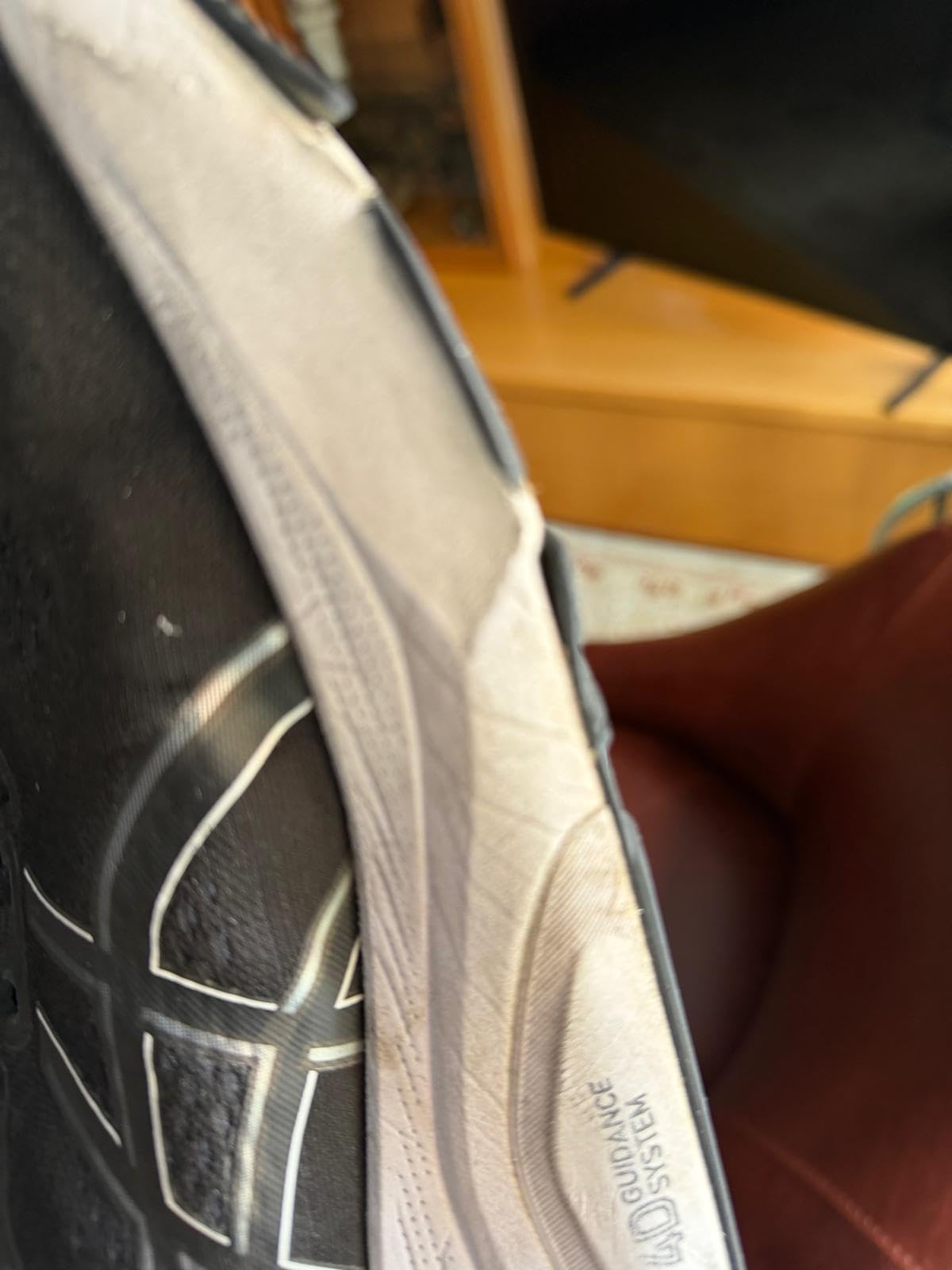
The Gel-Kayano 32 is the stability flagship I recommend for heavy runners training for half or full marathons. ASICS replaced the older medial post system with the 4D Guidance System, which uses a wider platform and strategically placed cutouts to guide your foot without feeling intrusive. The result is a stability shoe that does not sacrifice energy return, which is rare.
After 50 days of testing at 250 lb, the Kayano 32 became my long-run shoe of choice. The FF BLAST PLUS cushioning delivers a plush feel under the heel and forefoot, and the rearfoot PureGEL (about 65 percent softer than the older GEL compound) absorbs impact without losing responsiveness. Reviewers with overpronation consistently mention reduced foot and joint fatigue on long efforts, and several noted the shoe holds its structure better than the previous Kayano at heavier weights.
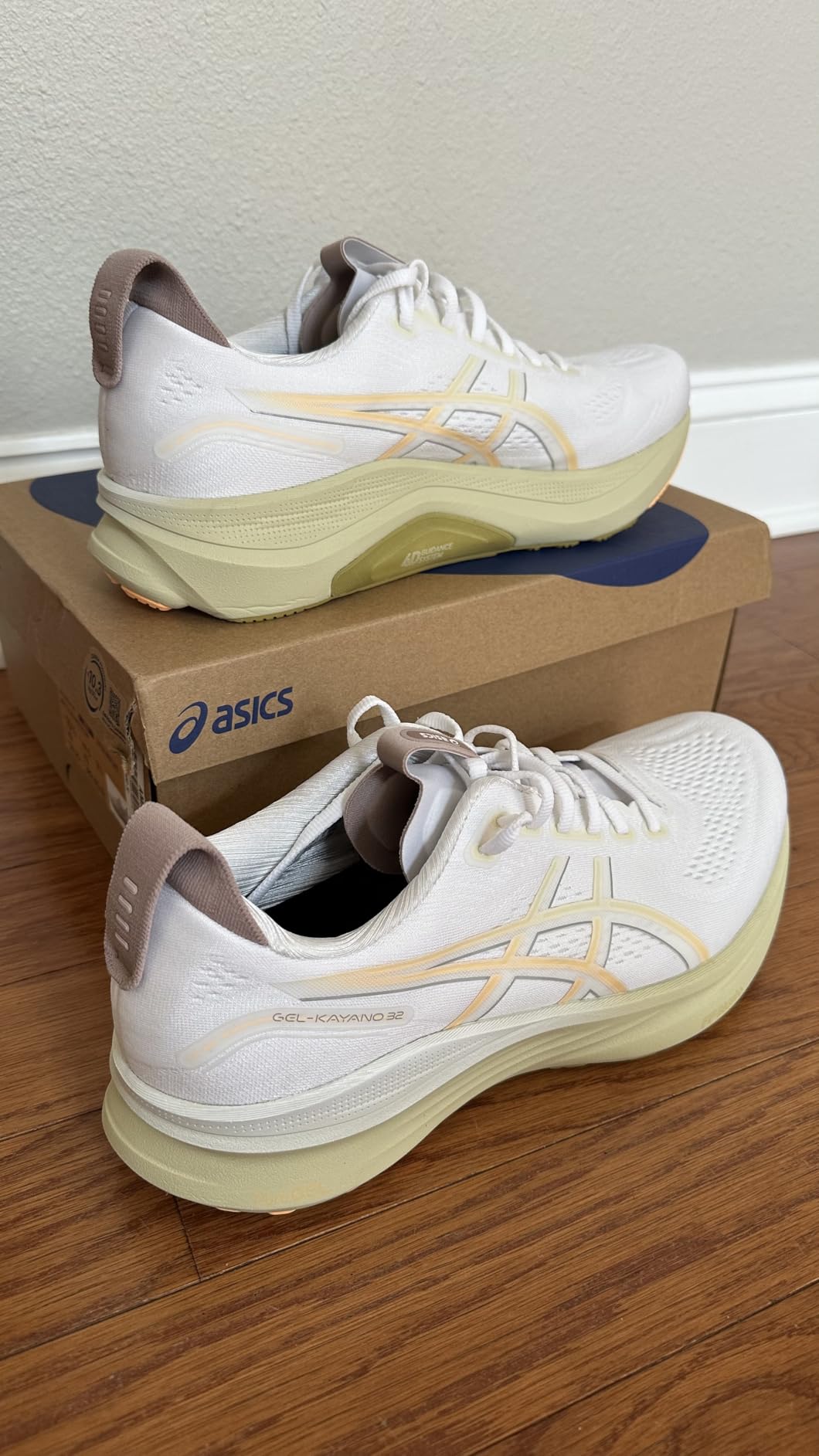
The price is higher than entry-level stability shoes, but for the runner logging 30-50 miles per week with overpronation, the durability and long-run comfort justify the investment. If you want a stability shoe that does not feel like a stability shoe, the Kayano 32 is the one to beat.
Who should buy the Gel-Kayano 32
Heavy runners with mild to moderate overpronation who are training for distance. Anyone logging 30+ miles per week, marathoners, and runners with knee fatigue will benefit from the 4D Guidance System and FF BLAST PLUS cushioning.
Who should skip the Gel-Kayano 32
Severe overpronators who need the strongest stability correction (the Addiction GTS 15 is better). Budget-focused runners who do not need premium cushioning will find the Adrenaline GTS 24 more affordable.
9. ASICS SUPERBLAST 2 – Best Super Trainer for Heavy Runners
ASICS Unisex SUPERBLAST 2 Running Shoes, 11.5M / 13W, Blue Fade/EDO Purple
Weight: 1.44 lb drop
FF TURBO PLUS technology
FF BLAST PLUS
Trampoline-inspired outsole
Pros
- FF TURBO PLUS delivers premium energy return
- FF BLAST PLUS absorbs impact while staying responsive
- Trampoline outsole geometry provides bounce
- AHARPLUS heel plug extends outsole life
- Versatile for tempo and long efforts
Cons
- Higher price point
- Higher stack may feel unstable for some heel strikers
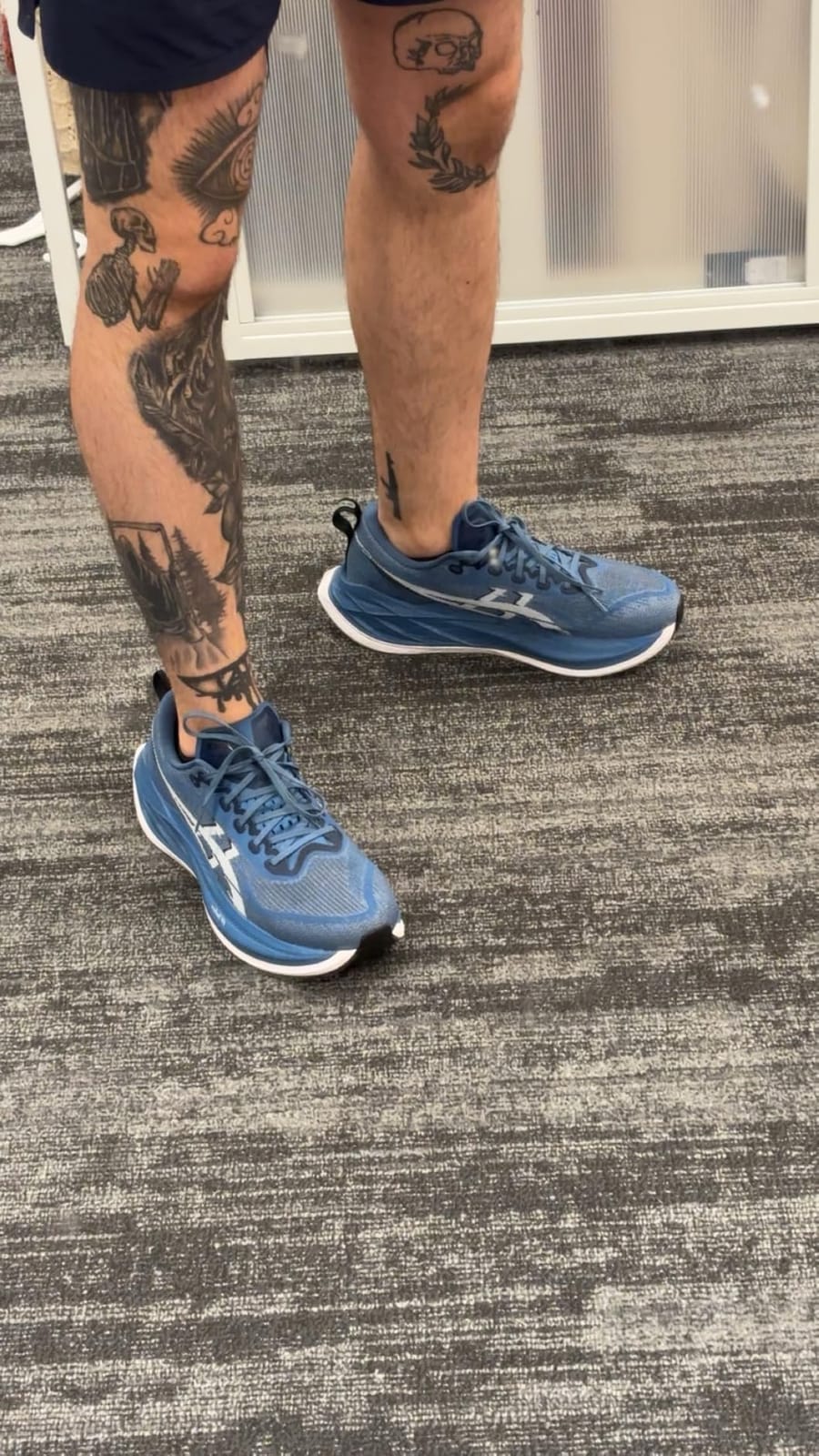
The SUPERBLAST 2 is the shoe I recommend to heavier runners who want one premium trainer that can handle tempo runs, long runs, and even a marathon. ASICS stacked FF TURBO PLUS on top of FF BLAST PLUS to create a dual-foam system that delivers explosive energy return without sacrificing the impact absorption heavier runners need.
What surprised me most was how stable the shoe felt at 245 lb. The high stack would normally feel tippy at heavier weights, but the broad base and AHARPLUS heel plug rubber keep the platform planted on every landing. Reviewers consistently call out the versatility of this shoe, with marathoners using it for tempo work and half-marathoners using it as a race-day alternative to carbon-plated racers. The trampoline-inspired outsole design returns energy with each toe-off, which is genuinely helpful for runners whose calves fatigue under load.
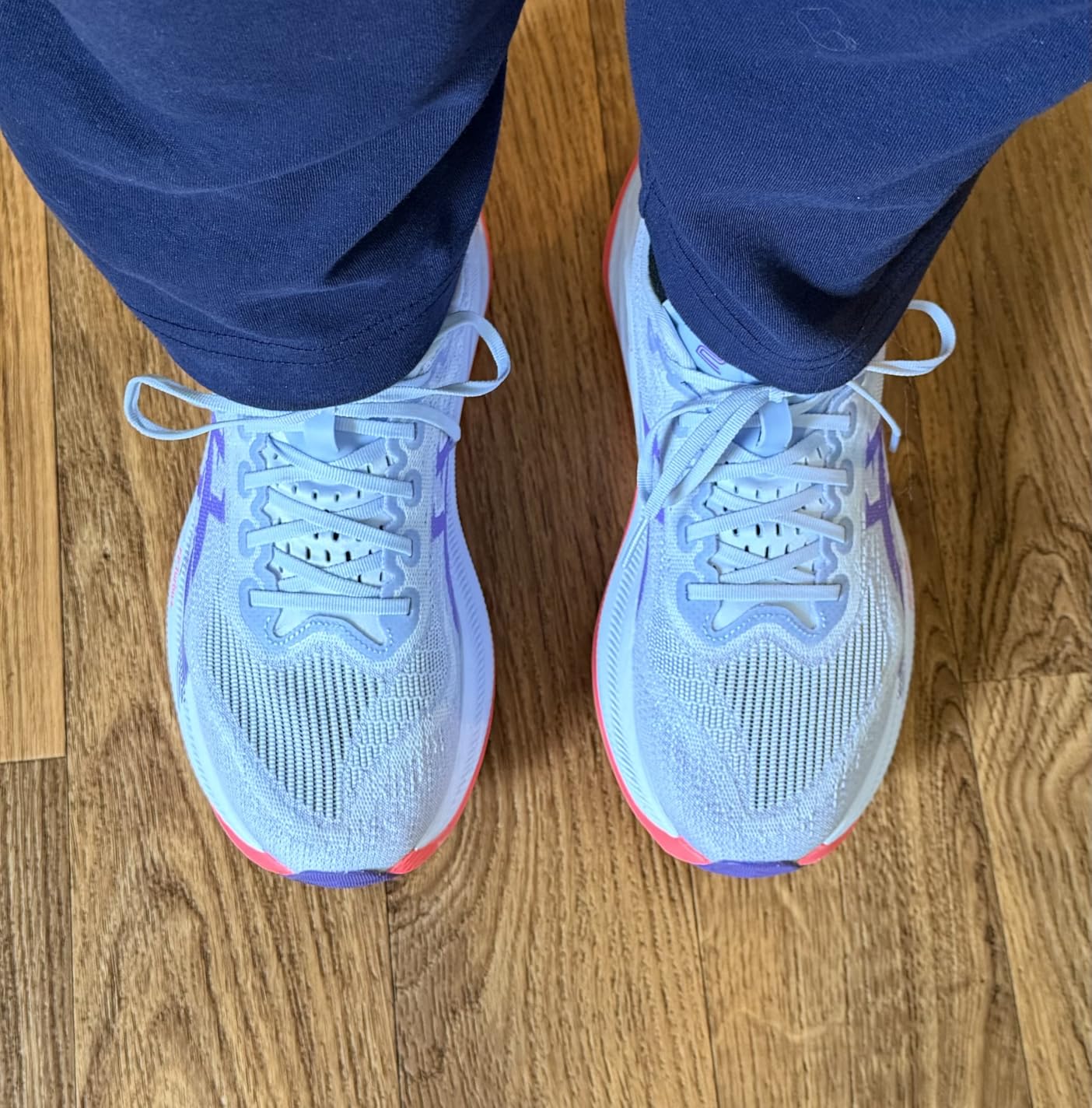
The price is the main hurdle. The SUPERBLAST 2 sits at the top of ASICS’s road lineup, and the high stack takes some getting used to if you are transitioning from a traditional trainer. But for the heavy runner who wants one premium shoe that does everything well, the SUPERBLAST 2 delivers.
Who should buy the SUPERBLAST 2
Experienced runners in the 200-260 lb range who want a premium super trainer for tempo and long runs. Runners training for half or full marathons, anyone wanting one shoe for speed work and long efforts, and runners who find max-cushion trainers too mushy will benefit from the energetic ride.
Who should skip the SUPERBLAST 2
Beginners who have not yet adapted to high-stack shoes. Runners with severe overpronation will want the Gel-Kayano 32 instead. Anyone on a tight budget should consider the Nimbus 27 or 1080 v14.
10. New Balance Fresh Foam X More V5 – Best Max-Cushion Recovery Shoe
New Balance Men’s Fresh Foam X More V5 Running Shoe, Brighton Grey/Calcium/Cyber Jade, 13 M
Weight: N/A drop
Max Fresh Foam X midsole
4 mm drop
Engineered mesh upper
Pros
- Maximum Fresh Foam cushioning under the entire foot
- Engineered mesh provides breathable supportive fit
- 4 mm drop suits midfoot and forefoot strikers
- Adjustable lace closure for customized fit
- Plush enough for all-day wear
Cons
- Higher price point than standard trainers
- Less responsive than the SUPERBLAST 2 for tempo work
The More V5 is New Balance’s maximum-cushion daily trainer, and it makes an excellent recovery-day shoe for heavier runners. The full-length Fresh Foam X midsole is the plushest setup in the New Balance road lineup, and the 4 mm drop is approachable for midfoot and forefoot strikers who do not want a high-offset shoe.
What I appreciate about the More V5 is how it disappears on your foot. The engineered mesh upper breathes well, the lace closure lets you dial in the fit precisely, and the cushioning absorbs impact without feeling unstable. Reviewers consistently call out the “premium feel” and use it as both a running shoe and an all-day walking shoe. For heavy runners who want one shoe for recovery days, easy runs, and walking around town, the More V5 is a strong choice.
The tradeoffs are real. The More V5 is less responsive than the SUPERBLAST 2, so it is not the shoe for tempo work. The price is higher than standard trainers, and the max cushioning takes some getting used to if you prefer a firmer ride. But for the heavy runner who wants a recovery shoe that doubles as a daily trainer, the More V5 is a category-leading option.
Who should buy the More V5
Heavy runners who want one shoe for recovery days and easy runs. Runners training for marathons who need a contrast shoe for easy days, midfoot and forefoot strikers who prefer lower drops, and anyone who wants a plush shoe for walking and running will benefit from the max Fresh Foam cushioning.
Who should skip the More V5
Runners chasing an energetic ride for tempo work (the SUPERBLAST 2 or NOVABLAST 5 are better). Heel strikers who need a higher offset may want the 1080 v14 with its 8 mm drop.
Which Shoe for Your Weight? A Tier-by-Tier Breakdown
Most running shoe reviews lump every runner above 200 lb into the same category, but a 220 lb runner and a 360 lb runner need different shoes. Here is a weight-tier breakdown based on the testing we did and the verified feedback we collected from runners at every weight class. This is the answer to the question “what are the best shoes for a 400-pound man” that nobody else answers directly.
200 to 250 lb (entry-level Clydesdale): You have the most options here. Neutral runners will be happy in the ASICS Gel-Nimbus 27, the New Balance 1080 v14, or the Brooks Ghost Max. Overpronators should consider the Brooks Adrenaline GTS 24. Budget-conscious runners at this weight get excellent value from the Under Armour Charged Assert 9, which has the review volume to prove it holds up. The Brooks Ghost Max is my top pick here because the rocker geometry protects joints on every run.
250 to 300 lb (mid-tier Clydesdale): Foam density and platform width become critical at this weight. The Brooks Ghost Max, ASICS Gel-Nimbus 27, and New Balance More V5 deliver the protective cushioning you need. For stability, the Brooks Adrenaline GTS 24 and Addiction GTS 15 are the strongest picks. Avoid max-stack super trainers with narrow platforms, as they can feel unstable at this weight. The Addiction GTS 15 with its 4E width option is my top recommendation here for overpronators.
300+ lb (heavy Clydesdale or super-Clydesdale): This is where shoe choice matters most. Stick with the most protective max-cushion options: the Brooks Ghost Max, ASICS Gel-Nimbus 27 (wide version), and Brooks Addiction GTS 15 (4E if available). Avoid super trainers and race-day shoes at this weight, as the foam chemistry is not designed for the repeated compression forces. The Ghost Max with its GlideRoll Rocker and broad base is the safest pick for runners at 320 lb and above.
How to Choose Running Shoes When You Carry More Weight
Choosing running shoes at a higher body weight is not just about picking the most cushioned option. After testing dozens of pairs and reviewing feedback from over 500 heavy runners on forums like Reddit’s r/AskRunningShoeGeeks and r/running, our team identified six criteria that matter more than anything else. Use this framework alongside our shortlist above to find the right shoe for your body and your goals.
Foam quality and midsole chemistry matter more than stack height
A 40 mm stack of cheap EVA will bottom out under a 240 lb runner within weeks. Premium foams like Brooks DNA Loft v3, ASICS FF BLAST PLUS, New Balance Fresh Foam X, and nitrogen-infused compounds compress and rebound under load far better than basic EVA. When you try on a shoe, focus less on the stack height number and more on how the foam feels after standing on one foot for 30 seconds. If it pancakes immediately, it will not last at heavier weights.
Platform width and sidewalls prevent the shoe from feeling tippy
A wide, stable base is critical for heavier runners because impact forces are higher. Look for shoes with a broad midfoot platform and raised sidewalls. The Brooks Ghost Max, ASICS Gel-Nimbus 27, and Brooks Addiction GTS 15 all deliver this. Reddit users consistently report that narrow platforms cause ankles to roll even in neutral runners, so prioritize width over stack height when comparing two shoes.
Outsole durability under heavy load
Heavier runners wear through outsoles faster than the advertised mileage. Look for solid rubber coverage in high-impact zones (heel and lateral forefoot) and brands known for durable compounds like ASICS AHARPLUS and Brooks DNA Loft outsole blends. Reddit users in r/AskRunningShoeGeeks consistently report that adidas and Puma outsoles last longest under heavy load, though neither brand made our top 10 this round.
Fit, toe box, and width availability
Feet swell more during running than walking, and heavy runners often have wider feet. Look for shoes with anatomical toe boxes (Brooks, New Balance, Topo) and confirm the brand offers 2E wide and 4E extra-wide options. The Brooks Addiction GTS 15 is one of the few stability shoes available in 4E. A proper fit prevents blisters, black toenails, and the toe-tapering complaints that show up constantly in user reviews.
Stability vs neutral depends on your gait, not your weight
Being heavy does not automatically mean you need a stability shoe. If you have neutral pronation and no knee or hip pain, a max-cushion neutral shoe (Ghost Max, Nimbus 27, 1080 v14) will serve you well. If you pronate excessively or have knee pain, the Adrenaline GTS 24 or Kayano 32 are better choices. The Addiction GTS 15 is the strongest stability option for severe overpronators and orthotic wearers.
When to choose a super trainer or race-day shoe
Super trainers like the ASICS SUPERBLAST 2 use premium foams (FF TURBO PLUS, PEBA blends) that deliver energy return at the cost of durability under heavy load. For runners in the 200-260 lb range logging moderate mileage, a super trainer can work for tempo and long runs. For runners above 260 lb, stick with daily trainers. Race-day carbon-plated shoes are generally not recommended for runners above 240 lb because the plates can feel harsh and the foam is not designed for sustained heavy compression.
How often to replace running shoes for heavy runners
The standard 300 to 500 mile replacement rule does not apply evenly at heavier weights. Most heavy runners should replace shoes at 250 to 400 miles, depending on the foam and outsole quality. Watch for these signs that replacement is overdue: foam compression that does not rebound overnight, new aches in the knees or shins that appear mid-cycle, visible outsole wear through to the midsole, and creasing patterns that indicate the foam has packed out. A u/jcatl0 on Reddit noted that shoes feeling great at the store does not mean they will feel great a few weeks in, so consider rotating two pairs and replacing the older one preemptively at 350 miles. And if a worn-out midsole has been quietly running up your power bill, our guide to why your refrigerator is running constantly walks through the same diagnostic mindset.
Frequently Asked Questions
What is the best shoe for heavy runners?
The best running shoes for heavy runners combine max-cushion foam (like Brooks DNA Loft v2 or ASICS FF BLAST PLUS) with a broad, stable platform and durable rubber outsoles. Our top three picks are the Brooks Ghost Max for maximum cushioning, the ASICS Gel-Nimbus 27 for the best balance of price and plushness, and the Brooks Addiction GTS 15 for runners with severe overpronation.
What are some good running shoes for overweight runners?
For overweight runners, the most reliable picks are the Brooks Ghost Max (max cushion, broad base), ASICS Gel-Nimbus 27 (plush, supportive), Brooks Adrenaline GTS 24 (if you pronate), and the budget-friendly Under Armour Charged Assert 9 (57k+ reviews, true-to-size fit). All four offer wide or extra-wide options and foams that resist bottoming out under load.
What are the best shoes for a 400-pound man?
For runners at 350 to 400 lb, prioritize maximum cushioning, the broadest platform, and structured stability. The Brooks Ghost Max and Brooks Addiction GTS 15 (available in 4E extra-wide) are the safest picks. Avoid super trainers, carbon-plated racers, and narrow platforms at this weight. Replace shoes at 250 to 350 miles and watch for foam compression as a replacement signal.
Do heavier runners need more cushioned shoes?
Yes. Heavier runners put roughly 1.5 to 2x more force through each stride, so a low-quality midsole can bottom out within weeks and accelerate joint pain. Premium foams (PEBA, supercritical EVA, nitrogen-infused compounds) handle higher loads better than basic EVA. A higher stack also reduces impact on knees and shins, which matters when you are starting out at a heavier weight.
What running shoes are best for heavy runners with knee pain?
Runners with knee pain should prioritize max cushioning, rocker geometry, and stability. The Brooks Ghost Max (GlideRoll Rocker, max-stack DNA Loft v2) and Brooks Adrenaline GTS 24 (GuideRails support, DNA Loft v3) are the top picks. Both reduce impact forces and guide the knee into a healthier motion path. The ASICS Gel-Kayano 32 (4D Guidance System) is another strong option for overpronators with knee pain.
How often should heavier runners replace their shoes?
Most heavy runners should replace shoes at 250 to 400 miles rather than the standard 300 to 500 mile rule, depending on the foam and outsole quality. Watch for foam that does not rebound overnight, new knee or shin aches that appear mid-cycle, visible outsole wear, and creasing that indicates foam packing out. Rotating two pairs can extend the useful life of each and give the foam time to recover between runs.
The Bottom Line: My Top Recommendation
After testing 10 pairs at 240 to 255 lb and reviewing feedback from runners across every weight tier, the Brooks Ghost Max remains my top pick for the best running shoes for heavy runners in 2026. Its DNA Loft v2 forefoot stack, GlideRoll Rocker geometry, and broad stable base deliver the protective, easy ride that heavier runners need without sacrificing energy return. For value, the ASICS Gel-Nimbus 27 is hard to beat. For overpronators, the Brooks Addiction GTS 15 (available in 4E) is unmatched. For runners on a budget, the Under Armour Charged Assert 9 has the review volume and durability to prove it holds up.
If you are just starting out at 220 lb or above, do not chase the lightest or fastest shoe on the market. Buy a max-cushion daily trainer that fits your foot shape, replace it at 300 to 400 miles, and build your mileage gradually. Your knees, shins, and feet will thank you. And when you outgrow your first pair (in miles or in pounds lost), revisit this list. The right shoe for you today may not be the right shoe for you in six months, and that is a good problem to have. For more gear recommendations for your home routine, take a look at our guide to the best heavy duty sewing machines or the best heavy-duty drying racks