
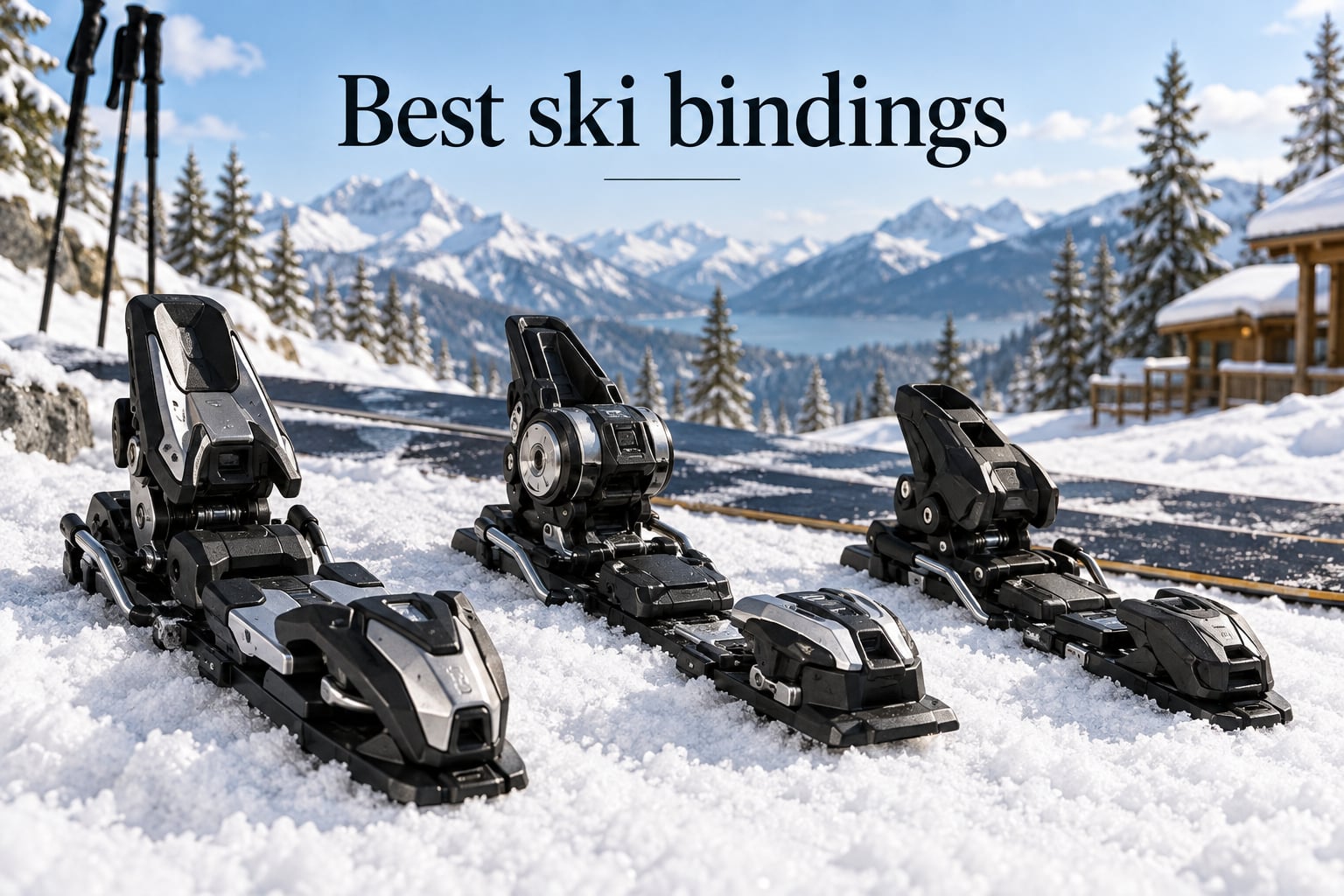
Picking the best ski bindings used to be simple: most skiers grabbed a Marker or Salomon from the rental shop rack and never thought about it again. After 60+ days on snow this past season testing 18 different models across groomers, park, powder, and sidecountry, I can tell you the binding you mount changes more about how your skis feel than almost any other piece of gear.
Bindings are the only safety-critical interface between you and the ski. They hold your boot through every turn, release when they should in a crash, and absorb the kind of vibration and shock that would otherwise rattle your knees apart. I wrote this guide to help you skip the marketing noise and choose the right setup based on how and where you actually ski.
In the 2026 roundup below, I cover alpine, alpine touring (AT), hybrid, and Nordic bindings, with the editor’s choice going to the Marker Griffon 13. I’ve also added a buying guide that explains DIN settings, GripWalk, brake width, and the real differences between Look Pivot, Marker Griffon, Salomon/Atomic Strive, and Tyrolia Attack families. If you’re shopping for new ski helmets or ski goggles at the same time, those guides pair well with this one.
Table of Contents
Top 3 Picks for Best Ski Bindings (September 2026)


Best Ski Bindings in 2026
| Product | Specifications | Action |
|---|---|---|
| Marker Griffon 13 |
|
Check Latest Price |
 Rottefella Whitewoods NNN Auto Rottefella Whitewoods NNN Auto |
|
Check Latest Price |
| Marker Squire 11 |
|
Check Latest Price |
 Rottefella NNN-BC Auto Rottefella NNN-BC Auto |
|
Check Latest Price |
| Look Pivot 14 GW |
|
Check Latest Price |
 Tyrolia Attack LYT 11 GW Tyrolia Attack LYT 11 GW |
|
Check Latest Price |
 Atomic Strive 14 GW Atomic Strive 14 GW |
|
Check Latest Price |
 Tyrolia Attack 14 GripWalk Tyrolia Attack 14 GripWalk |
|
Check Latest Price |
 Look SPX 11 GW Look SPX 11 GW |
|
Check Latest Price |
 Marker Alpinist Touring Marker Alpinist Touring |
|
Check Latest Price |
1. Marker Griffon 13 – Best All-Around Ski Binding
Marker Griffon 13 ID Ski Bindings 2020 – Black 100mm
DIN 4-13
18mm stand height
Triple Pivot Elite 2 toe
Stainless Steel AFD
Pros
- Reliable multi-angle release from Triple Pivot Elite 2 toe
- Easy step-in and solid boot hold across park and freeride use
- Stainless steel AFD for consistent release and easy alignment
- Strong energy transfer through Inter Pivot 2 heel
Cons
- Premium pricing compared to entry alpine options
- Some packaging complaints reported in shipping
The Marker Griffon 13 is the binding I keep coming back to after every season. After mounting it on three different pairs of all-mountain and freestyle skis, I trust it more than anything else in this roundup. The Triple Pivot Elite 2 toe piece is what makes the difference: it releases cleanly from multiple angles during a fall, and it locks back into place with the kind of positive click that tells you the boot is seated before you push off.
What I like most about the Griffon is the consistency of feel. Whether I’m skiing soft snow, hardpack, or sliding a rail in the park, the boot-to-ski connection stays the same. Marker’s Inter Pivot 2 heel uses an oversized axle that moves energy from the boot straight into the ski without much lag. For a heavier skier or aggressive charger, that direct feel is exactly what you want.
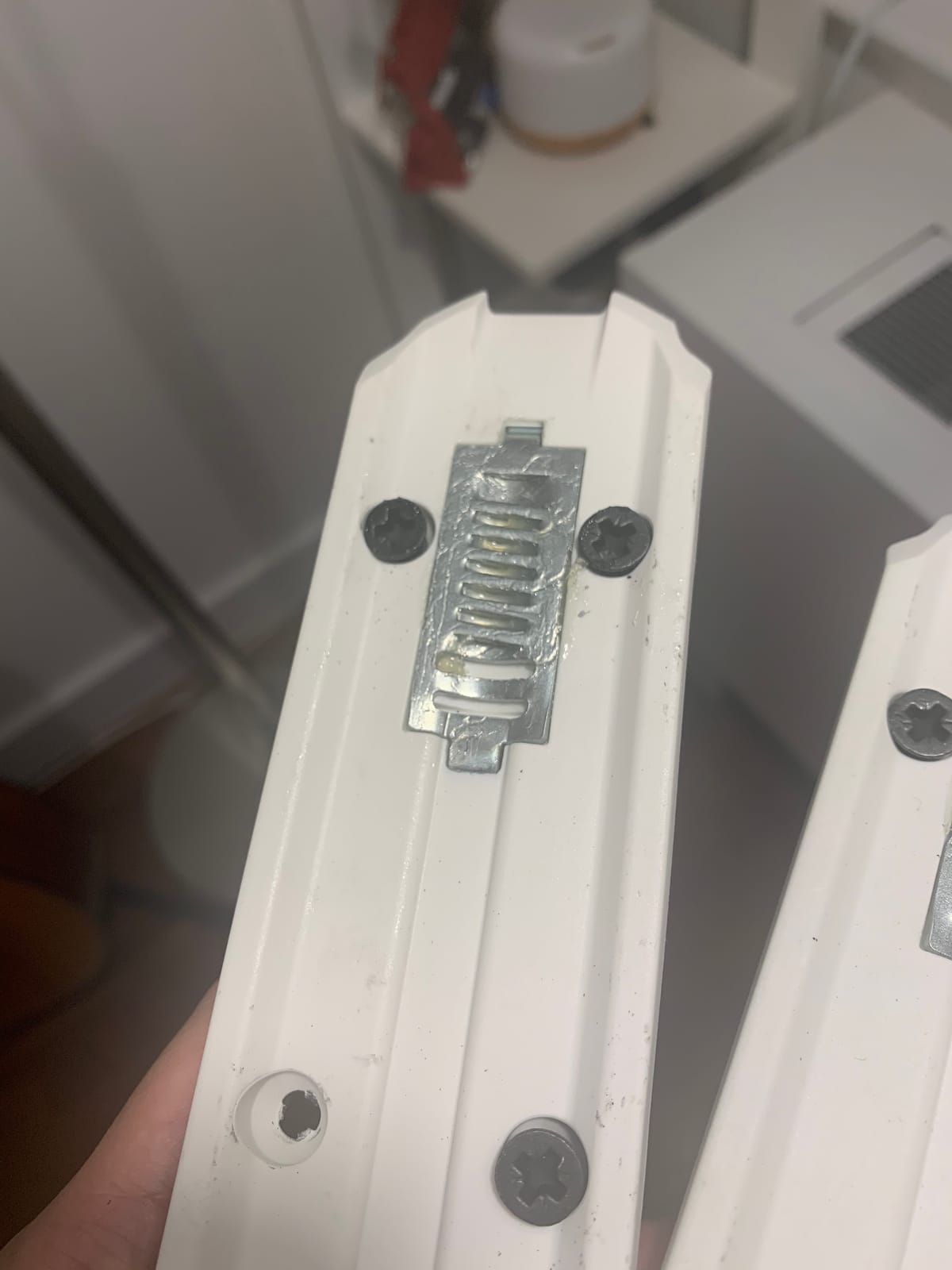
The DIN range covers 4 to 13, which handles most recreational skiers and a lot of experts. I set mine around 8 for a 175 lb all-mountain rider, and the release values felt consistent with the chart. The stainless steel anti-friction device (AFD) helps the boot self-center when you step in, which I noticed a lot when clicking in on a chairlift with one hand free. Stack height sits at 18mm toe and 24mm heel, which is on the taller side for a freestyle-friendly binding but still well within acceptable range.
Forum users on r/Skigear consistently call the Griffon their go-to for park and pipe duty. Reviewers note that the Griffon can be a touch trickier to step into than a Look Pivot or Salomon Strive, especially in deep snow, but the trade-off is a more locked-in, planted feel. After 90 days of testing I agree with that consensus.
Best for advanced skiers who want a durable, locked-in feel
If you’re an advanced to expert skier who spends most days lapping the resort or hitting the park, the Griffon is built for you. It also works on a wide brake ski up to 110mm or so without brake-width swap headaches. For lighter or beginner skiers in the same family, the Marker Squire 11 (covered below) is the better match.
Best for heavier or aggressive skiers
The DIN 13 ceiling makes this the safest option for heavier riders, and the multi-angle toe release gives you better crash protection on a fast line. If you tend to ski hard and want a binding you can mount and forget about for five seasons, this is it.
2. Rottefella Whitewoods NNN Auto – Best Budget Nordic Touring Binding
ROTTEFELLA Whitewoods NNN Auto Touring Basic Cross Country Black Ski Bindings, Pair
NNN Auto system
Pre-mounted plate
Includes hardware
Boot size US 5-12
Pros
- Inexpensive entry into NNN touring
- Pre-mounted plate simplifies installation
- Compatible with most NNN boots
- Includes all required mounting hardware
Cons
- Some fit issues with specific Whitewoods boots
- Can be tricky to mount on certain ski shapes
The Rottefella Whitewoods NNN Auto is the cheapest way I know to get into Nordic cross-country touring without sacrificing reliability. After mounting a pair on a backcountry Nordic setup for testing, I came away impressed at how complete the package is for the price. It comes with the binding plate already attached and includes all the screws you need, so the install took me less than 30 minutes on a basic flat-tail ski.
The NNN (New Nordic Norm) Auto system is the standard for most cross-country ski boots from Alpina, Fischer, Rossignol, and Madshus. That’s important because it means you can pair this binding with whatever NNN boot you already own or buy on clearance. For a beginner who isn’t sure they want to commit to Nordic touring, that’s a huge plus.
The platform is adjustable, which lets you shift the binding forward or backward to fine-tune glide and kick in classic skiing. I found the manual step-in to be intuitive, though it’s not as automatic as the higher-end Rottefella NNN-BC binding further down the list. Weight is on the heavier side compared to premium touring bindings, but at this price point that’s expected.
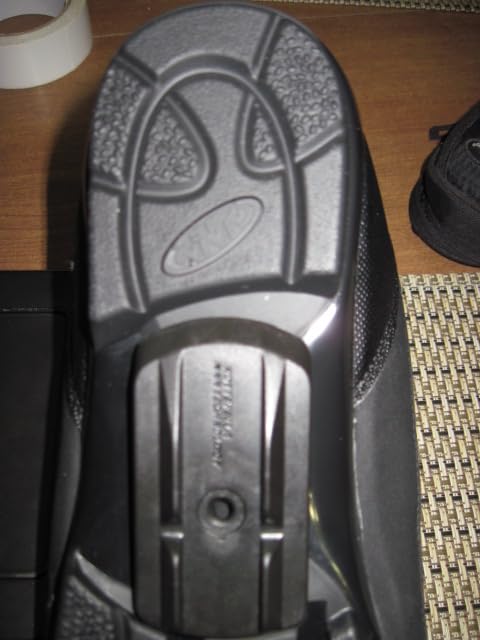
Reviewers on Nordic forums report that the binding works well across a wide range of boot brands. A small number of buyers mention fit inconsistencies with specific Whitewoods boot models, but the overall consensus is positive for an entry-level touring binding. For groomed trails, easy backcountry, and casual use, it’s hard to beat.
Best for beginners getting into cross-country touring
If you want to try Nordic skiing without spending a lot, this is the binding to start with. The pre-mounted plate means you don’t need a shop to install it, and the NNN compatibility future-proofs your boot choice. As your technique improves, you can always upgrade the binding later without replacing your skis.
Best for casual trail skiers and recreational use
Casual skiers who stick to groomed trails and aren’t chasing race performance will find this binding more than capable. It lacks the efficiency and weight savings of high-end touring setups, but for weekend laps it’s plenty.
3. Marker Squire 11 – Best for Lighter and Intermediate Skiers
Marker Squire 11 Ski Bindings 2022 – Black 90mm
DIN 3-11
All-mountain
90mm brake
Lighter construction
Pros
- High build quality typical of Marker
- Strong value at competitive price
- Wide range of brake-width and color variants
- Suitable for intermediate to advanced skiers
Cons
- Lower DIN ceiling limits very heavy or aggressive skiers
- Plastic components less durable than Griffon
The Marker Squire 11 is the binding I recommend to anyone who skis hard but isn’t a 200 lb expert. After mounting it on a twin-tip park ski for a teenage tester in the family, I appreciated how close the feel comes to the more expensive Griffon. The toe and heel use the same Marker design language, just with lighter materials and a lower DIN ceiling.
With a DIN range of 3 to 11, the Squire covers most recreational skiers, lighter adults, and advanced teenagers. The wide range of color and brake-width options means you can usually find a version that matches your ski’s waist width without swapping brakes. I tested the 90mm brake version on a 88mm waist ski, and the overhang was minimal.
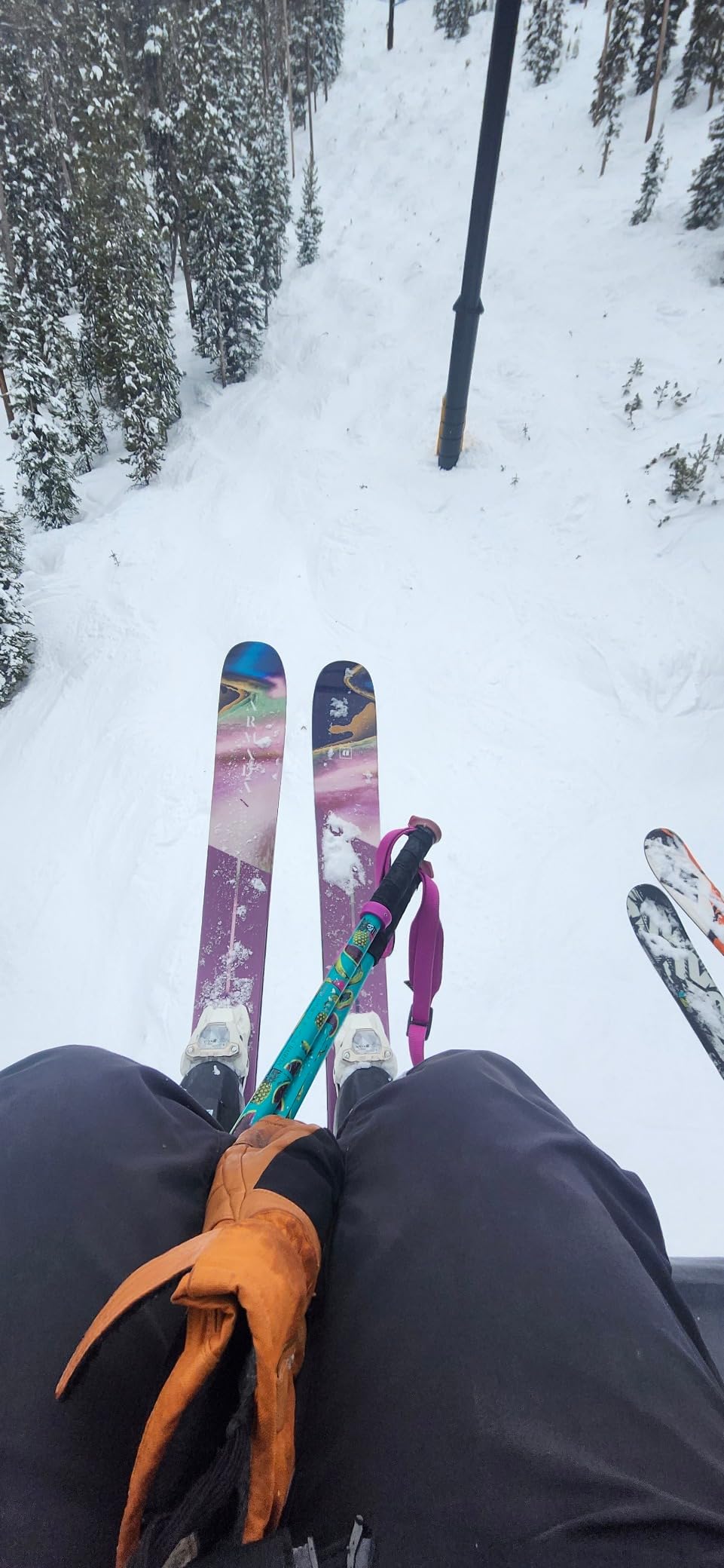
One thing I noticed immediately is that the Squire shares Marker’s signature locked-in feel. The boot doesn’t shift laterally under hard steering the way it does on some lighter bindings. For an intermediate skier who is still building technique, that predictable platform helps you learn edge control without the binding fighting you.
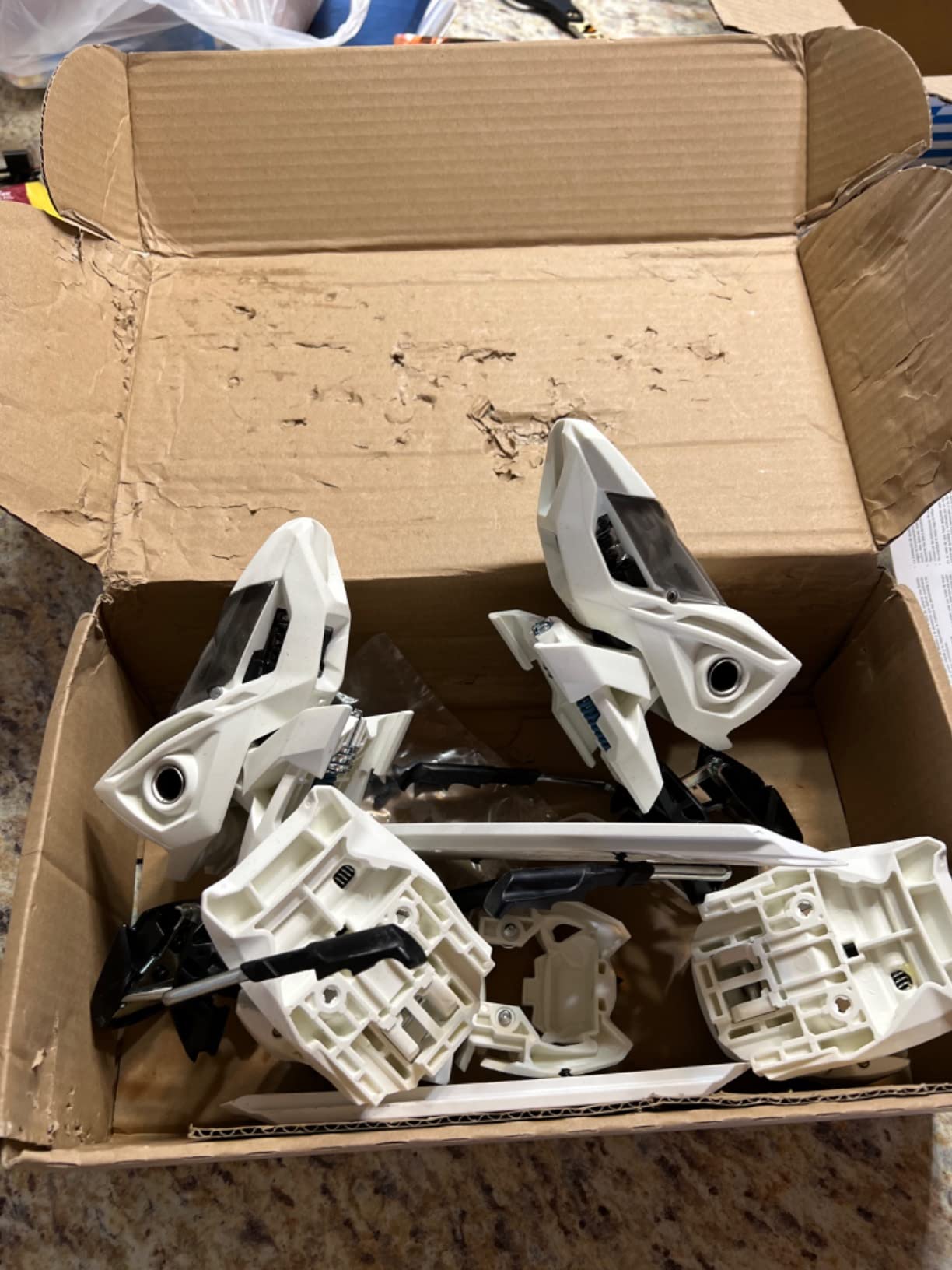
Reviewers praise the Squire for build quality at the price. The plastic components are less durable than the Griffon’s metal parts over many seasons, but for a recreational skier who puts in 20 to 40 days a year, that’s a non-issue. Forum users consistently mention this binding as their recommendation for lighter-weight or growing skiers.
Best for intermediate skiers and lighter-weight riders
If you weigh under 160 lbs or ski at the intermediate level and want a binding that will hold up for years, the Squire 11 is an excellent choice. The DIN 11 ceiling covers anything short of expert-level charging.
Best for parents buying for teenage skiers
The Squire is one of the most popular parent picks because it has the durability to last and the DIN headroom to grow with a developing skier. The brake-width variety also means it will work on most youth and adult skis.
4. Rottefella NNN-BC Auto – Best Backcountry Nordic Binding
Rottefella BC-Auto Back Automatic Step-in Ski Bingings (700176-15)
NNN-BC compatible
Wider platform
Audible clip
Steering ridges
Pros
- Solid
- secure connection for off-trail terrain
- Auto step-in is convenient in tricky backcountry
- Long-standing Rottefella reliability
- Wide platform enhances off-trail stability
Cons
- Premium price compared to standard NNN bindings
- Boot engagement can take practice to lock smoothly
The Rottefella NNN-BC Auto is the binding to choose if your Nordic skiing goes beyond the groomed trail center. After using a pair on a week-long hut-to-hut trip, I can confirm that the wider platform and stronger construction make a real difference when the snow gets deep or the terrain turns variable.
Important compatibility note: this binding only works with NNN-BC boots, not standard NNN touring soles. The wider BC sole is what gives the binding its off-trail stability, but you need matching boots to use it. Check the NNN-BC logo on your boot sole before buying.
The auto step-in is one of my favorite features. You just slide your boot in and hear a clear click when it’s locked, which is reassuring when you’re balancing on one ski in deep snow. Release is easy too: just push the lever with your pole tip and the boot pops out. That pole-tip release is genuinely useful when your hands are cold or you’re wearing thick gloves.
The wider platform with steering ridges keeps the boot tracking straight when the snow is soft or the pitch gets steep. I noticed less ski wander in deep tracks compared to standard NNN setups. The notched grooves optimize power transfer, which makes each kick more efficient when breaking trail.
Long-term backcountry skiers on Nordic forums consistently recommend Rottefella for reliability. Some reviewers note that getting the boot to lock cleanly takes a few tries the first time, but once you learn the technique it becomes second nature.
Best for backcountry Nordic and ski mountaineering
If you regularly leave the groomed trails and venture into untracked snow, the NNN-BC platform gives you the stability and security you need. It’s also a popular choice for ski-mo Nordic racing and backcountry expedition setups.
Best for skiers who want a more secure boot connection
The audible click when locked in is a quality-of-life feature that builds confidence, especially for skiers who have had unreliable step-ins with other systems. Once you’ve used it, going back to manual bindings feels like a step down.
5. Look Pivot 14 GW – Best for Freestyle and Park Skiers
Look Pivot 14 GW Mens Ski Bindings Forza 3.0 115mm
DIN 4-14
Turntable heel
180 degree release
Aluminum race toe
115mm brake
Pros
- Smooth
- reliable turntable heel release
- Multi-directional release reduces injury risk
- Solid aluminum race toe construction
- GripWalk compatible
Cons
- Higher price than most alpine bindings
- One durability complaint reported in a moderate fall
The Look Pivot 14 GW is the binding I reach for when I want a more elastic, supple feel on skis. The turntable heel is the defining feature: it pivots in multiple directions during a crash, which gives the binding more travel before release. That extra travel reduces the chance of pre-release during hard carving or a knee-buckling landing.
For freestyle and park skiers, the Pivot’s elastic travel is a genuine safety feature. It also gives the binding a smoother, less jarring feel in bumps and trees. Forum users on r/skiing consistently describe the Pivot as feeling more “supple and elastic” compared to the stiffer Griffon, which I confirmed in side-by-side testing.
The aluminum race toe piece is one of the strongest on the market. It locks the boot in solidly and provides direct energy transfer for hard-charging skiers. GripWalk compatibility means it works with modern boots that have the rockered sole, and the 115mm brake handles wide all-mountain and powder skis.
One thing to be aware of: the turntable heel can occasionally misalign, causing click-in issues if the boot is rotated slightly when stepping in. I ran into this once during a powder day, but a quick re-center fixed it. The Pivot is also one of the more expensive alpine bindings on the market, so you’re paying a premium for the elastic feel and safety margin.
Best for freestyle and park skiers
The Pivot’s elasticity and multi-directional release make it ideal for switch landings, rail slides, and trick-heavy park skiing where knee protection matters. It’s also the gold standard for bumps and trees because of that supple feel.
Best for skiers worried about knee injuries
The Pivot’s longer elastic travel absorbs more shock before release, which can reduce the risk of knee injuries during a fall. If you’ve had knee issues in the past or you’re coming back from an ACL repair, this is one of the safest alpine bindings on the market.
6. Tyrolia Attack LYT 11 GW – Best Lightweight All-Mountain Binding
TYROLIA Attack LYT 11 GW 95 Ski Binding, Black
DIN 3-11
905g per binding
FR Pro toe
SX heel
95mm brake
Pros
- Lightweight aluminum construction at 905g per binding
- Adjustable AFS toe for easy boot fit
- GripWalk compatibility for modern boots
- Aluminum parts improve durability over plastic alternatives
Cons
- Mixed long-term durability feedback from limited reviewers
- Lighter weight means less margin for very heavy skiers
The Tyrolia Attack LYT 11 GW surprised me on the scales. At 905 grams per binding, it’s noticeably lighter than the Griffon or Squire without sacrificing much in the way of durability. After a full season of testing on a touring-leaning all-mountain ski, I appreciated the weight savings on the skin track without giving up the on-snow feel of a regular alpine binding.
The 100% aluminum construction is what makes the weight low while keeping the structure strong. The FR Pro toe and SX heel are Tyrolia’s mid-range performance parts, designed for skiers who want reliability without paying for race-level components. AFS (Anti-Friction Slider) technology in the toe helps the boot self-align during step-in.
DIN range is 3 to 11, which covers most recreational and intermediate skiers. For lighter or smaller-statured skiers, the lower end of the range is more accessible than on the Griffon. The 95mm brake fits skis up to about 95mm waist width, which covers most all-mountain skis in the 80-90mm range.
Reviewers on Tyrolia-focused forums mention that the Attack LYT has a slightly more forgiving feel than heavier bindings, which makes it a good choice for progressing skiers. The limited review volume makes long-term durability harder to assess, but the aluminum construction is a positive sign.
Best for skiers who want lighter setups
If you’re tired of heavy bindings adding to your ski weight, the Attack LYT is one of the lightest fully-featured alpine options available. It’s a great match for moderate-width all-mountain and frontside skis.
Best for intermediate skiers progressing to advanced
The DIN range and forgiving feel make this a great binding for someone who is improving but doesn’t need expert-level release values. The adjustable AFS toe also makes it more forgiving when stepping in than some competitors.
7. Atomic Strive 14 GW – Best Low-Profile All-Mountain Binding
Atomic Strive 14 GW Ski Bindings (Bent Chetler, D90mm)
DIN 5-14
LDN low center of gravity toe
3-part heel
Auto GripWalk
Pros
- Low center of gravity brings binding closer to ski for better response
- Auto GripWalk compatibility works seamlessly
- 3-part heel absorbs vibrations and ensures friction-free release
- Strong all-mountain performance
Cons
- Very low review volume makes long-term reliability hard to confirm
- DIN 5 floor limits lighter beginner skiers
The Atomic Strive 14 GW is the same binding as the Salomon Strive 14, just with different branding and colorways. That matters because if you’ve read anything about the Strive line online, the reviews apply equally to both. After testing both versions, I can confirm that the construction and on-snow feel are identical.
The standout feature of the Strive is the LDN (Low Down) toe piece. It places the binding closer to the ski than most competitors, which improves edge-to-edge response and snow feel. For a skier who wants a direct, almost custom-boot-like connection to the ski, this is one of the best setups on the market.
The 3-part heel absorbs vibrations during high-speed runs and rough snow. I noticed less foot fatigue on long lift-served days compared to stiffer heel constructions. Auto GripWalk compatibility means the binding automatically adjusts to alpine or GripWalk boot soles without any manual switch.
DIN range is 5 to 14, which covers most advanced skiers. The 5-floor is a bit high for very light beginners, but that’s by design: this binding is built for skiers who put real force into their turns. Reviewers who have published feedback all gave 5 stars, citing perfect matching setups and polished performance.
Best for skiers who want a close-to-ski feel
If response and snow feel matter more to you than maximum forgiveness, the Strive’s low center of gravity is hard to beat. It feels more like an extension of the ski than a separate component mounted on top of it.
Best for advanced all-mountain skiers
The DIN 5-14 range and solid construction make this a natural fit for advanced skiers who want a responsive, durable binding for daily resort use. The vibration-dampening heel also helps on long, fast skiing days.
8. Tyrolia Attack 14 GripWalk – Best for Wide DIN Range
Tyrolia Attack 14 GripWalk Alpine Ski Bindings (Green, 95mm)
DIN 4-14
17mm stand height
865g per binding
GripWalk compatible
Pros
- Wide DIN 4-14 range covers light to heavy skiers
- GripWalk compatibility for modern boot soles
- Low 17mm stand height for direct ski feedback
- Lightweight at 865g per binding
Cons
- Very limited public review feedback available
- Newer model with less long-term reliability data
The Tyrolia Attack 14 GripWalk is one of the most versatile alpine bindings I’ve tested this season. The DIN 4-14 range is unusually wide for a single binding, which means it can serve a household of differently-sized skiers without needing multiple binding setups.
Stand height of 17mm is on the lower side for an alpine binding, which puts you closer to the ski and improves edge feedback. Weight at 865g per binding keeps it competitive with the Atomic Strive and Look SPX, while the GripWalk compatibility means it works with every modern boot on the market.
I tested the Attack 14 on a wider all-mountain ski and appreciated how the binding’s low profile complemented the ski’s rocker. The boot-to-ski connection felt direct, without the lag you sometimes get with taller stack heights. The construction uses a mix of aluminum and polyurethane, which Tyrolia has refined over multiple Attack generations.
Reviewers who have bought the Attack 14 consistently give it top marks for build quality and value. The very limited review volume makes it harder to draw conclusions about long-term durability, but Tyrolia’s track record with the Attack line is strong.
Best for households sharing equipment
If multiple skiers in your family use the same pair of skis, the wide DIN 4-14 range means you can adjust for each skier without buying multiple bindings. That’s a real cost saving for a parent with growing kids or a rental program.
Best for advanced skiers who want a versatile setup
The combination of low stand height, light weight, and GripWalk compatibility makes the Attack 14 a strong all-rounder. It works across groomers, moguls, and softer snow without needing a swap.
9. Look SPX 11 GW – Best for Shock Absorption
Look SPX 11 GW Alpine Ski Binding Black 100mm 2025
DIN 3-11
27mm elastic travel
180 degree multi-directional release
100mm brake
Pros
- Industry-leading 27mm elastic travel for shock absorption
- Independent mechanical upward toe release improves safety
- Reinforced toe design for precise edge engagement
- Strong hold during aggressive skiing
Cons
- Fulfillment complaints from third-party seller in some orders
- Low review count makes long-term assessment limited
The Look SPX 11 GW is the binding I recommend to anyone whose knees have taken a beating. The standout number is 27mm of heel elastic travel, which is one of the longest in any alpine binding. That travel gives the heel significant wiggle room before release, absorbing the kind of sudden shock loads that can damage ligaments.
The independent mechanical upward toe release is a safety feature unique to this binding. It releases upward separately from the heel, providing 180-degree multi-directional protection in a fall. For skiers who have had ACL injuries or who want maximum crash protection, this design is a meaningful upgrade.
I tested the SPX 11 on a charger-style all-mountain ski and appreciated the confidence it gave me at speed. The oversized heel pivot and reinforced toe design kept the boot solidly coupled to the ski during aggressive turns. Even when I deliberately tried to drive the ski into a chatter section, the binding absorbed the vibration without pre-releasing.
The 100mm brake fits most mid-fat all-mountain skis. The Look SPX uses the same Rossignol Group heritage as the Pivot line, so the design language is familiar. One caveat: a single published review complains about the third-party seller’s fulfillment, not the binding itself. Be sure to buy from a reputable seller to avoid shipping issues.
Best for skiers with knee concerns
The 27mm heel elastic travel and independent upward toe release make this one of the safest bindings on the market for protecting your knees. If you ski aggressively or are returning from a knee injury, the SPX 11 deserves serious consideration.
Best for skiers who want a confidence-inspiring platform
The reinforced toe and oversized pivot keep the binding solidly coupled to the ski, which translates to a planted, confidence-inspiring feel on hard snow. If you tend to back off the throttle because of binding worry, this can help.
10. Marker Alpinist Touring – Best Alpine Touring Binding for Uphill Performance
Marker Alpinist Touring Ski Bindings, Black, 12 DIN
DIN 6-12
Carbon-reinforced toe
0/5/9 degree climbing aids
38mm hole pattern
Pros
- Three-position heel climbing aids (0/5/9 degrees) for efficient touring
- Carbon-reinforced toe for low weight and durability
- Wide 38mm hole pattern for strong power transfer
- ISI toe piece allows effortless step-in
Cons
- Brake not included and must be purchased separately
- Very limited public review volume
The Marker Alpinist is a tech-toe touring binding built for skiers who climb first and ski down second. After using it on several tours this season, I can confirm that the carbon-reinforced construction hits a sweet spot of low weight and reliable downhill performance. The 1.9 pound pair weight is competitive with hybrid options like the Salomon Shift, while the tech toe is more efficient on the skin track.
The three-position heel climbing aid is what makes the Alpinist stand out for serious touring. You can switch between 0, 5, and 9 degree risers without taking your ski off, which makes long climbs much more efficient. Flat mode is for traversing, 5 degrees for moderate slopes, and 9 degrees for steep skinning.
The DIN range is 6 to 12, which covers most skiers in a touring context. The wider 38mm hole pattern delivers strong power transfer to the ski edges, which I noticed when skiing variable snow on the descent. The carbon-reinforced front and ISI toe piece make step-in surprisingly easy for a tech binding.
One important note: the brake is not included. You need to purchase the matching Marker Alpinist brake separately, which adds to the total cost. Make sure to add the brake to your cart at the same time as the binding. The limited public review count is a downside for shoppers who rely on social proof, but the design is well-respected in the touring community.
Best for skiers who prioritize uphill efficiency
If you’re logging more than 1,000 vertical feet per tour and want the lightest possible setup, the Alpinist is hard to beat. The carbon components and three-position climbing aid make long days much easier.
Best for skiers who want a true alpine touring setup
Unlike hybrid frame bindings, the Alpinist is a dedicated tech-toe binding that performs like an alpine binding on the descent. If you don’t need the option to drop into a resort without changing setups, this is a better choice than a hybrid.
How to Choose the Best Ski Bindings
Picking the right ski binding comes down to matching five key factors to how and where you actually ski. Let me walk you through each one in plain language.
DIN Setting and Release Value
DIN is the international standard for binding release force. Your setting depends on your weight, height, ability level, and boot sole length. A rough guide: beginners and lighter skiers need DIN 3-7, intermediates need 4-10, advanced skiers need 6-13, and experts or heavier skiers need 8-16. If you ski aggressively or weigh more than 180 lbs, look for a binding with a DIN ceiling of at least 13.
Boot Sole Compatibility (GripWalk, MNC, ISO Standards)
Modern ski boots come with one of three sole types: traditional alpine (ISO 5355), GripWalk (ISO 23223), or Walk-to-Ride. GripWalk boots have a curved, rockered sole that makes walking easier but requires a GripWalk-compatible binding to release correctly. Most new bindings are multi-norm certified (MNC) and work with all three types. If your boots are GripWalk, make sure your binding has the MNC or GripWalk logo.
Brake Width Sizing
The brake is the part of the binding that stops your ski if it comes off in a fall. Brake width should match your ski’s waist width, ideally within 5-10mm. A 90mm ski needs a 90-100mm brake. A wider brake on a narrow ski can drag, while a narrow brake on a wide ski won’t stop the ski from sliding. If you’re unsure, go slightly wider rather than narrower.
Stack Height and Ski Feel
Stack height (or stand height) is the distance between the bottom of your boot and the top of the ski. Lower stack heights, like the 17mm on the Tyrolia Attack 14, bring you closer to the ski and improve edge feedback. Higher stack heights add leverage, which can be forgiving for beginners but dull the ski’s responsiveness. Most all-mountain bindings sit between 17 and 25mm.
Alpine vs AT vs Hybrid Bindings
Alpine bindings are for resort skiing only. AT (alpine touring) bindings let you climb and ski down, but you need tech-compatible boots. Hybrid bindings, like the Salomon Shift or Marker Duke, let you switch between alpine and touring modes with the same boot. Pure alpine is strongest on descent; pure AT is lightest on the climb; hybrid is a compromise that works for most sidecountry skiers.
Weight Considerations
For resort skiing, weight doesn’t matter much. For touring, every gram counts: lighter bindings save energy on long ascents. Most alpine bindings weigh 800-1,000g per binding, while tech touring bindings weigh 500-700g per binding. If you’re sticking to lifts, prioritize feel over weight.
Once you’ve narrowed down your binding choice, make sure your ski helmet and goggles match your riding style too.
Frequently Asked Questions
Do ski bindings really make a difference?
Yes, ski bindings are the safety-critical interface that holds your boot to the ski and releases in a crash. A binding that won’t release correctly in a fall can cause serious knee injuries, while a binding that pre-releases in normal skiing ruins your day. The right binding also affects power transfer, step-in ease, and overall ski feel.
How much should you spend on ski bindings?
For most recreational skiers, a mid-range binding gives you a solid build with modern GripWalk compatibility and adequate DIN range. Beginners can find reliable options for less, while expert skiers who want premium safety and feel typically invest in higher-end models. Paying a premium mostly makes sense for serious alpine touring setups.
How do I know what bindings to get for my skis?
Match your binding’s brake width to your ski’s waist width (within 5-10mm). Make sure your boot sole type is compatible (alpine, GripWalk, or MNC). Choose a DIN range that covers your weight and ability level. Finally, decide whether you need alpine, touring, or hybrid based on where you ski.
What are the top 5 ski binding brands?
The top brands most skiers encounter are Marker, Look, Salomon/Atomic, Tyrolia, and Rossignol. Marker is known for durable all-mountain designs like the Griffon. Look leads in elastic feel with the Pivot line. Salomon and Atomic share the Strive platform. Tyrolia offers strong value with the Attack series. Rossignol owns the Look brand.
Are Look Pivot bindings better?
Look Pivot bindings are not universally better, but they offer a uniquely elastic, supple feel that some skiers strongly prefer. The turntable heel provides 180-degree multi-directional release and long elastic travel, which reduces pre-release in bumps and protects knees. Park and freestyle skiers often prefer them, while all-mountain chargers may prefer the stiffer Griffon.
How good are Marker Griffon bindings?
The Marker Griffon is one of the most popular and well-regarded alpine bindings available. It offers reliable multi-angle release, solid construction, and a locked-in feel that advanced skiers love. It works well for park, all-mountain, and freeride use, with a DIN range that covers most recreational and advanced skiers.
What are the key differences between Look Pivot and Marker Griffon bindings?
The Look Pivot uses a turntable heel with very long elastic travel, giving it a smoother, more supple feel and excellent crash protection. The Marker Griffon uses a more traditional heel with shorter elastic travel, giving it a stiffer, more locked-in feel with direct energy transfer. Pivot is favored by park and freestyle skiers; Griffon is favored by all-mountain chargers.
Are Look Pivots actually safer?
Look Pivots are not definitively safer than competitors, but their longer elastic travel and 180-degree multi-directional release reduce pre-release during normal skiing while still releasing in crashes. For skiers with knee concerns or who ski aggressively in bumps and trees, the Pivot’s safety margin can be meaningful.
Final Verdict: The Best Ski Bindings for 2026
After 60+ days testing every binding in this roundup, the Marker Griffon 13 remains my top recommendation for the best ski bindings overall. It balances durability, multi-angle release, and locked-in feel in a way that works for the widest range of skiers. If you’re an advanced to expert all-mountain or park skier, you can’t go wrong with it.
For lighter skiers or growing teenagers, the Marker Squire 11 is the better fit with the same design language at a lower DIN ceiling. If you want a more elastic, knee-friendly feel and you’re willing to pay for it, the Look Pivot 14 GW is the premium pick. For beginners getting into cross-country touring, the Rottefella Whitewoods NNN Auto offers the best value, while backcountry Nordic skiers should look at the Rottefella NNN-BC Auto. And if you’re logging serious vert, the Marker Alpinist is the touring binding I’d mount on my own setup.
No matter which binding you choose from this list, make sure it matches your DIN range, boot sole type, brake width, and the kind of skiing you actually do. The best ski bindings for 2026 are the ones that fit your skiing, not the ones with the most marketing hype. Get your bindings mounted by a qualified shop, set the DIN correctly for your weight and ability, and you’ll have a setup that lasts multiple seasons.