
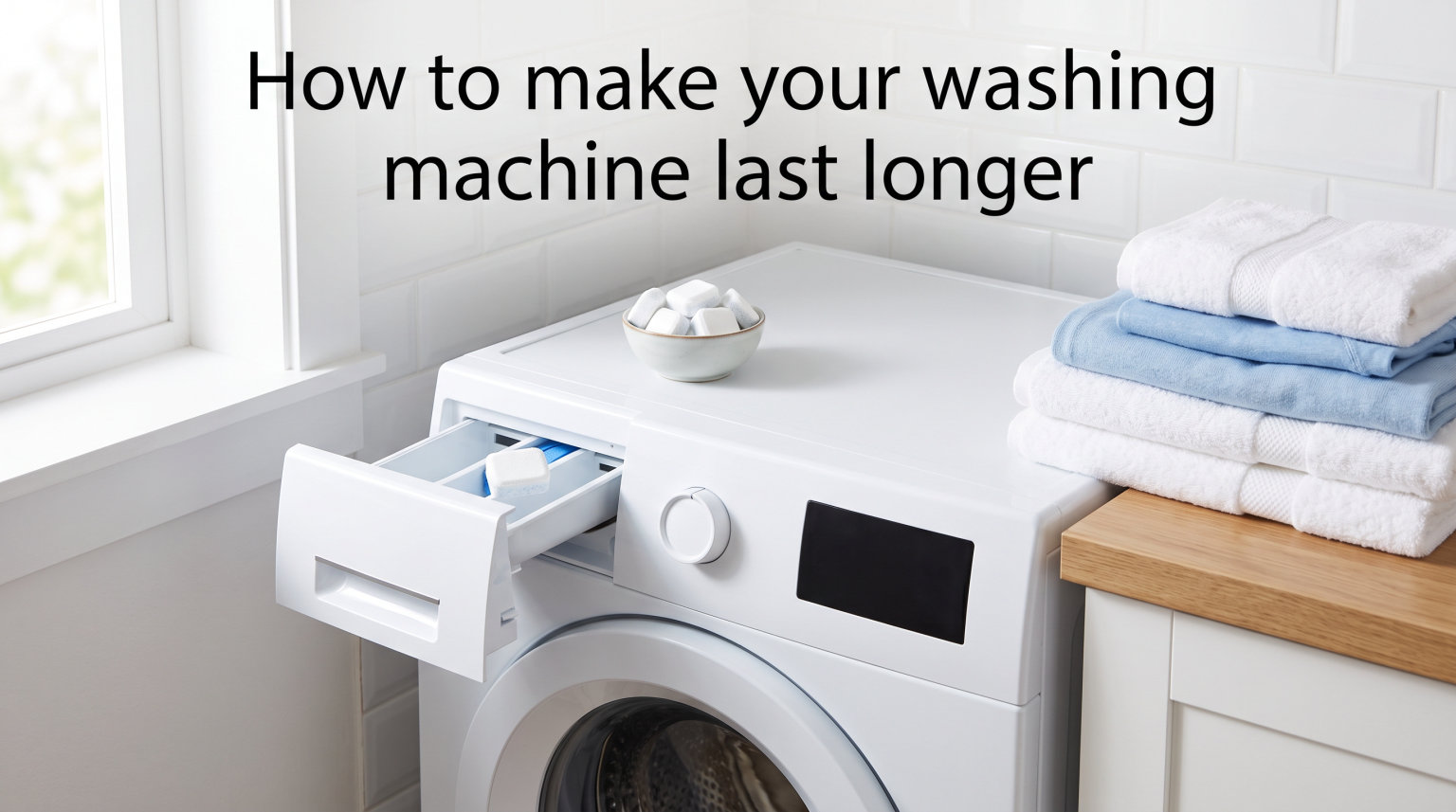
Your washing machine works hard. It runs an average of 8 to 10 loads every single week, and a typical family does about 300 loads a year.
The average washing machine lasts between 10 and 14 years according to industry surveys. Some well-maintained units push past 20 years, while neglected ones die in 4.
That gap comes down to simple maintenance habits. Our team has pulled together 10 practical ways to make your washing machine last longer in 2026, based on what appliance technicians and longtime owners actually do.
You won’t need expensive tools or specialist knowledge. Just 15 minutes a month and a few small habit changes can save you the $800 to $1,500 cost of a premature replacement.
Here’s what we cover:
- The right way to load and dose
- Cleaning routines that prevent mold
- Hose, level, and lint checks
- A repair vs replace decision guide
- Common questions answered
Table of Contents
Don’t Overload Your Washing Machine
Packing the drum to the brim is the fastest way to wear out your machine. Extra weight strains the motor, the bearings, and the suspension system that keeps the drum stable.
A good rule is to fill the drum about three-quarters full. Clothes should move freely in the water. If they sit in a tight ball, you have too much in there.
Large items like comforters and blankets need extra space. Wash them alone or with just one or two lighter items. An unbalanced load causes violent shaking, which loosens internal connections over time and is one of the most common causes of washing machine failure.
Use the Correct Detergent Type and Amount
Using regular detergent in a high-efficiency (HE) washer creates excess suds. Those suds force the machine to work harder, leave residue in the drum, and clog the drain pump.
If your machine is labeled HE, only use HE detergent. It produces fewer suds and rinses cleaner.
Measure every load with the cap. Most people use two to three times more detergent than they need. Excess soap builds up inside the drum and dispenser drawer, which leads to mold and odor problems. For a regular load, two tablespoons of liquid detergent is usually plenty. Skip the fabric softener for towels; it coats the fibers and reduces absorbency.
Clean the Drum and Door Gasket Regularly
Dirt, lint, and detergent residue collect inside the drum and around the rubber door gasket. Left alone, this creates the musty smell many front-loader owners complain about.
Wipe the gasket once a week with a damp microfiber cloth. Pull back the folds of rubber and check for small items, hair, and moisture. The bottom of the gasket is the most common mold spot.
Once a month, run a hot cleaning cycle. You can use a washing machine cleaner like Affresh, or run an empty cycle with two cups of white vinegar poured into the drum. The hot water and acid break down mineral deposits and kill odor-causing bacteria.
Prevent Mold and Odor Between Loads
Front-load washers are especially prone to mold because the door seals tightly after every cycle. Moisture stays trapped, and mold spores multiply within 24 hours.
The fix is simple. Leave the door ajar between loads so the drum dries out. Same for the dispenser drawer. Pull it out an inch and let air circulate.
Wipe the inside of the door and the glass with a dry cloth after your last load of the day. This 30-second habit is what separates machines that smell fresh from ones that smell like a wet basement.
Inspect and Replace Hoses Every 3-5 Years
A burst inlet hose can dump hundreds of gallons of water into your laundry room. It is one of the top causes of home water damage.
Check the hoses behind your machine every six months. Look for bulges, cracks, rust, and white calcium buildup at the connectors. If you see any of these, replace the hose immediately.
Replace rubber hoses every 3 to 5 years even if they look fine. Better yet, upgrade to braided stainless steel hoses. They cost about $20 for a pair and are far more resistant to bursting. Do the same for the drain hose. Make sure it is secured to a standpipe and not kinked.
Keep the Machine Level to Stop Vibration Damage
An unlevel machine walks across the floor during the spin cycle. That movement breaks the internal suspension rods, loosens the counterweights, and eventually cracks the drum.
Place a bubble level on top of the machine. Adjust the front legs by turning them clockwise or counterclockwise until the bubble sits in the center. Most machines have lock nuts that you tighten against the frame once leveled.
If your machine is still walking after leveling, lay a rubber anti-vibration mat underneath. These mats cost about $15 and absorb the shock that otherwise transfers to the floor and the drum.
Clean Filters and Manage Pet Hair
Many washers have a small lint filter or coin trap near the bottom front. It catches lint, hair, and small objects that escape pockets.
Check this filter every few weeks. Place a towel underneath, twist the cap, and drain any water into a shallow pan. Pull out the lint and debris, then screw the cap back in tightly.
If you have pets, brush them before laundry day and use a washable lint roller on bedding. Pet hair is one of the biggest complaints we see on appliance forums, and most of it comes off blankets and dog beds in the wash. A quick pre-wash brush cuts the amount that ends up clogging your drain pump.
Follow a Monthly Maintenance Checklist
Maintenance is easier when it follows a routine. Here is the 30-day checklist our team recommends:
- Week 1: Wipe the gasket and dispenser drawer
- Week 2: Run a hot cleaning cycle (vinegar or Affresh)
- Week 3: Check and clean the lint filter
- Week 4: Inspect hoses and re-level the machine
Tape this list to the side of the machine or save it on your phone. After four cycles, the habit takes about 20 minutes a month.
When to Repair vs Replace Your Washing Machine
Maintenance can only do so much. At some point, every machine reaches the end of its useful life. Here is how our team decides between repair and replacement.
Use the 50% rule. If the repair cost is more than 50% of the price of a new machine, replace it. A new mid-range washer costs $700 to $1,000, so any single repair above $400 to $500 usually does not make sense.
Consider the age. Repairs under 7 years are usually worth it. After 7 years, parts get harder to find and more components start to fail. After 10 years, replacement is almost always the better call.
Watch for these end-of-life signs:
- The drum does not spin or drain
- Water leaks from underneath the machine
- The control board flickers or fails mid-cycle
- You hear loud grinding or burning smells
- The drum is loose or wobbles when you push it
If you see two or more of these symptoms on a machine older than 8 years, save your money for a replacement.
Frequently Asked Questions
How long should a washing machine typically last?
A washing machine typically lasts 10 to 14 years with regular maintenance. With careful care, some units reach 20 years. Without basic cleaning and leveling, machines often fail within 5 to 7 years.
What’s the best thing to run through a washing machine to clean it?
Run an empty hot cycle with two cups of white vinegar or a washing machine cleaning tablet like Affresh once a month. The hot water dissolves residue and kills odor-causing bacteria inside the drum and dispenser.
Can a washer last 20 years?
Yes, a washer can last 20 years with proper maintenance. Speed Queen and some older Whirlpool models are known to reach this age when owners clean the drum, replace hoses, and avoid overloading consistently.
Is a 7 year old washing machine worth fixing?
A 7 year old washing machine is usually worth fixing if the repair costs less than half the price of a new one. Common repairs under $300, like a new drain pump or lid switch, are worth doing at this age.
What is the most common washing machine issue?
The most common washing machine issues are drain pump clogs from lint and small objects, unbalanced loads causing excessive vibration, and door gasket mold in front-load washers. All three are preventable with monthly maintenance.
Start Tonight, Save for Years
You now have a complete plan to make your washing machine last longer. Wipe the gasket, leave the door open, and check the hoses.
Pick one habit from this guide and start today. After a month, add the next one. By 2026 end, you will have built a maintenance routine that adds years to your machine and saves you hundreds of dollars.